How essential oils can replace overused antibiotics and stop drug-resistant superbugs

Herbal-Oils-Bottles (NaturalNews) Antibiotic resistance is rapidly reaching the scale of a global health crisis. More and more people are being treated with “last resort” antibiotics, and the head of the World Health Organization, Margaret Chan, recently warned that the explosion of increasingly virulent drug-resistant microbes may eventually mean the “end of modern medicine.”

“The rise of antibiotic resistance is a global health crisis,” Chan said. “More and more governments recognize (it is) one of the greatest threats to health today.”

One thing that ordinary consumers can do to stem this tide, is to avoid unnecessary antibiotic treatments by using natural alternatives.

Why antibiotics are bad for your health

One of the most common misuses of antibiotics is when doctors prescribe them for viral problems, such as a cold or the flu, or minor bacterial infections that might otherwise have cleared up on their own.

Essential oils provide numerous benefits over antibiotics. They do not contribute to the evolution of drug resistance, preserving antibiotics for truly serious or life-saving uses – particularly if you avoid always using the same essential oil for every infection. In addition, essential oils do not cause wholesale destruction of your body’s good microbes – “microbiome” – the way antibiotics do. Antibiotic use is increasingly being linked with a variety of systemic health problems, probably due to disruption of the many subtle processes that our microbiomes perform for our bodies. Even taking probiotics after antibiotics is not enough to undo this damage.

So, for your health and for the health of society as a whole, here are some of the top antimicrobial essential oils. Studies have shown many of these to be as effective as antibiotics, and in some cases more so.

The top antibacterial oils

Tea tree oil is one of the easiest essential oils for a beginner to use. Unlike most essential oils, it can safely be applied directly to the skin, without first being diluted with a carrier oil. It has shown potent activity against viruses, bacteria and other microbes.

Eucalyptus oil, in addition to its antimicrobial effects, has been shown to speed wound healing and to protect injuries from exposure to air (much like a bandage).

Does your natural toothpaste contain peppermint essential oil, and not just peppermint flavor? It should! Peppermint is a potent antimicrobial and antiviral agent.

Lavender oil has shown antibacterial and antiseptic properties. It is particularly effective in speeding the healing of minor skin injuries including cuts, wounds, burns and sunburns, and keeping them from scarring. It is also an effective treatment for inflammatory and bacterial skin conditions including acne and psoriasis.

The common kitchen herbs oregano and thyme, in their essential oil form, are potent antibacterials that have both shown effectiveness against staph bacteria, including the MRSA superbug. Oregano has also been found to be effective against E. coli and salmonella.

Lemon grass, perhaps best known for its role in Thai cooking, also contains a potent essential oil that inhibits bacterial growth. This oil can be used both externally (for body odor and bacterial skin infections), and internally (for urinary tract infections, food poisoning and even typhoid and malaria).

Bergamot was recognized long ago as a remedy for intestinal worms. Its essential oil is antibacterial as well, and can speed the healing of mouth-related conditions such as cold sores, mouth ulcers and even herpes. It is also an effective treatment for chicken pox and shingles.

Essential oils are potent biological agents that usually need to be diluted to appropriate concentrations, and show often surprising interaction effects with each other. For these reasons, essential oils should be taken under the supervision of a naturopath or other health provider.

Sources for this article include:

DailyHealthPost.com

NaturalNews.com

NaturalNews.com

NaturalNews.com

NaturalNews.com

NaturalNews.com


http://www.naturalnews.com/053033_essential_oils_bacterial_infections_superbugs.html

I love this article on essential oil!

Lavender-Did You Know?

LavenderDid you know Lavender essential oil is the oil of communication? Lavender helps with verbal expression. It calms the uncertain thoughts that are felt when a person exposes their true feelings. Lavender aids in releasing the tension pressure that comes from the fear of self expression. Lavender encourages emotional honesty by encouraging people to speak their most private thoughts, and desires.

The use of lavender has been recorded for more than 2,500 years. Egyptians, Phoenicians and the people of Arabia used lavender as a perfume, and also for mummification, by wrapping the dead in lavender-dipped shrouds. In ancient Greece, lavender was used as a cure for everything from insomnia, and aching backs to insanity.

By Roman times, lavender had already become a prized commodity. Lavender flowers were sold to ancient Romans for 100 denarii per pound, equivalent to a full month’s wage for a farm laborer, and were used to scent the water in Roman baths. In fact, the baths served as the root of the plant’s current name. “Lavender” is derived from the Latin lavare, meaning, “to wash.” Romans also used lavender as a perfume, insect repellent and flavoring.

The use of lavender was highly revered during the Great Plague of London in the 17th century, when individuals fastened bunches of lavender to each wrist to protect themselves from the Black Death. Thieves who made a living stealing from the graves, and the homes of Plague victims concocted a wash known as “Four Thieves Vinegar,” which contained lavender, to cleanse, and protect themselves after a night’s work. Today, we know the disease was transmitted by fleas, so the use of lavender, which is known to repel these insects, could very well have saved lives, and prevented further spread of the plague.

The Shakers, a strict sect of English Quakers, are credited with commercializing lavender and introducing a variety of lavender-based products to the United States and Canada. The Shakers raised their own herbs, produced medicines, and sold them to neighbors and customers outside their religious sect.

Lavender is frequently used to soothe skin irritations and help skin recover quickly. Applying Lavender to the back of the neck, and temples helps reduce muscle tension. Inhaling Lavender promotes relaxation and a restful night’s sleep, making it an ideal oil to diffuse at bedtime and when stress levels are high. Due to Lavender’s versatility and soothing properties, it is considered the must-have oil to have on hand at all times

Listen To Your Inner Voice

Grand Canyon of Yellowstone“Trust the instinct to the end,
though you can render no reason”
Ralph Waldo Emerson

Your mind knows only some things. Your inner voice is your instinct, which knows everything. If you listen to what you know instinctively, it will lead you down the right path.

When I was a child, I was always losing my glasses. I was in a real panic mode looking for my glasses, when I asked my sister if she had seen them. She laughed and said, yes you are wearing them. This got me thinking, How many times are things so obvious, we don’t even realize them? If we started quieting the mind so we could start listening to our inner voice, it would tell us where our glasses are, and even help with bigger problems.

When my Mom says, “I don’t have a good feeling about that”, you listen. My Mom has learned that when the Holy Ghost, or “still small voice,” is prompting her, she listens.

I wouldn’t be here today, if my Mom ignored the promptings she gets. Some people call it their inner voice. Don’t ignore it. When my parents were first married and with my sister, Ramona, they decided to go to Yellowstone Park. My Dad had never been there.

My Great-Grandparents, the Meservy’s, lived in Idaho, near the park. My parents spent the first night visiting my mom’s grandparents. They were going to spend the next night in the park.

After their visit with family, my Dad loaded up the car. Then my Mom had this uneasy feeling about going to Yellowstone. She didn’t know, why, but she listened anyway and, so they stayed an extra night with family.

Later that night, one of the worst earthquakes hit in Yellowstone. A landslide buried the campground killing hundreds of people where they would have been sleeping. I am thankful for a Mom who listens to the Holy Ghost. She is a great example to many people.

Have you ever had the strongest feeling to do something and you ignored the prompting? Maybe you were prompted to talk to someone, give someone money or even write a book.

I love this question. When you see an amazing roller coaster, or the next time you use your Ipod, ask yourself, how many people ignored their inner voice before these thoughts became tangible things?

I think many people are inspired to do amazing wonderful things. Then they ignore their promptings, and as a result, their dreams do not come to fruition.

To prove this point when you see an invention that has made a ton of money, have you ever thought, I had the same idea why didn’t I take it more seriously?

The next thing we need to do is start listening and living up to our full potential.

“Develop the inner vision and the habit of listening to the inner Voice; and you are assured of unshakable Peace and infinite Joy.” Atharva Veda

Melaleuca-Did You know?

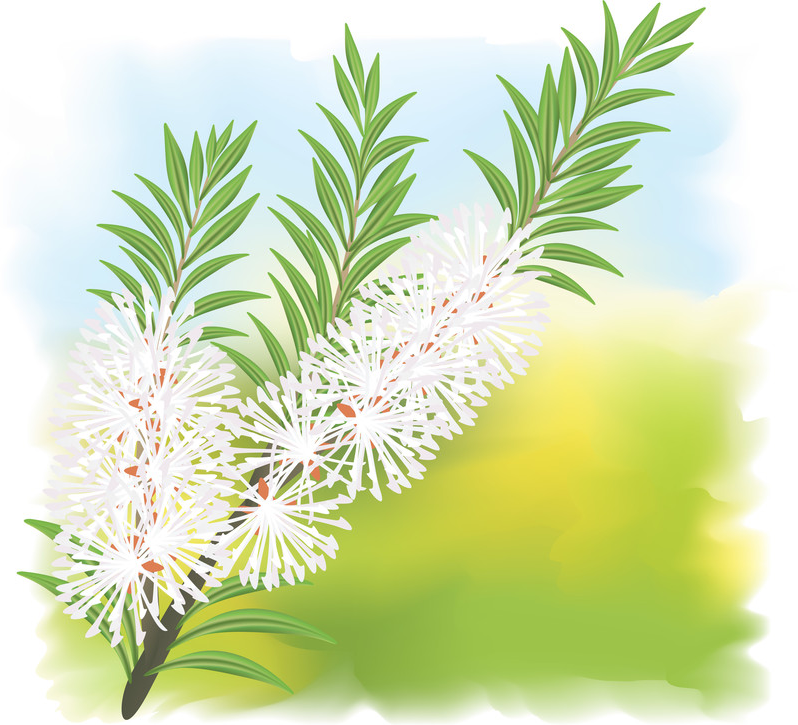
Melaleuca (Tea Tree)Did you know Melaleuca essential oil has over 92 different compounds and limitless applications? Melaleuca is the oil of energetic boundaries. A natural disinfectant, Melaleuca clears the baggage from the negative energy. It clearly releases codependent and toxic relationships. Melaleuca encourages people to connect with each other in a positive way.

For many centuries, the native Aborigines of Australia used the therapeutic oil of the Melaleuca trees for a wide range of topical and oral applications. They crushed the leaves to use as rubbing mediums and mixed them with clay to form poultices, and even bathed in the water that had collected under the trees. When the white settlers came, they watched and learned how to use the leaves for their own healing purposes.

It was most unfortunate for people in the west that there was no documented evidence of the use of Melaleuca oil. It was to remain confined to Australia, as a bush remedy, for the next 150 years. In 1922, however, an Australian chemist, Arthur Penfold and his team, distilled the oil from the Melaleuca alternifolia, and subsequently published a paper stating that it had a wide-rang of antibacterial and anti-fungal activity.

During the Second World War Melaleuca oil was in such short supply that all the available supplies of oil were used to help stop infections from the unavoidable war wounds, both in soldiers and munitions workers that were helping with the war effort. Soon it was considered necessary that a cheaper, more readily available, alternative should be manufactured to help stop the spread of germs. The once thriving industry went into a steep decline until recently. Over the past few years it has made a huge come back.

Melaleuca is best known for its purifying properties. It can be used to cleanse and purify the skin, nails, and to promote a clear, healthy complexion. Taken internally, Melaleuca enhances immunity when seasonal threats are high, and Melaleuca can be used on surfaces throughout the home to protect against environmental threats. Melaleuca is frequently used on minor skin irritations to soothe the skin, and help it recover quickly. Diffusing Melaleuca will help purify, and freshen the air.

Douglas Fir-Did You Know?

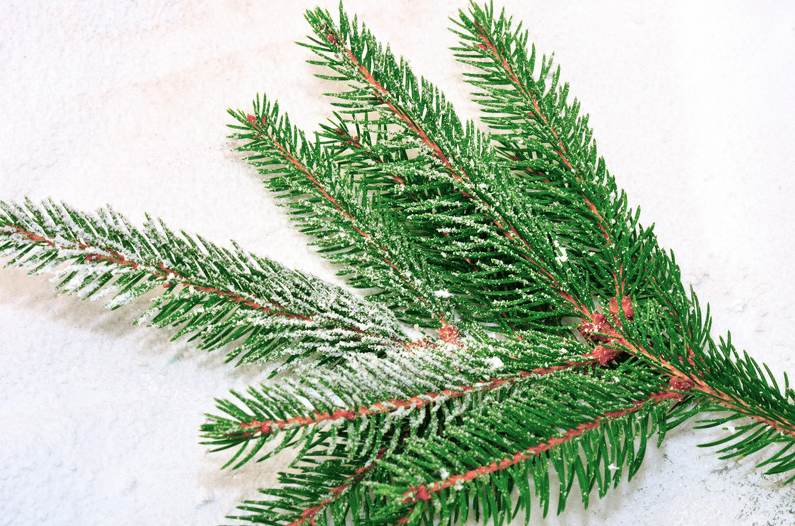
Screen shot 2015-10-28 at 7.58.40 PMDouglas Fir Needle Oil is extracted through steam distillation from the twigs, and needles. The aroma is very citrusy, fresh and crisp. Douglas Fir is a conifer that grows natively throughout North America. This tall, evergreen fir tree is frequently used in the Christmas tree industry. Douglas Fir can be used in candles, sprays, diffusers, and freshener sprays.

This oil helps muscular pains, and aches. Works best when massaged into muscles. It soothes, and relieves pain after exercise or intense muscle use. In general, Douglas Fir oil is non-toxic, non-irritating, and non-sensitizing.

Douglas Fir has a unique chemical composition that’s particularly rich in beta-pinene, contributing to its ability to promote feelings of clear airways. Douglas Fir can also be used to purify the skin and promote a positive mood, also helping with stress, and reducing anxiety. Blending Douglas Fir with citrus oils will create an uplifting environment while freshening the air.