Category Archives: The rest of the story

The Herb of Two Opinions and the Rest of the Story

For centuries, an unassuming green herb has graced tables across the world, its fragrance as distinct as its flavor. It has been crushed into pastes, steeped into teas, and scattered atop dishes from Mexico to India. Ancient civilizations knew of its powers long before modern science confirmed its worth. Traces of it have been found in the tombs of Egyptian pharaohs, nestled alongside gold and sacred artifacts, hinting at a value that extended far beyond the kitchen. Hippocrates, the father of medicine, spoke of its medicinal properties, while Chinese healers used it to rid the body of toxins.

In the Middle Ages, it was rumored to hold mystical qualities, a belief likely rooted in its ability to purify and restore. Traders carried its seeds along the Silk Road, sharing its secret with distant lands. The Spanish conquistadors ensured its presence in the New World, where it flourished in the warm, fertile soils of the Americas. Today, it is a staple in kitchens worldwide, yet it remains one of the most polarizing ingredients in culinary history—beloved by some and despised by others.

Its scent, bright and citrusy to some, is curiously soapy to others, a perception dictated by genetics. Charles J. Wysocki, a behavioral neuroscientist, uncovered the genetic link that determines whether one will relish its fresh, tangy bite or recoil at its pungency. This divisive reaction is rooted in olfactory receptors, proving that taste, at times, is simply a matter of biology. But beyond its flavor, it harbors an arsenal of benefits that modern science has only begun to unravel.

Dr. Ellen Silbergeld, a toxicologist renowned for her work in environmental health, found that this little leaf could do what few other plants could—it binds to heavy metals in the body, aiding in their safe removal. Its detoxifying properties have made it a subject of research in holistic medicine, where it is lauded for its ability to cleanse the bloodstream and support liver function. Some have even referred to it as nature’s own “chelation therapy.”

Not just a detoxifier, this herb is a digestive ally. Its essential oils contain compounds that soothe the gut, reducing bloating and discomfort after a heavy meal. A single drop of its concentrated essence, mixed into water, can help the body process rich or indulgent foods. For those who prefer its raw form, adding it to meals not only enhances flavor but also promotes gut health.

Its uses extend beyond digestion and detoxification. Researchers have found that its antioxidant properties may support the body’s defenses against oxidative stress. With a rich profile of vitamins A, C, and K, it contributes to skin health, immune support, and overall well-being. And when paired with lime in a diffuser, its fresh herbal aroma invigorates the senses, bringing a touch of nature indoors.

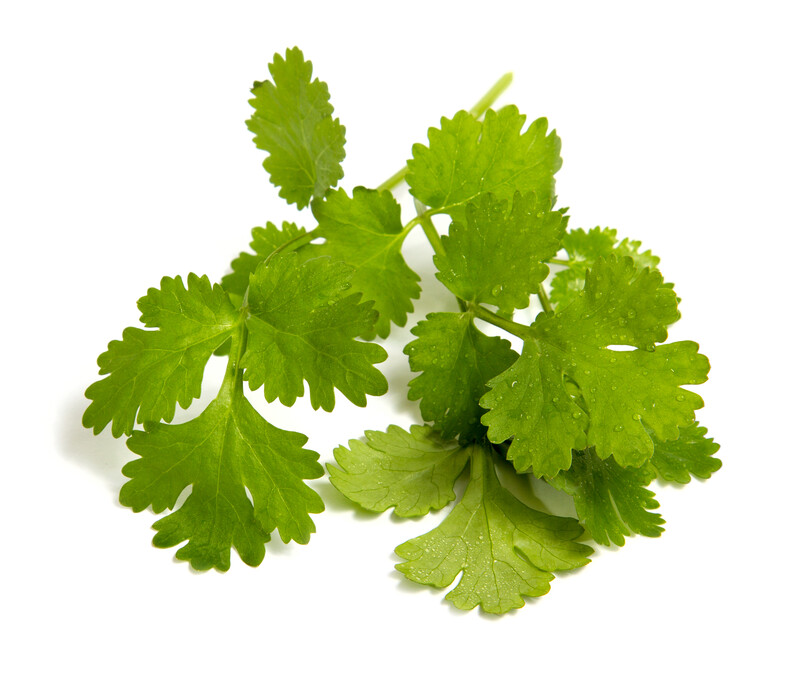
For all its uses, it remains misunderstood by many. Some associate it with humble street food, while others see it as a refined touch in gourmet cuisine. It has been praised in Ayurvedic medicine for its healing properties, studied by Western scientists for its detoxifying effects, and endlessly debated at dinner tables around the world. Cilantro, with its distinct flavor, divides opinions—fresh and citrusy to some, overwhelmingly soapy to others, a reaction dictated by genetics. Yet, despite the controversy, it continues to thrive in cultures across the globe, enhancing meals, supporting digestion, and purifying the body. A staple in kitchens from Mexico to India, a remedy in holistic medicine, and a topic of scientific curiosity, this humble herb holds a history as rich as its flavor.

And now you know the rest of the story.

The Spice of Wellness and the Rest of the Story

In the bustling markets of ancient China, healers and herbalists sought remedies for ailments both great and small. They turned to roots, leaves, and seeds, blending them into tonics and teas. Among these was a particular seed, small but powerful, valued for its ability to ease digestion and bring balance to the body. By the 5th century, it had become a staple in Chinese medicine, known for its ability to cool the body and calm the mind.

Far to the west, in the heart of the Mediterranean, Greek physicians took notice. Hippocrates, the father of modern medicine, praised the seed for its medicinal properties. He saw it as more than just a spice—it was a remedy, a healer. To the Greeks, it was a symbol of good health, used to treat ailments ranging from digestive troubles to nervous tension. And so, it made its way into their diets and their medicines.

By the time the Romans rose to power, the seed had cemented its place in history. Pliny the Elder, the great Roman naturalist, wrote of its effectiveness, describing how it was used to aid digestion and purify the body. Roman soldiers carried it with them on long campaigns, believing it kept their stomachs strong and their minds sharp. It was scattered on tables, mixed into broths, and even blended into wine.

In India, Ayurvedic practitioners had long embraced the seed’s power. They believed it brought warmth to the body, aided circulation, and supported overall well-being. It was used in massages, teas, and restorative tonics. Even today, in the practice of Ayurveda, this seed is seen as a key to balance, promoting digestion and relaxation through ancient traditions that have stood the test of time.

By the 19th century, science had begun to catch up with tradition. Chemists discovered that the seed contained phthalides, compounds that supported digestion and helped maintain a sense of calm. Researchers noted its effect on the nervous system and how it could contribute to an uplifted mindset. Doctors began recommending it as a natural remedy, and its essential oil gained recognition in holistic healing.

One of those fascinated by its benefits was Dr. John Christopher, a renowned herbalist who studied plants and their effects on human health. He incorporated the seed’s oil into his practice, using it to help with digestive concerns and to encourage relaxation. His work helped bring herbal medicine into the modern age, emphasizing the value of plant-based healing.

But the seed’s influence didn’t stop at digestion. Scientists exploring its oil found that when diffused, it could promote a positive, uplifting atmosphere. Aromatherapists began blending it with other essential oils to create calming, soothing scents, ideal for relieving tension and supporting restful sleep.

Even in modern spas, its oil is recognized for its ability to promote relaxation. When added to warm bath water with Epsom salt, it creates a calming soak, easing both the body and the mind. Whether used in baths, diffusers, or herbal remedies, its effects are undeniable—it has been a quiet companion to wellness for centuries.

And now, with all the clues before you—the ancient markets, the wisdom of Hippocrates, the soldiers of Rome, and the healers of Ayurveda—you might think we’re talking about fennel or anise. But no, the timeless remedy of this story is celery seed. With its distinct aroma, digestive benefits, and calming properties, it has been a trusted remedy for generations.

And now you know the rest of the story.

Secrets of the Silent Giant and the Rest of the Story

High in the mist-covered mountains of Lebanon, King Solomon’s builders labored. They sought wood that would withstand centuries, wood that was resistant to decay and filled the air with an unmistakable aroma. They chose carefully, for this wood would line the halls of the most magnificent temple ever built. It was a tree known for its strength, durability, and fragrance—a tree that had already been revered for generations.

Far to the south, the priests of Egypt knew of this tree as well. It was not merely prized for its timber but for something more—the oil that could be extracted from its heartwood. The Egyptians used this oil to embalm their dead, believing it would preserve not just the body, but the soul. The tombs of Pharaohs bore the scent long after their earthly kings had turned to dust.

Centuries later, the Roman scholar Pliny the Elder wrote of its properties. He documented its resistance to rot and insects, its deep, grounding fragrance, and the way its oil was used to anoint sacred objects. The Romans burned shavings of its wood in temples, letting the aroma drift skyward with their prayers.

In the American colonies, settlers recognized the same properties. They lined their closets with this wood, filling storage chests with its shavings. Why? Because its scent repelled moths and insects, protecting precious linens and heirlooms for generations. Even today, small blocks of this wood are placed in closets for the same reason.

By the 20th century, chemists began to examine the oil more closely. Among them was René-Maurice Gattefossé, the French scientist who pioneered aromatherapy. He recognized this oil’s ability to promote relaxation and soothe the mind. Blended into massage oils or diffused into the air, it provided a sense of calm after a long, weary day.

Meanwhile, outdoorsmen took note of another quality. Hikers and campers began using the oil as a natural insect repellent. A drop on a cotton ball, tucked into a tent or sleeping bag, kept unwanted pests at bay. It was yet another way this tree protected those who sought its benefits.

Modern dermatologists discovered its skincare potential. With astringent properties, it became a trusted ingredient in facial treatments, helping with oily skin. Those who suffered from occasional skin irritation found that just a few drops blended into lotions or carrier oils could provide relief.

And in households around the world, its scent filled the air—not just in wooden furniture, but in diffusers, candles, and soaps. It became a staple in spas, helping people unwind from the pressures of daily life. It was the quiet companion of relaxation, as it had been for thousands of years.

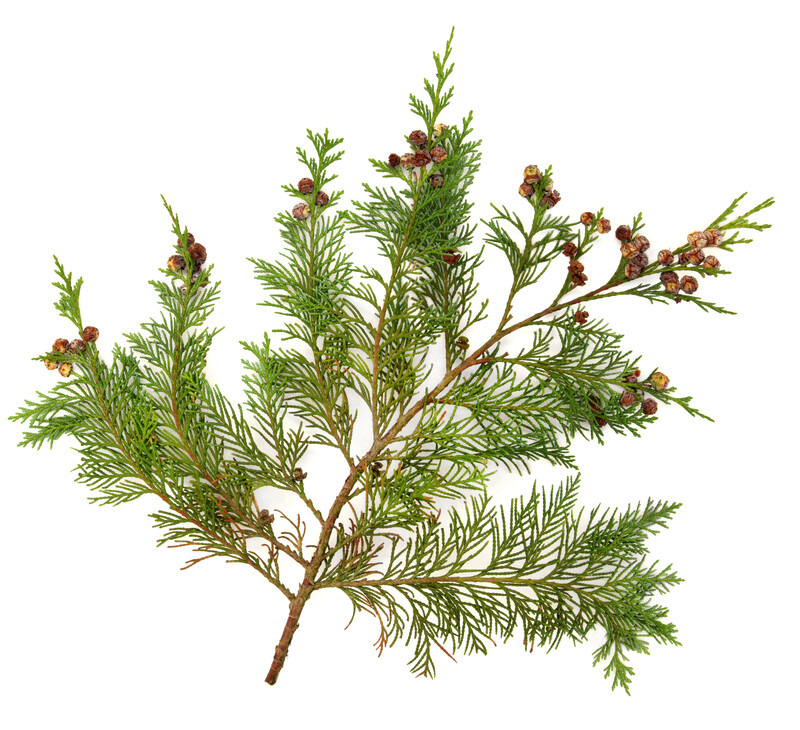
And now, with all the clues before you—the ancient temples, the chests lined with fragrant wood—you might think we’re talking about sandalwood or pine. But no, the unsung hero of this story is Cedarwood. With its grounding aroma and remarkable benefits, it has touched lives for centuries.

And now you know the rest of the story.

Clues of a Spicy Secret

It was a cold winter evening in the late 18th century when a young French chemist named Antoine Baumé began experimenting with the oils of an exotic spice. His research, focused on its strong, spicy aroma, revealed that just a small amount of this oil could transform ordinary remedies into something extraordinary. What made this discovery remarkable was how it seemed to heighten the senses, soothe discomfort, and even energize the weary. But Baumé, a man of few words, left his notes mysteriously vague, leaving the spice’s legacy to drift into obscurity—for a while.

Centuries earlier, in ancient Egypt, Pharaohs demanded that this spice be included in their burial rites. Its aroma, earthy yet sweet, filled the air during rituals, symbolizing both purification and preservation. Priests burned it in temple offerings, believing its scent could carry prayers to the heavens. While frankincense and myrrh often stole the spotlight, this spice stood silently in the background, a humble hero in the halls of Egyptian mysticism.

In the Bible, this spice was mentioned multiple times as a symbol of wealth, sacredness, and divine favor. Moses used it in the anointing oil for the Tabernacle, mixing it with other spices to create a fragrance both holy and unforgettable. The book of Proverbs spoke of its value, and it became synonymous with wisdom and health. Over time, merchants from the East carried it to Europe, where kings and queens clamored for its warmth and richness.

Fast forward to the 15th century, and Christopher Columbus encountered a mystery spice in the New World. Though it was not the spice he sought—cinnamon—it bore a striking resemblance in both flavor and aroma. He brought it back to Spain, where it quickly became a favorite in kitchens, adding depth to savory and sweet dishes alike. Explorers and traders were enchanted by its versatility, yet its true origin remained a closely guarded secret.

In 1819, English herbalist Nicholas Culpeper wrote of the spice’s remarkable medicinal properties. According to Culpeper, its oil could soothe indigestion, relieve chills, and fortify the immune system against seasonal threats. He recommended mixing it with water or wine for digestive relief or combining it with honey to calm a sore throat. While cinnamon was the darling of herbal medicine, this spice became its quieter but equally powerful cousin.

In kitchens across Europe and Asia, bakers discovered that just a drop or two of this spice could elevate pies, breads, and desserts to new heights. It offered a richer, deeper flavor than cinnamon, with a hint of fiery sweetness that lingered long after the last bite. It wasn’t just for food, though. Blended with clove and ginger, its oil became a staple in wintertime rituals, warming homes and hearts alike.

By the 20th century, essential oil practitioners rediscovered this ancient treasure. Aromatherapists praised its ability to boost the immune system and calm the mind. Fitness enthusiasts began using it in water to ward off hunger cravings, while others added it to their wellness routines for digestive support. Its strong, spicy scent became a favorite in fall and winter diffuser blends, evoking feelings of warmth, comfort, and nostalgia.

But what made this spice truly unique was its resilience. Growing wild in the forests of Southeast Asia, the plant thrived in conditions where few others could survive. Its hardy bark and leaves were as unyielding as its aroma was inviting. For centuries, its strength and vitality inspired those who used it, whether for cooking, healing, or spiritual practices.

And now, with all the clues before you—the sacred oils of ancient Egypt, the fiery warmth of fall recipes, the misunderstood spice sought by explorers—you might think we’re talking about cinnamon. But we’re not.

The unsung hero of this tale is Cassia. A close relative to cinnamon, Cassia’s bold, spicy oil has traveled through history, quietly transforming lives with its warmth and strength. And now, as Paul Harvey would say, you know the rest of the story.

Secrets of a Tiny Seed

In the small German village of Aalen, nestled near the River Kocher, Johann Becker spent his days crafting rye bread infused with a peculiar spice. Johann wasn’t a famous baker, not yet, but his bread was different—it lingered on the tongue and settled the stomach. This wasn’t just any spice; it had been cherished for generations, from the markets of the Middle Ages to the dining tables of Europe.

Centuries earlier, in the Roman Empire, this seed was already a staple. The Roman naturalist Pliny the Elder wrote about its digestive benefits, describing how it was commonly added to bread and stews. The Romans also believed that this spice had protective qualities—some even carried it as a charm against misfortune. It was a fixture in their cuisine, medicine, and rituals, spreading across the empire as trade routes flourished.

In the 12th century, Hildegard von Bingen, the famed German abbess and healer, praised this tiny seed for its ability to soothe the stomach. She documented its use in treating digestive discomfort and called it a “gift of the earth.” Hildegard’s herbal remedies spread across medieval Europe, and her influence ensured that this seed remained a trusted remedy for centuries to come.

By the Elizabethan era, this spice had firmly established itself in England. Bakers added it to cakes and breads, and it was a common ingredient in festive dishes. A curious superstition arose: it was believed that anything containing this seed could not be stolen. Some even placed it in cabinets or carried it in small pouches as a safeguard. While the origins of this belief remain unclear, it persisted for generations.

In the 19th century, Dr. John Kellogg, a pioneer in health and wellness, experimented with the oil derived from this seed. At his Battle Creek Sanitarium, he advocated for its use in promoting digestion and oral health. Kellogg’s interest in natural remedies helped popularize essential oils in the medical community, reinforcing the long-standing belief that this seed was more than just a spice—it was a healer.

Meanwhile, in kitchens across the world, chefs continued to rely on its warm, peppery flavor. Eastern European and Middle Eastern bakers incorporated it into traditional breads, while French and German cooks used it in sausages and stews. This seed had an unmistakable aroma—one that deepened with heat, adding complexity to any dish it touched.

As the field of aromatherapy developed, scientists discovered that the seed contained carvone, a compound responsible for its distinct scent and therapeutic properties. Studies confirmed what ancient healers had long suspected—it aided digestion, freshened breath, and provided a sense of grounding and warmth. Its oil found its way into massage blends, mouth rinses, and even skincare routines.

Dentists and naturopaths recommended it for oral care, while herbalists blended it with other essential oils for relaxation and focus. It became a key ingredient in herbal teas, digestive aids, and natural remedies. In modern spas, its essential oil was combined with lavender to create soothing soaks, continuing the tradition of using this seed for both wellness and relaxation.

And now, with all the clues before you—the ancient kitchens, the writings of Pliny, the healing wisdom of Hildegard von Bingen, the science of carvone—you might think we’re talking about cumin or fennel. But no, the unsung hero of this story is caraway. With its zesty flavor, digestive benefits, and timeless aroma, it has touched lives for centuries.

And now you know the rest of the story.

The Indigo Secret

In the early 1940s, World War II was raging, and the people of England were bracing themselves for the worst. Amid the chaos and fear, one young woman named Marguerite Maury was quietly working in her small Parisian laboratory, surrounded not by weapons or blueprints for war but by plants—hundreds of them. Marguerite was a biochemist and an avid believer in the power of natural remedies. But her fascination wasn’t merely scientific—it was personal. She had suffered from chronic illness as a child and found solace in the aromatic compounds of flowers and herbs.

Marguerite’s life took a turn when she came across the work of René-Maurice Gattefossé, a French chemist whose accidental discovery of lavender’s healing properties changed the course of modern aromatherapy. Gattefossé had burned his hand during an experiment and instinctively plunged it into a container of lavender oil. To his astonishment, the burn healed quickly, with little scarring. Inspired, Marguerite began to explore the healing potential of other plants, diving deeper into the study of essential oils.

Her research led her to a plant that, at first glance, seemed utterly unremarkable. It grew wild in the sun-soaked fields of Morocco, its yellow blossoms swaying gently in the Mediterranean breeze. Local farmers harvested it for its traditional uses, but Marguerite suspected the plant was capable of far more. She obtained a small sample of its oil and began her experiments. What she discovered would change her life—and the lives of countless others.

The oil was unlike anything Marguerite had ever encountered. Its color was a striking indigo blue, almost otherworldly. Marguerite learned that this unique hue came from a compound called chamazulene, which was only formed during the distillation process. But it wasn’t just the color that intrigued her—it was the oil’s effects. It seemed to calm irritated skin, ease tension, and lift the spirits in ways she had never seen before.

Marguerite decided to test the oil on herself. At the time, she was battling stress and fatigue from long days in her lab. She placed a single drop in a bowl of steaming water, inhaling deeply. The rich, herbaceous aroma filled her senses, and almost immediately, she felt a sense of calm and focus. Over the next few months, she shared the oil with friends and colleagues, documenting its effects on everything from blemishes to sore muscles.

Her breakthrough came when she presented her findings to a group of biochemists in Paris. They were skeptical at first, dismissing her work as nothing more than folk medicine. But Marguerite was undeterred. She had seen the results firsthand—she knew the oil was a gift, not just for healing the body but for restoring the soul. Eventually, her persistence paid off, and the scientific community began to take notice.

By the 1950s, Marguerite Maury had become a pioneer in aromatherapy, and her work with this mysterious blue oil had earned her international recognition. She introduced the concept of using essential oils not just for their physical benefits but for their emotional and psychological effects—a radical idea at the time. Her discoveries paved the way for modern holistic medicine, changing how people viewed the connection between plants and healing.

And the plant that started it all? The humble blue tansy, also known as Moroccan tansy. Today, it’s cherished for its skin-soothing properties, its ability to uplift the mood, and its role in Marguerite Maury’s groundbreaking legacy.

And now you know the rest of the story.

Natures Hidden Treasure

In the quiet fields and rolling meadows of Europe, a delicate herb has flourished for centuries, its lacy white flowers and tiny purple centers a subtle adornment to the landscape. Known for its unassuming presence, this plant was often overshadowed by flashier flora, relegated to the background despite its longstanding use in rural traditions. However, hidden within its tiny seeds lay a secret waiting to be uncovered—one that would astonish even the most seasoned researchers.

This herb’s journey from obscurity began when early herbalists noted its deep taproot and admired its potential to soothe various ailments. Though its value was acknowledged in folk medicine, it remained largely ignored by the scientific community until renowned botanist Dr. Lila Anderson took notice. Driven by a passion for discovering the overlooked, Dr. Anderson dedicated her studies to the seed of this humble plant, uncovering extraordinary properties that would transform its legacy.

Dr. Anderson’s meticulous research revealed that the seed’s oil contained a wealth of beneficial compounds. Rich in carotene and vitamin A, it proved to be a powerful ally for supporting healthy skin, gums, teeth, and even eyesight. The oil’s ability to assist in cleansing the liver and its calming effects on sensitive areas sparked new interest in natural health solutions, bringing long-overdue attention to this once-forgotten herb.

What truly set the oil apart was its versatility. A few drops blended into skincare products could reduce the appearance of wrinkles, while its inclusion in smoothies and water provided internal wellness support. It also became a natural remedy for soothing sunburned skin and was praised for its ability to support eye health. As more people embraced its benefits, this extract became a celebrated tool in the quest for natural well-being.

This journey from humble origins to prominence demonstrates the transformative power of curiosity and research. By unlocking the secrets of this tiny seed, Dr. Anderson shone a light on a treasure hidden in plain sight—a gift from nature that bridges the gap between traditional wisdom and modern science.

The simple, wild carrot and its tiny, unassuming seeds hold the magic of carrot seed essential oil, a testament to the wonders of nature and the discoveries they inspire. Its story reminds us that even the most modest elements of the natural world can have profound impacts when given the attention they deserve. What was once overlooked in the fields of Europe has now become a celebrated gift, providing solutions for health and wellness in ways that transcend time and tradition.

And now you know the rest of the story.

The Spice of Life

Long ago, deep in the tropical forests of southern India, there thrived a plant shrouded in mystery. Its tall, slender stems reached skyward, while its seeds lay hidden within small, green pods. To those who cultivated it, this plant was a treasure, not just for its unique taste but for its remarkable ability to heal and uplift. For centuries, it was used in rituals and remedies, cherished as both a culinary delight and a soothing balm.

The seeds were painstakingly harvested by hand, dried under the sun, and carried across ancient trade routes. They reached the hands of kings and emperors, their value rivaling that of gold. Traders guarded its secrets fiercely, knowing its essence would fetch the highest prices in the spice markets of Europe and Asia. In every corner of the world, this fragrant seed found its place—infused into teas, ground into powders, and distilled into potent oils.

Legends grew around its powers. Ancient physicians praised it for its ability to calm an upset stomach, soothe nausea, and invigorate the senses. It became a favorite of royalty; Cleopatra herself is said to have used its scent to enchant her guests. The seed’s uses expanded as knowledge traveled, blending into the culinary traditions of countless cultures and the healing practices of generations.

Over time, its cultivation expanded beyond its native India. Farmers in the rainforests of South America began to grow the plant, taking advantage of the warm, humid climate to nurture its delicate pods. This new chapter in its journey spread its reach even further, making its fragrant seeds more accessible to people across the world. Each new region added its own traditions to the plant’s legacy, embedding it deeper into the cultural fabric of humanity.

Today, modern science continues to validate what ancient healers knew. Its oil, extracted through steam distillation, is celebrated for its digestive benefits, its ability to clear the mind, and its aromatic richness. It remains a cornerstone in kitchens and apothecaries alike, revered for its versatility and purity.

And now, cardamom, the unassuming seed from the forests of India and the rainforests of South America, lives on as a timeless treasure. From enhancing the flavors of bread and stews to promoting clear breathing with a diffuser’s gentle mist, it serves as both a culinary marvel and a source of well-being. Its journey through history, carried by the hands of explorers and traders, has secured its place in homes across the globe. A gift of nature, cardamom continues to connect us to the past while enriching our present, offering its fragrant magic to generations yet to come.

The Seeds of Timeless Wisdom

Long ago, in lands where mountains kissed the sky and the desert stretched far and wide, humanity found treasures hidden in plain sight. They were not gold or jewels but plants—humble, unassuming, yet brimming with secrets that whispered through the ages. One of these plants would change the way people saw healing, nourishment, and even trust. But before we get to that, let’s start with the foundation of its legacy.

The earliest healers didn’t wear lab coats or work in sterile clinics. They were farmers, shepherds, and midwives who turned to the earth’s bounty for answers. Oils pressed from leaves, roots, and seeds became their medicine. A mere drop could soothe pain or sweeten a sour stomach. These ancient remedies, passed through generations, became the foundation of modern wellness. Yet, even with all our advancements, some secrets from the past remain indispensable.

For centuries, the carrot family has been a source of health and nourishment. From its roots came earthy sustenance, and from its seeds, oils that calmed and healed. Plants like cumin and fennel have become kitchen staples, their aromatic seeds flavoring dishes and aiding digestion. These seeds, steeped in history, whisper their benefits into every bite. But there was one cousin in this family, small and quiet, that rose to fame in ways no one could predict.

This tiny hero carried its aroma into the stories of many cultures. Bread baked with its seeds graced ancient tables, offering sustenance and solace. Tales from long-forgotten kitchens spoke of this seed’s power to soothe a worried mind and ease a troubled gut. Meanwhile, in distant lands, the same seeds became symbols of loyalty, ensuring that belongings laced with their scent remained unstealable. Such is the legacy of these simple yet profound seeds.

And so we arrive at caraway seed. Native to Asia but beloved worldwide, it has stood the test of time as both a healer and protector. Its essential oil, extracted from the seed, has amazing benefits. A soothing abdominal massage with caraway seed oil calms discomfort; a single drop in a daily rinse refreshes the breath and supports oral health. Blend it with lavender in a bath, and you’ll find peace in its calming embrace. In biblical times, caraway seed even found its way into bread, a testament to its enduring value.

Now, whenever you see that tiny seed, remember its journey—from ancient remedies to modern wellness. It’s more than a spice; it’s a bridge between the wisdom of the past and the promise of the future. And now you know… the rest of the story.

The Green Jewel of the Spice Trade

For centuries, the world has sought remedies to soothe life’s little discomforts, often turning to the Earth itself for solutions. Across continents and cultures, one particular spice found its place in the kitchens and apothecaries of ancient civilizations. A whisper of this ingredient’s magic could be found in the tales of traders who carried it from one bustling market to another, exchanging more than goods—they exchanged hope.

It began as a secret, growing wild in the humid rainforests of a distant land. Those who lived nearby believed in its remarkable properties: a balm for uneasy stomachs, a tonic for clear breaths, and even a cure for venomous bites. The truth about its worth, however, couldn’t be contained for long. Like a fine thread in a tapestry, this spice wove its way into the daily lives of those who discovered it, adding flavor to their meals and clarity to their minds.

The spice’s fame spread, carried by determined traders who ventured through jungles and over oceans. Arab merchants, keen-eyed and quick-witted, brought it into global commerce, ensuring its presence in the most elegant kitchens and revered medicine chests. By the time Portuguese explorers landed on its shores, its trade routes had already been established, leading back to the verdant hills of southern India, where it thrived in its natural, untamed glory.

In time, it became an empire within an empire. Kerala dominated its trade, its harvests meticulously overseen by rulers who recognized its value. Yet, as history often unfolds, colonial hands sought to control it, transplanting its cultivation to other lands. By the 20th century, a new contender emerged, far from its native soil. In the mountains of Guatemala, farmers began planting it as a secondary crop alongside coffee. Before long, it dethroned coffee as the most valuable agricultural export in the region.

Today, this remarkable spice is known not only for its culinary prowess but also for its ability to calm indigestion, promote clear breathing, and even brighten one’s mental clarity. A single drop of its oil can transform a dish, while its aroma fills rooms with a sense of warmth and comfort. Its versatility in food, medicine, and trade is a testament to its enduring legacy. And now you know the rest of the story—about the little green pod that started it all: Cardamom.