Category Archives: Essential Oil Information

Cassia-Did You Know?

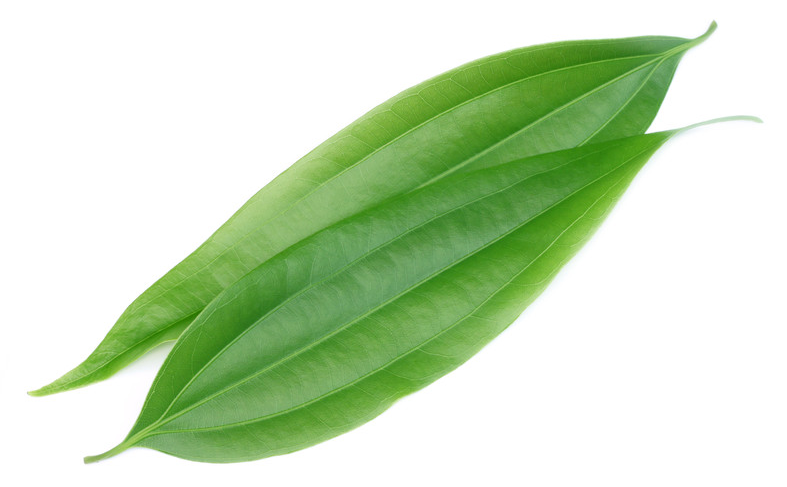
Cassia-Did You KnowDid you you know Cassia is the oil of self assurance? Cassia brings pleased delight, and the ability to do things that might frighten you. It is a delightful remedy for those that show nervousness or have a lack of courage. Cassia helps people with a feeling of doubt or disbelief by replacing these feelings with self assurance. Cassia helps people in self discovery of their authentic self.

Cassia is mentioned three times directly in the Bible, and mentioned over 65 times indirectly. It is a fragrant, aromatic bark and was probably used in a powdered form, and as one of the perfumes at funerals. Cassia, like cinnamon, was used by the Romans. Cassia was recorded in one of the oldest known medical records. It was in the Ebers papyrus an ancient book that contains over 800 recipes.

Cassia is a close relative to Cinnamon, has a strong, spicy aroma that can be used in small quantities to transform any essential oil blend. Cassia has been used for thousands of years to maintain physical health and promote emotional well-being. Cassia has an unmistakable fragrance and calming properties.

Cassia is a “warming” oil that helps promote circulation while maintaining healthy immune function. It can also aid in digestion, lessen nausea, and is a great oil to diffuse during cold months due to its warming properties and spicy scent.

Due to its caustic nature, Cassia should be diluted with Fractionated Coconut Oil when applied to the skin and can be very strong when inhaled directly. When diluted, Cassia can help soothe sore, achy joints. Cassia can be used in cooking either as a replacement for Cinnamon in pies and breads, or by itself in many different entrees and desserts.

Carrot Seed-Did You Know?

Carrot Seed
Did you know that carrot seeds were at one point thought to be a contraceptive? There are many records in history, including Hippocrates, that the seeds were used for birth control. Carrot seed oil is perhaps one of the most under appreciated essential oils. It has been studied for it’s antiseptic, carminative, depurative, diuretic, emmenagogue, and vermifuge properties.

Carrot seed oil has well known health benefits. It nourishes, and tightens skin, helps stimulate an appetite, treats ulcers, improves liver and gall bladder issues and Stimulates the lymph system. Carrot seed oil also helps women with breast milk production after childbirth. It eases hiccups, colic, flatulence, and treats kidney stones and jaundice

Carrot seed oil is said to contain a high SPF factor when diluted with a carrier oil. According to a study published in “Pharmacognosy Magazine” in 2009, products containing carrot seed oil have a natural SPF of between 38 and 40. Determining the exact SPF factor of an oil is difficult, especially given that natural oils oxidize which means they lose some of their medicinal properties.

Angelica-Did You Know?

Angelica The PlantDid you know Angelica is the oil of spiritual opening. Angelica essential oil acts as a spiritual guide. It opens the soul to spirituality by giving support to everyone that is on a path with their True Self, and with their higher power. Angelica assists in healing a wide range of spiritual issues such as lack of faith, feeling spiritually manipulated, or controlled by others, or feeling cut off from Divine love. It encourages a willingness to open the mind, and see spirituality in a new light.

According to one European legend, Angelica was shown in a dream by an angel to cure the plague. This is the reason this plant was named Angelica. All parts of the plant were believed to be effective against evil spirits and witchcraft. It was held in such high regard that it was called ’The Root of the Holy Ghost.’

Angelica is used a lot in the world of herbal medicine. It is useful in the treatment of fevers, colds, coughs, flatulent colic, and other stomach disorders. Externally it is used as a medicinal gargle for sore throats, and mouths and as a medicinal poultice for broken bones, swellings, itching, and rheumatism. It has been studied for antibacterial properties which help to prevent the growth of various bacteria. Angelica should not be taken in large quantities by pregnant women.

Blue Tansy-Did You Know?

Blue TansyDid you know Blue Tansy is the oil of Inspired Action? Blue Tansy helps those that try to prevent action on what they know to be true. Instead of listening to their conscience they are indecisive and postpone action. Their will becomes paralyzed as they refuse to listen to their inner voice for guidance. Blue Tansy invites people to show their inspiration through action.

The Charlemagne and the Benedictine monks of St. Gall are just a few people of interest who have grown and harvested Blue Tansy for its valuable wellness-promoting properties. The ancient Greeks cultivated Blue Tansy for a variety of wellness practices, as well. The Irish have a history of using Blue Tansy to help with joint discomfort, and would combine it with salts in fragrant, calming hot baths.

Blue Tansy is best used for allergy relief, sore muscles and skin care. It also stimulates the thymus gland so it can help with stimulating your immune system. Blue Tansy has similar properties to the Chamomiles, it has sometimes been called “Blue Chamomile” but that is not correct. Always check the botanical name. Blue Tansy Is good to use for rashes, eczema, and dry skin.

Because Blue Tansy is so strong, use carefully.This oil is a very peaceful oil, works very well for skin care. While the azulene is what makes the oil blue, it also is known for skin care properties. Since it is blue in color, be aware it will change the color of any recipes you put together. Especially if you put it in white or cream colored lotions.

Blue Tansy is generally non-irritating and non-toxic. Nonetheless, the preferred way to use is external. It seems to display its strongest effects if its maximum concentration in a blend does not exceed 5%. Avoid use during pregnancy.

Palmarosa-Did You Know?

Palmarosa
Did you know Palmarosa is The Oil of Growth and Maturity? Palmarosa can help people to grow and develop physically as well as emotionally. Just like the fast growing Palmarosa grass, this oil can speed up a persons emotional growth process. It is extremely helpful for children as well as adults that are trapped emotionally at a younger age developmentally.

Palmarosa is a wild growing, green and straw-colored grass, with long slender stems, terminal flowering tops and fragrant grassy leaves. It has been traditionally used in India and West Africa to flavor foods and cure meats. People have also used it for decades to make cosmetics, soaps, and perfumes. It has been used for centuries to dilute the more expensive Rose oil. It has a delightful, rosy scent with a hint of lemon, wintergreen and maple leaf.

Palmarosa oil moisturizes the skin and regenerates cells as well as enhances anti-aging functions. It is also antibacterial and aids in digestion of food. In addition, it calms the nerves, treats colds and flu, removes scars, relieves muscle pains and strains, and treats cuts and wounds by preventing infection.

Palmarosa oil has a strong scent, so use sparingly. Calms emotions,warming to the body, and helps relax tight muscles. Lessens pain, and could be useful for treatment for anorexia nervosa. It helps when treating a sluggish appetite. Palmarosa oil brings inner peace, balancing, and is refreshing, and soothing. Is great for skin care, and is safe for all skin types and great for moisturizing the skin and hair.

Palmarosa oil can be used in carrier oil for massages, and to treat fungal infections topically. It can be used to treat wounds topically without dilution. It can be used in aromatherapy to help with anxiety and fatigue. For another alternative, it can be inhaled to kill intestinal infections. Pregnant women should first seek expert advice before use.

Essential Oils Studied For Antimicrobial Properties

Studied for Antimicrobial Properties

Antimicrobial is an agent that resists or destroys pathogenic microorganisms. The Invasion and multiplication of pathogenic microorganisms in the body is called an infection. When we are infected by pathogens we become sick, which means that our bodies stop functioning properly.

Arborvitae Essential Oil

Arborvitae essential oil has a high content of tropolones, a group of chemical compounds that protect against environmental and seasonal threats, have powerful purifying properties, and promote healthy cell function.
Learn More

Cardamom Essential Oil
Cardamom is commonly used to help reduce indigestion and nausea, and to soothe stomach discomfort and promote digestion. Its distinct scent can lessen motion sickness while promoting a positive mood.
Learn More

Cassia Essential Oil
When diluted, Cassia can help soothe sore, achy joints. Cassia can be used in cooking either as a replacement for Cinnamon in pies and breads, or by itself in many different entrees and desserts.
Learn More


Cinnamon Essential Oil
Cinnamon is strong, so be sure to dilute it (3 drops of carrier oil to 1 drop of cinnamon), but you can cook, bake, or even make candy with it too.

Learn More

Fennel Essential Oil
Fennel is best known for its distinct licorice aroma and taste, yet its ability to ease digestive troubles and monthly menstrual cycles are equally noteworthy.
Learn More


Frankincense Essential Oil

Frankincense promotes a healthy inflammatory response and acts as an overall tonic to the body’s systems, helping them function optimally. When inhaled or diffused, Frankincense induces feelings of peace, relaxation, satisfaction, and overall wellness.
Learn More


Helichrysum Essential Oil

Helichrysum is highly valued and sought after for its many health benefits. It’s frequently consumed to help detoxify the body. Also referred to as Everlasting or Immortal Flower.

Learn More


Lavender Essential Oil

Inhaling Lavender promotes relaxation and a restful night’s sleep, making it an ideal oil to diffuse at bedtime and when stress levels are high.
Learn More


Lemon Essential Oil

Lemon has multiple benefits and uses. Lemon is a powerful cleansing agent that purifies the air, disinfects surfaces, and can be used as a non-toxic cleaner throughout the home.

Learn More

Lemongrass Essential Oil 

This oil supports healthy digestion, and soothes aching muscles. Lemongrass purifies and tones skin, and acts as an overall tonic to the body’s systems.
Learn More


Melissa (Lemon Balm) Essential Oil

Melissa is also great for your skin or over the reflex areas for the area of concern. You can also add a drop to your tea,
Learn More


Myrrh Essential Oil

Myrrh is valued as an expectorant, which means it promotes the expulsion of mucus in cases of bronchitis and lung congestion. Myrrh is best for chronic conditions, because it contains tannins and resins, it has an astringent effect on tissues.
Learn More


Patchouli Essential Oil

Patchouli is regularly used in the perfume industry as well as in scented products. The fragrance of Patchouli provides a grounding, balancing effect on emotions.
Learn More


Peppermint Essential Oil

Peppermint is very pleasing to the taste buds (you can add the oil to tea or water), but is powerfully soothing to the digestive system. You can usually apply it without diluting, inhale for nausea, or take internally as suggested.

Learn More


Thyme Essential Oil
Thyme makes a great defense against many concerns, although it should always be diluted (4 drops carrier oil to 1 drop thyme). You can also cook with it.
Learn More
Myrtle-Did You Know?


MyrtleDid you know Myrtle is the oil of adaptability? Myrtle instills the soul with qualities helping you to adjust to new conditions, capable of being flexible, and recovering quickly from difficult conditions. Myrtle helps brings joy to the heart allowing things to flow naturally. It is helpful during difficult and challenging times.

The Ancient Egyptians knew of the therapeutic properties of myrtle, macerating the leaves in wine to counter fever and infection. The best and most fragrant myrtle trees came from Egypt. In Biblical times, Jewish women wore garlands of myrtle on their heads on their wedding day as a symbol of love, and to bring them happiness. In 1876, Dr Delioux de Savignac advocated the use of myrtle for bronchial infections, for problems of the urinary and reproductive system, and for hemorrhoids.

A study shows that myrtle oil kills Salmonella on fresh fruits and vegetables. Scientists intentionally inoculated fresh tomatoes, and iceberg lettuce with a strain of Salmonella. Then they used a cleaning solution that had a dilution rate of 1 to 1000 containing myrtle leaf oil to test if it would kill the bacteria. The results suggest that the use of myrtle can be an effective alternative to the use of chlorine or other disinfectants on fruits and vegetables.

Myrtle lowers blood sugar and has been traditionally used in Iran for the treatment of Malaria. It is also known for its ability to repel mosquitoes, and kills fungus, and mold. In some cultures myrtle is used to heal mouth ulcers, warts, and acne.

My Personal Shingles Story

ShinglesSeveral years ago I started getting very painful burn like boils on the back of my neck and chest. It was a strange feeling starting deep in the tissues of my skin with itching. Then feeling like several dozen bees stinging me all at once the closer to the surface of my skin it appeared. Needless to say the sores were painful and very red.

I went to a doctor to see what was going on. He explained to me that I had shingles, a viral infection, caused by the same virus that causes chickenpox. He also explained after a person has had chickenpox the virus lies dormant in the nervous system. Years later, that virus can be reactivated by disease, immune deficiency, or stress , and cause shingles.

I was given a prescription without the promise it would heal quickly. When you are told that it could still be several weeks before you are free from shingles, it is very disheartening.

Two years ago a friend told me he had shingles. I said come on over, and I will give you essential oils that will help ease the pain. John was reluctant, but came over anyway. I looked in my Modern Essentials book, and discovered that melaleuca, eucalyptus, lavender, lemon, geranium, and bergamot have been studied to help with shingles. I put five drops of each oil in a roller bottle and then mixed them together with fractionated coconut oil. John rubbed the oil on his shingles from the roller bottle. Four days later John’s suffering with shingles was making a dramatic turn.

I never get tired of hearing stories of how essential oils may help ease the pain, and love seeing first hand the influence of essential oils.