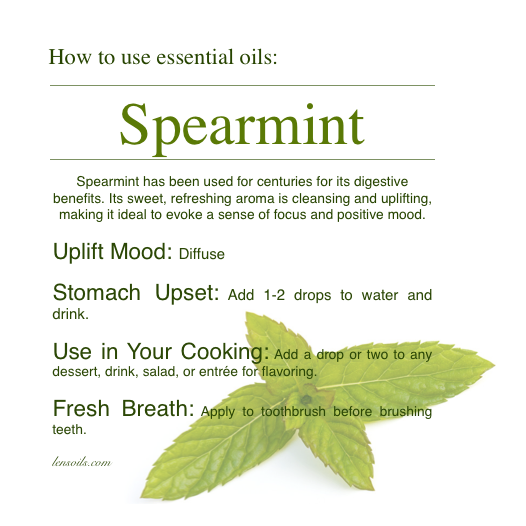
Spearmint is very different from Peppermint, making it a milder option to use on children and those with sensitive skin.
Spearmint is very different from Peppermint, making it a milder option to use on children and those with sensitive skin.
 Did you know sage is the oil of purification? Sage is known for its ability to cleanse energy, and spaces. It also purifies the body, and opens spiritual channels. Sage is a powerful energy cleansing oil. It can send away unwanted or hard to endure energies, and restore harmony, and balance. It plays a role in helping people who have experienced any form of abuse, also feeling a disconnect from their physical body.
Sage (Salvia officinalis) has a herbaceous spicy aroma. The Ancient Greeks and Romans used the leaves of both species as compresses for the treatment of wounds. The oldest reference is a depiction of Salvia fruticosa on a fresco at in Crete, which has been dated at about 1400 BC. The name salvia in fact comes from the latin, salvere, meaning to heal. It has been identified for its ability to strengthen the senses, and vital centers of the body.
Sage was used by herbalists externally to treat sprains, swelling, ulcers, and bleeding. Internally, a tea made from sage leaves has had a long history of use to treat sore throats and coughs; often by gargling. It was also used by herbalists for rheumatism, excessive menstrual bleeding, and to dry up a mother’s milk when nursing was stopped. It is helpful for supporting the respiratory, reproductive, and nervous systems. Sage may help in coping with despair and mental fatigue.
 Did you know Lavender essential oil is the oil of communication? Lavender helps with verbal expression. It calms the uncertain thoughts that are felt when a person exposes their true feelings. Lavender aids in releasing the tension pressure that comes from the fear of self expression. Lavender encourages emotional honesty by encouraging people to speak their most private thoughts, and desires.
The use of lavender has been recorded for more than 2,500 years. Egyptians, Phoenicians and the people of Arabia used lavender as a perfume, and also for mummification, by wrapping the dead in lavender-dipped shrouds. In ancient Greece, lavender was used as a cure for everything from insomnia, and aching backs to insanity.
By Roman times, lavender had already become a prized commodity. Lavender flowers were sold to ancient Romans for 100 denarii per pound, equivalent to a full month’s wage for a farm laborer, and were used to scent the water in Roman baths. In fact, the baths served as the root of the plant’s current name. “Lavender” is derived from the Latin lavare, meaning, “to wash.” Romans also used lavender as a perfume, insect repellent and flavoring.
The use of lavender was highly revered during the Great Plague of London in the 17th century, when individuals fastened bunches of lavender to each wrist to protect themselves from the Black Death. Thieves who made a living stealing from the graves, and the homes of Plague victims concocted a wash known as “Four Thieves Vinegar,” which contained lavender, to cleanse, and protect themselves after a night’s work. Today, we know the disease was transmitted by fleas, so the use of lavender, which is known to repel these insects, could very well have saved lives, and prevented further spread of the plague.
The Shakers, a strict sect of English Quakers, are credited with commercializing lavender and introducing a variety of lavender-based products to the United States and Canada. The Shakers raised their own herbs, produced medicines, and sold them to neighbors and customers outside their religious sect.
Lavender is frequently used to soothe skin irritations and help skin recover quickly. Applying Lavender to the back of the neck, and temples helps reduce muscle tension. Inhaling Lavender promotes relaxation and a restful night’s sleep, making it an ideal oil to diffuse at bedtime and when stress levels are high. Due to Lavender’s versatility and soothing properties, it is considered the must-have oil to have on hand at all times
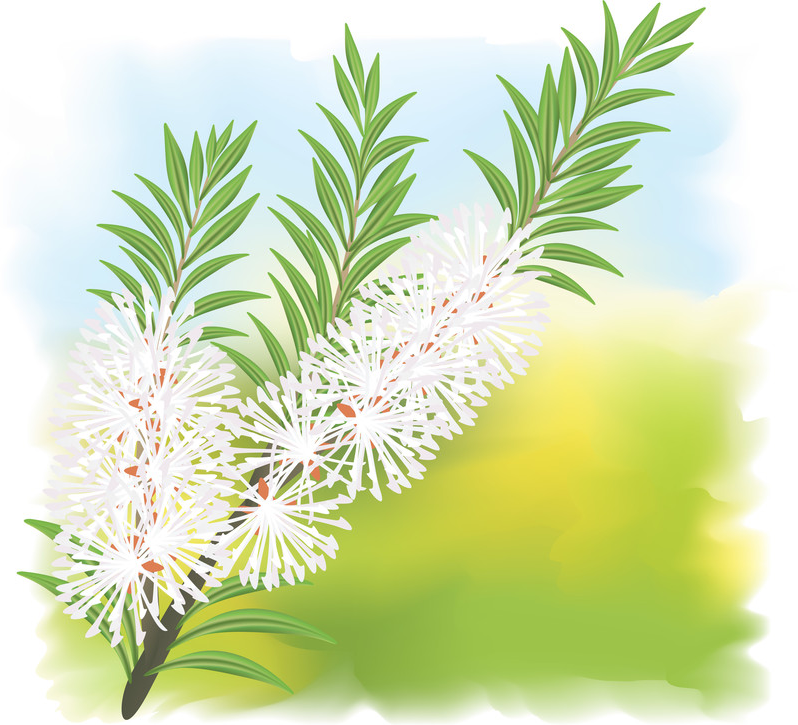 Did you know Melaleuca essential oil has over 92 different compounds and limitless applications? Melaleuca is the oil of energetic boundaries. A natural disinfectant, Melaleuca clears the baggage from the negative energy. It clearly releases codependent and toxic relationships. Melaleuca encourages people to connect with each other in a positive way.
For many centuries, the native Aborigines of Australia used the therapeutic oil of the Melaleuca trees for a wide range of topical and oral applications. They crushed the leaves to use as rubbing mediums and mixed them with clay to form poultices, and even bathed in the water that had collected under the trees. When the white settlers came, they watched and learned how to use the leaves for their own healing purposes.
It was most unfortunate for people in the west that there was no documented evidence of the use of Melaleuca oil. It was to remain confined to Australia, as a bush remedy, for the next 150 years. In 1922, however, an Australian chemist, Arthur Penfold and his team, distilled the oil from the Melaleuca alternifolia, and subsequently published a paper stating that it had a wide-rang of antibacterial and anti-fungal activity.
During the Second World War Melaleuca oil was in such short supply that all the available supplies of oil were used to help stop infections from the unavoidable war wounds, both in soldiers and munitions workers that were helping with the war effort. Soon it was considered necessary that a cheaper, more readily available, alternative should be manufactured to help stop the spread of germs. The once thriving industry went into a steep decline until recently. Over the past few years it has made a huge come back.
Melaleuca is best known for its purifying properties. It can be used to cleanse and purify the skin, nails, and to promote a clear, healthy complexion. Taken internally, Melaleuca enhances immunity when seasonal threats are high, and Melaleuca can be used on surfaces throughout the home to protect against environmental threats. Melaleuca is frequently used on minor skin irritations to soothe the skin, and help it recover quickly. Diffusing Melaleuca will help purify, and freshen the air.
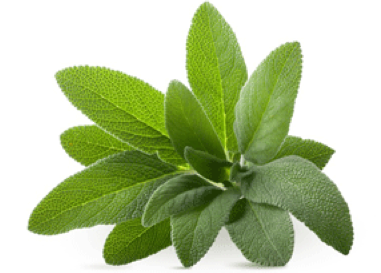 Did you know sage is the oil of purification? Sage is known for its ability to cleanse energy, and spaces. It also purifies the body, and opens spiritual channels. Sage is a powerful energy cleansing oil. It can send away unwanted or hard to endure energies, and restore harmony, and balance. It plays a role in helping people who have experienced any form of abuse, also feeling a disconnect from their physical body.
Sage (Salvia officinalis) has a herbaceous spicy aroma. The Ancient Greeks and Romans used the leaves of both species as compresses for the treatment of wounds. The oldest reference is a depiction of Salvia fruticosa on a fresco in Crete, which has been dated at about 1400 BC. The name salvia in fact comes from the latin, salvere, meaning to heal. It has been identified for its ability to strengthen the senses, and vital centers of the body.
Sage was used by herbalists externally to treat sprains, swelling, ulcers, and bleeding. Internally, a tea made from sage leaves has had a long history of use to treat sore throats and coughs; often by gargling. It was also used by herbalists for rheumatism, excessive menstrual bleeding, and to dry up a mother’s milk when nursing was stopped. It is helpful for supporting the respiratory, reproductive, and nervous systems. Sage may help in coping with despair and mental fatigue.
 Hey guys! Today I will be switching up the blog’s content to introduce you to a topic you may or may not know about: Aromatherapy! This post is geared towards your wellbeing, which is totally…
Source: The What and How of Essential Oils: A Beginner’s Guide + Recipes [Guest Post]
 I am showing people how they can enjoy essential oils as much as myself.
I can also send you an email.
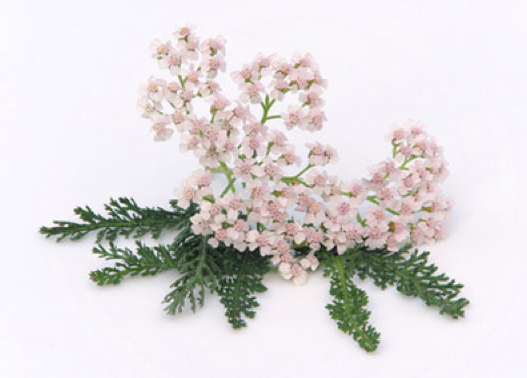 Did you know yarrow is native to Europe? Now commonly found growing wild in North America (except far north). Yarrow is a familiar plant in meadows and fields, along the sides of country lanes, roadsides, on embankments, and in landfills. Yarrow is a member of the daisy family. In many parts of Europe yarrow was believed to protect against all evil.
The yarrow plant was first used by the Greeks over 3,000 years ago for treating wounds on the skin. The flowers and leaves of yarrow were eaten and also made into a tea. The fresh leaves were used to stop bleeding wounds, treat gastrointestinal problems, fight fevers, lessen menstrual bleeding and better circulation. The fresh leaves were also chewed on to relieve tooth aches. Scientists have credited yarrow for its benefits relating to almost every organ in the body.
Yarrow gives strength and energy to the body and mind. It has been studied for its ability to help circulatory disorders like hemorrhoids and varicose veins. Colic, constipation problems, indigestion and cramps are also influenced by using essential oils. Hypertension, Insomnia and other stress related issues are also dealt with using yarrow oil. Many other people claim it is great for allergies, and asthma.
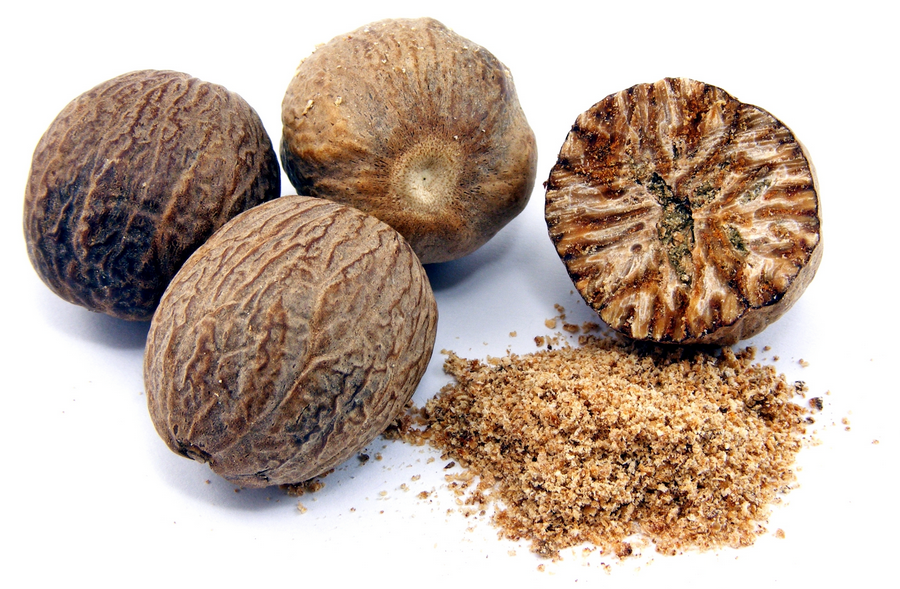 Did You know Nutmeg comes from the fruit of a 50 ft (15 m) tall tropical evergreen tree? Nutmeg is most commonly used as a cooking spice. The tree grows in Indonesia, New Guinea, and the West Indies. The dried nut and essential oil are both used to enhance your health.
Nutmeg is used in both Western and Chinese herbal medicine. It is most popular as a spice in food and drinks, and is also used in cosmetics and soaps. In ancient Greece, and Rome, nutmeg was highly valued and expensive. People were convinced it stimulated the brain. The Arabs have used nutmeg for centuries.
Nutmeg relaxes the muscles, and helps remove gas from the digestive track. It is most commonly used for stomach problems such as discomfort with indigestion. It is also used for chronic nervous disorders, kidney disorders, and to help with nausea, and vomiting. In Chinese medicine, nutmeg is used to treat abdominal pain, diarrhea, inflammation, impotence, liver disease, and vomiting. Some cultures have been know to use nutmeg as an aphrodisiac.
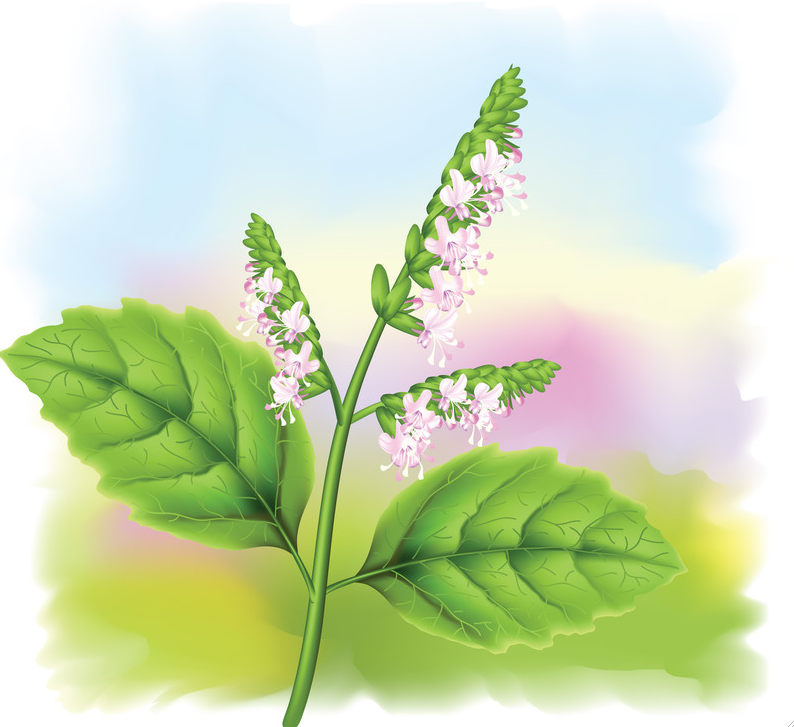 Did you know Patchouli is the oil of physicality? It supports people in becoming fully present in their physical body. Patchouli gives praise to Yoga, Tai Chi, Reiki, or other exercises that direct the connection of spirit with the body. Patchouli helps us appreciate the greatness of the physical body, and all of its natural designs, and functions.
Patchouli is a member of the mint family. Patchouli is a fragrant plant from South Asia that has a very pleasant and memorable scent. Tradesmen and merchants would often take long trips between India and England by coach in the 1800s. Leaves from the patchouli plant were always included to protect merchandise from moth damage and leaving clothing with the familiar scent letting the buyer know the items being purchased were of the highest quality from Asia.
The Indians that lived centuries ago said the oil improved their mental sharpness and removed that sluggish feeling that can slow the body down later in the day before dinner. Researchers now know the unusual and strong fragrance of the oil helps patchouli produce a balancing effect on the emotions.
Combine patchouli with peppermint and apply to the forehead, temples, or back of the neck to help with headache symptoms. Apply one to two drops to help reduce the appearance of wrinkles, scars, or problem skin areas, or add to your favorite moisturizer. Combine with vetiver, and apply to the bottoms of feet to help calm emotions.
 Len's Oils