Isaiah 61:3 speaks to restoration after loss, using everyday elements people understood deeply. Ashes were a sign of grief and mourning, while oil was associated with care, comfort, and renewal. In Book of Isaiah, the “oil of joy” contrasts directly with mourning, pointing to a deliberate act of replacing sorrow with something that restores the body and lifts the spirit. Oil was not abstract or symbolic alone — it was applied, felt, and experienced as part of healing and celebration.
Essential oils fit naturally into this promise. Fragrant oils were used to soothe the weary, honor the brokenhearted, and mark moments of change from sorrow to hope. To receive oil instead of ashes meant moving from despair into dignity, from heaviness into praise. The verse shows how physical care and spiritual renewal were intertwined, much like trees planted and tended over time, growing strong and steady as living evidence of restoration and joy.
It’s funny how we’ll casually buy a medication with a three-page side-effect list or spray a cleaner that says “use in a well-ventilated area while wearing gloves and possibly a hazmat suit” — no questions asked — but the moment someone mentions essential oils, suddenly we’re conducting a double-blind study, checking five medical journals, and calling a cousin who once took chemistry. Apparently, swallowing unpronounceable ingredients is fine, but a drop of lavender requires a PhD and a committee meeting.
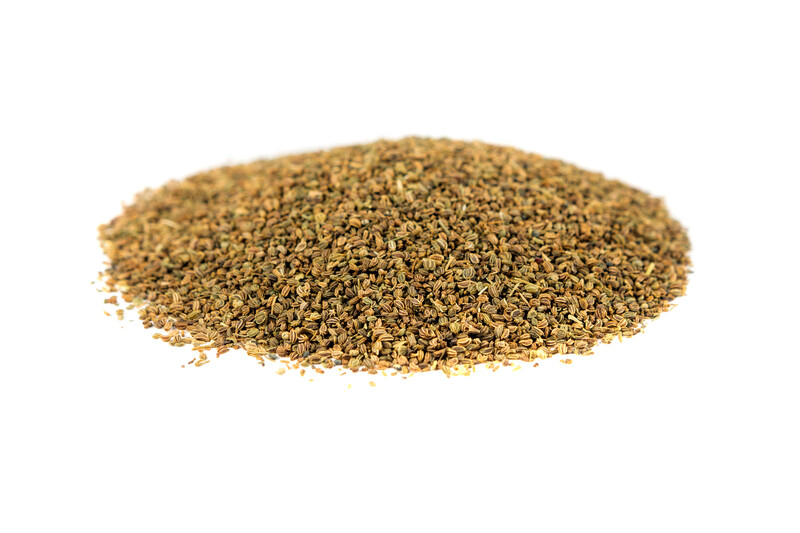
Celery seed, so small, so bright, Its oil restores both heart and sight. It calms the noise, relieves the strain, And lifts the spirit free again.
Researchers note its power clear, Antioxidants are strong and near. Protects the heart, supports the flow, And helps the weary body glow.
For joints that ache or stomach tight, Its gentle strength can bring delight. Traditions long have held it dear, For cleansing paths both far and near.
Studies show it clears the way, Where stress and tension tend to stay. It fights the fire, it soothes the flame, And brings the restless back to tame.
Confusion fades, the mind grows still, Release is found, restored the will. From cluttered thoughts to balance sweet, Its steady gift feels whole, complete.
So tiny seed, with gift profound, In every drop such peace is found. It grants us calm, content, release— Celery seed, the oil of peace.
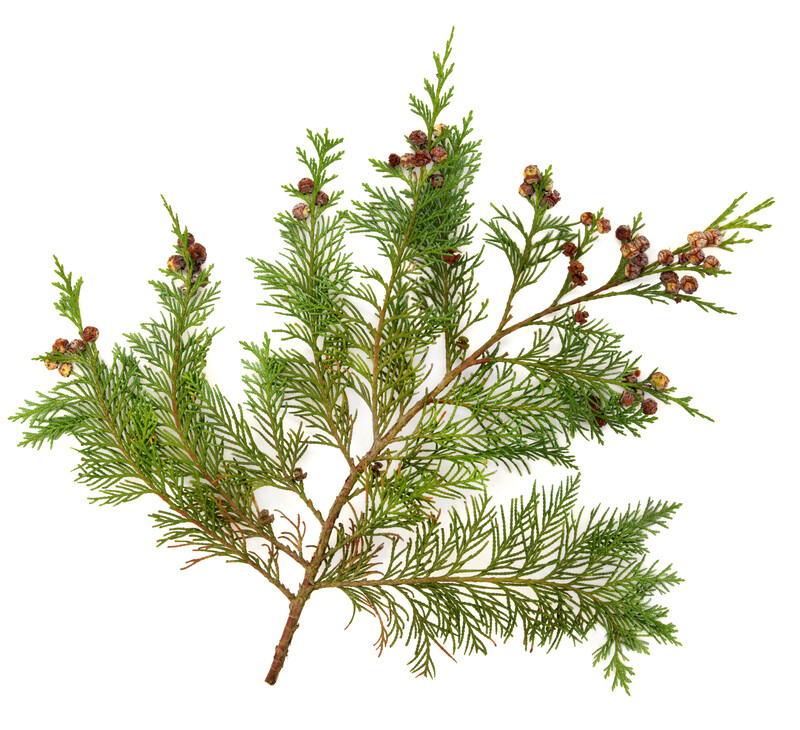
Douglas Fir essential oil, distilled from the needles and branches of the towering Pseudotsuga menziesii tree, has a clean, fresh, and slightly lemony pine aroma. Native to North America, Douglas firs are iconic evergreens that can grow over 300 feet tall and live for centuries. In essential oil form, its bright, woodsy fragrance is often used to purify the air, uplift the mood, and bring the refreshing scent of the forest indoors. Diffused, it creates an environment that feels open, crisp, and revitalizing.
Beyond its invigorating scent, Douglas Fir essential oil is valued for its ability to promote clear breathing and emotional balance. It blends well with citrus oils like lemon or bergamot for an energizing aroma, or with grounding oils such as cedarwood to create a calming, forest-like experience. Many people also enjoy using it in natural cleaning sprays or massage blends for its fresh, cleansing qualities. Its combination of brightness and grounding notes makes it one of the most versatile conifer oils in aromatherapy.
Did You Know? The Douglas fir is not a true fir at all—it belongs to its own genus, Pseudotsuga. Despite this, it is one of the most important timber trees in North America, prized for its strength and resilience. Some Douglas firs are believed to be over 1,000 years old, and their massive trunks and towering height have made them symbols of endurance and vitality. Today, Douglas firs are also a favorite choice for Christmas trees because of their soft needles and uplifting scent.
In Nehemiah 13:9, after the temple was cleansed, the vessels of the house of God were restored along with the offerings and frankincense. This moment highlights not only the importance of physical purification but also the spiritual renewal tied to worship. Frankincense, a resin with a sweet, rising aroma, was central to temple rituals, often burned as incense to symbolize prayers ascending to heaven. Its essential oil, still cherished today, was highly prized in the ancient world for its calming, uplifting qualities.
The use of frankincense in the restored temple reminds us of the way God’s people returned to purity and reverence. Just as frankincense filled the sanctuary with fragrance, true worship was meant to fill their lives with holiness. Its essential oil reflects this same theme: it centers the mind, calms the spirit, and invites a deeper connection with the divine. Frankincense stands as a timeless reminder that restoring balance—both in worship and in life—brings us closer to God’s presence.
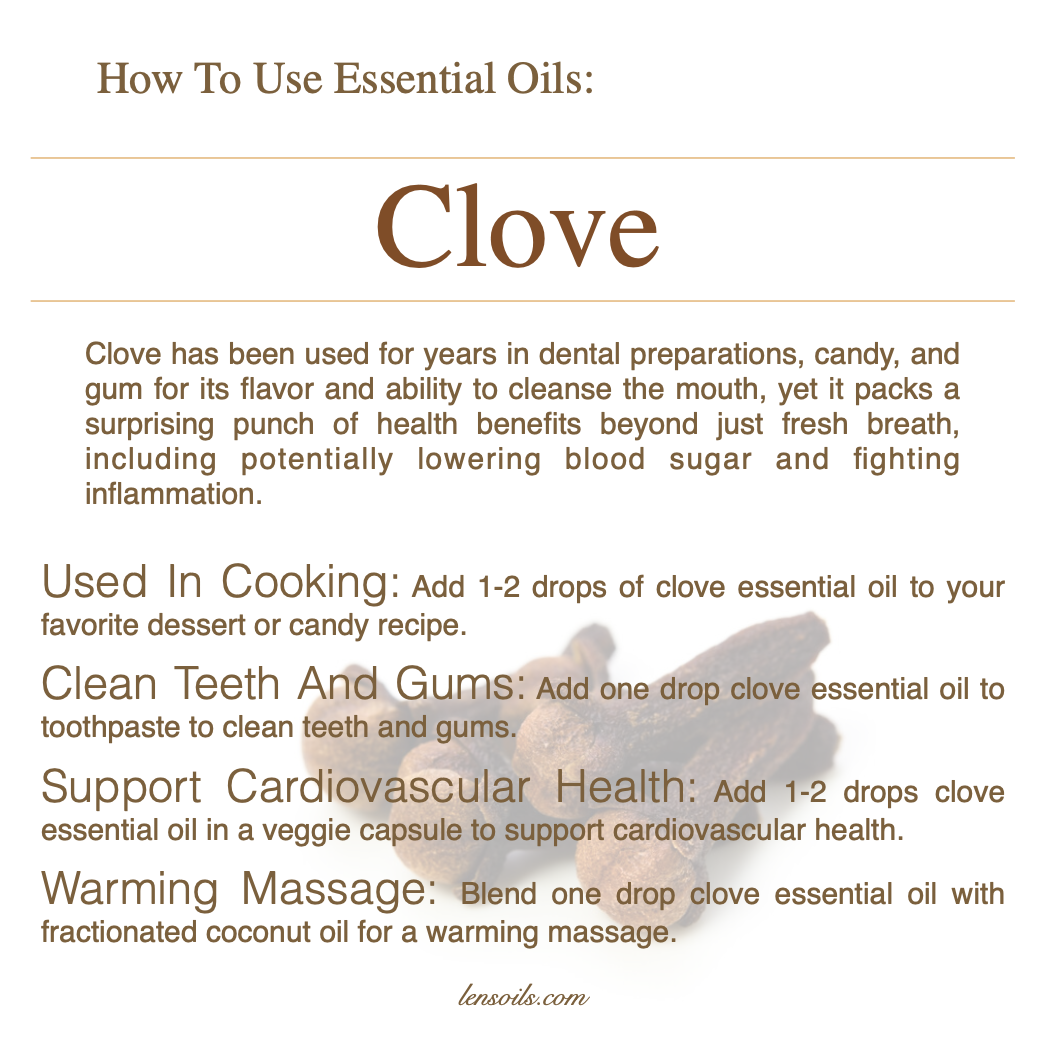
Clove essential oil, distilled from the dried flower buds of the clove tree, is instantly recognizable for its warm, spicy, and slightly sweet aroma. Native to the Maluku Islands of Indonesia, clove has been treasured for centuries as both a culinary spice and a traditional remedy. In essential oil form, it is often used to freshen the air, uplift the mood, and provide a comforting, cozy atmosphere when diffused. Its bold fragrance makes it a favorite in seasonal blends, especially during autumn and winter.
Beyond its inviting scent, clove oil is known for its high eugenol content, a compound with notable cleansing and soothing properties. It has long been used in oral care products, such as toothpastes and mouthwashes, to support fresh breath and maintain oral health. Around the home, clove oil can be added in small amounts to natural cleaning solutions for its purifying effect. When used with care and proper dilution, it serves as both a practical and aromatic addition to wellness routines.
Did You Know? During the spice trade era, cloves were so highly prized that entire wars were fought over control of their production and trade routes. In fact, European demand for cloves and other spices helped drive the Age of Exploration. Today, the world’s largest producers of cloves are still in Southeast Asia, with Madagascar and Tanzania also contributing significantly to global supply. The oil’s enduring value comes not only from its unique flavor and aroma but also from its wide-ranging applications in health and home.
Nine years ago, I was introduced to something that has transformed my life: essential oils.
Yes I was a big skeptic about them at first, but I now use essential oils on a daily basis in every area of my home, and they have completely changed my life! My medicine cabinet has been completely transformed, and I am now empowered with the tools and knowledge to care for my family.
When I realized I could get free products AND create residual income? I got really excited!
As a result, of my essential oil journey, and passion helping others, I’m ready to help you get started with your essential oil journey as well.
The best part about essential oils is that there is an option for everyone, whether you want to simply enjoy the products for yourself and transform your family’s health (and get free stuff in the process) OR you’re ready to build a team, create residual income, and get out of debt.
If any of these options sound appealing to you, let’s chat!
I’ll help you figure out which option will be the best fit for you, plus you can qualify for some awesome incentives in the process.
I can’t wait to talk to you!
I love sharing essential oils
Please text Free Sample or call me at 801-661-4786
I will be sure to get back to you as soon as possible.
Or
Send me an email at lfish64@yahoo.com
with the heading Free Sample
It will be an honor to help you in any way that I can.
Or
Write a letter requesting a Free Sample to
Leonard Fish
5075 Rushton Acres Court
West Valley City, Utah 84120
Dr. Bruce Berkowsky: A Pioneer in Natural Healing and Essential Oils
Dr. Bruce Berkowsky is a leading expert in natural healing, essential oils, and holistic wellness. With over 40 years of experience, he has dedicated his career to developing innovative healing systems that integrate various alternative medicine disciplines. His work combines traditional naturopathy, herbal medicine, homeopathy, nutrition, and aromatherapy to help people improve their health naturally. Through his extensive research and teaching, he has influenced the way essential oils and natural healing methods are used.
One of Dr. Berkowsky’s most notable contributions is the Natural Health Science System™ (NHSS), which blends scientific principles with holistic healing techniques. This system is designed to help individuals achieve better health by understanding the deep connections between the body, mind, and nature. NHSS integrates both Eastern and Western medical philosophies, offering a well-rounded approach to natural health.
Another key aspect of Dr. Berkowsky’s work is Spiritual PhytoEssencing™ (SPE), a unique healing method that focuses on using essential oils for emotional and spiritual well-being. This technique combines elements of herbal medicine, psychology, Chinese medicine, and ancient healing traditions. By carefully selecting and blending essential oils, SPE aims to address deep-rooted emotional imbalances and promote overall wellness.
Dr. Berkowsky has an impressive educational background. He holds degrees and certifications in traditional naturopathy (N.M.D., MRN, CTN), herbal medicine (M.H.), nutrition (Ph.D.), and homeopathy (DHM, H.M.C.). He is also nationally certified in massage and bodywork (NCTMB) and has expertise in aromatherapy and constitutional iridology. His vast knowledge allows him to provide a comprehensive approach to healing that combines multiple natural therapies.
As an accomplished author, Dr. Berkowsky has written several books on essential oils and holistic health. Some of his well-known works include “Berkowsky’s Synthesis Materia Medica/Spiritualis of Essential Oils” and “Essential Oils and the Cancer Miasm.” These books serve as valuable resources for those interested in learning more about the healing properties of essential oils and their connection to overall health.
In addition to his books, Dr. Berkowsky has contributed articles to various health magazines, such as Massage and Bodywork, Aromatherapy Today, and Total Health. He has also been a featured guest on multiple radio and television talk shows, where he shares his insights on natural healing and essential oils. His work has helped educate a broad audience about the benefits of holistic health practices.
Dr. Berkowsky is also the president of Joseph Ben Hil-Meyer Research, Inc., a research organization dedicated to studying natural health science. His research focuses on understanding the connection between human health and nature’s rhythms. He believes that by aligning with natural cycles and using plant-based remedies, individuals can achieve better physical and emotional health.
A strong advocate for personalized treatment, Dr. Berkowsky emphasizes the importance of tailoring healing methods to each individual’s unique needs. He believes that no two people are alike, and their healing journeys should be customized accordingly. This philosophy is central to both NHSS and SPE, which focus on selecting therapies that align with an individual’s physical and emotional constitution.
Through his books, courses, and research, Dr. Berkowsky has helped countless people understand the power of essential oils and natural healing. His dedication to blending scientific knowledge with ancient healing traditions has made a lasting impact on the world of alternative medicine. Whether through his teachings or his writing, his work remains a valuable resource for those looking to explore the benefits of natural health and wellness.
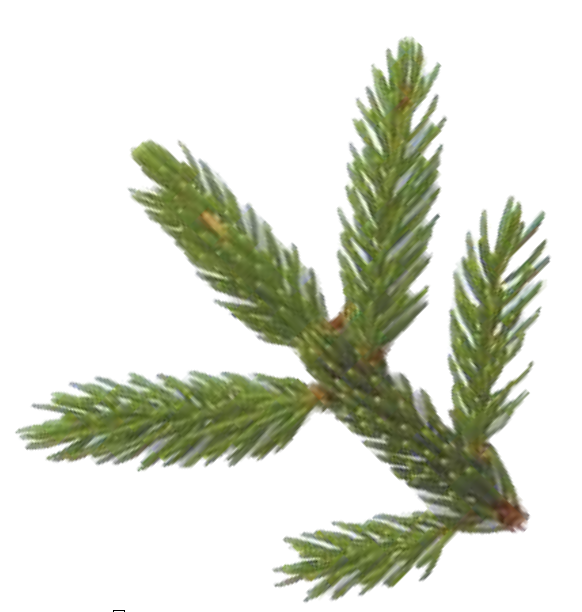
Where northern winds sing soft and low, Through mist and moss, the spruces grow. By rivers wide and swamps so deep, Their roots in ancient waters keep.
A healer’s touch, a sacred tree, A gift from earth, wild and free. For generations, hands have known, Its soothing touch on skin and bone.
A breath of pine, crisp and bright, To clear the air, to bring in light. A drop diffused, the chest expands, Like forests vast in distant lands.
A quiet strength, a calming balm, In weary hearts, it whispers calm. Blended soft with chamomile, It eases aches and soothes with style.
Its essence lingers, fresh and true, A cleansing wave, the air renewed. With frankincense, a sacred pair, To sharpen focus, scent the air.
Through swamps and hills, it holds its place, A tree of wisdom, strength, and grace. From ancient roots to healing hands, Black spruce endures, where nature stands.




 Len's Oils