Category Archives: Better Living

The Power in a Tiny Bud and the Rest of the Story

For centuries, a tiny, dried bud held secrets far greater than its size suggested. Its deep, rich aroma was unmistakable—bold, warm, and slightly sweet. It had a way of lingering in the air, filling kitchens, apothecaries, and even the chambers of royalty. Some knew it as a key ingredient in their favorite confections, while others used it for far more than just taste.

Its value was once so great that wars were fought over it. Traders risked treacherous ocean voyages to secure it, knowing that those who controlled its supply controlled power. This little bud, often found in spice racks today, was once worth its weight in gold. It was cultivated in lands far from Europe, where the soil and climate allowed it to flourish. When crushed, it released an oil so potent that it became a prized remedy in medicine, dentistry, and even perfumery.

Its benefits extended beyond the kitchen. Healers discovered that it possessed remarkable properties—it could soothe a troubled stomach, ease aching muscles, and even help cleanse wounds. Over time, doctors found a particularly important use for it in dental care, where it provided relief from the agony of toothaches. It became a common ingredient in oral preparations, earning a reputation not just for freshening breath but for supporting overall health.

As trade routes expanded, so did knowledge of this remarkable spice. Apothecaries recommended it for digestion, cooks infused it into desserts, and even sailors carried it on long voyages, believing it helped preserve health during months at sea. Some even mixed a drop of its oil into coconut oil for a warming massage that brought relief to aching joints. Its versatility was astounding—whether in food, medicine, or self-care, it remained a cherished commodity.

But one man in particular changed how the world viewed this spice. Dr. Joseph Lawrence, a chemist in the 19th century, understood its potential beyond the kitchen. Inspired by its cleansing properties, he included its oil in the formula for a now-famous antiseptic mouthwash, ensuring that its legacy as a powerful health aid would endure. Thanks to his work, millions of people unknowingly benefit from its properties every day.

Even today, its uses continue to grow. A single drop of its essential oil added to toothpaste can help clean teeth and gums. Mixed into a capsule, it supports cardiovascular health. Infused into warm desserts, it enhances both aroma and well-being. It has even been used to flavor gum, leaving a distinctive tingle long after the last chew. Though it was once hoarded and fought over, it is now a household staple, readily available to those who seek its benefits.

It is a spice, a medicine, a healer, and a warrior in the fight against inflammation. It is found in everything from traditional remedies to modern health trends, proving that the wisdom of the past often holds the key to the future. Few people know just how many ways this tiny dried bud has shaped history, but its impact is undeniable.

The spice that transformed dental care, enhanced cuisine, and fueled trade for centuries? Clove. This small but mighty bud has healed wounds, calmed nerves, and added warmth to both food and medicine. It continues to be used in natural wellness, offering relief, protection, and comfort to those who embrace its power. Whether in a steaming cup of tea, a soothing massage oil, or a trusted bottle of mouthwash, it remains one of nature’s most remarkable gifts. And now, you know the rest of the story.

I Want You

I want You
Nine years ago, I was introduced to something that has transformed my life: essential oils.

Yes I was a big skeptic about them at first, but I now use essential oils on a daily basis in every area of my home, and they have completely changed my life! My medicine cabinet has been completely transformed, and I am now empowered with the tools and knowledge to care for my family.

When I realized I could get free products AND create residual income? I got really excited!

As a result, of my essential oil journey, and passion helping others, I’m ready to help you get started with your essential oil journey as well.

The best part about essential oils is that there is an option for everyone, whether you want to simply enjoy the products for yourself and transform your family’s health (and get free stuff in the process) OR you’re ready to build a team, create residual income, and get out of debt.

If any of these options sound appealing to you, let’s chat!

I’ll help you figure out which option will be the best fit for you, plus you can qualify for some awesome incentives in the process.

I can’t wait to talk to you!

I love sharing essential oils

Please text Free Sample or call me at 801-661-4786
I will be sure to get back to you as soon as possible.
Or
Send me an email at lfish64@yahoo.com
with the heading Free Sample
It will be an honor to help you in any way that I can.
Or
Write a letter requesting a Free Sample to
Leonard Fish
Leonard Fish
5075 Rushton Acres Court
West Valley City, Utah 84120

Sincerely,

Leonard Fish Signature


How to Use Essential Oils

Caraway (Carum carvi), a member of the carrot family, has been cultivated for centuries and holds a significant place in both culinary and medicinal traditions. The name caraway is believed to have originated from its early use in Asia and the Mediterranean region. Caraway seeds have historically been used for their digestive benefits and as a natural breath freshener. In biblical times, bread containing caraway seeds was eaten, and there was a superstition that anything containing caraway seeds could not be stolen. This belief made caraway a symbol of protection in European folklore. While these historical uses are well-documented, the scientific basis for caraway preventing theft remains purely anecdotal and rooted in superstition.

Today, caraway seed essential oil is widely used for digestive and oral health benefits. It is often blended with fractionated coconut oil for abdominal massage support, as 2-3 drops may help with occasional stomach discomfort. Caraway seed oil is also used for oral care, with many people adding a drop to their toothbrush or a daily mouth rinse to support fresh breath and dental hygiene. A combination of caraway seed and clove essential oil is sometimes used as a natural cleansing rinse, but while caraway oil has antimicrobial properties, more scientific research is needed to confirm its effectiveness in preventing cavities or gum disease.

Beyond digestion and oral care, caraway seed essential oil is recognized for its calming and relaxing properties. A warm bath infused with one drop of caraway seed essential oil and three drops of lavender essential oil may provide a soothing and aromatic experience. Some studies suggest that caraway seed oil contains antioxidants that may contribute to overall wellness, but further research is needed to determine its full range of health benefits. While many of its traditional applications are well-supported, its effectiveness in areas such as relaxation, stress relief, and long-term antioxidant support requires more clinical validation. Nevertheless, caraway seed essential oil remains a versatile and beneficial addition to natural health and aromatherapy practices.

How to Use Essential Oils: Blue Tansy

Blue tansy, also known as Moroccan tansy (Tanacetum annuum), is a Mediterranean plant native to northern Morocco. It produces small yellow flowers, but when distilled into an essential oil, it takes on a deep blue color due to the presence of chamazulene. This compound is responsible for blue tansy’s well-known anti-inflammatory and skin-soothing properties. Traditionally, it has been used in aromatherapy and skincare to promote calmness and relief from irritation. The oil is often diffused to uplift mood and create a relaxing atmosphere, while topical application—diluted in a moisturizer or cleanser—may help reduce the appearance of blemishes and soothe skin irritation.

In modern wellness practices, blue tansy is widely used for relaxation and muscle recovery. Adding 1-2 drops to lotion can create a restoring massage blend, useful for relaxing muscles after a stressful day or intense workout. Due to its natural antioxidant properties, some people also use blue tansy to help protect skin from environmental stressors. However, its role in broader healing processes remains an area requiring more research. While its anti-inflammatory and antioxidant effects may contribute to skin repair, there are limited scientific studies specifically evaluating blue tansy’s ability to aid in wound healing or other physical recovery processes.

Beyond skincare and relaxation, blue tansy is sometimes used for reducing minor discomfort, particularly in muscle and joint care. Its chamazulene content gives it a mild cooling effect, making it a popular choice for soothing soreness. However, while many users report relief from aches and tension, its effectiveness in pain relief beyond topical inflammation has not been extensively studied. As research continues, blue tansy remains a well-regarded essential oil for emotional balance, skincare, and muscle relaxation, though its broader healing properties and pain-relief potential require further scientific exploration.

How to Use Essential Oils:

The Blue Lotus Flower (Nymphaea caerulea) has held deep symbolic and spiritual significance since ancient Egyptian times. Often associated with rebirth and the sun, the flower was depicted in art and religious texts, representing renewal and enlightenment. In Buddhism, the blue lotus symbolizes victory of the spirit over material desires, signifying wisdom and knowledge. Beyond its symbolic meaning, the flower has been valued for its aromatic and therapeutic properties. Today, blue lotus flower essential oil is used in personal care and wellness routines, offering both emotional and physical benefits. The flower contains apomorphine, a natural compound that can act on dopamine receptors, potentially promoting relaxation and mood enhancement. While historical and anecdotal evidence suggests that Blue Lotus has been used to enhance sensuality and intimacy, there is limited modern scientific research confirming its direct aphrodisiac effects.

As an essential oil, blue lotus flower is often diffused for its delicate, floral fragrance, creating a calming and personal aromatic experience. It has also been traditionally used to promote relaxation, with many incorporating it into warm baths before bedtime. Additionally, blue lotus is highly regarded in skincare, as its oil can be blended with fractionated coconut oil or other skin products to help reduce the appearance of imperfections and promote a radiant complexion. The oil’s historical connection to beauty and spirituality makes it a sought-after ingredient in personal wellness rituals, whether for aromatherapy, relaxation, or skin enhancement. While scientific validation for some claims is ongoing, its long-standing use in ancient and modern holistic practices continues to make it a popular choice in essential oil applications.

Among those influencing the modern accessibility of blue lotus flower essential oil, Emily Wright has played a significant role through her work in the essential oil industry. As a co-founder of dōTERRA, Wright has been instrumental in promoting the sourcing and production of high-quality essential oils, ensuring sustainable and ethical practices in the industry. While her direct role in the widespread distribution of Blue Lotus essential oil is not extensively documented, her influence in dōTERRA’s leadership and product development has contributed to making rare, high-quality essential oils more widely available. With its historical roots in ancient healing traditions and its continued relevance in aromatherapy and skincare, blue lotus flower essential oil remains a luxurious and valued addition to modern wellness practices.

One Drop of Oil

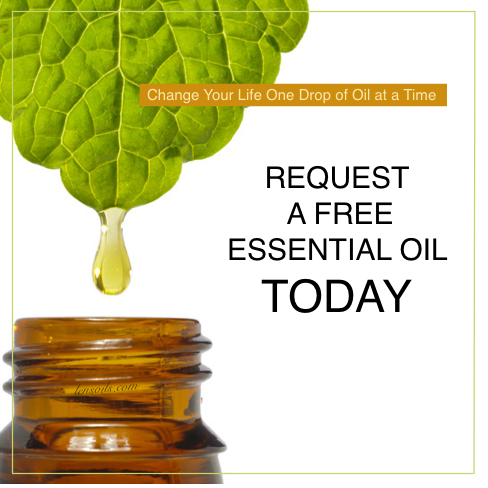
Request a free essential oil today


Do you want to expand your health options?
Try using natural essential oils.

Request a a Free Sample.

Please text Free Sample or call me at 801-661-4786
I will be sure to get back to you as soon as possible.
Or
Send me an email at lfish64@yahoo.com
with the heading Free Sample
It will be an honor to help you in any way that I can.
Or
Write me a letter, request a Free Sample


Leonard Fish
5075 Rushton Acres Court
West Valley City, Utah
84120  USA

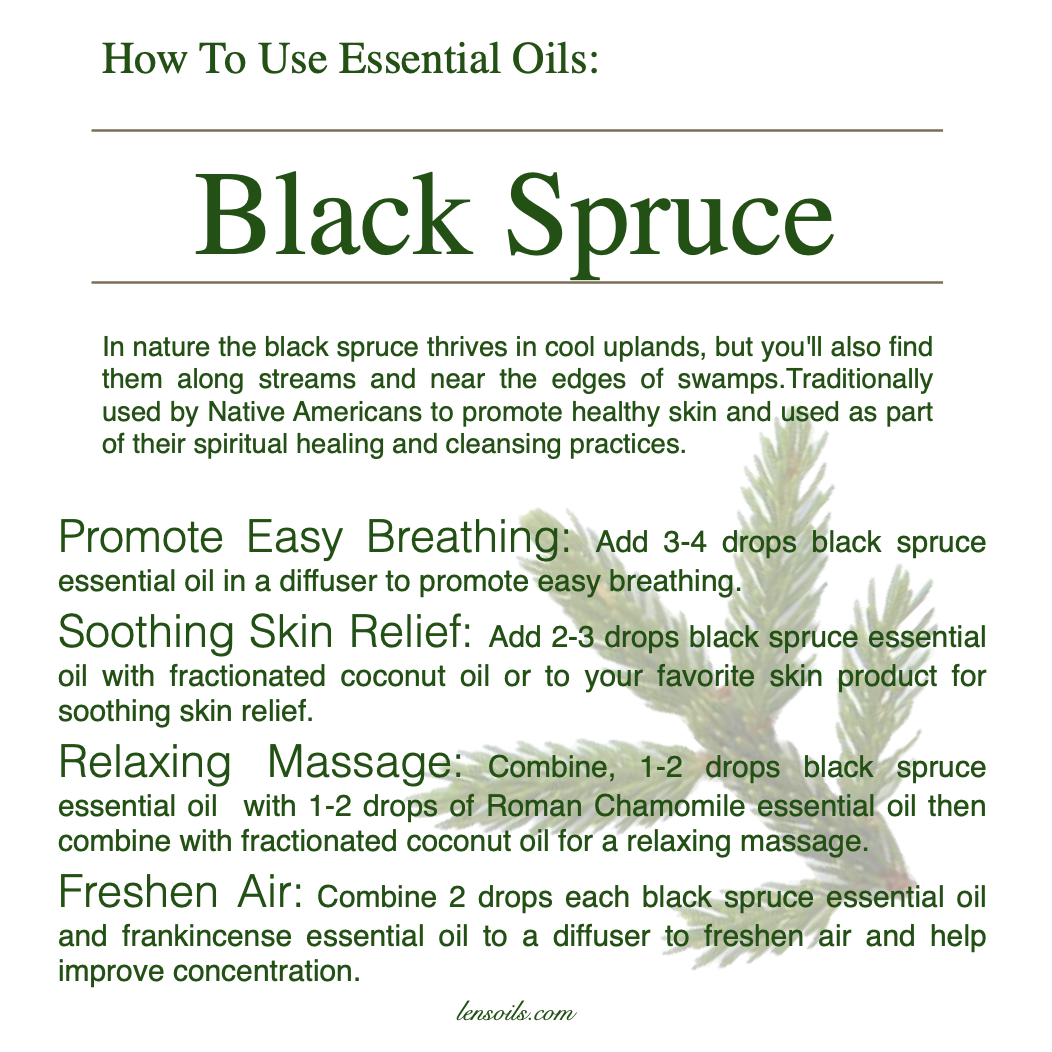
How to Use Essential Oils: Black Spruce

Black spruce is a hardy evergreen that thrives in cool uplands, along streams, and at the edges of swamps. Traditionally, Native Americans used black spruce for its skin-nourishing properties and incorporated it into spiritual healing and cleansing rituals. Its wood and needles were often boiled to create tonics or steam baths, believed to promote overall well-being. The fresh, grounding scent of black spruce essential oil has made it a valuable tool for both physical and emotional healing, with its use continuing in modern herbal and aromatherapy practices.

In modern use, black spruce essential oil is widely recognized for its ability to support respiratory health. Diffusing 3-4 drops can help promote easy breathing, making it useful for seasonal changes or congestion. It is also beneficial for skincare—when blended with fractionated coconut oil or added to a favorite skin product, it provides soothing relief for dryness and irritation. Black spruce is also an excellent oil for relaxation; combining 1-2 drops with Roman Chamomile essential oil and a carrier oil makes for a calming massage blend that can ease tension and promote rest. Additionally, when paired with frankincense in a diffuser, black spruce helps freshen the air and improve concentration, making it a popular choice for both home and workplace environments.

Among these uses, black spruce essential oil is gaining attention for its potential role in supporting adrenal health and reducing stress-related fatigue. The oil contains bornyl acetate, a compound known for its calming effects, which mayhelp reduce feelings of burnout and support the body’s natural stress response. While many aromatherapy practitioners advocate for its benefits in stress relief, scientific studies on black spruce specifically for adrenal support remain limited. However, its grounding properties make it a widely used oil for promoting emotional balance. Whether for skincare, respiratory support, or relaxation, black spruce essential oil remains a versatile and grounding choice in natural wellness, though further research may provide deeper insights into its full range of benefits.

How to Use Essential Oils: Black Pepper

Black pepper essential oil is rich in monoterpenes and sesquiterpenes, powerful compounds known for their antioxidant properties. These compounds help the body combat environmental and seasonal challenges by supporting overall immune function. Beyond its internal benefits, black pepper essential oil is commonly used to promote circulation and soothe sore muscles. Its warming properties make it a popular choice for massage therapy when combined with a carrier oil, helping to relax tense muscles and joints. Historically, black pepper has been valued not only as a prized spice but also for its medicinal benefits in traditional healing practices.

Incorporating black pepper essential oil into a daily routine can offer multiple benefits. Taking 1-2 drops in a veggie cap can provide support during times of seasonal threats, while adding a drop to meals enhances the flavor of meats, soups, and entrées. It is also known for its ability to soothe anxious feelings, as inhaling its warm, spicy aroma can help promote emotional balance. Additionally, black pepper oil can aid digestion when taken internally, helping to stimulate digestive enzymes and improve nutrient absorption. Its ability to support gut health makes it a useful tool for those looking to improve overall digestive function naturally.

Among these uses, black pepper essential oil is also recognized for its potential role in supporting nicotine withdrawal. Research suggests that inhaling black pepper essential oil may help reduce cravings and withdrawal symptoms for those trying to quit smoking. The oil’s stimulating properties can mimic the sensation of inhaling tobacco, which may help curb the urge to smoke. This makes black pepper essential oil a valuable tool not only in cooking and wellness but also in lifestyle changes aimed at promoting better health.

How to Use Essential Oils: Birch

Birch essential oil has a strong, minty aroma that is often mistaken for wintergreen. Though the two are not botanically related, they share nearly identical chemical constituents, particularly methyl salicylate, which gives them their signature scent and pain-relieving properties. Birch has a long history of use, dating back to American Indian tribes and early American settlers who brewed tea from its bark. This tea was valued for its ability to ease discomfort and support overall wellness, making birch a staple in traditional herbal practices.

Today, birch essential oil is commonly used for its respiratory and skincare benefits. Diffusing 3-4 drops can help promote clear breathing, making it useful during seasonal changes or when dealing with congestion. Its astringent properties also make it beneficial for oily skin—mixing a few drops into a favorite lotion may help balance excess oil and improve skin texture. Additionally, birch oil is well known for its ability to soothe sore muscles. When blended with fractionated coconut oil or a sports cream, it provides relief after intense activity, making it a favorite among athletes and those with active lifestyles.

Among these uses, birch essential oil is also valued for its ability to enhance focus and mental clarity. Adding 3-4 drops to a diffuser can help sharpen concentration, making it an excellent oil to use during study sessions or work. Additionally, some research suggests that birch may have antimicrobial properties, which could make it a useful natural addition to home cleaning solutions. With its fresh, crisp aroma and diverse applications, birch essential oil remains a powerful and versatile tool in natural wellness.

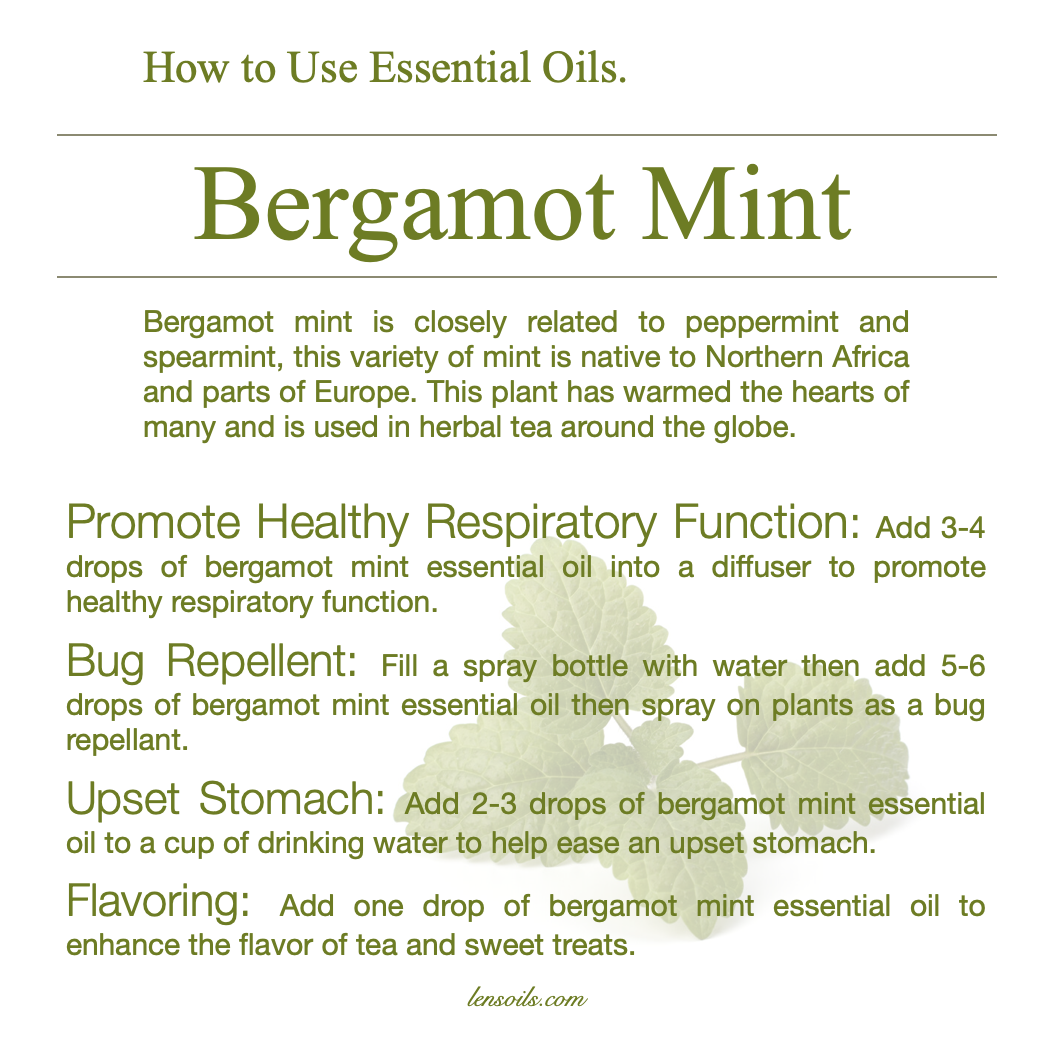
How to Use Essential Oils: Bergamot Mint

Bergamot mint, a close relative of peppermint and spearmint, is native to Northern Africa and parts of Europe. Unlike true bergamot, which comes from citrus, bergamot mint belongs to the mint family and carries a mild, floral aroma with hints of citrus. This plant has been cherished for centuries, commonly used in herbal teas worldwide for its soothing properties. Its gentle scent and refreshing taste make it a favorite in both culinary and wellness applications, providing a natural way to uplift the senses and promote relaxation.

Beyond its pleasant aroma, bergamot mint essential oil offers a range of health benefits. Diffusing 3-4 drops can support healthy respiratory function, helping to clear airways and promote easier breathing. It is also known for its ability to repel insects naturally—adding 5-6 drops to a spray bottle filled with water and misting it on plants can deter pests without the use of harsh chemicals. For digestive support, 2-3 drops in a cup of water can help soothe an upset stomach, making it a useful remedy for occasional discomfort. Additionally, a single drop can enhance the flavor of teas and desserts, bringing a fresh, minty-citrus note to homemade treats.

Among these uses, bergamot mint is also valued for its calming and stress-relieving properties. It contains linalool and linalyl acetate, compounds commonly found in lavender, which contribute to relaxation and emotional balance. This makes bergamot mint an excellent choice for aromatherapy, particularly for those who want the benefits of mint without the intensity of peppermint or spearmint. Whether used to support digestion, freshen the air, or promote relaxation, bergamot mint is a versatile essential oil that blends the best qualities of both citrus and mint.