There’s a scent that fills the air, reminiscent of wintergreen, yet with a story all its own. And though it may not seem related to wintergreen, they share a surprising similarity in chemical makeup. But what makes this tale truly fascinating is not just its aromatic allure, but its history intertwined with American Indians and early settlers.
Long before modern remedies, they discovered the wonders of a certain bark, brewing it into a tea that warmed their spirits and invigorated their bodies. But the story doesn’t end there, for in the modern age, this substance has found new roles beyond the teapot.
Imagine, just a few drops of essential oil in a diffuser, filling the room with a crisp, refreshing scent, promoting clear breathing and sharpening focus. And for those troubled with oily skin or sore muscles, this substance offers its healing touch once more, whether added to lotions or sports creams.
Yes, it may have been overlooked in the past, but today, its versatility shines bright, a testament to the enduring power of nature’s remedies. So the next time you catch a whiff of that familiar wintergreen aroma, remember, it’s not just about it—it’s about the story behind Birch. And now you know… the rest of the story.
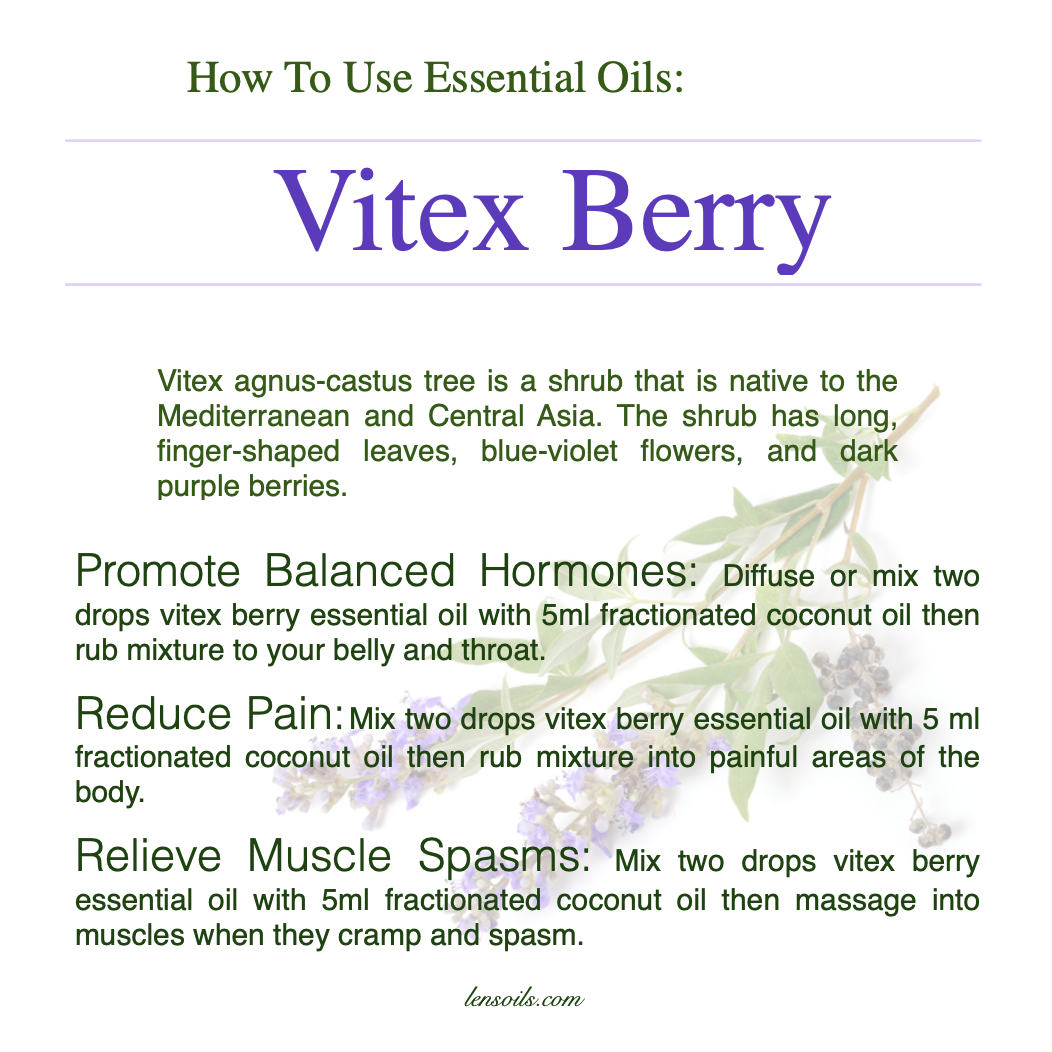
The Vitex agnus-castus tree is a type of shrub that originally comes from the Mediterranean and Central Asia. This shrub has long, finger-like leaves, blue-violet flowers, and dark purple berries.
Six years ago, I was introduced to something that has transformed my life: essential oils.
Yes I was a big skeptic about them at first, but I now use essential oils on a daily basis in every area of my home, and they have completely changed my life! My medicine cabinet has been completely transformed, and I am now empowered with the tools and knowledge to care for my family.
When I realized I could get free products AND create residual income? I got really excited!
As a result, of my essential oil journey, and passion helping others, I’m ready to help you get started with your essential oil journey as well.
The best part about essential oils is that there is an option for everyone, whether you want to simply enjoy the products for yourself and transform your family’s health (and get free stuff in the process) OR you’re ready to build a team, create residual income, and get out of debt.
If any of these options sound appealing to you, let’s chat!
I’ll help you figure out which option will be the best fit for you, plus you can qualify for some awesome incentives in the process.
I can’t wait to talk to you!
I love sharing essential oils
Please text Free Sample or call me at 801-661-4786
I will be sure to get back to you as soon as possible.
Or
Send me an email at lfish64@yahoo.com
with the heading Free Sample
It will be an honor to help you in any way that I can.
Or
Write a letter requesting a Free Sample to
Leonard Fish
5075 Rushton Acres Court
West Valley City, Utah 84120
Vanilla is a special kind of fruit that grows on a plant related to orchids. It originally comes from central Mexico. The Totonac Indians who lived there a long time ago were the first people to figure out how to use vanilla pods from the Tlilxochitl vine.
With a history dating back to its cultivation in India before 3000 BC, apricot kernel oil has journeyed from traditional Chinese medicine for respiratory ailments to a global favorite in Ayurveda for skin and hair health. Today, its lightweight and nutrient-rich properties make it a popular choice in modern cosmetic and skincare products.
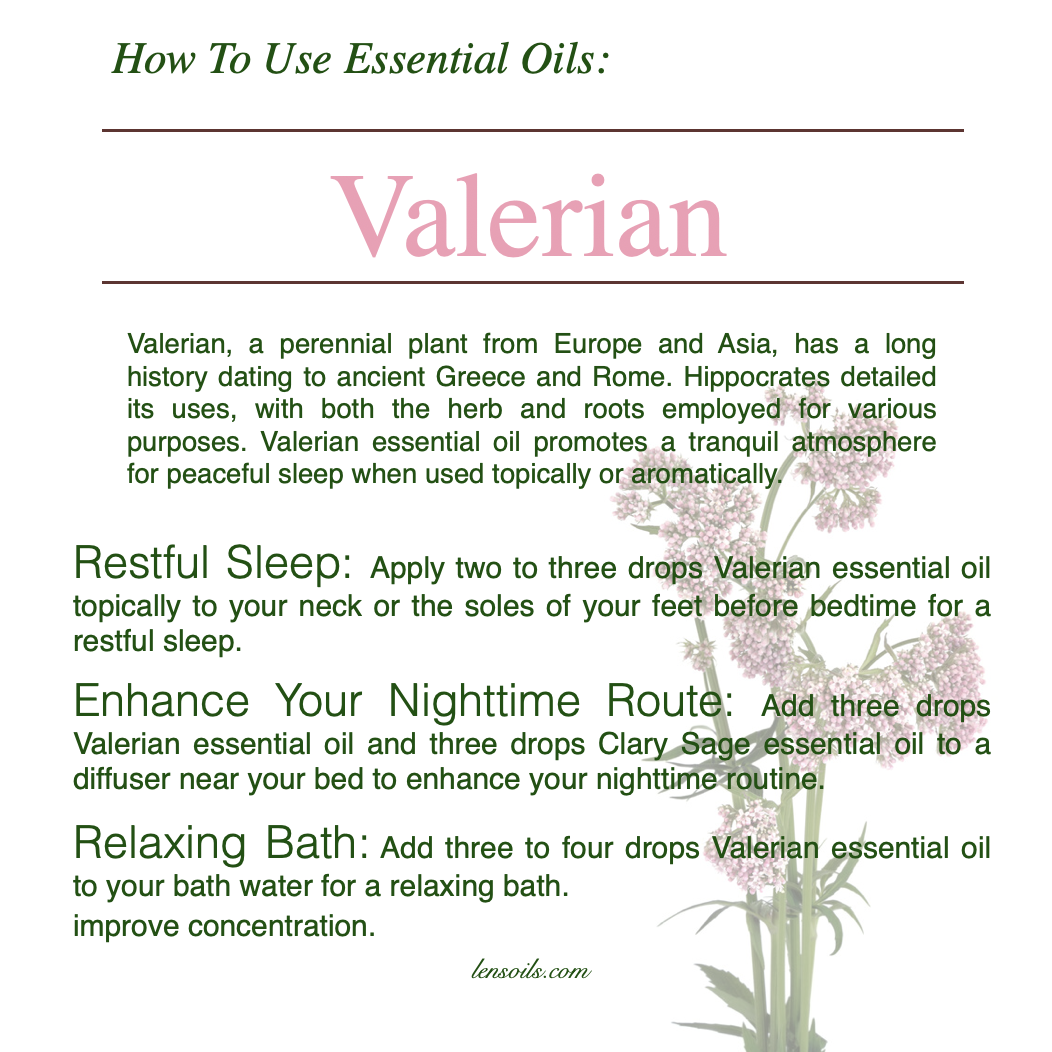
Valerian is a plant that’s been around for a long time, that dates back to ancient Greece and Rome. It grows wild in Europe and Asia. Back in the day, a famous doctor named Hippocrates even wrote about how people used Valerian. Today, people like to use Valerian essential oil to make a calming and peaceful feeling for sleep. You can put it on your skin (like on your feet) or breathe it in the air.
In jungles verdant, a vine does entwine, Vanilla planifolia, a beauty so fine. An orchid by nature, with blossoms so rare, Fragrance intoxicating, a sweetness to share.
Hand-pollination’s touch, a delicate art, Only by Melipona bees, can it play its part. Fragile white blooms, fleeting their display, Transforming to pods, where secrets they lay.
Sun-kissed and cured, a rich, dark embrace, Vanillin whispers, a flavor to chase. Baked goods and desserts, it elevates the scene, A touch of sweet magic, a culinary queen.
Beyond the kitchen, a history untold, Aztecs used its essence, a story of old. Chocolate’s best friend, a marriage divine, A symphony of flavors, forever entwined.
Yet threatened by others, a future unclear, Synthetic substitutes, a taste and a fear. But true vanilla’s essence, no copy can claim, A labor of love, whispered by its name.
So cherish its sweetness, this orchid so grand, A reminder of nature, held close in your hand. A taste of the tropics, a history long, Vanilla’s allure, in its fragrant song.
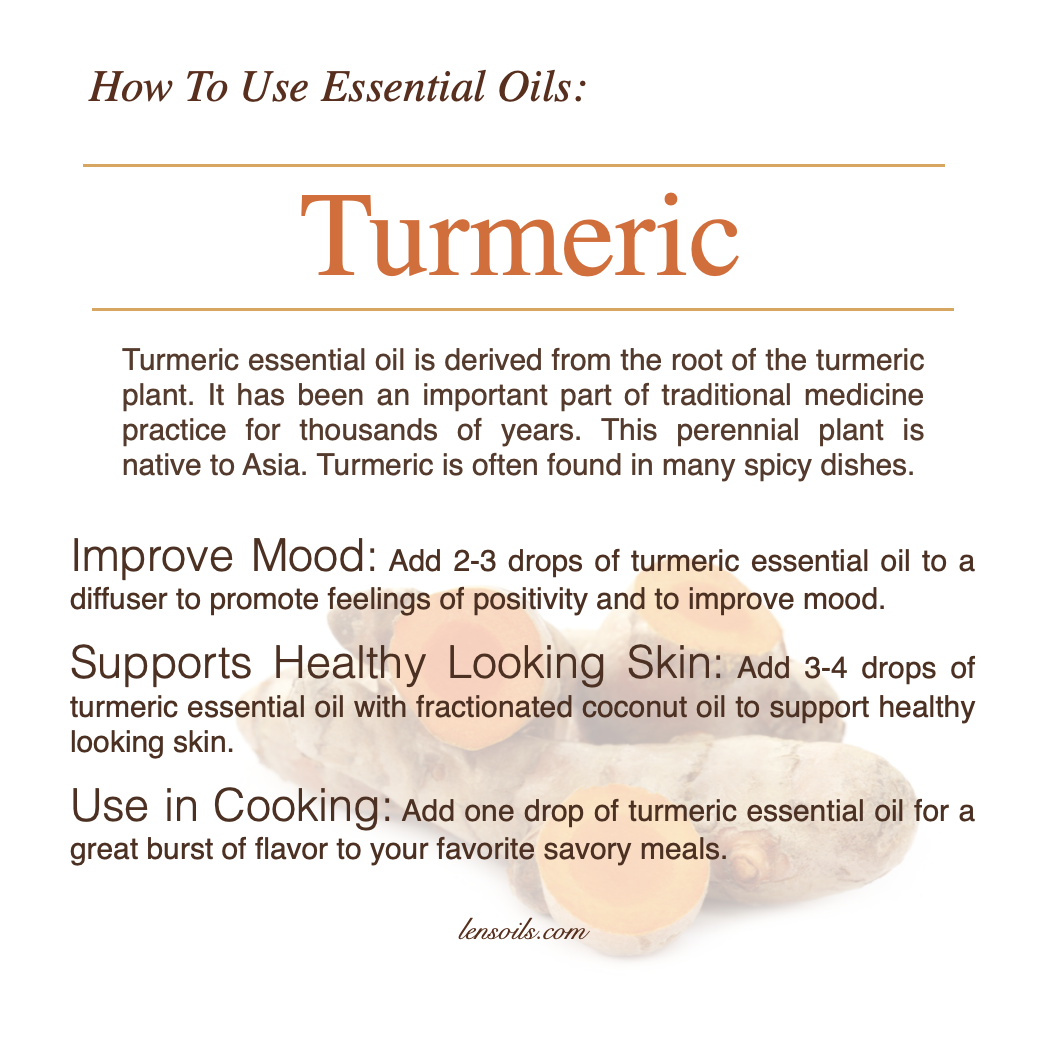
Turmeric essential oil comes from the root of the turmeric plant. People have used it in medicine for a long time. The plant grows in Asia and is always there, year after year. You can also find turmeric in lots of spicy foods.
And now, dear readers, let me unveil a tale that will whisk you away to lands both near and far. When folks hear the word bergamot, their minds often wander to the citrus trees basking in the Italian sun. But hold on to your hats, because there’s more to this story than meets the eye!
You see, there exist not one, but two varieties of bergamot. One, the citrus tree known scientifically as Citrus bergamia, stands proud, with its winter blooms and lemon-colored fruits, resembling pears in shape. Some whisper that it’s a lemon-lime concoction, while others argue it’s a blend of lemon and grapefruit. And would you believe it? These fruits don’t just hang around for show—they add flavor to our foods and drinks, like the beloved Earl Grey tea, and even find their way into the bottles of our favorite perfumes.
But wait, there’s a twist in this tale! Across the Atlantic, in the heart of North America, another bergamot reigns supreme. Known as Monarda fistulosa or Monarda didyma, this wildflower belongs to the mint family. Picture it in your mind—pink and lavender blooms, beckoning bees and hummingbirds with their charm.
Now, here’s where it gets interesting. Though they share a name, these two bergamots dance to different tunes, boasting unique chemical compositions. The citrus bergamot flaunts neoeriocitrin and ponceritin, while its herbaceous counterpart boasts p-cymene and thymol.
Let’s journey back in time, shall we? The citrus bergamot, they say, traces its roots to Southeast Asia, embarking on a grand adventure along the Silk Road to Persia and beyond, enchanting lands from Greece to Italy. And here’s a nugget for you—when Europeans set foot in South America, they carried these bergamot trees along for the ride.
But where did the name “bergamot” come from, you ask? Well, dear readers, the stories weave like a fine tapestry. Some say it’s tied to Bergamo, Italy, renowned for its bergamot orchards. Others whisper of “bey armut,” Turkish for the prince’s pear. And let’s not forget our herbaceous friend, named in honor of the Spanish physician and botanist, Nicolas Monardes.
But hold your breath, because here’s the crescendo! In today’s world, bergamot shines brightest as the star ingredient in Earl Grey tea, enchanting taste buds since the late 18th century. But did you know, its journey began far before, in ancient China, gracing teas for eons?
And there’s more! While we often brew bergamot for tea, some folks in Turkey and Greece sprinkle it into their dishes, creating delicacies like Turkish marmalade. And let’s not overlook its medicinal prowess, easing ailments from digestive woes to fevers in traditional Chinese and Ayurvedic medicine.
But wait, there’s a final flourish! Bergamot, with its tantalizing scent, has long been the jewel in perfumes and beauty products, adorning elites from ancient China to Persia. It’s a scent fit for royalty, a treasure coveted by the elite.
So there you have it, dear readers—the tale of bergamot, a fragrant symphony echoing through the ages, leaving behind a legacy as rich as its scent. When you hear the word bergamot you will know the rest of the story.

 Six years ago, I was introduced to something that has transformed my life: essential oils.





 Len's Oils