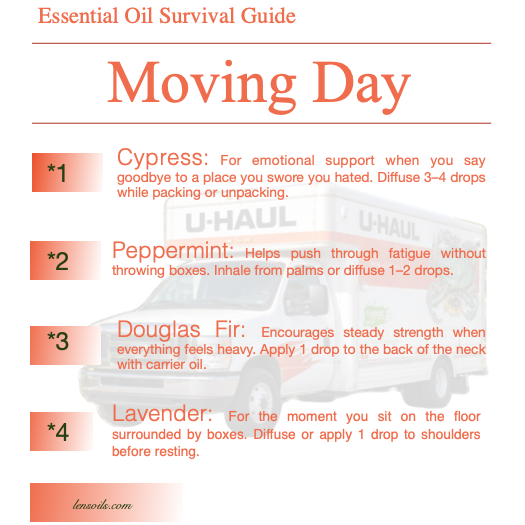
Moving day is equal parts physical exhaustion and emotional whiplash. Boxes are stacked, furniture is heavier than you remembered, and somehow everything feels urgent all at once. Between loading trucks, saying quick goodbyes, and trying not to lose important paperwork, it’s easy to feel overwhelmed. This Moving Day Survival Guide is about staying steady through the chaos—keeping your energy up, your emotions grounded, and reminding yourself that once the last box is loaded, a new chapter is already in motion.
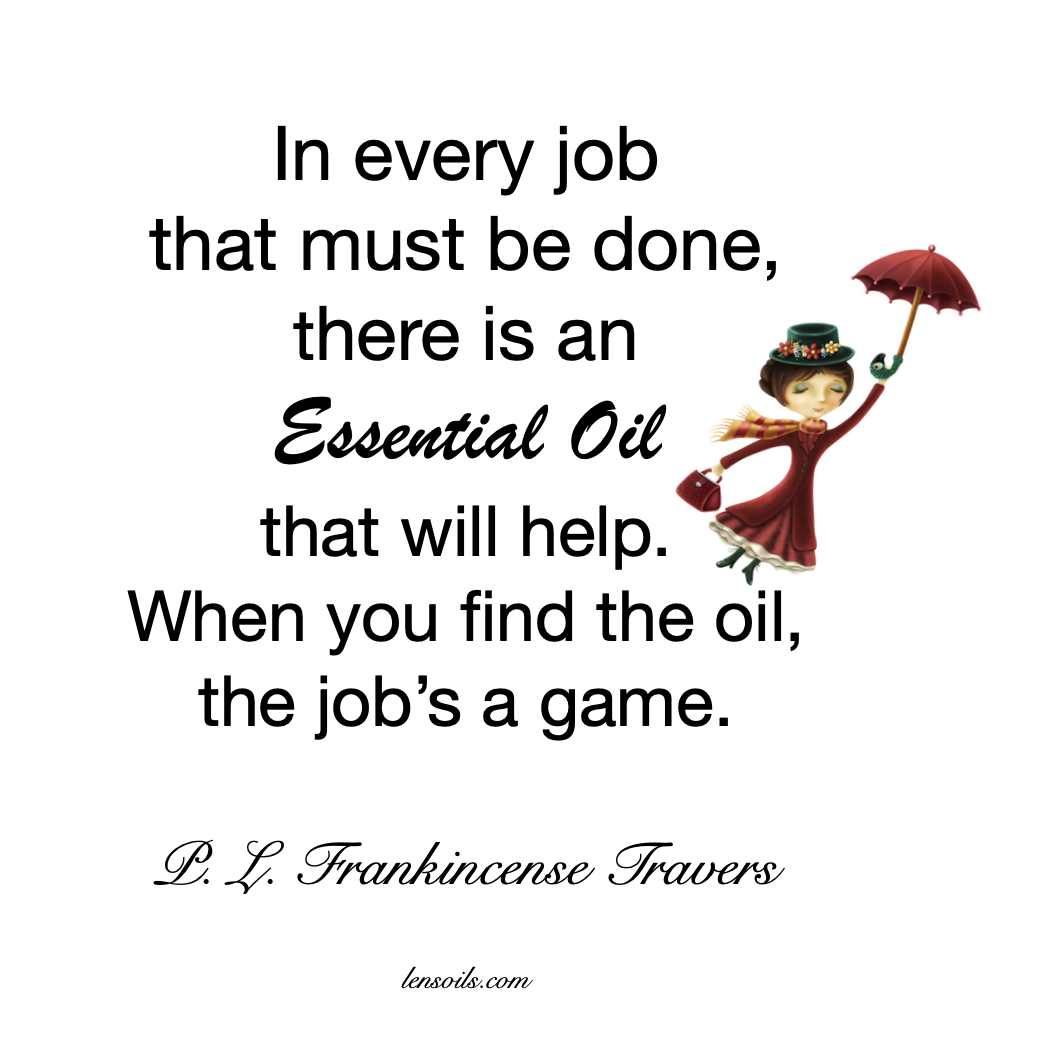
In every job that must be done, there really is an essential oil that will help — not because it magically finishes the job, but because it keeps you from sighing loudly, checking the clock, and questioning all your life choices. Find the right oil, and suddenly dishes feel competitive, laundry becomes a sport, and emails are answered with suspicious calm. Turns out the real magic isn’t the task becoming fun — it’s you staying sane long enough to finish it.
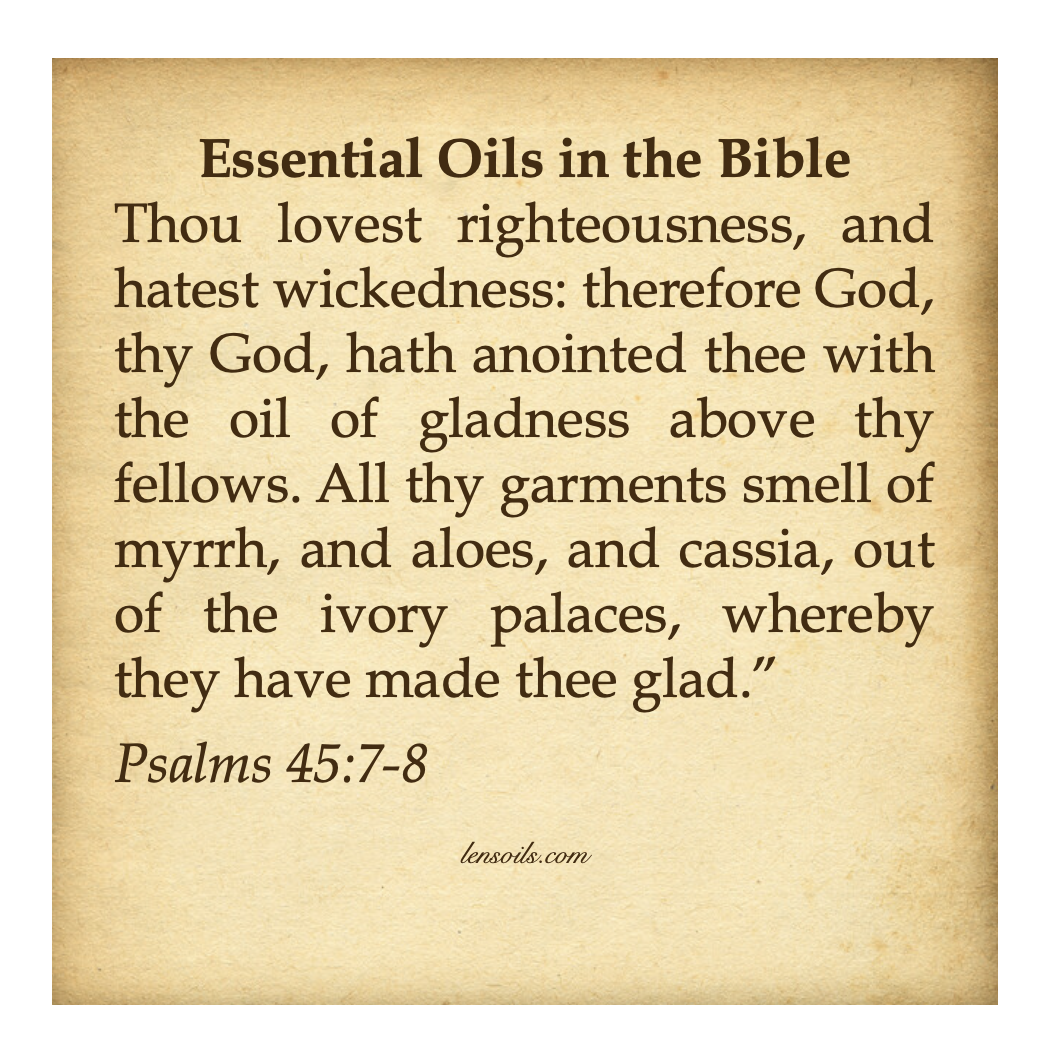
Psalm 45 was written as a royal wedding song, celebrating a king whose leadership was marked by justice, integrity, and joy. In the ancient Near East, kings were publicly anointed with oil as a sign of authority, favor, and divine approval. The “oil of gladness” in Book of Psalms reflects a real ceremonial act, where fragrant oils were poured as part of celebration, consecration, and honor. Joy was not only spoken of — it was seen, felt, and even smelled.
The mention of myrrh, aloes, and cassia points directly to essential oils known and prized in biblical times. These aromatic resins and woods were used in perfumes, sacred anointing oils, and royal garments, especially for important occasions. Clothing infused with these scents signaled abundance, joy, and distinction. The passage shows that fragrance was woven into spiritual life, leadership, and celebration, connecting righteousness with gladness through tangible, plant-based oils that lifted the senses and marked moments of divine favor.
Nine years ago, I was introduced to something that has transformed my life: essential oils.
Yes I was a big skeptic about them at first, but I now use essential oils on a daily basis in every area of my home, and they have completely changed my life! My medicine cabinet has been completely transformed, and I am now empowered with the tools and knowledge to care for my family.
When I realized I could get free products AND create residual income? I got really excited!
As a result, of my essential oil journey, and passion helping others, I’m ready to help you get started with your essential oil journey as well.
The best part about essential oils is that there is an option for everyone, whether you want to simply enjoy the products for yourself and transform your family’s health (and get free stuff in the process) OR you’re ready to build a team, create residual income, and get out of debt.
If any of these options sound appealing to you, let’s chat!
I’ll help you figure out which option will be the best fit for you, plus you can qualify for some awesome incentives in the process.
I can’t wait to talk to you!
I love sharing essential oils
Please text Free Sample or call me at 801-661-4786 I will be sure to get back to you as soon as possible. Or Send me an email at lfish64@yahoo.com with the heading Free Sample It will be an honor to help you in any way that I can. Or Write a letter requesting a Free Sample to Leonard Fish 5075 Rushton Acres Court West Valley City, Utah 84120
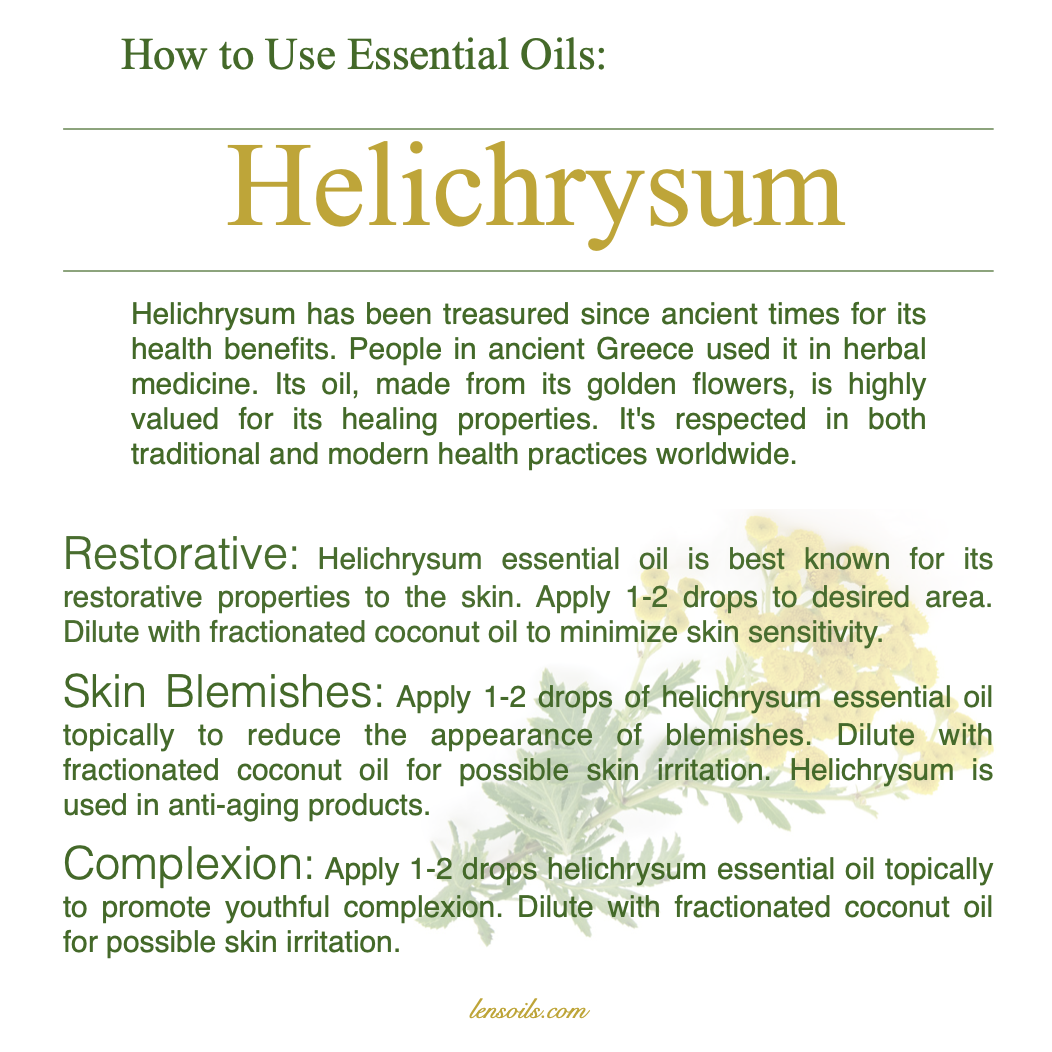
Helichrysum essential oil has been treasured since ancient times, with records showing its use in herbal practices as far back as ancient Greece. Steam distilled from its small, golden flowers, this oil has earned a strong reputation for supporting skin health and renewal. Today, it remains highly respected in both traditional and modern wellness practices around the world, especially for its gentle yet powerful restorative qualities.
Helichrysum is best known for its use in skin care routines. When diluted with fractionated coconut oil, one to two drops can be applied topically to support skin repair and promote a more youthful-looking complexion. It is commonly used to help reduce the appearance of blemishes and is a valued ingredient in many anti-aging products. With consistent, diluted use, helichrysum is appreciated for helping skin look smoother, clearer, and more refreshed.
Travel days have a way of stretching your patience, testing your plans, and reminding you that very little is actually in your control. Between rushing through terminals, watching departure boards change, and waiting to see if your luggage shows up, it helps to have simple supports that bring energy, clarity, and calm. This Travel Day Survival Guide isn’t about fixing the delays or the detours—it’s about staying steady, flexible, and relaxed enough to roll with whatever the journey brings and arrive a little more grounded than when you left.
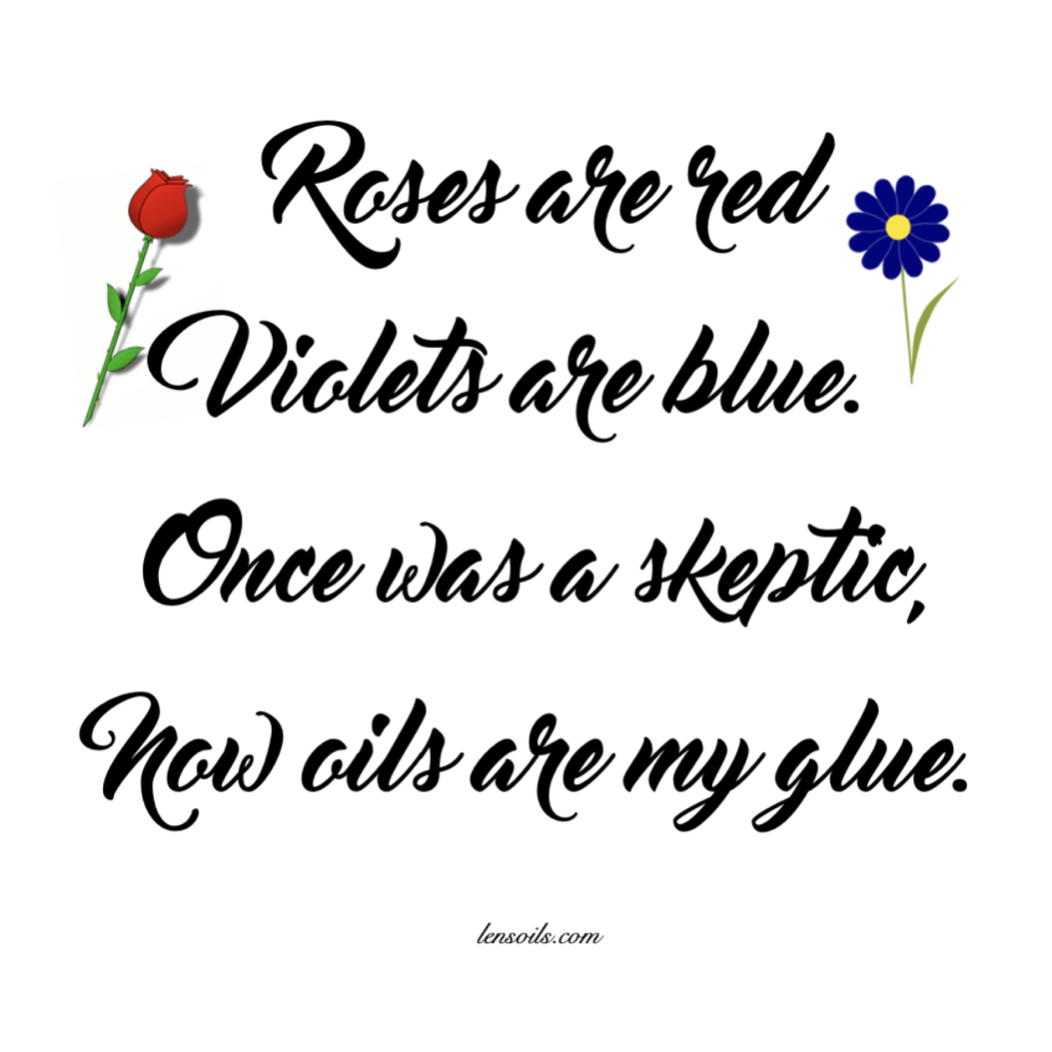
Roses are red, violets are blue, I laughed at essential oils like “yeah… sure, you do you.” Then stress showed up, sleep went missing, and life felt askew — now I’m labeling bottles like a chemist, saying “this one’s for Tuesday at two.” Funny how skepticism melts when calm sneaks through — turns out my new coping skill smells suspiciously like eucalyptus and citrus too.
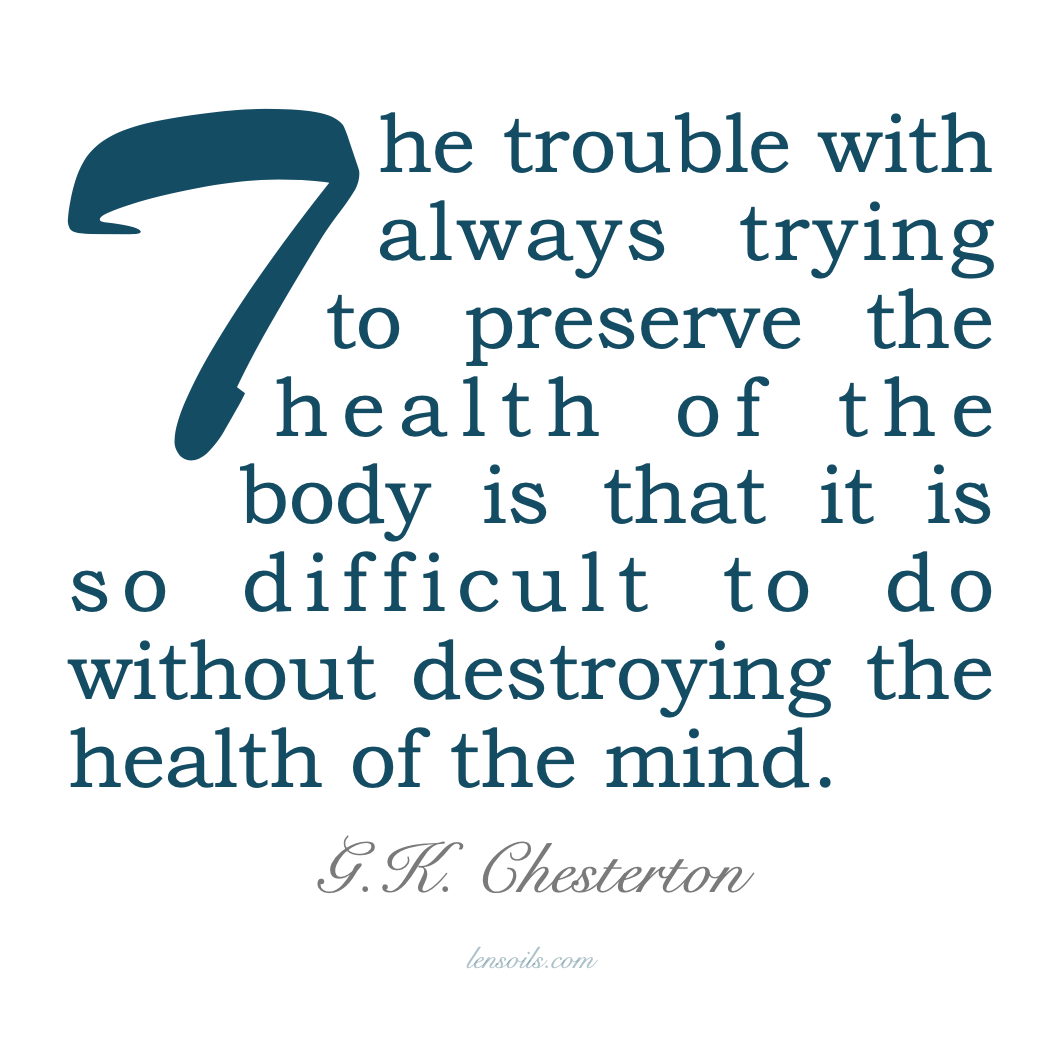
Chesterton nailed it: if you spend every waking moment trying to keep your body perfectly healthy, you may end up mentally exhausted and afraid of birthday cake. When health turns into constant monitoring, the mind never gets a day off. Real wellness leaves room for laughter, rest, indulgence, and the occasional rule-breaking snack. A sound body matters, but not at the cost of joy or peace of mind.
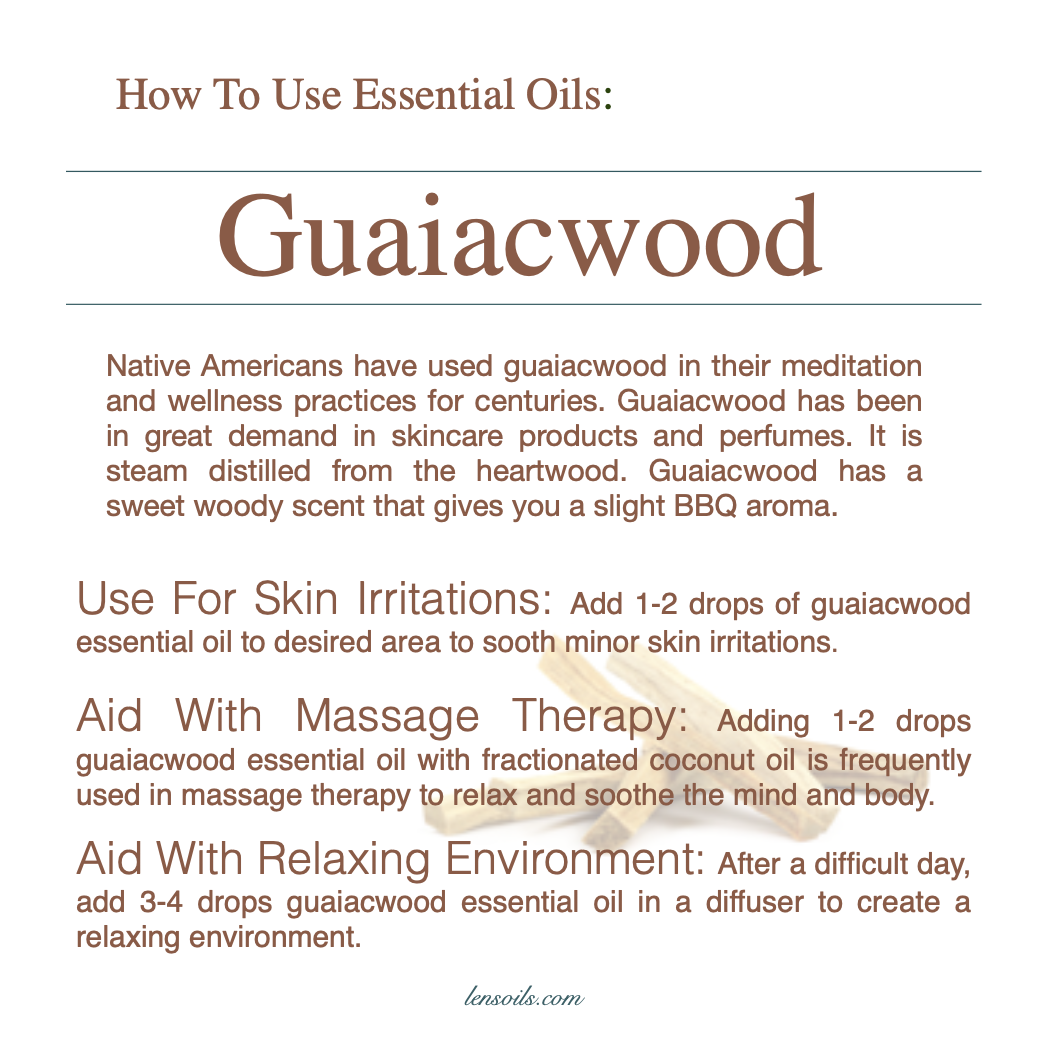
Guaiacwood essential oil has a long history of use, especially among Native American cultures that valued it for meditation and wellness practices. Steam distilled from the heartwood, this oil carries a rich, sweet, woody aroma with a subtle smoky note that many describe as gently reminiscent of a BBQ scent. Its grounding fragrance has also made it popular in perfumes and skincare products, where warmth and depth are desired.
In everyday use, guaiacwood essential oil is often chosen for its soothing qualities. When diluted and applied topically, it may help calm minor skin irritations. Blended with fractionated coconut oil, it is frequently used in massage therapy to promote relaxation of both the mind and body. Diffusing three to four drops after a long or stressful day can help create a calm, peaceful environment, making guaiacwood a comforting oil for winding down and restoring balance.
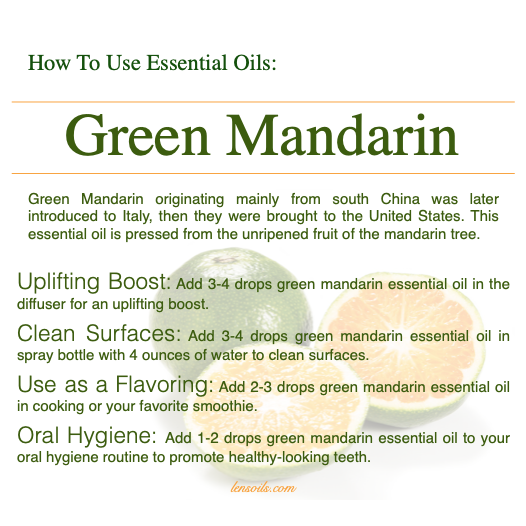
Green Mandarin essential oil is cold-pressed from the unripened fruit of the mandarin tree and has a fresh, slightly sweet citrus aroma that feels bright and cheerful. Originating in southern China, the mandarin tree later made its way to Italy and eventually to the United States, where it became valued for its gentle yet uplifting qualities. Diffusing three to four drops can provide an instant mood boost, helping create an environment that feels light, positive, and energized.
Beyond aromatherapy, Green Mandarin is a versatile oil for everyday use. Its naturally fresh scent makes it a pleasant addition to homemade surface cleaners when added to water in a spray bottle. The oil’s mild citrus flavor also works well in cooking or smoothies, adding a refreshing note to both sweet and savory recipes. Additionally, a drop or two can be incorporated into an oral hygiene routine to support healthy-looking teeth, making Green Mandarin a bright and practical oil for both wellness and home care.



 Len's Oils