Memory is the mental capacity to retain and recall facts, events, past experiences, and impressions, and aroma plays a significant role in enhancing memory. Essential oils like peppermint, frankincense, and rosemary can support memory and focus through their stimulating and grounding properties. Diffusing peppermint oil is particularly effective for creating a refreshing environment that promotes mental clarity.
To use essential oils for memory, try inhaling directly from the bottle, applying a few drops to your hands and inhaling, or wearing them as a cologne. For targeted application, dilute 1-2 drops of essential oil with fractionated coconut oil and apply to the temples or back of the neck. You can also place 1-2 drops under your tongue or add them to a beverage. Incorporating these methods into your routine can help enhance memory and concentration naturally.
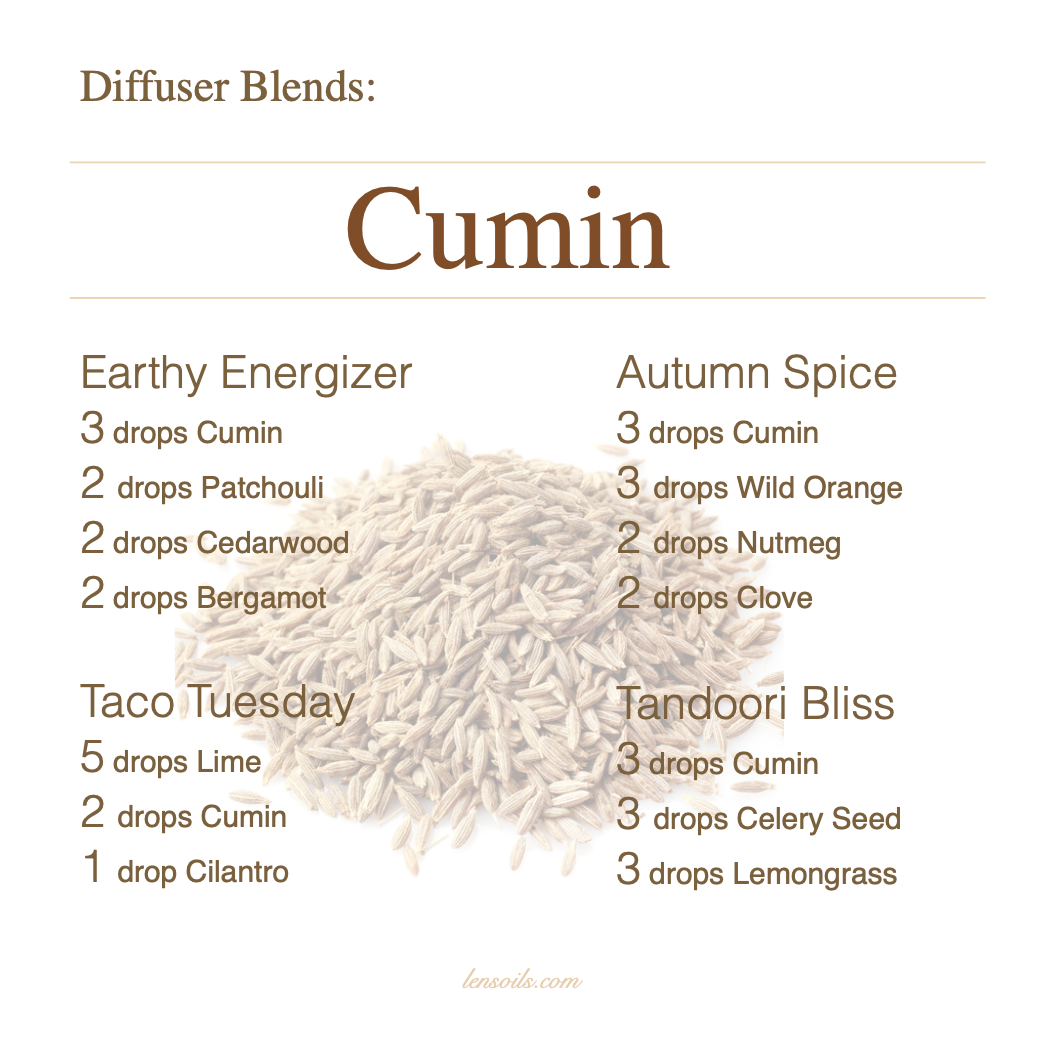
Wow, who knew cumin could take your diffuser blends on such a flavorful journey! From Taco Tuesday vibes to cozy autumn evenings and even a touch of Tandoori-inspired bliss, these blends are pure creativity in the air. Who’s ready to energize their space and spark some culinary inspiration? Let’s diffuse and dream big!
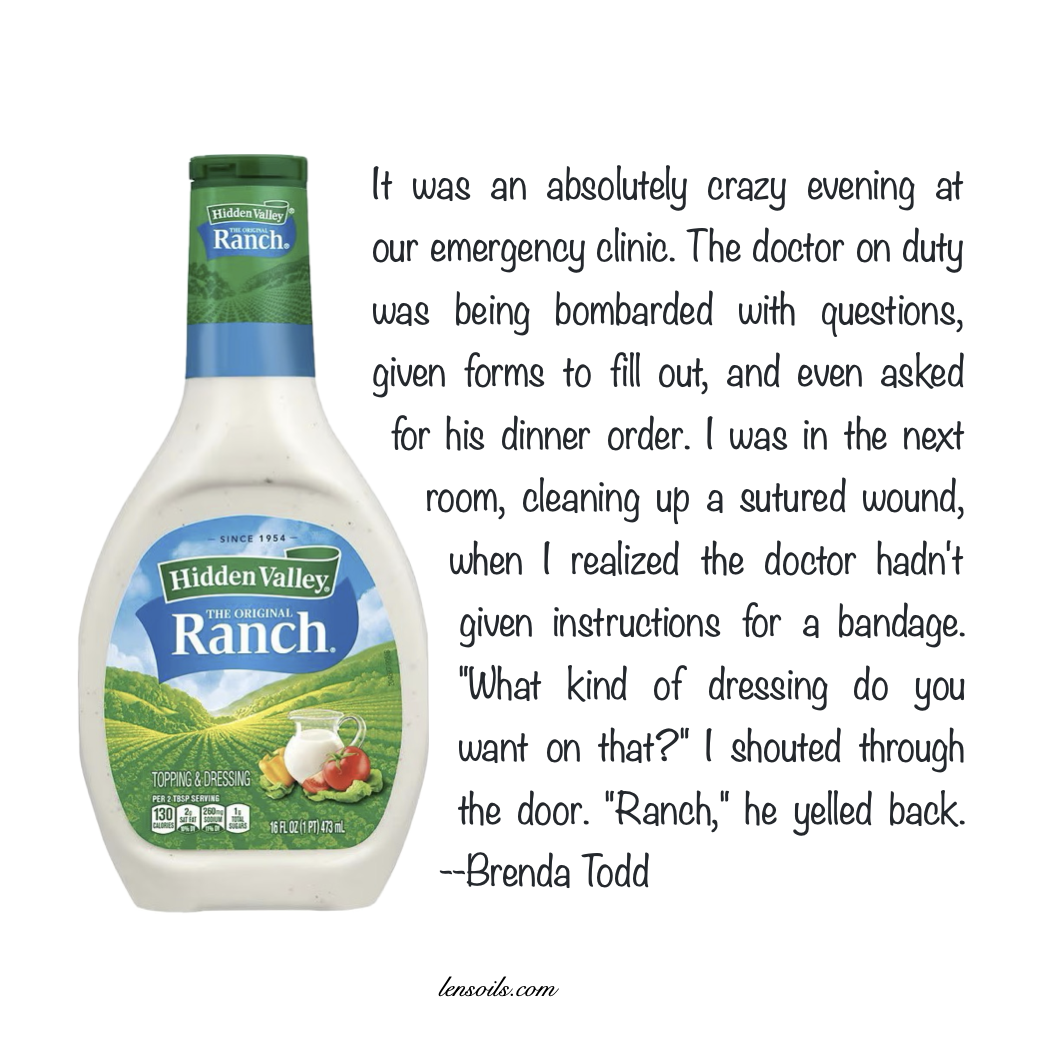
Well, that’s one way to “spice” up a medical emergency! Forget gauze—just slap on some ranch and call it a salad dressing. At least the wound will be well-seasoned for healing!
The Japanese proverb “One who eats plain food is healthy” reflects a longstanding cultural emphasis on simplicity, balance, and mindfulness in eating habits. This principle is deeply rooted in traditional Japanese philosophies about health, lifestyle, and harmony with nature.
Background and Cultural Context
Traditional Japanese Cuisine: Japanese cuisine, known as washoku, is characterized by its simplicity, seasonal ingredients, and balanced flavors. The focus is often on fresh, minimally processed foods like rice, vegetables, fish, and fermented products such as miso and pickles. These are considered wholesome and nourishing, contributing to longevity and overall health.
Philosophy of Simplicity: The concept of simplicity, or wabi-sabi, celebrates the beauty of the simple and the natural. This extends to food, where extravagance is often viewed as unnecessary and potentially harmful to health. Plain food, unadorned and wholesome, is seen as a way to sustain the body without excess.
Health and Longevity: Japan has one of the highest life expectancies in the world, which is often attributed to its diet. The proverb aligns with modern nutritional science, which emphasizes the benefits of whole, unprocessed foods and the dangers of excessive sugar, fat, and artificial additives.
Mindfulness in Eating: Japanese culture encourages hara hachi bu, the practice of eating until you’re 80% full. This approach not only prevents overeating but also promotes appreciation for simple, nourishing meals.
Modern Relevance
The proverb serves as a timeless reminder of the health benefits of simplicity in diet. In a world where processed and fast foods dominate, it encourages returning to basics—focusing on fresh, natural ingredients and mindful eating. This approach supports physical well-being and resonates with the broader Japanese philosophy of living in balance with nature.
In the quiet fields and rolling meadows of Europe, a delicate herb has flourished for centuries, its lacy white flowers and tiny purple centers a subtle adornment to the landscape. Known for its unassuming presence, this plant was often overshadowed by flashier flora, relegated to the background despite its longstanding use in rural traditions. However, hidden within its tiny seeds lay a secret waiting to be uncovered—one that would astonish even the most seasoned researchers.
This herb’s journey from obscurity began when early herbalists noted its deep taproot and admired its potential to soothe various ailments. Though its value was acknowledged in folk medicine, it remained largely ignored by the scientific community until renowned botanist Dr. Lila Anderson took notice. Driven by a passion for discovering the overlooked, Dr. Anderson dedicated her studies to the seed of this humble plant, uncovering extraordinary properties that would transform its legacy.
Dr. Anderson’s meticulous research revealed that the seed’s oil contained a wealth of beneficial compounds. Rich in carotene and vitamin A, it proved to be a powerful ally for supporting healthy skin, gums, teeth, and even eyesight. The oil’s ability to assist in cleansing the liver and its calming effects on sensitive areas sparked new interest in natural health solutions, bringing long-overdue attention to this once-forgotten herb.
What truly set the oil apart was its versatility. A few drops blended into skincare products could reduce the appearance of wrinkles, while its inclusion in smoothies and water provided internal wellness support. It also became a natural remedy for soothing sunburned skin and was praised for its ability to support eye health. As more people embraced its benefits, this extract became a celebrated tool in the quest for natural well-being.
This journey from humble origins to prominence demonstrates the transformative power of curiosity and research. By unlocking the secrets of this tiny seed, Dr. Anderson shone a light on a treasure hidden in plain sight—a gift from nature that bridges the gap between traditional wisdom and modern science.
The simple, wild carrot and its tiny, unassuming seeds hold the magic of carrot seed essential oil, a testament to the wonders of nature and the discoveries they inspire. Its story reminds us that even the most modest elements of the natural world can have profound impacts when given the attention they deserve. What was once overlooked in the fields of Europe has now become a celebrated gift, providing solutions for health and wellness in ways that transcend time and tradition.
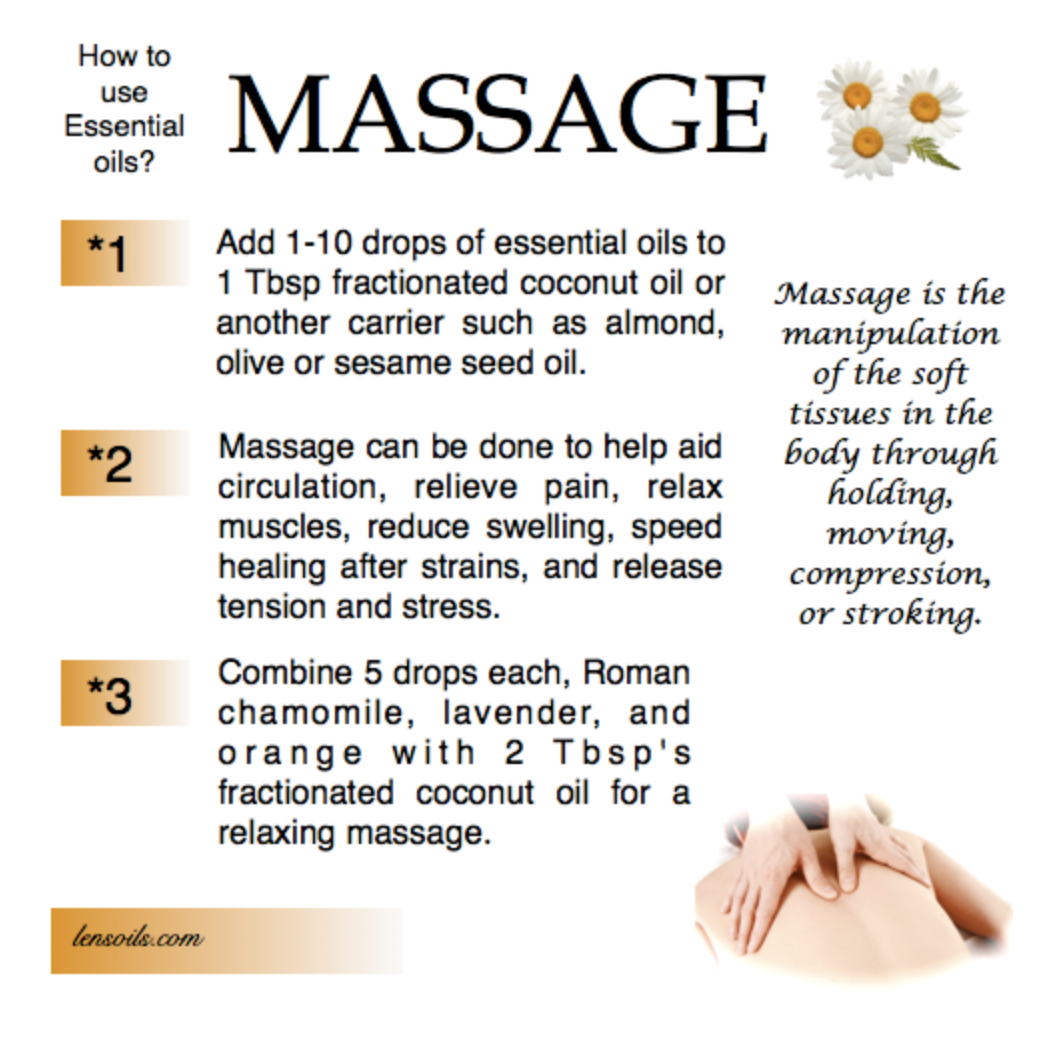
Massage is the manipulation of the body’s soft tissues through techniques such as holding, moving, compressing, or stroking. It can help improve circulation, relieve pain, relax muscles, reduce swelling, speed healing after strains, and release tension and stress. Essential oils can enhance the benefits of massage by adding therapeutic properties and soothing aromas. To use, dilute 1-10 drops of essential oil in 1 tablespoons of a carrier oil such as fractionated coconut, almond, olive, or sesame seed oil to ensure proper application and avoid skin irritation.
For a relaxing massage blend, combine 5 drops each of Roman chamomile, lavender, and orange essential oils with 2 tablespoons of carrier oil. This calming mixture can promote relaxation and ease tension. Massage the blend into the skin using gentle, purposeful strokes to maximize its benefits. Whether used for relaxation or targeted relief, essential oils can make your massage experience even more effective and enjoyable.
The passage from Esther 2:12 provides a fascinating glimpse into the beauty rituals and cultural practices of ancient Persia, where the events of the Book of Esther take place. Here’s the backstory to the use of essential oils and purification described in this verse:
Historical and Cultural Context
Persian Beauty Practices:
The setting of the Book of Esther is the Persian Empire during the reign of King Ahasuerus (often identified as Xerxes I). Persian royalty placed a high value on beauty and refinement, especially in their court.
Women chosen to enter the king’s harem underwent extensive beauty treatments as part of their preparation to appear before the king. These treatments were seen not only as a way to enhance their physical appearance but also as a ritual purification process, symbolizing worthiness and readiness to serve the king.
Use of Myrrh and Sweet Odors:
Myrrh: Myrrh is a resin obtained from the sap of trees in the Commiphora species, valued for its aromatic, medicinal, and preservative properties. In ancient times, it was used in anointing oils, perfumes, and embalming. For the women in the harem, six months of treatment with myrrh likely served to cleanse the skin, promote healing, and leave a pleasing scent.
Sweet Odors: This likely refers to a mix of aromatic oils, perfumes, and natural fragrances made from herbs, spices, and flowers. These treatments were meant to soften the skin, enhance beauty, and create an alluring fragrance.
Symbolism of the Process:
The 12 months of preparation underscored the significance of appearing before the king—it was not merely a physical transformation but also a symbolic process of purification and elevation.
The use of oils and scents had practical purposes (cleansing and moisturizing in a hot climate) and spiritual or ceremonial significance, as fragrances were often associated with divinity and favor.
Biblical and Spiritual Significance
Purification Rituals:
The purification process reflects broader biblical themes where oil is used for anointing and consecration. In the Bible, oil often symbolizes the Holy Spirit, healing, and sanctification.
In Esther’s case, the extended preparation underscores her journey from an orphaned Jewish girl to a queen chosen by God for a divine purpose—to save her people.
God’s Providential Plan:
While the verse focuses on the physical aspects of Esther’s preparation, it also sets the stage for the larger story of God’s providence. The physical anointing and purification parallel Esther’s spiritual readiness to fulfill her role as a deliverer for her people.
Modern Reflection
This verse highlights the significance of preparation—both physical and spiritual. It reminds readers of the care and dedication involved in stepping into a role of influence or service, as well as the importance of inner beauty and character that complements external refinement. Essential oils, as seen in Esther’s story, carry both practical and symbolic importance, connecting us to the ancient practices of self-care, reverence, and purpose.
For many years, I served as an elementary school custodian, taking care of the building and meeting the needs of the faculty and students. It was a demanding job, but I truly loved it. My love languages are words of affirmation and acts of service, so this role suited my personality perfectly. While there were moments of frustration, everyone knew I cared deeply about them.
Teachers would often ask, “When you get a chance, could you help move some desks or clean the carpet?” My response was almost always, “How about right now?” I prided myself on being flexible. Students would come to me to pump up their balls or retrieve the ones kicked onto the roof during recess. I did it all with a smile because I wanted them to know they mattered to me.
Still, I knew I couldn’t keep up with the fast-paced and physically demanding life of a custodian forever. Some days, I walked over 10 miles while working, especially during the intense summer cleaning sessions. One summer, overwhelmed and exhausted, I realized it was time to step away. I made the decision to retire rather suddenly. A few teachers and staff knew, but most of the students didn’t find out until the next school year when I wasn’t there anymore.
Though I moved on to a less stressful job, it hasn’t been as fulfilling as working with such a wonderful community of parents, teachers, principals, and students. One day, I got off work early and decided to stop by the school during lunch to visit. I checked in at the office, and as I was signing in, a class returning from P.E. spotted me. Their faces lit up, and the teacher asked me to come into the hallway to take a picture with her class. It warmed my heart.
When I walked into the lunchroom, I saw the first graders eating lunch. The last time I’d seen them, they were just kindergartners. Without hesitation, they leapt from their seats, ran over, and surrounded me in a massive group hug. The force of their excitement almost lifted me off my feet. It was so emotional. They all knew I loved them, and I could tell they missed me just as much as I missed them. In that moment, my heart felt full—it was exactly what my soul needed.
I stayed through most of lunch, greeting students as they entered the cafeteria. Many hoped I was back for good. I explained that I wasn’t, but I had missed them and wanted to say hello. As I walked past one student, he looked up at me with his teary eyes and said, “Mr. Fish, you never said goodbye.” His words hit me hard and reminded me of something important: we all leave an impact on the lives of others, often without realizing the depth of that impact.
Reflecting on my time at the school, I’ve come to see that the relationships I built there have lasting meaning, not only for the students but for me as well. These connections remind me of how essential small acts of care and kindness are in creating a positive and nurturing atmosphere.
Now, as I explore new paths in life, I’ve found a way to continue nurturing those connections. Essential oils have become part of my journey, helping me maintain emotional balance and bring calmness into my daily routine. Just as I once used my work to serve others, I now share these oils with those around me, offering a simple way to support their well-being. It’s another reminder that even small actions—whether retrieving a ball from the roof or sharing a soothing scent—can make a lasting impact on someone’s life.
Jet lag occurs when your body’s internal clock is disrupted due to rapid changes in daylight and nighttime while traveling across time zones. To help your body adjust, use invigorating essential oils like peppermint and eucalyptus in the morning to promote alertness. At night, calming oils such as lavender and geranium can encourage relaxation and restful sleep. This approach helps ease the transition between different time zones.
To apply, mix 2-3 drops of your chosen essential oil with 1 tablespoon of fractionated coconut oil. Massage this blend onto your back, legs, shoulders, and feet to experience its benefits. This practice can be especially helpful during long flights or upon arrival in a new destination, making your journey more comfortable and rejuvenating.






 Len's Oils