Black pepper essential oil is rich in monoterpenes and sesquiterpenes, powerful compounds known for their antioxidant properties. These compounds help the body combat environmental and seasonal challenges by supporting overall immune function. Beyond its internal benefits, black pepper essential oil is commonly used to promote circulation and soothe sore muscles. Its warming properties make it a popular choice for massage therapy when combined with a carrier oil, helping to relax tense muscles and joints. Historically, black pepper has been valued not only as a prized spice but also for its medicinal benefits in traditional healing practices.
Incorporating black pepper essential oil into a daily routine can offer multiple benefits. Taking 1-2 drops in a veggie cap can provide support during times of seasonal threats, while adding a drop to meals enhances the flavor of meats, soups, and entrées. It is also known for its ability to soothe anxious feelings, as inhaling its warm, spicy aroma can help promote emotional balance. Additionally, black pepper oil can aid digestion when taken internally, helping to stimulate digestive enzymes and improve nutrient absorption. Its ability to support gut health makes it a useful tool for those looking to improve overall digestive function naturally.
Among these uses, black pepper essential oil is also recognized for its potential role in supporting nicotine withdrawal. Research suggests that inhaling black pepper essential oil may help reduce cravings and withdrawal symptoms for those trying to quit smoking. The oil’s stimulating properties can mimic the sensation of inhaling tobacco, which may help curb the urge to smoke. This makes black pepper essential oil a valuable tool not only in cooking and wellness but also in lifestyle changes aimed at promoting better health.
Birch essential oil has a strong, minty aroma that is often mistaken for wintergreen. Though the two are not botanically related, they share nearly identical chemical constituents, particularly methyl salicylate, which gives them their signature scent and pain-relieving properties. Birch has a long history of use, dating back to American Indian tribes and early American settlers who brewed tea from its bark. This tea was valued for its ability to ease discomfort and support overall wellness, making birch a staple in traditional herbal practices.
Today, birch essential oil is commonly used for its respiratory and skincare benefits. Diffusing 3-4 drops can help promote clear breathing, making it useful during seasonal changes or when dealing with congestion. Its astringent properties also make it beneficial for oily skin—mixing a few drops into a favorite lotion may help balance excess oil and improve skin texture. Additionally, birch oil is well known for its ability to soothe sore muscles. When blended with fractionated coconut oil or a sports cream, it provides relief after intense activity, making it a favorite among athletes and those with active lifestyles.
Among these uses, birch essential oil is also valued for its ability to enhance focus and mental clarity. Adding 3-4 drops to a diffuser can help sharpen concentration, making it an excellent oil to use during study sessions or work. Additionally, some research suggests that birch may have antimicrobial properties, which could make it a useful natural addition to home cleaning solutions. With its fresh, crisp aroma and diverse applications, birch essential oil remains a powerful and versatile tool in natural wellness.
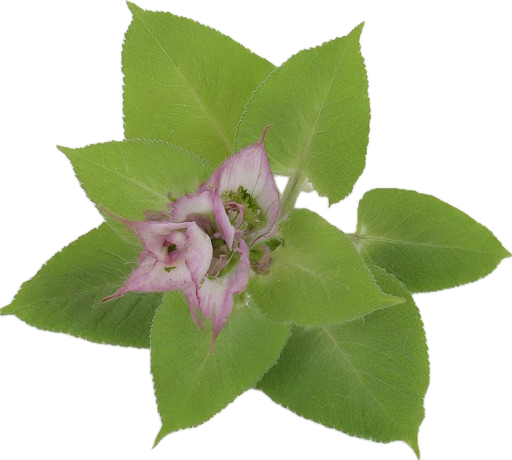
It was a time when medicine was crude and knowledge of plants held the key to survival. For centuries, a certain herb grew wild across the Mediterranean, its soft, green leaves soaking in the sun, its pale purple blossoms opening to the morning light. The people who harvested it found something remarkable—when crushed and steeped in water, its leaves released a fragrance unlike any other.
But its true power wasn’t in its scent. Healers of old discovered that this plant had a peculiar effect on the mind—it soothed frayed nerves, lifted the weight of sorrow, and even seemed to sharpen vision. The ancient Greeks and Romans recorded its medicinal properties, and during the Middle Ages, it was cultivated in monastery gardens for use in herbal remedies. Physicians of the time prescribed it for ailments ranging from digestive issues to eye conditions, leading to its reputation as a powerful healing herb.
By the 16th century, this humble plant had made its way into the apothecaries of Europe. A renowned German physician and botanist, Leonhart Fuchs, documented its uses in one of the first comprehensive herbal medicine books of the Renaissance. Fuchs noted that the plant’s oil could calm the body and mind, ease muscle tension, and was beneficial for women’s health. Herbalists across Europe took note, and it became a staple in medicinal gardens.
Then, during the 18th century, a shift occurred. This plant’s oil became more than a remedy—it became an inspiration. A French perfumer named Jean-Louis Fargeon, best known for crafting fragrances for Queen Marie Antoinette, experimented with plant extracts to create complex and elegant scents. While historical records do not confirm that he specifically used this plant, perfumers of his era prized its ability to enhance floral notes and provide a soft, musky warmth. Over time, it became a valuable ingredient in perfumes and cosmetics, bridging the worlds of medicine and luxury.
In more recent times, scientists began to study what herbalists had long known. Research confirmed that this plant contained compounds capable of easing tension, promoting relaxation, and supporting skin health. It wasn’t just an old wives’ tale—this plant was, in fact, a treasure trove of natural benefits. Aromatherapists found that diffusing its oil before bed encouraged restful sleep, and mixing it with carrier oils created a soothing massage experience.
One person in particular helped bring this herb back into modern healing practices. A woman named Margaret Maury, a French biochemist and aromatherapist in the 20th century, studied the effects of plant oils on the body and mind. She played a key role in integrating essential oils into therapeutic massage and holistic medicine, emphasizing their ability to support emotional well-being. Her work helped revive interest in this remarkable plant, making it widely available to those seeking natural wellness solutions.
Today, this herb is found in wellness products, beauty treatments, and even hospital settings, where it is used to help calm patients. Its essential oil is cherished for its ability to soothe the skin, promote relaxation, and strengthen hair. A few drops in a warm bath with Roman chamomile create a stress-relieving soak. A diffuser can fill a room with its calming aroma before sleep, and when blended with fractionated coconut oil, it transforms into a rejuvenating massage treatment.
The tall, delicate plant with its soft, purple blossoms holds the secret to one of nature’s most soothing and restorative oils, Clary sage. From ancient healers to modern science, its power has remained undeniable for this remarkable herb, offering comfort, balance, and healing to those who seek it. And now you know the rest of the story.
I enjoy sharing essential oils and when I am not spreading the joy through oils I love writing books. This has become a very fun outlet for me. I hope children enjoy reading this story as much as I enjoyed writing it. This book is geared towards 4th to 6th grade readers.
“Endurance and Triumph” is an exciting adventure story perfect for young readers. Join Ernest Shackleton, a brave explorer, on his epic journey to Antarctica, the coldest place on Earth. Follow Shackleton and his crew aboard the ship Endurance as they face incredible challenges, from getting trapped in thick ice to surviving harsh weather and dangerous icebergs. Through teamwork and Shackleton’s inspiring leadership, the crew overcomes these obstacles, making important scientific discoveries about Antarctica’s history and encountering amazing animals like penguins, seals, and whales. When their ship is crushed by ice, Shackleton leads a daring escape in a small lifeboat to get help, showcasing his determination and courage. The book concludes with the lasting impact of Shackleton’s adventures on modern science and exploration, encouraging young readers to explore their own surroundings and dream big.
Please order your copy on Amazon Books. This is a perfect book to get your kids excited about reading this summer.
Please let me know how your children like my book.
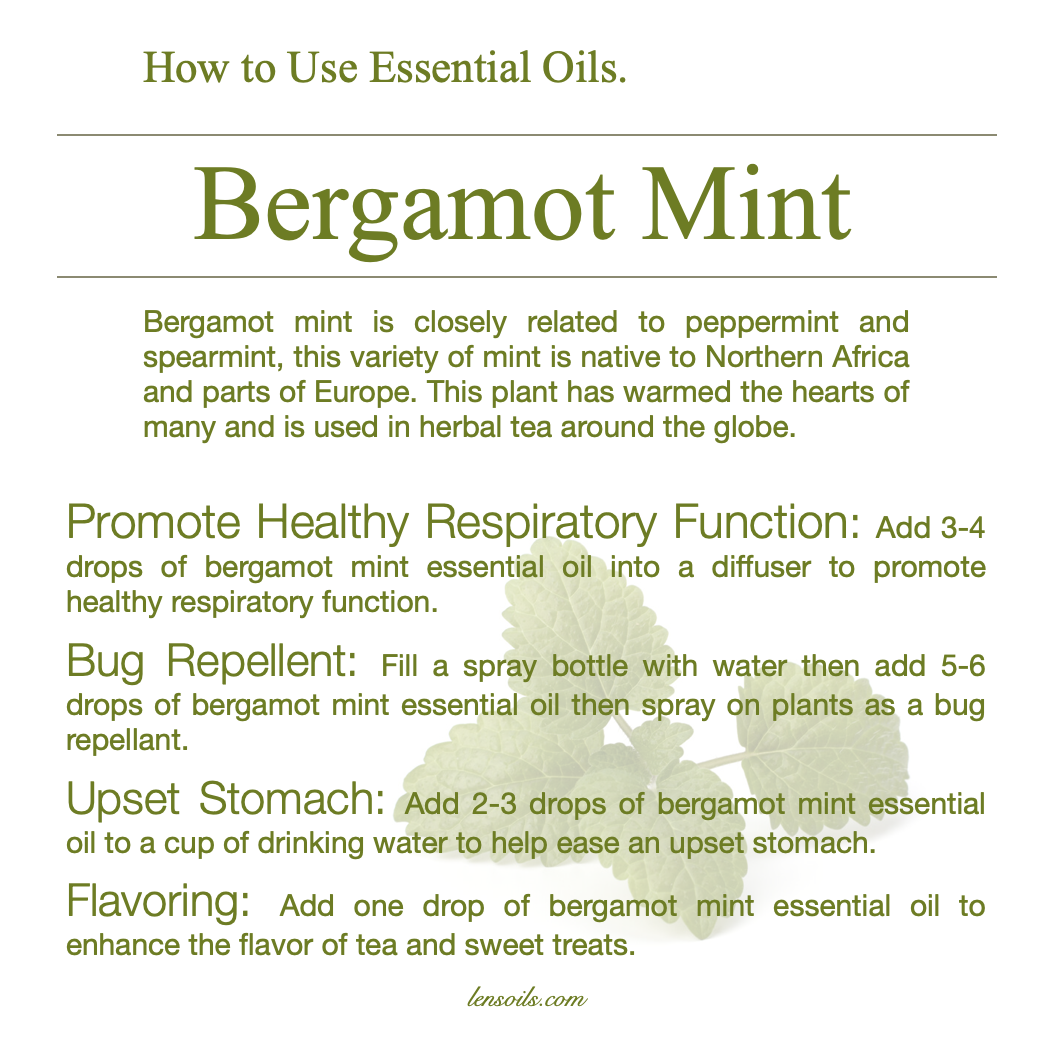
Bergamot mint, a close relative of peppermint and spearmint, is native to Northern Africa and parts of Europe. Unlike true bergamot, which comes from citrus, bergamot mint belongs to the mint family and carries a mild, floral aroma with hints of citrus. This plant has been cherished for centuries, commonly used in herbal teas worldwide for its soothing properties. Its gentle scent and refreshing taste make it a favorite in both culinary and wellness applications, providing a natural way to uplift the senses and promote relaxation.
Beyond its pleasant aroma, bergamot mint essential oil offers a range of health benefits. Diffusing 3-4 drops can support healthy respiratory function, helping to clear airways and promote easier breathing. It is also known for its ability to repel insects naturally—adding 5-6 drops to a spray bottle filled with water and misting it on plants can deter pests without the use of harsh chemicals. For digestive support, 2-3 drops in a cup of water can help soothe an upset stomach, making it a useful remedy for occasional discomfort. Additionally, a single drop can enhance the flavor of teas and desserts, bringing a fresh, minty-citrus note to homemade treats.
Among these uses, bergamot mint is also valued for its calming and stress-relieving properties. It contains linalool and linalyl acetate, compounds commonly found in lavender, which contribute to relaxation and emotional balance. This makes bergamot mint an excellent choice for aromatherapy, particularly for those who want the benefits of mint without the intensity of peppermint or spearmint. Whether used to support digestion, freshen the air, or promote relaxation, bergamot mint is a versatile essential oil that blends the best qualities of both citrus and mint.
Dr. Bruce Berkowsky: A Pioneer in Natural Healing and Essential Oils
Dr. Bruce Berkowsky is a leading expert in natural healing, essential oils, and holistic wellness. With over 40 years of experience, he has dedicated his career to developing innovative healing systems that integrate various alternative medicine disciplines. His work combines traditional naturopathy, herbal medicine, homeopathy, nutrition, and aromatherapy to help people improve their health naturally. Through his extensive research and teaching, he has influenced the way essential oils and natural healing methods are used.
One of Dr. Berkowsky’s most notable contributions is the Natural Health Science System™ (NHSS), which blends scientific principles with holistic healing techniques. This system is designed to help individuals achieve better health by understanding the deep connections between the body, mind, and nature. NHSS integrates both Eastern and Western medical philosophies, offering a well-rounded approach to natural health.
Another key aspect of Dr. Berkowsky’s work is Spiritual PhytoEssencing™ (SPE), a unique healing method that focuses on using essential oils for emotional and spiritual well-being. This technique combines elements of herbal medicine, psychology, Chinese medicine, and ancient healing traditions. By carefully selecting and blending essential oils, SPE aims to address deep-rooted emotional imbalances and promote overall wellness.
Dr. Berkowsky has an impressive educational background. He holds degrees and certifications in traditional naturopathy (N.M.D., MRN, CTN), herbal medicine (M.H.), nutrition (Ph.D.), and homeopathy (DHM, H.M.C.). He is also nationally certified in massage and bodywork (NCTMB) and has expertise in aromatherapy and constitutional iridology. His vast knowledge allows him to provide a comprehensive approach to healing that combines multiple natural therapies.
As an accomplished author, Dr. Berkowsky has written several books on essential oils and holistic health. Some of his well-known works include “Berkowsky’s Synthesis Materia Medica/Spiritualis of Essential Oils” and “Essential Oils and the Cancer Miasm.” These books serve as valuable resources for those interested in learning more about the healing properties of essential oils and their connection to overall health.
In addition to his books, Dr. Berkowsky has contributed articles to various health magazines, such as Massage and Bodywork, Aromatherapy Today, and Total Health. He has also been a featured guest on multiple radio and television talk shows, where he shares his insights on natural healing and essential oils. His work has helped educate a broad audience about the benefits of holistic health practices.
Dr. Berkowsky is also the president of Joseph Ben Hil-Meyer Research, Inc., a research organization dedicated to studying natural health science. His research focuses on understanding the connection between human health and nature’s rhythms. He believes that by aligning with natural cycles and using plant-based remedies, individuals can achieve better physical and emotional health.
A strong advocate for personalized treatment, Dr. Berkowsky emphasizes the importance of tailoring healing methods to each individual’s unique needs. He believes that no two people are alike, and their healing journeys should be customized accordingly. This philosophy is central to both NHSS and SPE, which focus on selecting therapies that align with an individual’s physical and emotional constitution.
Through his books, courses, and research, Dr. Berkowsky has helped countless people understand the power of essential oils and natural healing. His dedication to blending scientific knowledge with ancient healing traditions has made a lasting impact on the world of alternative medicine. Whether through his teachings or his writing, his work remains a valuable resource for those looking to explore the benefits of natural health and wellness.
John Kensington, a wealthy businessman in 19th-century London, spent decades amassing a fortune. He owned textile mills, invested in railways, and lived in a grand estate. But in his relentless pursuit of wealth, he neglected his well-being—working long hours, surviving on rich but unhealthy meals, and avoiding rest. At 55, he was diagnosed with severe heart disease. His doctor told him, “All your gold cannot buy back your health.” Forced into retirement, John sought cures in European spas, hiring the best physicians, but nothing restored his youth or energy. One day, he visited an old friend, a modest farmer named Samuel, who lived simply but was strong and full of life. As they sat in the countryside, John realized that Samuel, though poor in riches, had something far more valuable—good health. That day, John uttered, “I would trade all my wealth to feel as you do.” But time had run out, proving the truth of the old proverb: good health is above wealth.
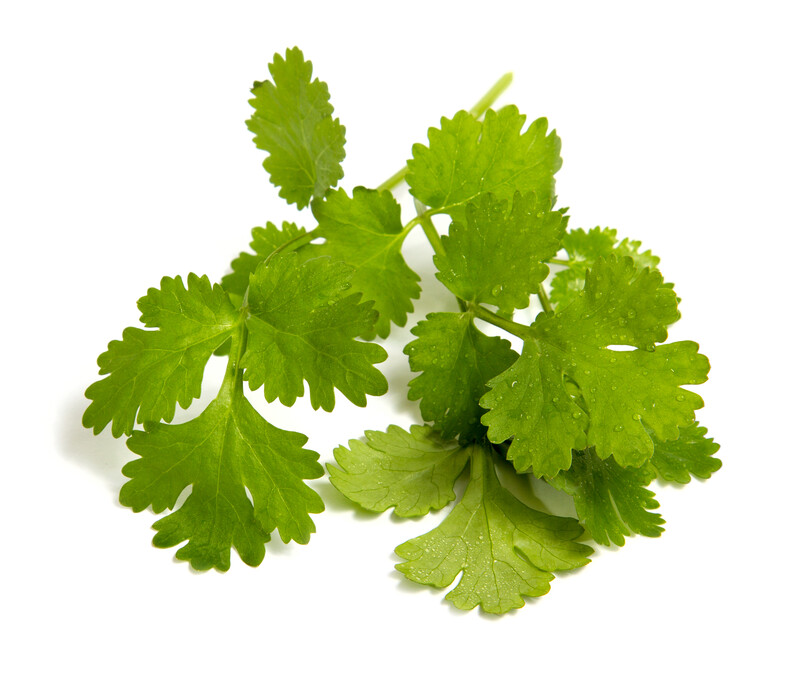
For centuries, an unassuming green herb has graced tables across the world, its fragrance as distinct as its flavor. It has been crushed into pastes, steeped into teas, and scattered atop dishes from Mexico to India. Ancient civilizations knew of its powers long before modern science confirmed its worth. Traces of it have been found in the tombs of Egyptian pharaohs, nestled alongside gold and sacred artifacts, hinting at a value that extended far beyond the kitchen. Hippocrates, the father of medicine, spoke of its medicinal properties, while Chinese healers used it to rid the body of toxins.
In the Middle Ages, it was rumored to hold mystical qualities, a belief likely rooted in its ability to purify and restore. Traders carried its seeds along the Silk Road, sharing its secret with distant lands. The Spanish conquistadors ensured its presence in the New World, where it flourished in the warm, fertile soils of the Americas. Today, it is a staple in kitchens worldwide, yet it remains one of the most polarizing ingredients in culinary history—beloved by some and despised by others.
Its scent, bright and citrusy to some, is curiously soapy to others, a perception dictated by genetics. Charles J. Wysocki, a behavioral neuroscientist, uncovered the genetic link that determines whether one will relish its fresh, tangy bite or recoil at its pungency. This divisive reaction is rooted in olfactory receptors, proving that taste, at times, is simply a matter of biology. But beyond its flavor, it harbors an arsenal of benefits that modern science has only begun to unravel.
Dr. Ellen Silbergeld, a toxicologist renowned for her work in environmental health, found that this little leaf could do what few other plants could—it binds to heavy metals in the body, aiding in their safe removal. Its detoxifying properties have made it a subject of research in holistic medicine, where it is lauded for its ability to cleanse the bloodstream and support liver function. Some have even referred to it as nature’s own “chelation therapy.”
Not just a detoxifier, this herb is a digestive ally. Its essential oils contain compounds that soothe the gut, reducing bloating and discomfort after a heavy meal. A single drop of its concentrated essence, mixed into water, can help the body process rich or indulgent foods. For those who prefer its raw form, adding it to meals not only enhances flavor but also promotes gut health.
Its uses extend beyond digestion and detoxification. Researchers have found that its antioxidant properties may support the body’s defenses against oxidative stress. With a rich profile of vitamins A, C, and K, it contributes to skin health, immune support, and overall well-being. And when paired with lime in a diffuser, its fresh herbal aroma invigorates the senses, bringing a touch of nature indoors.
For all its uses, it remains misunderstood by many. Some associate it with humble street food, while others see it as a refined touch in gourmet cuisine. It has been praised in Ayurvedic medicine for its healing properties, studied by Western scientists for its detoxifying effects, and endlessly debated at dinner tables around the world. Cilantro, with its distinct flavor, divides opinions—fresh and citrusy to some, overwhelmingly soapy to others, a reaction dictated by genetics. Yet, despite the controversy, it continues to thrive in cultures across the globe, enhancing meals, supporting digestion, and purifying the body. A staple in kitchens from Mexico to India, a remedy in holistic medicine, and a topic of scientific curiosity, this humble herb holds a history as rich as its flavor.
Bergamot is the most delicate of the citrus plants, requiring a unique combination of climate and soil to thrive. Known for its uplifting and calming properties, bergamot has been used by Italians for centuries to help reduce feelings of stress and promote overall well-being. It is a popular choice for aromatherapy, often diffused in classrooms, workplaces, or homes when tension runs high. Just a few drops in a diffuser can create a soothing environment that fosters relaxation and mental clarity.
Beyond its effects on mood, bergamot essential oil is highly valued for its skin-purifying benefits. When applied during a shower, it not only provides a calming aroma but also supports clear, healthy skin. Mixing bergamot oil into a DIY facial cleanser enhances its cleansing properties, helping to refresh and rejuvenate the complexion. It can also be used in a relaxing nighttime routine by applying a few drops to the bottom of the feet or blending it with fractionated coconut oil for a soothing massage before bed.
In addition to its well-known stress-relieving and skincare benefits, bergamot has been studied for its potential impact on digestion and appetite regulation. Some research suggests that bergamot essential oil may help support healthy metabolic function when taken internally in small, appropriate amounts. Its ability to balance emotions, improve skin health, and potentially aid digestion makes bergamot an incredibly versatile essential oil with a long history of use in both traditional and modern wellness practices.
The passage from Song of Solomon 4:13-14 is part of a poetic love song that symbolizes deep affection and devotion. The Song of Solomon, also known as the Song of Songs, is traditionally interpreted as a dialogue between King Solomon and his beloved, often seen as an allegory of God’s love for His people. In these verses, the beloved’s presence is compared to a flourishing garden filled with rich, fragrant plants and valuable spices, highlighting both beauty and abundance. The imagery of pomegranates, spikenard, saffron, cinnamon, frankincense, myrrh, and aloes suggests a place of great delight, luxury, and spiritual significance. These plants were not only treasured for their aromatic qualities but were also used for anointing, purification, and healing in biblical times.
Essential oils and aromatic resins played a profound role in the daily lives and religious practices of ancient Israel. Spikenard, for instance, was a costly and precious oil often associated with worship and anointing, as seen when Mary anointed Jesus’ feet with it (John 12:3). Frankincense and myrrh, famously given to Christ at His birth, were used in sacred rituals, symbolizing prayer, purification, and divine presence. Cinnamon and calamus were key ingredients in the holy anointing oil described in Exodus 30:23-25, used to consecrate priests and sacred objects. These oils were not merely for fragrance—they carried spiritual and medicinal properties, valued for their ability to heal, preserve, and set apart.
The inclusion of these plants and oils in Song of Solomon suggests more than just physical attraction; it speaks to the richness of love and devotion that mirrors divine intimacy. The garden imagery reflects Edenic perfection, symbolizing the restoration of harmony between humanity and God. Just as essential oils were used for anointing and healing, the love described in this passage is one that refreshes, restores, and sustains. This passage, steeped in sensory richness, not only illustrates the deep bond between the lovers but also points to the sacred role of aromatic plants in biblical culture—used for healing, worship, and as an expression of divine blessing.







 Len's Oils