Tag Archives: Respiratory

How to Use Essential Oils: Under the Tongue

Using essential oils under the tongue is known as the sublingual route, which allows the oil to enter the bloodstream quickly through the tissues beneath the tongue. This method bypasses the digestive system, enabling faster absorption and more immediate effects. Essential oils taken this way can support various health benefits, including relaxation, immune support, and respiratory relief. However, it is crucial to use only high-quality, food-grade essential oils that are safe for internal use.

When applying essential oils under the tongue, tilt your head back slightly and carefully drip the oil without letting the dropper touch your lips. This prevents contamination and ensures a clean application. Allow the oil to absorb naturally without swallowing or drinking water immediately after, as this helps maximize its effectiveness. Some essential oils, such as peppermint or cinnamon, may feel intense, so dilution with a carrier oil like fractionated coconut oil may be necessary for a more comfortable experience.

Beyond immediate absorption, sublingual use of essential oils may enhance overall wellness by supporting the nervous and immune systems. Lavender (Lavandula angustifolia) is commonly used under the tongue for its calming effects and potential respiratory benefits. It may help soothe occasional throat irritation and promote relaxation. Incorporating this method into a wellness routine can provide fast-acting relief for stress, respiratory concerns, and overall balance.
Sage-Did You Know?

Sage
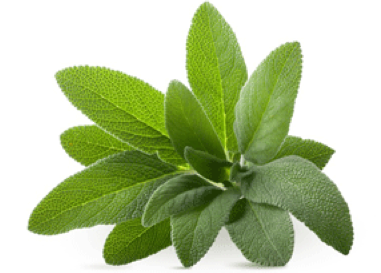
Did you know Sage is the oil of purification? Sage is known for its ability to cleanse energy, and spaces. It also purifies the body, and opens spiritual channels. Sage is a powerful energy cleansing oil. It can send away unwanted or hard to endure energies, and restore harmony, and balance. It plays a role in helping people who have experienced any form of abuse, also feeling a disconnect from their physical body.

Sage (Salvia officinalis) has a herbaceous spicy aroma. The Ancient Greeks and Romans used the leaves of both species as compresses for the treatment of wounds. The oldest reference is a depiction of Salvia fruticosa on a fresco at in Crete, which has been dated at about 1400 BC. The name salvia in fact comes from the latin, salvere, meaning to heal. It has been identified for its ability to strengthen the senses, and vital centers of the body.

Sage was used by herbalists externally to treat sprains, swelling, ulcers, and bleeding. Internally, a tea made from sage leaves has had a long history of use to treat sore throats and coughs; often by gargling. It was also used by herbalists for rheumatism, excessive menstrual bleeding, and to dry up a mother’s milk when nursing was stopped. It is helpful for supporting the respiratory, reproductive, and nervous systems. Sage may help in coping with despair and mental fatigue.

Cypress-Did You Know?

Cypress-did you know

Did you know Cypress is the oil of motion and flow? Cypress teaches our spirit how to let go of the past by going with the flow of life. Cypress gives support to people by helping them throw aside their worries and let go of control allowing them to enjoy the excitement that comes from being alive, and being fully in the present.

Mediterranean Cypress has been widely cultivated as an ornamental tree for millennia away from its native range, mainly throughout the whole Mediterranean region, and in other areas with similar hot, dry summers and mild, rainy winters. Natural forest stands of the species mainly occur in the western part of the Mediterranean region of Turkey.

It is also known for its very durable, scented wood, used most famously for the doors of St Peter’s Basilica in the Vatican City, Rome. The Mediterranean Cypress is also known as the “drama tree” because of its tendency to bend with even the slightest of breezes.

Cypress oil is known to mankind since ancient times and has been used in many traditional medicines. Aromatherapy has been another important usage of this essential oil which has been a common practice for a long time. It is also known for the cross on which Jesus was crucified was made from the wood of cypress tree.

The oil from the cypress tree assists with clear breathing. Promotes healthy respiratory function. Soothes tight, tense muscles. Supports localized blood flow. Beneficial for oily skin conditions. It has a grounding, yet stimulating effect on the emotions, making it a popular oil to diffuse during times of transition or loss.

Sage-Did You Know?

SageDid you know sage is the oil of purification? Sage is known for its ability to cleanse energy, and spaces. It also purifies the body, and opens spiritual channels. Sage is a powerful energy cleansing oil. It can send away unwanted or hard to endure energies, and restore harmony, and balance. It plays a role in helping people who have experienced any form of abuse, also feeling a disconnect from their physical body.

Sage (Salvia officinalis) has a herbaceous spicy aroma. The Ancient Greeks and Romans used the leaves of both species as compresses for the treatment of wounds. The oldest reference is a depiction of Salvia fruticosa on a fresco at in Crete, which has been dated at about 1400 BC. The name salvia in fact comes from the latin, salvere, meaning to heal. It has been identified for its ability to strengthen the senses, and vital centers of the body.

Sage was used by herbalists externally to treat sprains, swelling, ulcers, and bleeding. Internally, a tea made from sage leaves has had a long history of use to treat sore throats and coughs; often by gargling. It was also used by herbalists for rheumatism, excessive menstrual bleeding, and to dry up a mother’s milk when nursing was stopped. It is helpful for supporting the respiratory, reproductive, and nervous systems. Sage may help in coping with despair and mental fatigue.