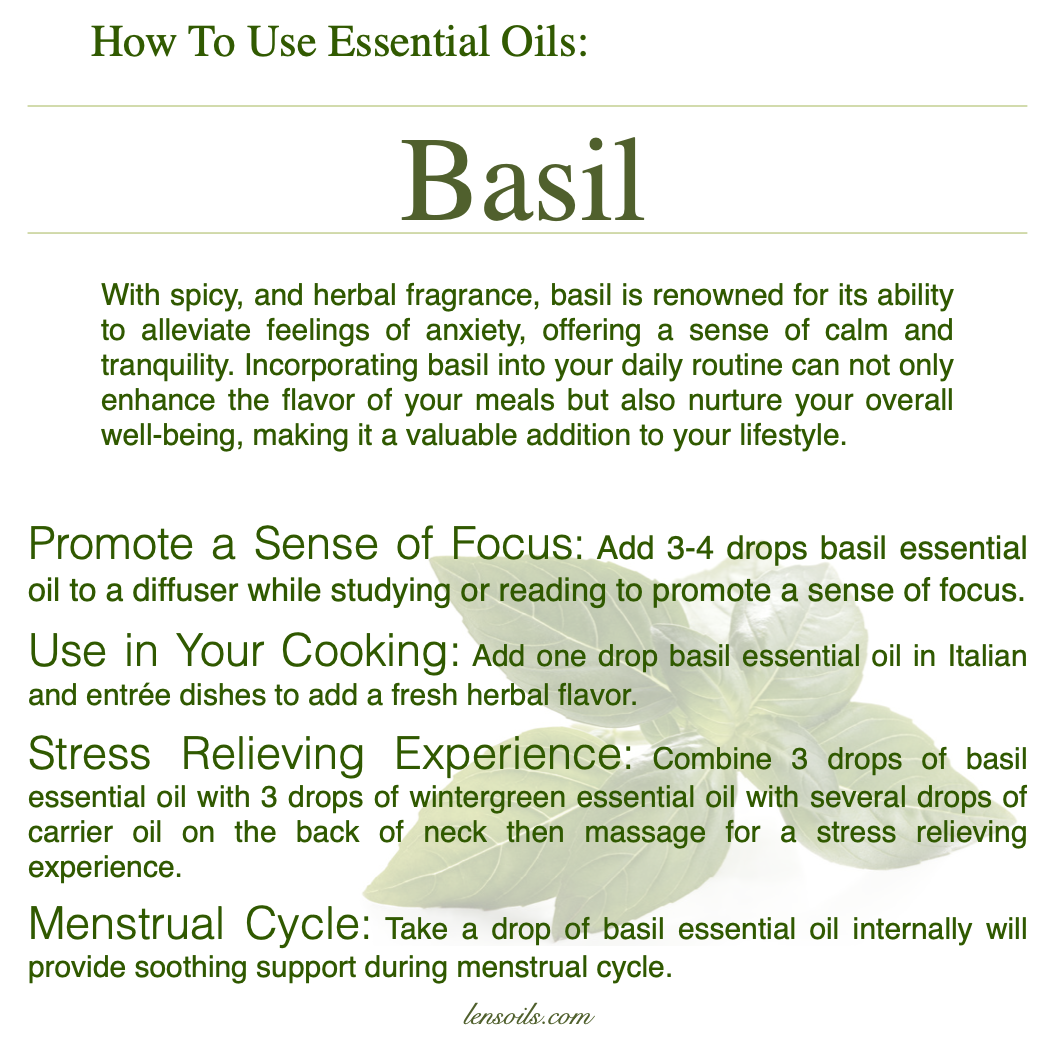
Basil essential oil, with its spicy and herbal fragrance, is well known for its calming properties. It is particularly effective in alleviating feelings of anxiety, promoting a sense of calm and tranquility. Incorporating basil into daily routines can provide both emotional and physical benefits, making it a valuable addition to self-care practices. Whether diffused for relaxation or applied topically for stress relief, basil oil can help enhance overall well-being while also offering its signature fresh scent.
Beyond its calming effects, basil essential oil is widely used to promote focus and mental clarity. Adding 3-4 drops to a diffuser while studying or reading can create a stimulating environment that enhances concentration. In the kitchen, basil essential oil can bring a burst of fresh herbal flavor to Italian dishes, soups, and entrees. For stress relief, combining 3 drops of basil essential oil with 3 drops of wintergreen oil and a carrier oil can create a soothing neck massage blend. Additionally, taking a drop of basil essential oil internally may provide comfort and support during the menstrual cycle, helping to ease occasional discomfort.
Basil essential oil also offers benefits for respiratory health. When inhaled, it can help open airways and promote clearer breathing, making it useful for seasonal changes or congestion. One simple way to use basil oil for respiratory support is to add a few drops to a bowl of steaming water, cover the head with a towel, and inhale deeply. This method can help ease breathing discomfort and provide a refreshing, invigorating experience. With its diverse applications, basil essential oil is a versatile and beneficial oil for both wellness and culinary use.
Shirley Price’s name is synonymous with the rise of aromatherapy as a respected and widely practiced art. Born and raised in the United Kingdom, Shirley’s childhood was steeped in curiosity and a love for the natural world. Growing up in a modest yet nurturing household, she was encouraged by her family to explore science, creativity, and holistic living. This early foundation would serve as the blueprint for her life’s work. With a passion for helping others and a fascination with the healing properties of plants, Shirley embarked on a journey that would position her as a pioneer in the field of aromatherapy.
Shirley’s first encounter with essential oils was transformative. At a time when aromatherapy was far from mainstream, she became captivated by the potential of oils like lavender and tea tree to promote physical and emotional well-being. Her early experiments with these natural extracts fueled her passion for learning, and she immersed herself in studying their properties. For Shirley, essential oils represented a bridge between traditional medicine and natural remedies, a connection that inspired her to delve deeper into this emerging field.
In the 1970s, Shirley Price turned her passion into a profession with the founding of Shirley Price Aromatherapy. Focused on producing high-quality essential oils, her company became a beacon of integrity and innovation. Shirley was meticulous in sourcing her oils, ensuring they were pure, ethically produced, and effective. As one of the first advocates for the therapeutic use of essential oils in the UK, her business set the gold standard for quality in the industry.
Central to Shirley’s work was her deep understanding of essential oils and their benefits. She championed oils like eucalyptus for respiratory health, chamomile for relaxation, and peppermint for energy and mental clarity. Shirley’s research and personal experience demonstrated the versatility of essential oils in enhancing well-being. She didn’t just sell oils—she educated her customers, teaching them how to use these natural remedies safely and effectively.
Believing that knowledge was the cornerstone of progress, Shirley devoted herself to educating others about aromatherapy. She authored several books, including the seminal Practical Aromatherapy, which became a must-read for those entering the field. Her writing demystified essential oils, blending scientific research with practical advice to make aromatherapy accessible to a wider audience. Shirley also worked with healthcare professionals, advocating for essential oils to complement conventional treatments.
Under Shirley’s visionary leadership, her business grew from a small operation into an international enterprise. Her efforts to legitimize aromatherapy as a complementary medicine included collaborations with scientists, therapists, and industry professionals. By building a body of evidence supporting the benefits of essential oils, Shirley played a critical role in the global acceptance of aromatherapy as both an art and a science.
One of Shirley’s lasting contributions was her commitment to quality. She insisted on rigorous testing and ethical sourcing for every product that bore her name. This dedication to excellence earned her the trust of clients worldwide and established standards that are still followed in the industry today. Her brand became synonymous with purity and reliability, elevating aromatherapy to a level of credibility it hadn’t previously achieved.
Shirley’s approach to health went beyond essential oils. She embraced a holistic philosophy, advocating for the integration of aromatherapy with other natural therapies, such as massage, reflexology, and meditation. Her vision emphasized the interconnectedness of physical, emotional, and spiritual health, inspiring many to adopt a more balanced and mindful lifestyle.
As her influence grew, Shirley took steps to ensure her work would endure. She established the Shirley Price International College of Aromatherapy, training a new generation of therapists to carry her vision forward. The college became a hub for education and innovation, equipping students with the tools to use essential oils effectively and ethically. Shirley’s legacy lives on through the countless lives she touched, both directly and indirectly.
Shirley Price’s contributions to aromatherapy have left an indelible mark. From a small UK business to a global movement, her passion and dedication turned a niche practice into a respected industry. Today, her name continues to inspire trust, innovation, and excellence in the world of aromatherapy. Through her work, Shirley proved that nature truly holds the key to healing, and her vision continues to guide those who seek to harness its power.
In the small German village of Aalen, nestled near the River Kocher, Johann Becker spent his days crafting rye bread infused with a peculiar spice. Johann wasn’t a famous baker, not yet, but his bread was different—it lingered on the tongue and settled the stomach. This wasn’t just any spice; it had been cherished for generations, from the markets of the Middle Ages to the dining tables of Europe.
Centuries earlier, in the Roman Empire, this seed was already a staple. The Roman naturalist Pliny the Elder wrote about its digestive benefits, describing how it was commonly added to bread and stews. The Romans also believed that this spice had protective qualities—some even carried it as a charm against misfortune. It was a fixture in their cuisine, medicine, and rituals, spreading across the empire as trade routes flourished.
In the 12th century, Hildegard von Bingen, the famed German abbess and healer, praised this tiny seed for its ability to soothe the stomach. She documented its use in treating digestive discomfort and called it a “gift of the earth.” Hildegard’s herbal remedies spread across medieval Europe, and her influence ensured that this seed remained a trusted remedy for centuries to come.
By the Elizabethan era, this spice had firmly established itself in England. Bakers added it to cakes and breads, and it was a common ingredient in festive dishes. A curious superstition arose: it was believed that anything containing this seed could not be stolen. Some even placed it in cabinets or carried it in small pouches as a safeguard. While the origins of this belief remain unclear, it persisted for generations.
In the 19th century, Dr. John Kellogg, a pioneer in health and wellness, experimented with the oil derived from this seed. At his Battle Creek Sanitarium, he advocated for its use in promoting digestion and oral health. Kellogg’s interest in natural remedies helped popularize essential oils in the medical community, reinforcing the long-standing belief that this seed was more than just a spice—it was a healer.
Meanwhile, in kitchens across the world, chefs continued to rely on its warm, peppery flavor. Eastern European and Middle Eastern bakers incorporated it into traditional breads, while French and German cooks used it in sausages and stews. This seed had an unmistakable aroma—one that deepened with heat, adding complexity to any dish it touched.
As the field of aromatherapy developed, scientists discovered that the seed contained carvone, a compound responsible for its distinct scent and therapeutic properties. Studies confirmed what ancient healers had long suspected—it aided digestion, freshened breath, and provided a sense of grounding and warmth. Its oil found its way into massage blends, mouth rinses, and even skincare routines.
Dentists and naturopaths recommended it for oral care, while herbalists blended it with other essential oils for relaxation and focus. It became a key ingredient in herbal teas, digestive aids, and natural remedies. In modern spas, its essential oil was combined with lavender to create soothing soaks, continuing the tradition of using this seed for both wellness and relaxation.
And now, with all the clues before you—the ancient kitchens, the writings of Pliny, the healing wisdom of Hildegard von Bingen, the science of carvone—you might think we’re talking about cumin or fennel. But no, the unsung hero of this story is caraway. With its zesty flavor, digestive benefits, and timeless aroma, it has touched lives for centuries.
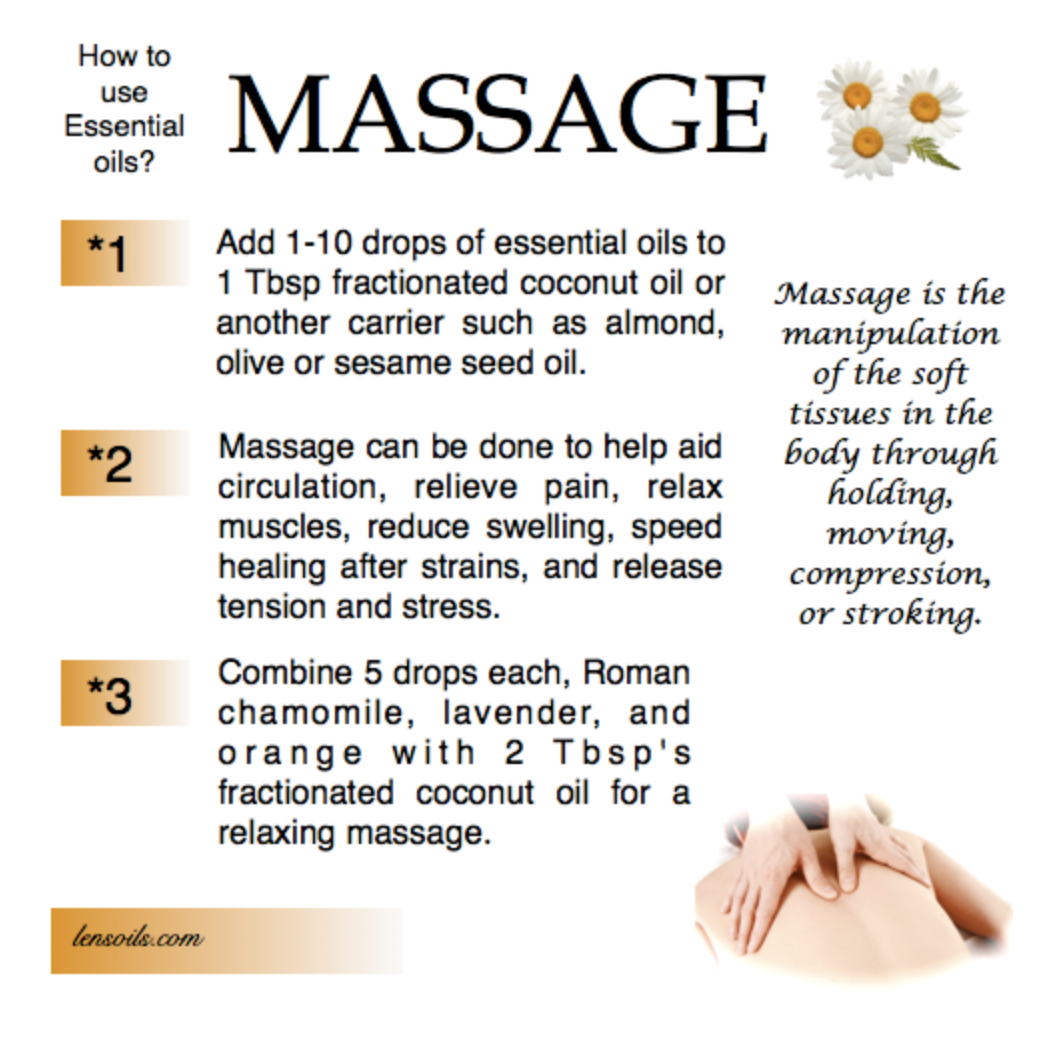
Massage is the manipulation of the body’s soft tissues through techniques such as holding, moving, compressing, or stroking. It can help improve circulation, relieve pain, relax muscles, reduce swelling, speed healing after strains, and release tension and stress. Essential oils can enhance the benefits of massage by adding therapeutic properties and soothing aromas. To use, dilute 1-10 drops of essential oil in 1 tablespoons of a carrier oil such as fractionated coconut, almond, olive, or sesame seed oil to ensure proper application and avoid skin irritation.
For a relaxing massage blend, combine 5 drops each of Roman chamomile, lavender, and orange essential oils with 2 tablespoons of carrier oil. This calming mixture can promote relaxation and ease tension. Massage the blend into the skin using gentle, purposeful strokes to maximize its benefits. Whether used for relaxation or targeted relief, essential oils can make your massage experience even more effective and enjoyable.
Bergamot blooms where the climate is right, In sun-soaked soil, kissed by light. A citrus gem, both rare and sweet, Its gifts to us are pure and complete.
In Italy’s hands, its power unfurled, Soothing stress in a bustling world. Diffuse its drops when tensions rise, And feel calm wash through, a sweet surprise.
A shower’s steam, a calming embrace, Bergamot purifies skin with grace. One drop, a breath, its aroma unfurls, A tranquil gift from nature’s pearls.
For bedtime peace, a massage supreme, Bergamot oils create a dream. Applied to feet with gentle care, Relaxation fills the evening air.
A cleanser’s touch, a drop or two, Bergamot makes your skin anew. Its purifying touch, a natural art, Caring for your skin and heart.
Oh, fragrant basil, herb divine, With spicy notes and touch of thyme, You calm the storm, you ease the mind, A tranquil balm for humankind.
In a diffuser, your essence flows, Promoting focus as knowledge grows. While studying or reading through the night, You sharpen thoughts and bring delight.
In kitchens, you take center stage, A single drop on the culinary page, Transforming dishes, fresh and bright, A taste of gardens in every bite.
For weary souls, you’re a tender balm, With wintergreen, you restore the calm. A massage of oils, the stress will cease, Neck to shoulders, you bring sweet peace.
During cycles, you lend your grace, A soothing touch, a warm embrace. Internally taken, a drop will do, To steady and comfort the body anew.
Oh, basil, friend of both heart and plate, A gift from nature, so simple, so great. In every drop, a story untold, Of wellness, flavor, and courage bold.
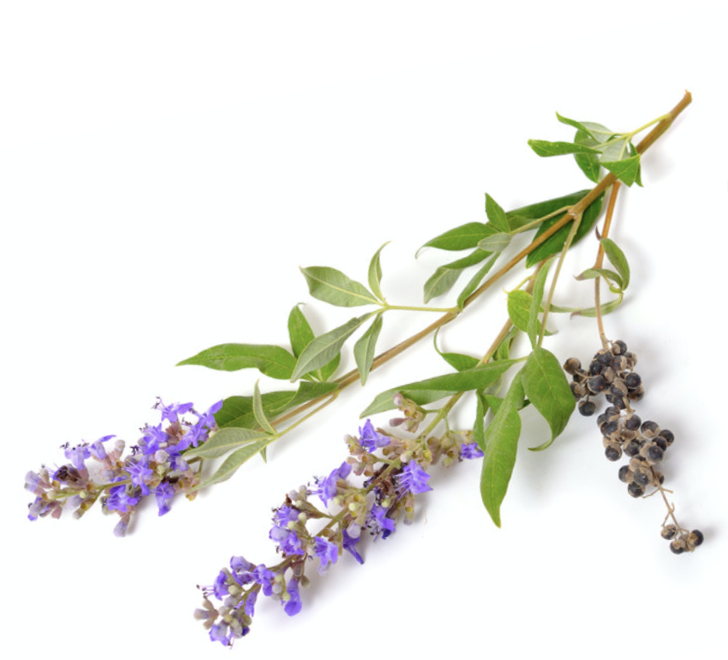
In lands where Mediterranean breezes blow, And Central Asia’s secrets quietly grow, There lies a shrub, Vitex it is named, With leaves like fingers, berries darkly famed.
From this blessed shrub, with petals of blue, Comes oil that whispers of wellness true. Vitex berry, essence divine, A gift to balance, to soothe, to refine.
In drops so small, its power unfolds, To harmonize the body’s intricate holds. For hormones rioting, seeking repose, Vitex berry whispers, it gently bestows.
Blend it with coconut’s comforting touch, On belly and throat, it works wonders as such. A potion to balance, to calm the soul, In moments of chaos, it plays its role.
When pain creeps in, its presence is near, Mix it with coconut, let it appear. Gently it eases, soothes every ache, A balm for the weary, a solace to take.
And when muscles tighten, in spasms they strain, Vitex berry whispers, releasing their pain. With coconut’s embrace, it melts away, Leaving behind a peaceful sway.
So praise to the Vitex, so ancient and wise, For the solace it brings, for the calm in our cries. In drops of its essence, we find our reprieve, A remedy cherished, in which we believe.
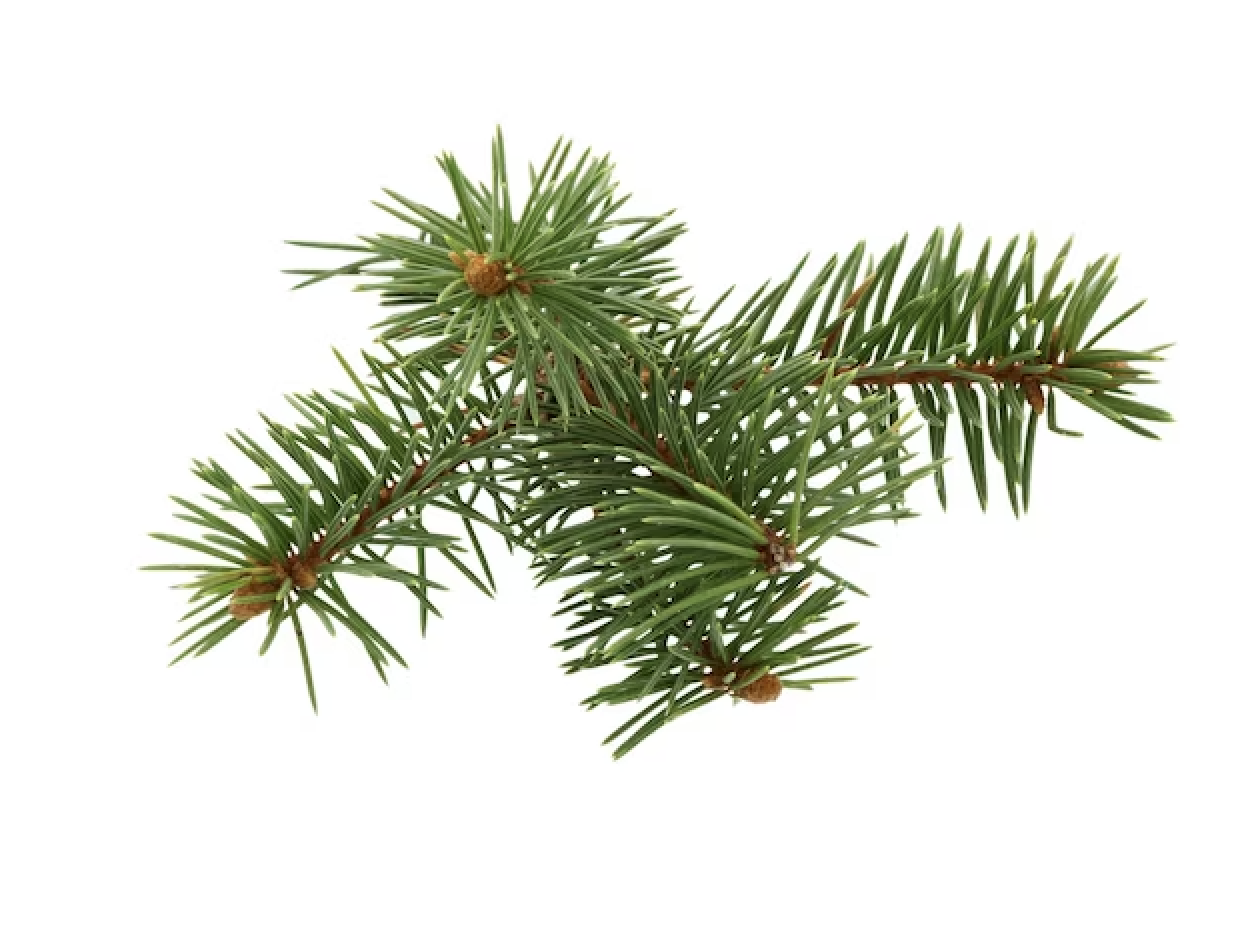
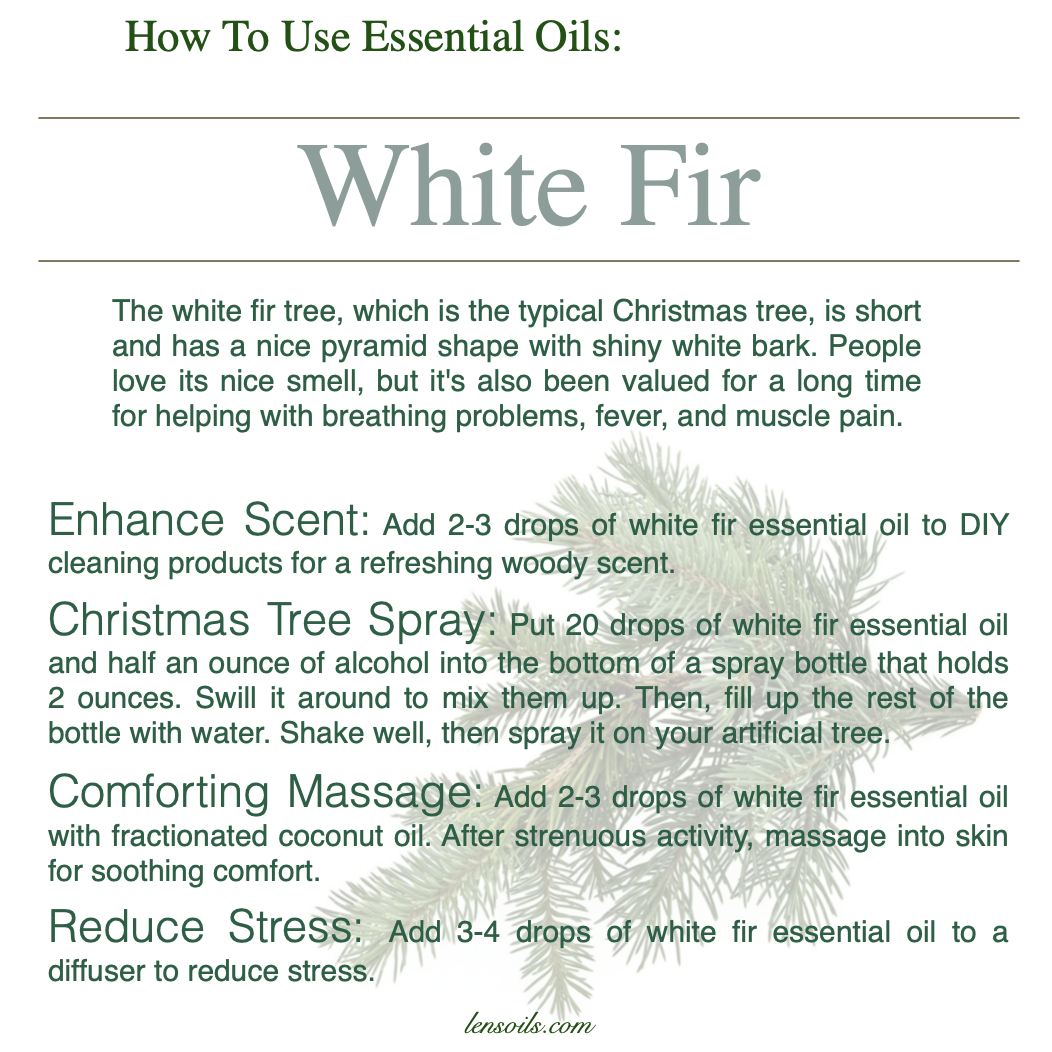
The white fir tree, often used as a Christmas tree, is short and has a neat pyramid shape with shiny white bark. People love its pleasant smell, but it has also been valued for a long time for helping with breathing problems, fever, and muscle pain.



 Len's Oils