Travel days have a way of stretching your patience, testing your plans, and reminding you that very little is actually in your control. Between rushing through terminals, watching departure boards change, and waiting to see if your luggage shows up, it helps to have simple supports that bring energy, clarity, and calm. This Travel Day Survival Guide isn’t about fixing the delays or the detours—it’s about staying steady, flexible, and relaxed enough to roll with whatever the journey brings and arrive a little more grounded than when you left.
Eucalyptus essential oil, distilled from the leaves of the Eucalyptus globulus tree, is well known for its crisp, camphorous aroma that feels clean, cooling, and invigorating. Native to Australia, the eucalyptus tree has long been valued by Aboriginal peoples for its many uses, including traditional remedies and practical applications. In essential oil form, eucalyptus is commonly diffused to help open the airways, refresh the senses, and create an atmosphere that feels clear and revitalized.
Beyond its respiratory support, eucalyptus essential oil is widely used for its cleansing and purifying qualities. A few drops can be added to household sprays or surface cleaners to help freshen and deodorize, or combined with lemon and peppermint for a bright, energizing diffuser blend. In personal care, eucalyptus oil is often added to massage blends or bath products for its cooling, soothing sensation on the skin when properly diluted. Its sharp, refreshing scent also makes it a popular addition to natural chest rubs and seasonal wellness routines.
Did You Know? The eucalyptus tree is sometimes called the “fever tree” because of its historical use in reducing fevers and purifying the air. During the 19th century, eucalyptus groves were planted in swampy regions of Europe to help control mosquito populations and reduce malaria. Today, eucalyptus is still a symbol of renewal and vitality, and its essential oil continues to be one of the most widely recognized for promoting clear breathing and a fresh, clean environment.
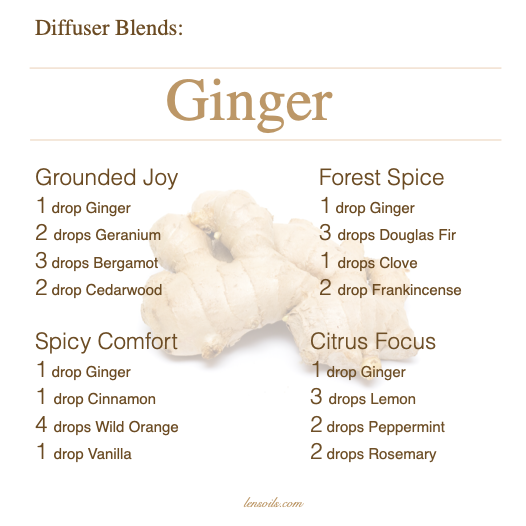
Ginger adds a warm, steady pulse to these blends, bringing both comfort and quiet motivation without stealing the spotlight. Grounded Joy feels balanced and emotionally lifting, where ginger gently anchors the florals and citrus, while Spicy Comfort is cozy and reassuring, like warmth spreading from the inside out. Forest Spice is especially grounding, blending ginger’s gentle heat with deep woods and resin to create a calm, reflective atmosphere. And Citrus Focus shows ginger’s energizing side, smoothing the sharper edges of lemon, peppermint, and rosemary so the blend feels clear, focused, and sustained rather than rushed.
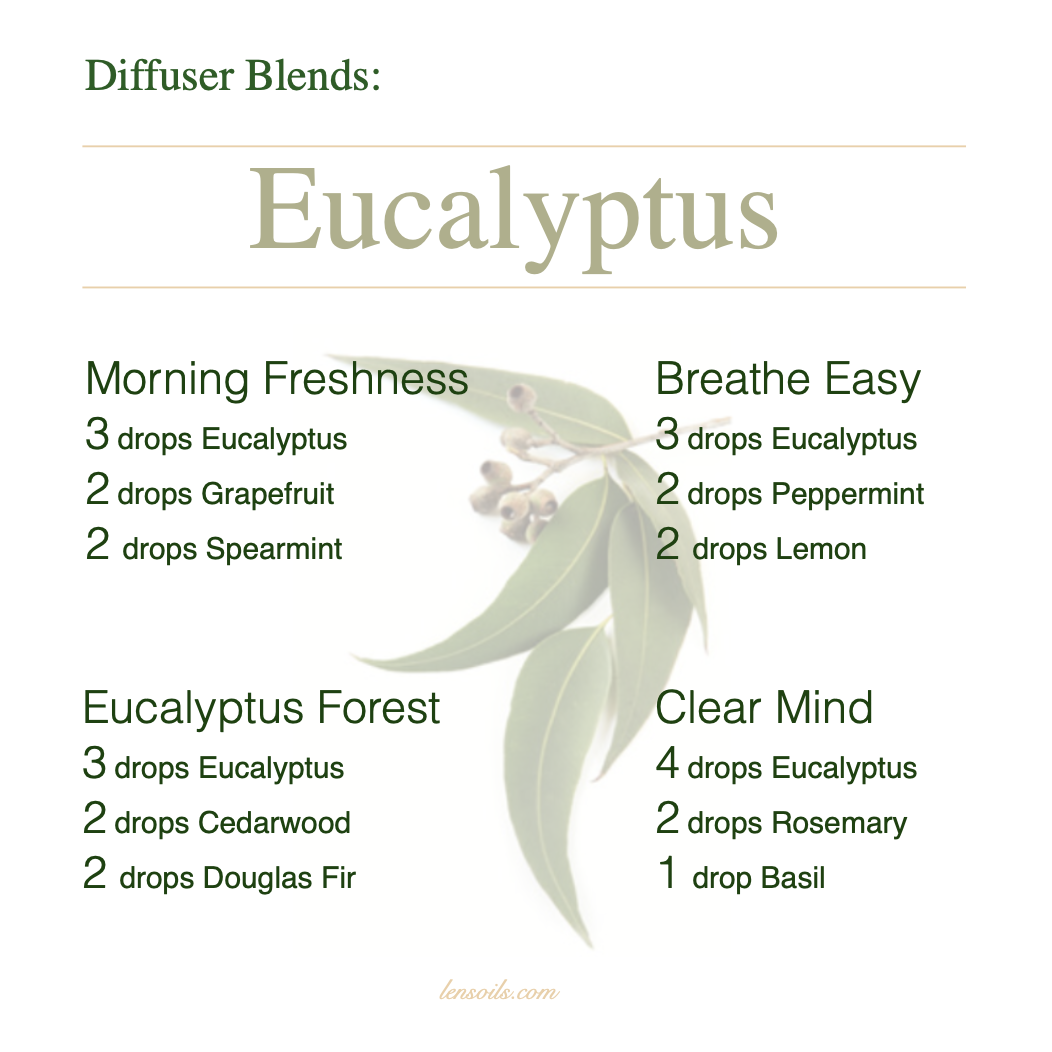
Eucalyptus diffuser blends are known for their crisp, invigorating aroma that clears the mind and refreshes the air. Often described as sharp and cooling, eucalyptus pairs well with peppermint or rosemary to support focus and mental clarity. Blended with citrus oils like lemon or grapefruit, it brightens the room and boosts energy. Many find its scent especially helpful during seasonal changes, creating a clean and open environment.
When combined with calming oils such as lavender or frankincense, eucalyptus takes on a more soothing character that eases tension and supports deep breathing. Its refreshing qualities can make any space feel like a breath of fresh air, encouraging both relaxation and vitality. Whether used for focus, energy, or comfort, eucalyptus blends bring balance by lifting the mood while keeping the atmosphere cool and clear.
Essential oils can be a natural way to boost energy and increase alertness throughout the day. One of the best ways to start your morning is by adding a few drops of peppermint or eucalyptus oil to the shower floor. As the steam rises, it carries the invigorating aroma of the oils, helping to wake up the senses and provide a refreshing start to the day. This method is especially useful for those who struggle with grogginess in the morning or need an extra push to feel energized.
For a portable energy boost, creating a DIY roll-on blend can be an effective solution. Mixing wild orange, peppermint, and lemon essential oils with a carrier oil in a roller bottle makes it easy to apply to pulse points such as the wrists, neck, or temples. This blend provides an uplifting and revitalizing scent that can be used throughout the day. Another quick method to regain energy is inhalation—simply rub peppermint oil in the palms, cup hands over the nose, and take deep breaths. This technique is particularly useful for afternoon slumps, helping to increase focus and refresh the mind.
Another lesser-known but effective method for boosting energy is using essential oils with a cold compress. Soaking a washcloth in cold water infused with peppermint or rosemary oil, then wringing it out and applying it to the back of the neck, provides a refreshing and cooling effect. This technique can help reduce fatigue, regulate body temperature on hot days, and provide instant invigoration. Incorporating these methods into a daily routine can naturally enhance energy levels and improve overall well-being.
Douglas Fir essential oil, with its fresh, clean, and slightly sweet evergreen scent, is a fantastic choice for creating diffuser blends that evoke the outdoors and bring a sense of calm and clarity. This versatile oil pairs beautifully with citrus oils like Lemon, Grapefruit, and Bergamot, adding a bright and uplifting note to its woodsy aroma. For a grounding and earthy vibe, blend Douglas Fir with Cedarwood, Sandalwood, or Vetiver. It also complements other tree oils like Siberian Fir, Black Spruce, and Cypress for a rich, forest-inspired aroma. To create a refreshing and invigorating blend, try pairing it with Peppermint or Eucalyptus. Douglas Fir’s versatility also extends to blending with warm spices like Clove or Cinnamon for a cozy, wintery feel. Whether you’re seeking a grounding, energizing, or soothing experience, Douglas Fir brings a crisp and natural element to any diffuser recipe.
Essential oils can be used through inhalation, which is the fastest route for them to enter the body. When inhaled, the oil’s molecules travel through the olfactory nerves in the nose directly to the brain. This process allows the brain to quickly send signals via the nervous system to areas experiencing pain, stress, or anxiety. Aromatherapy is widely used for emotional and physical well-being because of this direct connection between scent and neurological response.
There are several ways to use essential oils through smell. A diffuser is one of the most effective methods, dispersing tiny oil particles into the air for continuous inhalation. Another method is to inhale directly from the bottle or cap, which provides a quick and concentrated dose of aroma. Additionally, placing a few drops in the palms of your hands, rubbing them together, and cupping them over your nose allows for a personal and immersive experience. This method is particularly useful for on-the-go relief from stress, fatigue, or congestion.
Lemon essential oil (Citrus limon) is a popular choice for aromatherapy due to its uplifting and refreshing scent. It is commonly used to boost mood, improve focus, and cleanse the air. However, caution should be taken when using lemon oil topically, as it can cause extreme skin irritation and increases sensitivity to sunlight. If applied to the skin, it is recommended to avoid direct sunlight for up to 12 hours to prevent burns or irritation. Despite this, lemon oil remains a versatile and beneficial essential oil for both aromatic and topical applications.
Davana essential oil, with its sweet, fruity, and slightly herbaceous aroma, is a unique and versatile addition to any diffuser blend. Its rich scent is known for creating a warm, uplifting atmosphere and pairs beautifully with both floral and citrus oils. Davana blends well with oils like Orange, Grapefruit, and Lemon for a bright, cheerful aroma, or with Ylang Ylang and Geranium for a sweet, floral experience. For a grounding and sophisticated blend, combine Davana with earthy oils like Patchouli, Sandalwood, or Cedarwood. It also complements spicy oils like Clove or Cinnamon for a cozy and comforting vibe. Whether you want to create a luxurious and exotic ambiance by pairing Davana with Frankincense or an energizing blend with Peppermint and Lime, this oil adds a depth and complexity that enhances any diffuser recipe. Its rich aroma makes it a favorite for setting a mood of positivity and relaxation.
Essential oils can be used in water to support digestion, hydration, and overall well-being. When added to drinking water, essential oils such as lemon, peppermint, or ginger may aid the digestive system by soothing occasional stomach discomfort and supporting nutrient absorption. A drop of peppermint oil in a glass of water can provide a cooling effect on hot days, helping to refresh and energize the body. Additionally, some essential oils, like tea tree or clove, may offer soothing relief when gargled in water, making them a natural option for addressing minor throat irritation.
When using essential oils in water, it’s important to follow safety guidelines to maximize benefits. Always use glass or ceramic containers, as essential oils can degrade plastic and Styrofoam, potentially leaching harmful chemicals into the liquid. Since essential oils are highly concentrated, only a drop or two is needed per glass of water, and they should always be thoroughly mixed before drinking. For a more enjoyable experience, citrus oils like wild orange or grapefruit can be added to enhance the flavor while also providing their cleansing and invigorating properties.





 Len's Oils