Tag Archives: Hemorrhoids

Yarrow, Healer of the Ages

Oh yarrow, herb of healing grace,
In you, we find a gentle embrace,
A timeless remedy, nature’s art,
Healing body, mind, and heart.

Yarrow, healer of the ages past,
With feathery leaves and blooms amassed,
A herb that stands a meter high,
Pink-white crowns reach for the sky.

In ancient times, you soothed the pain,
From battle wounds to ailments’ strain,
Your essence, pure, in oil refined,
A myriad uses we now find.

For those who suffer hemorrhoid plight,
A touch of yarrow brings relief so light,
With coconut oil, a blend so fine,
Applied to ease, where troubles align.

When emotions whirl like stormy seas,
Yarrow in a diffuser brings peace with ease,
A calming wave, a soothing balm,
Restoring balance, restoring calm.

Digestive woes, discomfort’s blight,
A touch of yarrow makes it right,
With gentle hands, apply with care,
And find relief from the burdens you bear.

For hair that’s lost its strength and sheen,
Yarrow’s gift is evergreen,
In shampoos mixed, it works its charm,
Restoring health, protecting from harm.

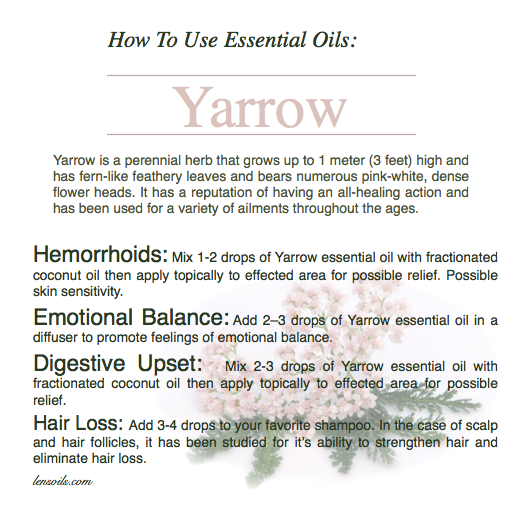
How to Use Essential Oils: Yarrow

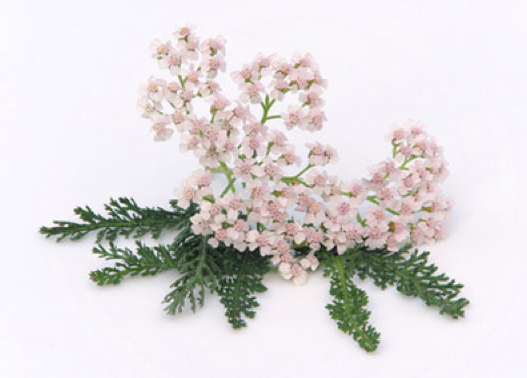
Yarrow is a plant that grows back every year and can reach up to about 1 meter (3 feet) tall. It has leaves that look like delicate feathers and produces lots of small, dense flower clusters that are usually pink or white. People have believed for a long time that yarrow can help heal many different health problems.

Yarrow-Did You Know?

YarrowDid you know Yarrow is the oil of protection. Some people have a tendency to seek an unhealthy relationship with another person. Yarrow helps protect against these negative attachments. Yarrow is great in assisting with eliminating darkness and moving towards self control.

Yarrow is native to Europe, now commonly found growing wild in North America (except far north). Yarrow is a familiar plant in meadows and fields, along the sides of country lanes, roadsides, on embankments, and in landfills. Yarrow is a member of the daisy family. In many parts of Europe yarrow was believed to protect against all evil.

The yarrow plant was first used by the Greeks over 3,000 years ago for treating wounds on the skin. The flowers and leaves of yarrow were eaten and also made into a tea. The fresh leaves were used to stop bleeding wounds, treat gastrointestinal problems, fight fevers, lessen menstrual bleeding and better circulation. The fresh leaves were also chewed on to relieve tooth aches. Scientists have credited yarrow for its benefits relating to almost every organ in the body.

Yarrow gives strength and energy to the body and mind. It has been studied for its ability to help circulatory disorders like hemorrhoids and varicose veins. Colic, constipation problems, indigestion and cramps are also influenced by using essential oils. Hypertension, Insomnia and other stress related issues are also dealt with using yarrow oil. Many other people claim it is great for allergies, and asthma.

Yarrow-Did You Know?

yarrowDid you know yarrow is native to Europe? Now commonly found growing wild in North America (except far north). Yarrow is a familiar plant in meadows and fields, along the sides of country lanes, roadsides, on embankments, and in landfills. Yarrow is a member of the daisy family. In many parts of Europe yarrow was believed to protect against all evil.

The yarrow plant was first used by the Greeks over 3,000 years ago for treating wounds on the skin. The flowers and leaves of yarrow were eaten and also made into a tea. The fresh leaves were used to stop bleeding wounds, treat gastrointestinal problems, fight fevers, lessen menstrual bleeding and better circulation. The fresh leaves were also chewed on to relieve tooth aches. Scientists have credited yarrow for its benefits relating to almost every organ in the body.

Yarrow gives strength and energy to the body and mind. It has been studied for its ability to help circulatory disorders like hemorrhoids and varicose veins. Colic, constipation problems, indigestion and cramps are also influenced by using essential oils. Hypertension, Insomnia and other stress related issues are also dealt with using yarrow oil. Many other people claim it is great for allergies, and asthma.

Yarrow-Did You Know?

YarrowDid you know yarrow is native to Europe? Now commonly found growing wild in North America (except far north). Yarrow is a familiar plant in meadows and fields, along the sides of country lanes, roadsides, on embankments, and in landfills. Yarrow is a member of the daisy family. In many parts of Europe yarrow was believed to protect against all evil.

The yarrow plant was first used by the Greeks over 3,000 years ago for treating wounds on the skin. The flowers and leaves of yarrow were eaten and also made into a tea. The fresh leaves were used to stop bleeding wounds, treat gastrointestinal problems, fight fevers, lessen menstrual bleeding and better circulation. The fresh leaves were also chewed on to relieve tooth aches. Scientists have credited yarrow for its benefits relating to almost every organ in the body.

Yarrow gives strength and energy to the body and mind. It has been studied for its ability to help circulatory disorders like hemorrhoids and varicose veins. Colic, constipation problems, indigestion and cramps are also influenced by using essential oils. Hypertension, Insomnia and other stress related issues are also dealt with using yarrow oil. Many other people claim it is great for allergies, and asthma.

Myrtle-Did You Know?


MyrtleDid you know Myrtle is the oil of adaptability? Myrtle instills the soul with qualities helping you to adjust to new conditions, capable of being flexible, and recovering quickly from difficult conditions. Myrtle helps brings joy to the heart allowing things to flow naturally. It is helpful during difficult and challenging times.

The Ancient Egyptians knew of the therapeutic properties of myrtle, macerating the leaves in wine to counter fever and infection. The best and most fragrant myrtle trees came from Egypt. In Biblical times, Jewish women wore garlands of myrtle on their heads on their wedding day as a symbol of love, and to bring them happiness. In 1876, Dr Delioux de Savignac advocated the use of myrtle for bronchial infections, for problems of the urinary and reproductive system, and for hemorrhoids.

A study shows that myrtle oil kills Salmonella on fresh fruits and vegetables. Scientists intentionally inoculated fresh tomatoes, and iceberg lettuce with a strain of Salmonella. Then they used a cleaning solution that had a dilution rate of 1 to 1000 containing myrtle leaf oil to test if it would kill the bacteria. The results suggest that the use of myrtle can be an effective alternative to the use of chlorine or other disinfectants on fruits and vegetables.

Myrtle lowers blood sugar and has been traditionally used in Iran for the treatment of Malaria. It is also known for its ability to repel mosquitoes, and kills fungus, and mold. In some cultures myrtle is used to heal mouth ulcers, warts, and acne.