Tag Archives: Essential Oils

Health Proverb

The proverb “Know your own faults before blaming others for theirs” is a piece of wisdom that encourages self-reflection and humility. It aligns with the broader principle of self-awareness and personal responsibility found in many cultures and philosophies.

Origins

While the exact origin of this proverb is unclear, it echoes sentiments expressed in various religious texts, philosophical works, and cultural teachings throughout history. It is similar in theme to biblical teachings, such as in Matthew 7:3-5, where Jesus says:

“Why do you look at the speck of sawdust in your brother’s eye and pay no attention to the plank in your own eye? How can you say to your brother, ‘Let me take the speck out of your eye,’ when all the time there is a plank in your own eye? You hypocrite, first take the plank out of your own eye, and then you will see clearly to remove the speck from your brother’s eye.”

This idea is also present in ancient Greek philosophy. Socrates and Plato often emphasized the importance of self-examination, with the famous Socratic maxim, “Know thyself,” encouraging individuals to understand their own nature and shortcomings before criticizing others.

Interpretation and Usage

This proverb serves as a reminder to prioritize self-improvement over judgment of others. It suggests that by acknowledging and addressing our own flaws, we can become more empathetic and less critical of those around us. In the context of health and well-being, it may also imply that personal accountability and self-care are essential before advising or criticizing others about their health choices.

While the precise originator of this proverb remains unknown, its universal message continues to resonate across cultures and centuries, promoting a philosophy of introspection and compassion.

How to Use Essential Oils: Muscles

Essential oils can be a natural and effective way to soothe sore muscles, reduce tension, and promote relaxation. One popular method is to create a muscle-relieving massage oil by diluting essential oils in a carrier oil, such as coconut, jojoba, or almond oil. Oils like Peppermint, Eucalyptus, and Wintergreen are known for their cooling properties, which can help reduce inflammation and ease discomfort. Simply mix 3–5 drops of your chosen essential oil with a tablespoon of carrier oil and gently massage it into the affected area. For deeper relief, consider adding warming oils like Ginger or Black Pepper, which can stimulate circulation and relax tight muscles.

Another effective way to use essential oils for muscles is through a warm bath or compress. Add 5–10 drops of essential oils like Lavender, Marjoram, or Rosemary to a warm bath, combining them first with a tablespoon of Epsom salt to help the oils disperse evenly in the water. This combination not only soothes sore muscles but also promotes overall relaxation. Alternatively, create a warm compress by soaking a towel in warm water mixed with a few drops of essential oil, wringing it out, and applying it to the affected area. Whether you’re recovering from a tough workout or relieving everyday tension, essential oils provide a natural and holistic approach to muscle care.

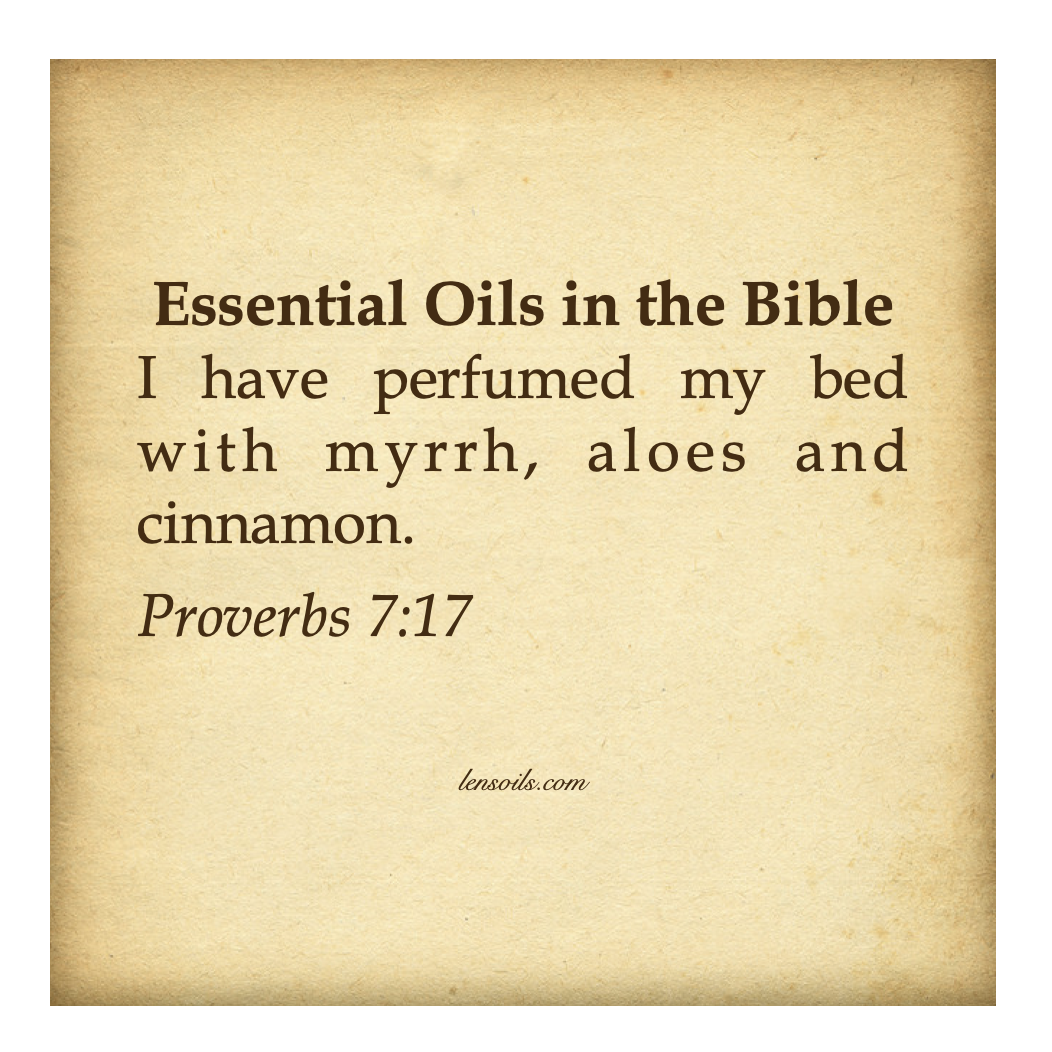
Essential Oils in the Bible

The verse Proverbs 7:17, which states, “I have perfumed my bed with myrrh, aloes, and cinnamon,” is part of a larger passage in Proverbs 7, where King Solomon warns young men about the dangers of falling into temptation, particularly seduction by an immoral woman.

Backstory and Meaning

In Proverbs 7, Solomon describes a scene where a woman, who is unfaithful to her husband, lures a young man into her home with enticing words and luxurious preparations. She says she has adorned her bed with fine linens and scented it with myrrh, aloes, and cinnamon—all valuable and aromatic spices and oils in the ancient world. These fragrances were not only used for pleasure but also for religious rituals, anointing, and burial practices.

By using these expensive and exotic scents, the woman is making her invitation more appealing, creating an atmosphere of comfort and indulgence. The passage is meant to serve as a cautionary tale, warning against being seduced by fleeting pleasures that lead to regret.

Essential Oils in the Bible

This verse also highlights the historical significance of essential oils and aromatic spices in biblical times. Myrrh was used for anointing and embalming, aloes (possibly referring to sandalwood or another fragrant wood) had medicinal and perfuming purposes, and cinnamon was a prized spice used in sacred anointing oil (Exodus 30:23). These natural substances were valuable, used for both practical and spiritual reasons.

In summary, Proverbs 7:17 is part of a warning about temptation, but it also reflects how essential oils and fragrances played a meaningful role in ancient life, from personal use to religious and medicinal applications.

The Gentle Charm of Bergamot Mint

From Northern Africa’s sunlit plains,
To Europe’s fields and gentle rains,
A cousin to peppermint’s cool delight,
Bergamot mint warms hearts day and night.

Its essence drifts in a fragrant breeze,
Promoting breath with gentle ease.
Add to your diffuser, let it flow,
And feel your lungs with calmness grow.

For plants in need of a bug-free stay,
A simple spray will keep pests away.
With drops of mint in water’s swirl,
It guards the green with a natural pearl.

A soothing touch for stomach’s plight,
A drop or two will set it right.
Mixed in water, its powers bloom,
Easing discomfort, chasing gloom.

In tea or treats, its flavor sings,
A whisper of mint, delight it brings.
One small drop, a world enhanced,
In every sip, your taste buds dance.

Bergamot mint, a friend so true,
With gifts for health and flavor too.
A simple plant, yet rich and wise,
A treasure beneath wide-open skies.

How to Use Essential Oils: Memory

Memory is the mental capacity to retain and recall facts, events, past experiences, and impressions, and aroma plays a significant role in enhancing memory. Essential oils like peppermint, frankincense, and rosemary can support memory and focus through their stimulating and grounding properties. Diffusing peppermint oil is particularly effective for creating a refreshing environment that promotes mental clarity.

To use essential oils for memory, try inhaling directly from the bottle, applying a few drops to your hands and inhaling, or wearing them as a cologne. For targeted application, dilute 1-2 drops of essential oil with fractionated coconut oil and apply to the temples or back of the neck. You can also place 1-2 drops under your tongue or add them to a beverage. Incorporating these methods into your routine can help enhance memory and concentration naturally.

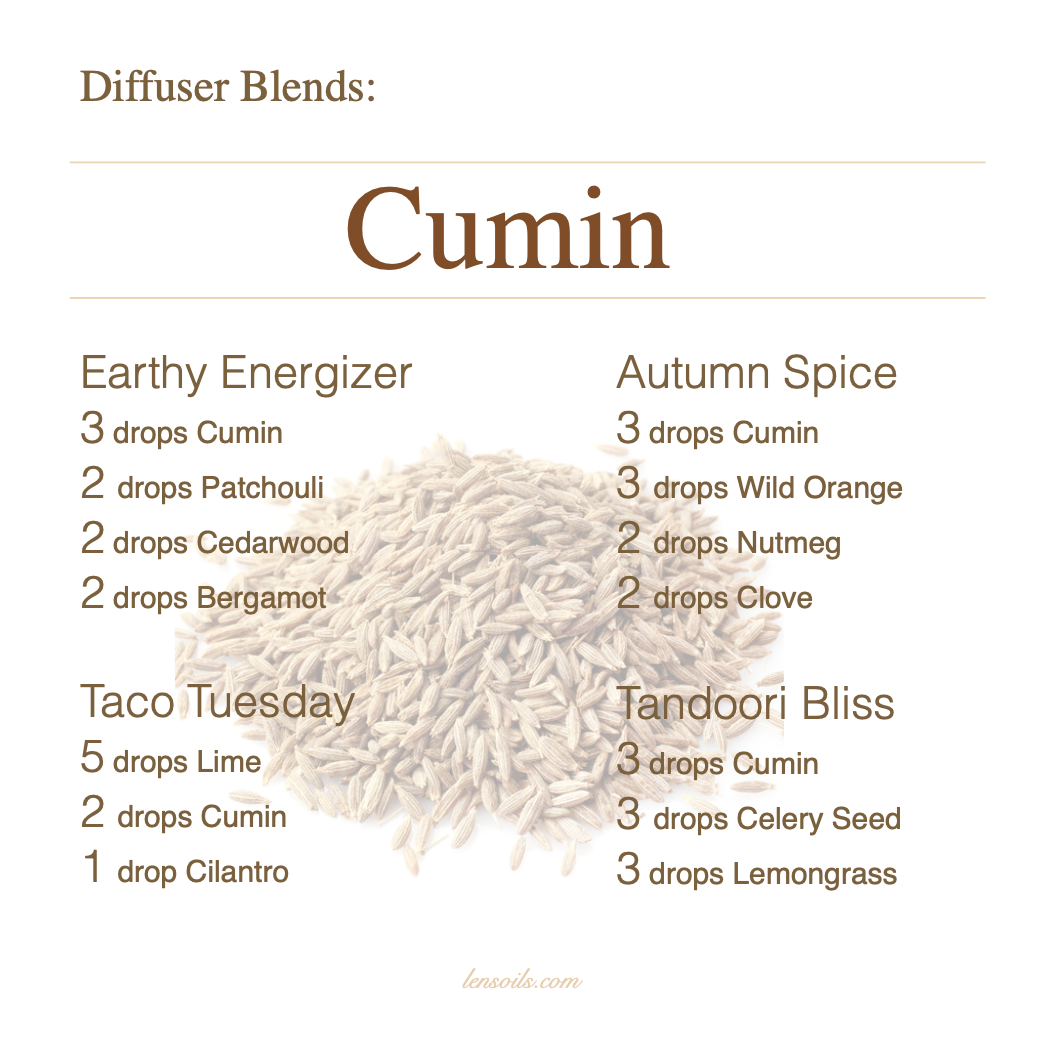
Essential Oil Blends: Cumin

Wow, who knew cumin could take your diffuser blends on such a flavorful journey! From Taco Tuesday vibes to cozy autumn evenings and even a touch of Tandoori-inspired bliss, these blends are pure creativity in the air. Who’s ready to energize their space and spark some culinary inspiration? Let’s diffuse and dream big!

Natures Hidden Treasure

In the quiet fields and rolling meadows of Europe, a delicate herb has flourished for centuries, its lacy white flowers and tiny purple centers a subtle adornment to the landscape. Known for its unassuming presence, this plant was often overshadowed by flashier flora, relegated to the background despite its longstanding use in rural traditions. However, hidden within its tiny seeds lay a secret waiting to be uncovered—one that would astonish even the most seasoned researchers.

This herb’s journey from obscurity began when early herbalists noted its deep taproot and admired its potential to soothe various ailments. Though its value was acknowledged in folk medicine, it remained largely ignored by the scientific community until renowned botanist Dr. Lila Anderson took notice. Driven by a passion for discovering the overlooked, Dr. Anderson dedicated her studies to the seed of this humble plant, uncovering extraordinary properties that would transform its legacy.

Dr. Anderson’s meticulous research revealed that the seed’s oil contained a wealth of beneficial compounds. Rich in carotene and vitamin A, it proved to be a powerful ally for supporting healthy skin, gums, teeth, and even eyesight. The oil’s ability to assist in cleansing the liver and its calming effects on sensitive areas sparked new interest in natural health solutions, bringing long-overdue attention to this once-forgotten herb.

What truly set the oil apart was its versatility. A few drops blended into skincare products could reduce the appearance of wrinkles, while its inclusion in smoothies and water provided internal wellness support. It also became a natural remedy for soothing sunburned skin and was praised for its ability to support eye health. As more people embraced its benefits, this extract became a celebrated tool in the quest for natural well-being.

This journey from humble origins to prominence demonstrates the transformative power of curiosity and research. By unlocking the secrets of this tiny seed, Dr. Anderson shone a light on a treasure hidden in plain sight—a gift from nature that bridges the gap between traditional wisdom and modern science.

The simple, wild carrot and its tiny, unassuming seeds hold the magic of carrot seed essential oil, a testament to the wonders of nature and the discoveries they inspire. Its story reminds us that even the most modest elements of the natural world can have profound impacts when given the attention they deserve. What was once overlooked in the fields of Europe has now become a celebrated gift, providing solutions for health and wellness in ways that transcend time and tradition.

And now you know the rest of the story.

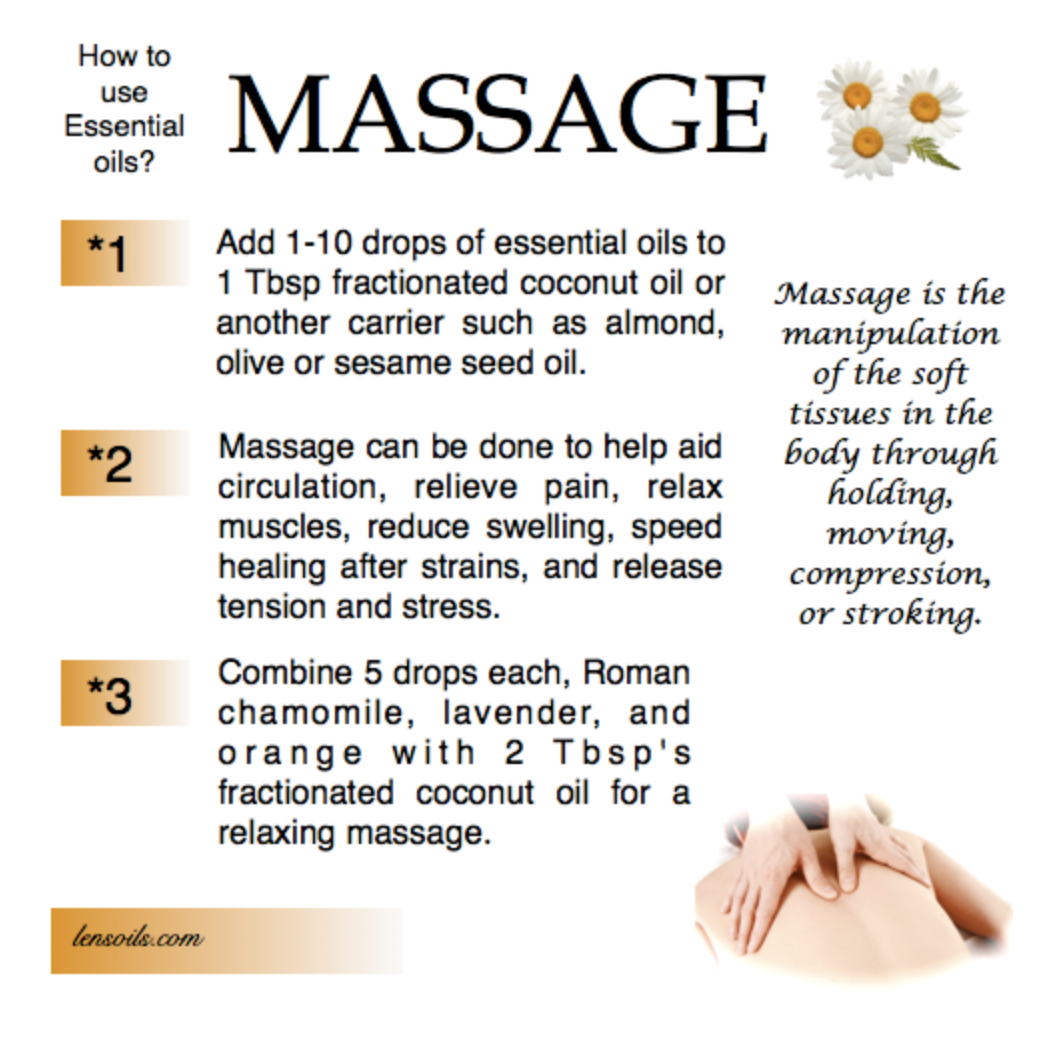
How to Use Essential Oils: Massage

Massage is the manipulation of the body’s soft tissues through techniques such as holding, moving, compressing, or stroking. It can help improve circulation, relieve pain, relax muscles, reduce swelling, speed healing after strains, and release tension and stress. Essential oils can enhance the benefits of massage by adding therapeutic properties and soothing aromas. To use, dilute 1-10 drops of essential oil in 1 tablespoons of a carrier oil such as fractionated coconut, almond, olive, or sesame seed oil to ensure proper application and avoid skin irritation.

For a relaxing massage blend, combine 5 drops each of Roman chamomile, lavender, and orange essential oils with 2 tablespoons of carrier oil. This calming mixture can promote relaxation and ease tension. Massage the blend into the skin using gentle, purposeful strokes to maximize its benefits. Whether used for relaxation or targeted relief, essential oils can make your massage experience even more effective and enjoyable.

Essential Oils in the Bible

The passage from Esther 2:12 provides a fascinating glimpse into the beauty rituals and cultural practices of ancient Persia, where the events of the Book of Esther take place. Here’s the backstory to the use of essential oils and purification described in this verse:


Historical and Cultural Context

  1. Persian Beauty Practices:
    • The setting of the Book of Esther is the Persian Empire during the reign of King Ahasuerus (often identified as Xerxes I). Persian royalty placed a high value on beauty and refinement, especially in their court.
    • Women chosen to enter the king’s harem underwent extensive beauty treatments as part of their preparation to appear before the king. These treatments were seen not only as a way to enhance their physical appearance but also as a ritual purification process, symbolizing worthiness and readiness to serve the king.
  2. Use of Myrrh and Sweet Odors:
    • Myrrh: Myrrh is a resin obtained from the sap of trees in the Commiphora species, valued for its aromatic, medicinal, and preservative properties. In ancient times, it was used in anointing oils, perfumes, and embalming. For the women in the harem, six months of treatment with myrrh likely served to cleanse the skin, promote healing, and leave a pleasing scent.
    • Sweet Odors: This likely refers to a mix of aromatic oils, perfumes, and natural fragrances made from herbs, spices, and flowers. These treatments were meant to soften the skin, enhance beauty, and create an alluring fragrance.
  3. Symbolism of the Process:
    • The 12 months of preparation underscored the significance of appearing before the king—it was not merely a physical transformation but also a symbolic process of purification and elevation.
    • The use of oils and scents had practical purposes (cleansing and moisturizing in a hot climate) and spiritual or ceremonial significance, as fragrances were often associated with divinity and favor.

Biblical and Spiritual Significance

  1. Purification Rituals:
    • The purification process reflects broader biblical themes where oil is used for anointing and consecration. In the Bible, oil often symbolizes the Holy Spirit, healing, and sanctification.
    • In Esther’s case, the extended preparation underscores her journey from an orphaned Jewish girl to a queen chosen by God for a divine purpose—to save her people.
  2. God’s Providential Plan:
    • While the verse focuses on the physical aspects of Esther’s preparation, it also sets the stage for the larger story of God’s providence. The physical anointing and purification parallel Esther’s spiritual readiness to fulfill her role as a deliverer for her people.

Modern Reflection

This verse highlights the significance of preparation—both physical and spiritual. It reminds readers of the care and dedication involved in stepping into a role of influence or service, as well as the importance of inner beauty and character that complements external refinement. Essential oils, as seen in Esther’s story, carry both practical and symbolic importance, connecting us to the ancient practices of self-care, reverence, and purpose.