Cassie is the kind of person who loves serving others. Most of her days revolve around service. Cassie loves helping students at her school and making meals for people in our neighborhood. Any member of the family knows what an amazingly selfless person Cassie is. I have seen her make one of the kids a grilled cheese sandwich at 11 o’clock at night or take them to the store when this is the last thing she wants to do. Cassie is an inspiration to me and many others.
There is another person who has a huge heart and loves to serve others, that is my Mom. As long as I can remember, when she knew someone new was moving into our neighborhood, my Mom would welcome families with fresh loaves of bread or vegetables from our garden. Year-round, my Mom would have parties and invite people whom she didn’t know or wanted to get to know better. By opening up her heart and home, she is loved by many because of her love in serving others. Both Cassie and my Mom have discovered true happiness comes through service.
Ylang ylang essential oil is made from the star-shaped flowers of the tropical ylang ylang tree. It’s mostly used for making perfumes and in aromatherapy. For centuries, ylang ylang has been part of religious rituals and wedding ceremonies.
In a world filled with the hustle and bustle of daily life, we often seek out remedies that can keep us balanced and resilient against the challenges that come our way. Enter a hidden gem, a secret weapon in the realm of natural solutions: essential oils. Today, let’s uncover the mystery behind one particularly intriguing oil – a potent elixir known for its ability to invigorate the senses and promote wellness. But first, let’s journey back in time to where it all began.
Long before modern medicine, ancient civilizations revered the power of botanical extracts. Among these treasures was an oil derived from a humble yet mighty spice, cherished for its remarkable properties. Revered by Egyptians, embraced by Greeks, and celebrated by Romans, this aromatic essence transcended borders and cultures, leaving an indelible mark on history.
Fast forward to the present day, and the legacy of this extraordinary oil lives on. Derived from the fruit of the Piper nigrum plant, its essence is packed with a symphony of monoterpenes and sesquiterpenes – compounds renowned for their antioxidant prowess. But its benefits extend far beyond mere protection against environmental assailants.
Picture this: the air is thick with seasonal threats, a challenge to even the hardiest of souls. In times like these, a mere drop or two of this precious oil in a veggie cap can be a game-changer, fortifying the body’s defenses against whatever nature throws its way.
But wait, there’s more. As versatile as it is potent, this oil seamlessly transitions from the realm of wellness to the realm of culinary delight. Imagine infusing your favorite dishes with its rich, aromatic flavor – meats, soups, entrees elevated to new heights with just a drop or two. It’s a culinary journey like no other, a symphony of taste and aroma that tantalizes the senses and delights the palate.
Yet, the story doesn’t end there. Beyond its culinary and wellness applications, this oil holds another secret – a balm for the soul in times of turmoil. Picture a moment of anxious tension, the weight of the world pressing down upon weary shoulders. In moments like these, a few drops of this oil can work wonders, soothing frazzled nerves and restoring a sense of calm and tranquility.
But perhaps its most understated virtue lies in its ability to nurture the body from within. Whether taken internally to aid digestion or added to food for a burst of flavor, this oil embodies the essence of holistic wellness, nourishing mind, body, and spirit in equal measure.
So there you have it, folks – a glimpse into the captivating world of black pepper essential oil. From ancient civilizations to modern-day marvels, its story is one of resilience, versatility, and above all, the enduring power of nature’s remedies. And as we continue to uncover the secrets of the natural world, one thing remains clear – sometimes, the most profound solutions can be found in the simplest of places. And now you know… the rest of the story.
Yarrow is a plant that grows back every year and can reach up to about 1 meter (3 feet) tall. It has leaves that look like delicate feathers and produces lots of small, dense flower clusters that are usually pink or white. People have believed for a long time that yarrow can help heal many different health problems.
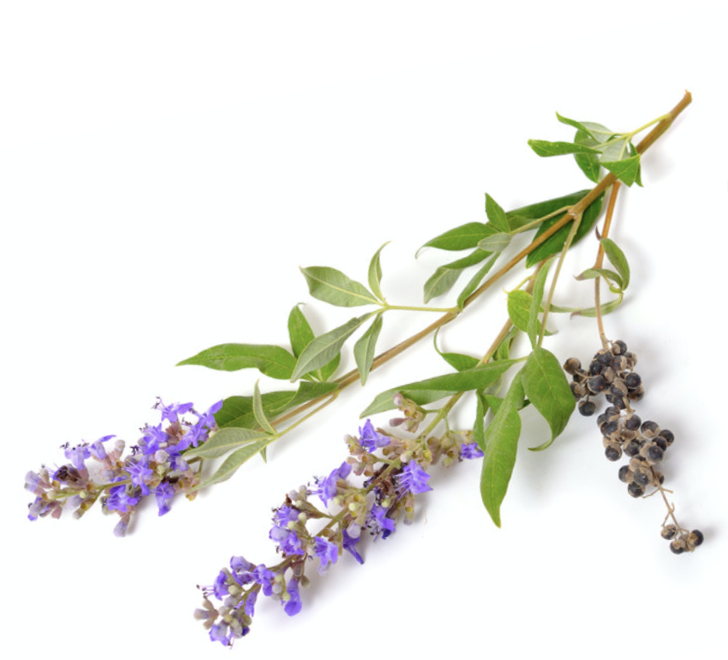
In lands where Mediterranean breezes blow, And Central Asia’s secrets quietly grow, There lies a shrub, Vitex it is named, With leaves like fingers, berries darkly famed.
From this blessed shrub, with petals of blue, Comes oil that whispers of wellness true. Vitex berry, essence divine, A gift to balance, to soothe, to refine.
In drops so small, its power unfolds, To harmonize the body’s intricate holds. For hormones rioting, seeking repose, Vitex berry whispers, it gently bestows.
Blend it with coconut’s comforting touch, On belly and throat, it works wonders as such. A potion to balance, to calm the soul, In moments of chaos, it plays its role.
When pain creeps in, its presence is near, Mix it with coconut, let it appear. Gently it eases, soothes every ache, A balm for the weary, a solace to take.
And when muscles tighten, in spasms they strain, Vitex berry whispers, releasing their pain. With coconut’s embrace, it melts away, Leaving behind a peaceful sway.
So praise to the Vitex, so ancient and wise, For the solace it brings, for the calm in our cries. In drops of its essence, we find our reprieve, A remedy cherished, in which we believe.
Wintergreen is a plant known for its pleasant smell. It contains a special chemical called methyl salicylate, which is also found in aspirin. This chemical is often used in creams and oils that are applied to the skin during massages. It helps to soothe and calm the skin.
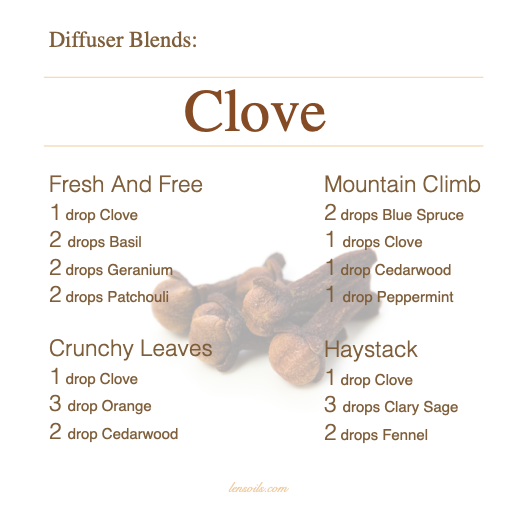
Love this lineup—clove is clearly the quiet hero here, grounding every blend while letting each one tell a different story. Fresh and Free feels earthy yet floral, like shaking off old energy and breathing deeper, while Crunchy Leaves nails that cozy fall walk vibe with citrus brightness cutting through the woods. Mountain Climb is crisp and energizing without being sharp, and Haystack leans soothing and centering, almost like exhaling after a long day. These blends feel intentional, balanced, and emotionally distinct—great examples of how one oil can play many roles without stealing the spotlight.




 Len's Oils