Tag Archives: Did you know guy

The Choice That Saved His Life

Aron Ralston loved solitude and challenge, believing that self-reliance was built far from crowds. In the spring of 2003, he traveled alone to a remote slot canyon in Utah, expecting a brief, familiar adventure. He carried climbing gear, a small supply of food and water, and strong confidence in his experience. One detail was missing. He did not leave his exact plans with anyone, trusting preparation more than precaution.

While descending a narrow canyon wall, a massive boulder suddenly shifted. Aron lost his balance, and the rock crushed his right arm against the canyon wall, pinning it tightly. He shouted, but the canyon offered no answer. There was no cell service and no sign of other hikers. Within moments, he understood the seriousness of his situation. Escape was impossible without freeing his arm, and help was nowhere nearby.

Aron spent hours testing every option. He pushed, pulled, twisted, and used his climbing gear to create leverage, but the boulder did not move. As daylight faded, he marked time by carving lines into the canyon wall. He rationed his water carefully, knowing it would not last long. With each passing day, dehydration weakened him, and the silence forced him to confront the reality that no one knew where he was.

As the hours stretched into days, Aron’s thoughts drifted beyond the canyon walls. He imagined family members, future conversations, and moments he had once assumed would always be there. Simple images returned: shared meals, laughter, and unfinished plans. These were not dramatic visions, but reminders of connection. Life beyond the canyon began to feel real again, and he understood survival meant returning to people and experiences that still mattered deeply.

That growing sense of connection reshaped his fear into resolve. Aron realized that remaining trapped was no longer endurance but surrender. Choosing life meant accepting unbearable pain now to protect everything that came after. His thoughts became calm and focused. The decision ahead was not impulsive or desperate. It was deliberate, formed through reflection and responsibility. He understood that survival required action, even when the cost felt unthinkable.

Using a small multi-tool, Aron prepared himself mentally for what he had already accepted. He broke the bones in his arm to make the act possible, then amputated the trapped limb with controlled determination. The pain was extreme, but he stayed conscious by focusing on breath and purpose. This moment was not driven by panic. It was an act of responsibility, claiming ownership of his life and the consequences of his choices.

Freeing himself was only the beginning. Aron rappelled down a canyon wall, then hiked several miles through rough terrain while injured and severely dehydrated. Each step required discipline and focus. He refused to rush, knowing mistakes could cost his life. Eventually, he encountered other hikers who helped him reach safety. Rescue came not through luck, but through persistence, preparation, and the willingness to keep moving despite exhaustion.

During recovery, Aron reflected on what the canyon had taught him. He acknowledged the risks he had taken and the importance of communication and preparation. Independence, he learned, does not mean isolation. Responsibility includes letting others know where you are and understanding that choices carry weight. Rather than feeling defeated, Aron felt grateful. The experience reshaped how he approached adventure, connection, and awareness moving forward.

Aron later shared his story openly, not to shock others, but to teach accountability and resilience. He trained again, returned to climbing, and built a meaningful life shaped by clarity rather than fear. Losing an arm did not end his future. It refined it. Strength, he discovered, is not avoiding mistakes, but responding to them with honesty, courage, and the discipline to grow beyond them.

Taking responsibility can save your life. Aron survived because he faced the truth of his situation, accepted the weight of his choices, and acted with clear purpose rather than denial. His experience shows that responsibility is not about blame or regret. It is about awareness, preparation, and the courage to act when the moment arrives and decisions carry lasting consequences.

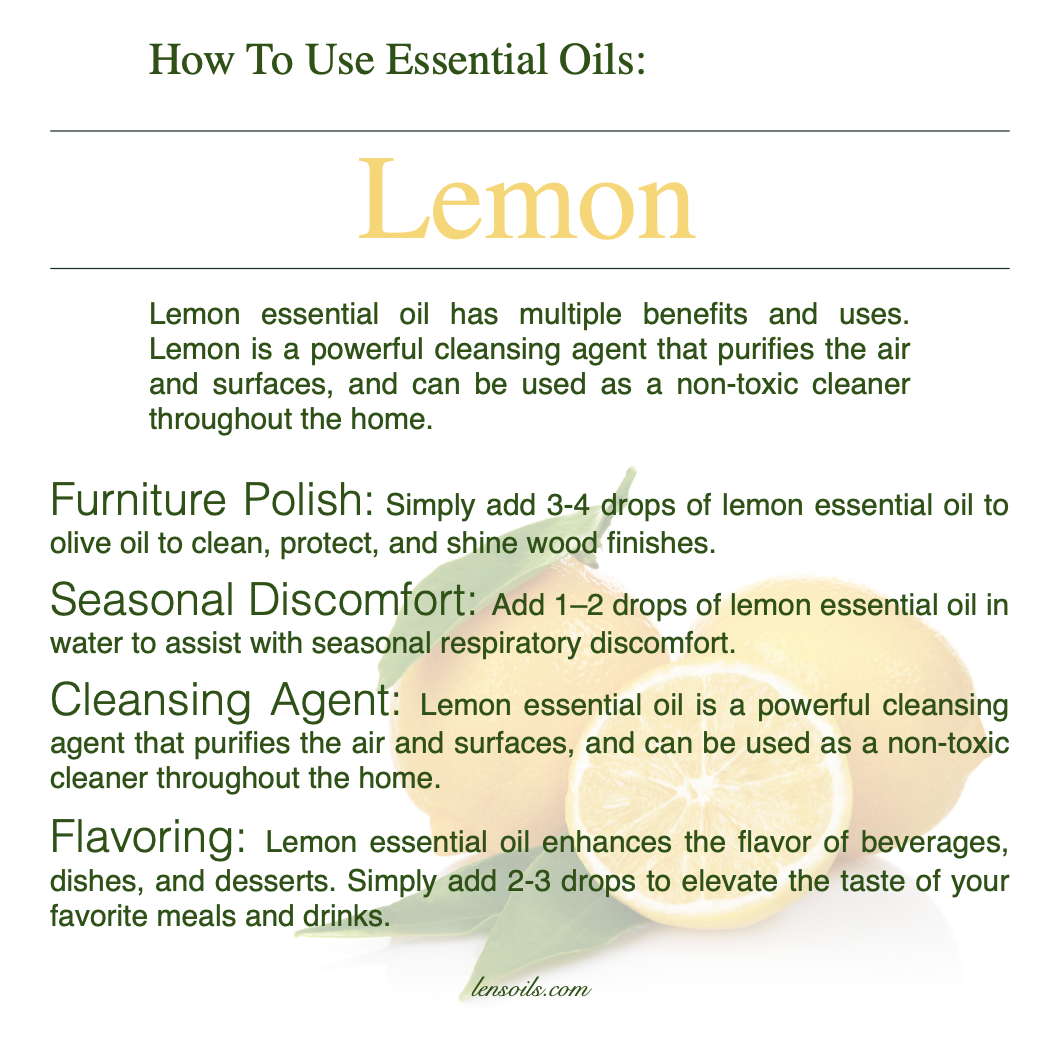
How to Use Essential Oils: Jasmine

Jasmine essential oil is treasured for its delicate white flowers, which release a rich, captivating aroma for up to thirty-six hours after being carefully hand-picked. The extraction process is extremely labor-intensive and must begin at daybreak, when the blossoms are at their most fragrant and contain the highest concentration of aromatic components. This careful timing preserves jasmine’s signature scent, often described as both uplifting and deeply comforting.

In daily use, jasmine essential oil is often chosen for its ability to support emotional balance and self-confidence. Diffusing a small amount may encourage feelings of joy and peace, while topical use can complement skincare and hair routines with a nourishing, aromatic touch. Many people also enjoy applying jasmine to pulse points as part of a morning or evening ritual, using its gentle fragrance to foster a positive, steady outlook throughout the day.

Use Essential Oils Like Jesus Once Did

Request a a Free Sample.

Please text Free Sample or call me at 801-661-4786
I will be sure to get back to you as soon as possible.
Or
Send me an email at lfish64@yahoo.com
with the heading Free Sample
It will be an honor to help you in any way that I can.
Or
Write me a letter, request a Free Sample
Leonard Fish
Leonard Fish
5075 Rushton Acres Court
West Valley City, Utah
84120  USA

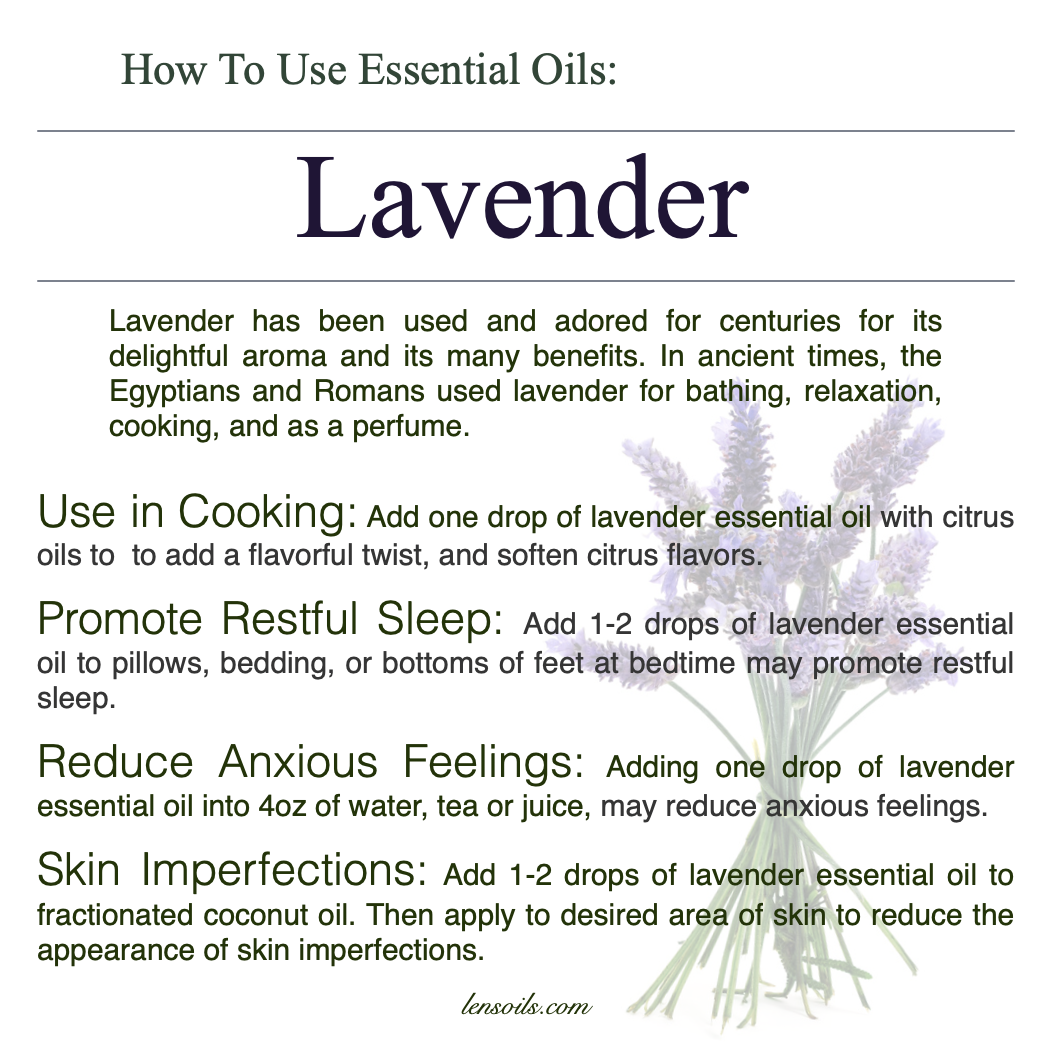
How to Use Essential Oils:

Hyssop essential oil carries a slightly sweet, herbal aroma that has been valued for thousands of years. In ancient Egypt, Israel, and Greece, hyssop was considered a sacred plant and was often associated with purification, reflection, and spiritual clarity. Its fragrant scent is known to support moments of creativity and meditation, helping the mind feel focused while maintaining a calm, grounded atmosphere.

In everyday wellness routines, hyssop essential oil offers gentle, versatile support. It can be added to hair care products to help balance the scalp, blended with a carrier oil for targeted skin or digestive comfort, or diffused to support clear breathing and a refreshed environment. Many people appreciate hyssop for its ability to feel both uplifting and steady, making it a thoughtful choice when balance and clarity are needed.

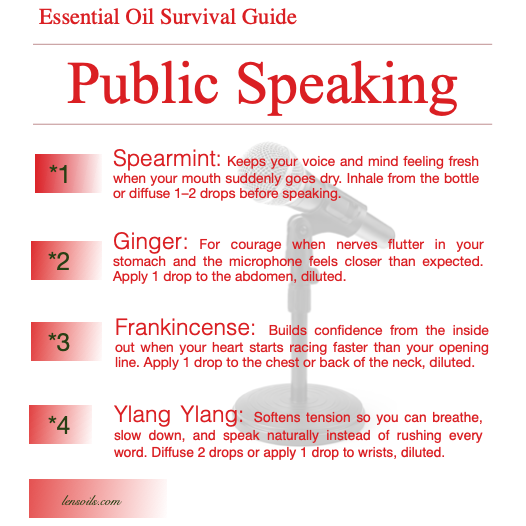
Essential Oil Survival Guide Moving Day

Moving day is equal parts physical exhaustion and emotional whiplash. Boxes are stacked, furniture is heavier than you remembered, and somehow everything feels urgent all at once. Between loading trucks, saying quick goodbyes, and trying not to lose important paperwork, it’s easy to feel overwhelmed. This Moving Day Survival Guide is about staying steady through the chaos—keeping your energy up, your emotions grounded, and reminding yourself that once the last box is loaded, a new chapter is already in motion.

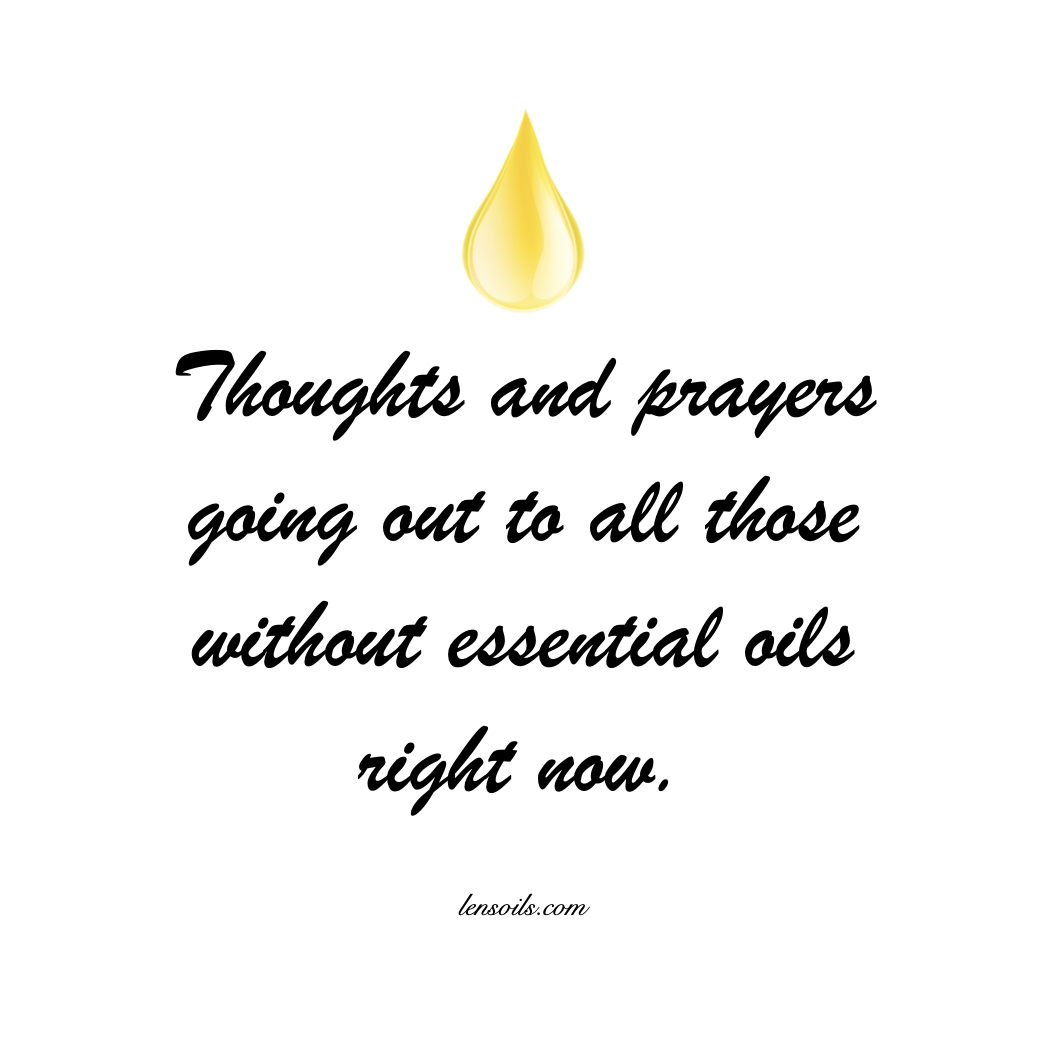
Essential Oil Meme

In every job that must be done, there really is an essential oil that will help — not because it magically finishes the job, but because it keeps you from sighing loudly, checking the clock, and questioning all your life choices. Find the right oil, and suddenly dishes feel competitive, laundry becomes a sport, and emails are answered with suspicious calm. Turns out the real magic isn’t the task becoming fun — it’s you staying sane long enough to finish it.

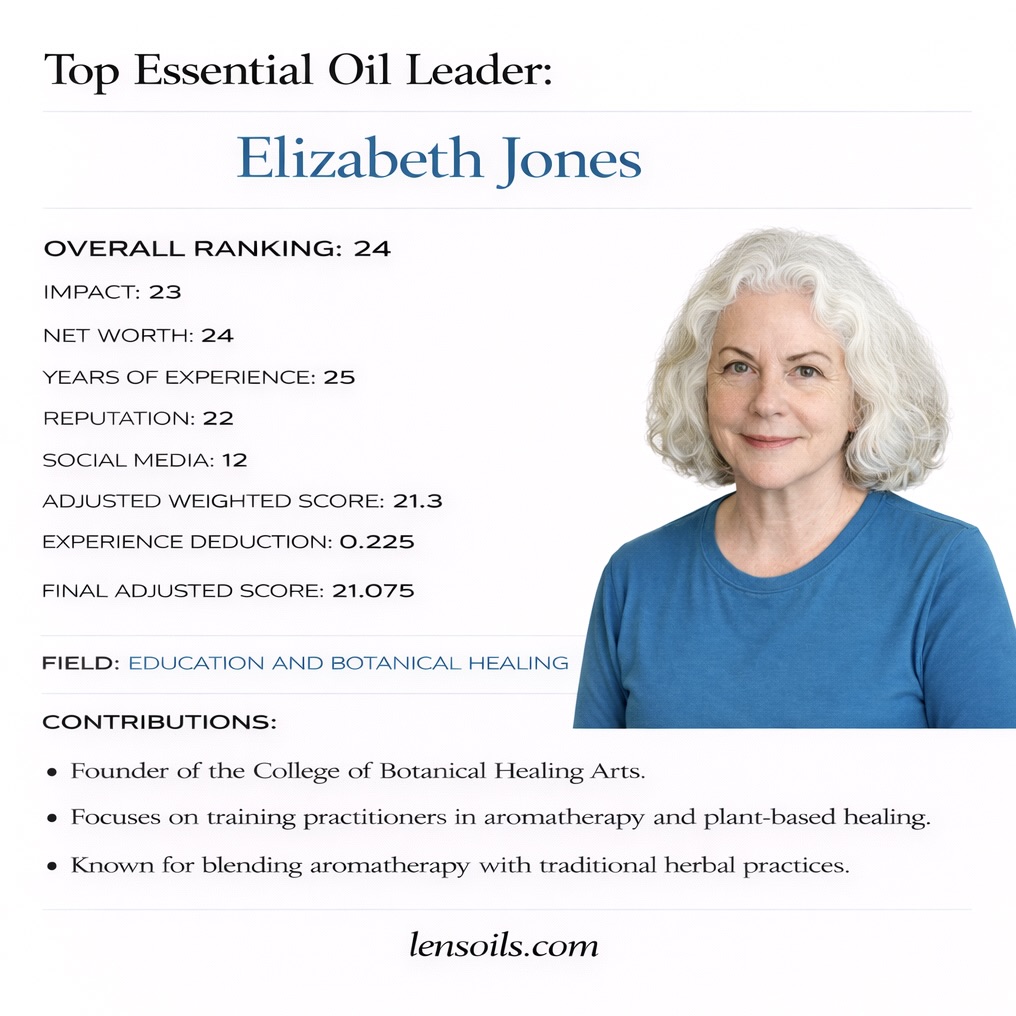
Top Essential Oil Leader: Dr Jane Buckle

Jane Buckle is widely recognized as a pioneering figure in clinical aromatherapy, particularly for her work bridging essential oils with modern healthcare practice. With more than 30 years of experience, she has played a key role in establishing aromatherapy as a credible complementary approach within medical and clinical environments, emphasizing evidence, safety, and professional accountability.

Dr. Buckle is best known as the author of Clinical Aromatherapy: Essential Oils in Practice, a foundational text used in nursing, hospice, and integrative medicine education. The book is valued for its clear presentation of research, clinical case examples, and practical guidance on using essential oils in healthcare settings. It is frequently referenced by educators and practitioners seeking a science-informed framework rather than anecdotal or purely traditional use.

Her professional focus has centered on integrating essential oils into hospitals, palliative care, and symptom-management programs. Dr. Buckle has worked closely with healthcare professionals to demonstrate how aromatherapy may support patient comfort, stress reduction, and quality of life when used appropriately. This clinical emphasis helped shift aromatherapy discussions from wellness-only spaces into conversations that include nurses, physicians, and administrators.

Dr. Buckle is also known for her rigorous, research-oriented approach to aromatherapy. She has consistently advocated for peer-reviewed studies, standardized protocols, and ethical practice. By encouraging collaboration between researchers and clinicians, she helped lay groundwork for broader acceptance of aromatherapy within integrative medicine models, even in settings that traditionally viewed essential oils with skepticism.

Beyond her published research and clinical advocacy, it is reasonable to say that Dr. Buckle’s long-term influence lies in how she changed expectations within the field. Many practitioners credit her with demonstrating that aromatherapy can coexist with modern medicine without abandoning scientific standards. Her legacy likely rests not only in her writings, but in helping aromatherapy mature into a discipline capable of thoughtful dialogue with healthcare systems worldwide.

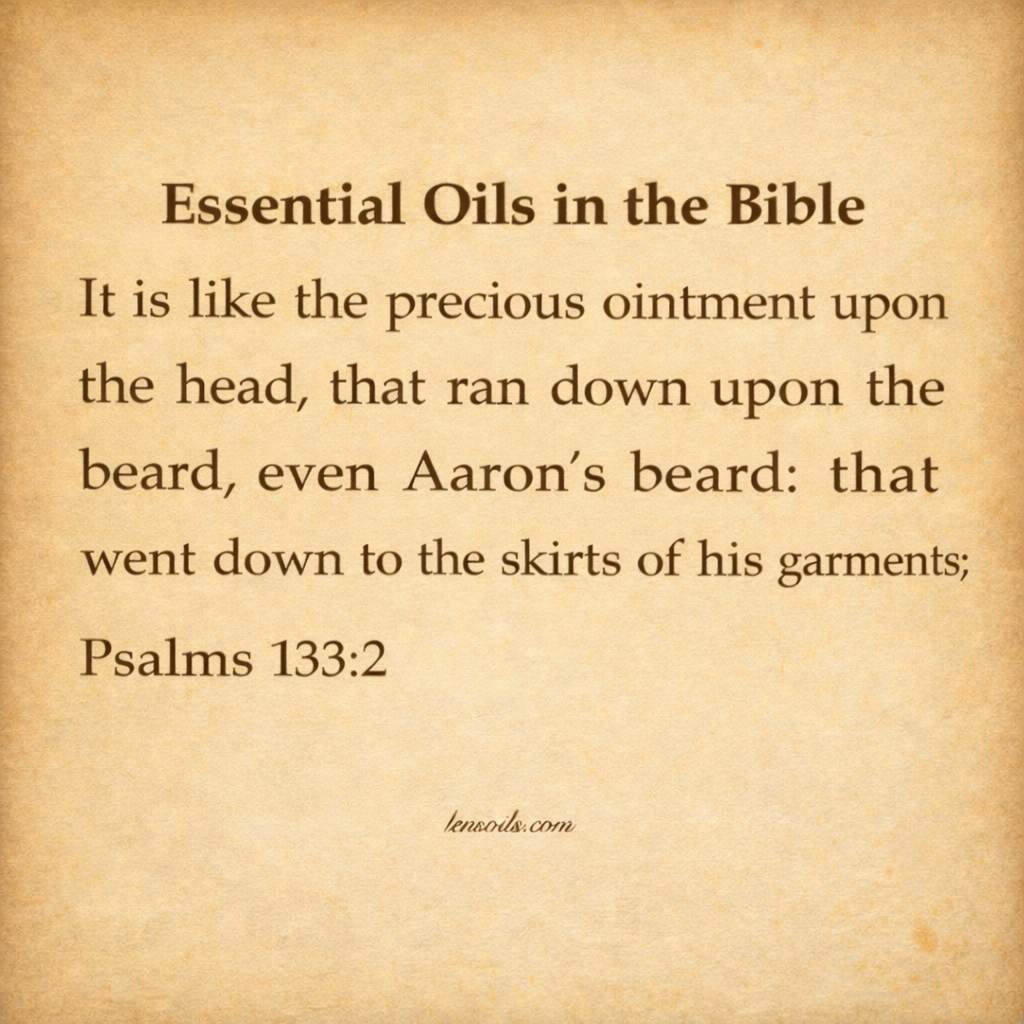
Essential Oils in the Bible: Isaiah 61:3

Isaiah 61:3 speaks to restoration after loss, using everyday elements people understood deeply. Ashes were a sign of grief and mourning, while oil was associated with care, comfort, and renewal. In Book of Isaiah, the “oil of joy” contrasts directly with mourning, pointing to a deliberate act of replacing sorrow with something that restores the body and lifts the spirit. Oil was not abstract or symbolic alone — it was applied, felt, and experienced as part of healing and celebration.

Essential oils fit naturally into this promise. Fragrant oils were used to soothe the weary, honor the brokenhearted, and mark moments of change from sorrow to hope. To receive oil instead of ashes meant moving from despair into dignity, from heaviness into praise. The verse shows how physical care and spiritual renewal were intertwined, much like trees planted and tended over time, growing strong and steady as living evidence of restoration and joy.

The Letter That Wouldn’t Be Burned

Story 2 of 10 — Marking 250 Years of American Freedom
When Courage Refused to Let Hope Be Destroyed

February 9, 1776 came during a harsh New England winter, when fear and uncertainty weighed heavily on the colonies. British forces were still active in Massachusetts, and many families worried about what continued resistance might cost them. Independence had not yet been declared, and no one knew how the conflict would end. In this tense environment, communication between patriot leaders was both dangerous and necessary.

Couriers played an important role during this time. Often young and unnoticed, they traveled long distances on foot or horseback, carrying sealed letters through snow-covered roads and guarded towns. If caught, they could be arrested or punished. Without these messengers, the colonies would struggle to coordinate their actions or share vital information.

One such courier stopped at a farmhouse to escape the winter weather. Homes relied on open fires for warmth, which made accidental blazes a constant danger. When a fire broke out unexpectedly, there was little time to save belongings. As the building filled with smoke, the courier escaped with nothing but the letter pressed tightly under his coat.

In wartime, losing possessions was common, but losing information could be far more serious. Letters often contained instructions, warnings, or plans that could not easily be replaced. If destroyed, they could delay decisions, expose weaknesses, or leave leaders unprepared for what lay ahead.

After weeks of difficult travel, the message reached its destination. No single letter decided the course of the Revolution, but each successful delivery helped maintain cooperation between colonies facing enormous pressure. Resistance depended not only on soldiers and battles, but on steady communication that allowed leaders to respond wisely.

This moment reflects the deeper fears many colonists faced. People worried about losing homes, livelihoods, and family safety if resistance failed. Hesitation was often rooted in responsibility, not weakness. Courage during this time was not always loud or dramatic.

The survival of that letter did not end fear, but it protected hope. Bravery appeared quietly, when someone chose to preserve what mattered most under difficult circumstances. Independence moved forward through such choices, when refusing to let hope be destroyed became an act of strength.


References

  1. Massachusetts Historical Society, Revolutionary War Correspondence and Courier Accounts
  2. Ray Raphael, The First American Revolution: Before Lexington and Concord
  3. George C. Daughan, If By Sea: The Forging of the American Navy from the Revolution to the War of 1812

These stories are grounded in documented historical events and primary sources, with limited interpretive synthesis used to connect facts and reflect lived experience where the historical record does not capture every detail.