Tag Archives: Goats

When the Barn was Full

I was six when we moved into our new home in the Hunter area of West Valley City, Utah. My dad was a general contractor for homes in Holiday, Utah. The Parade of Homes highlighted houses people could walk through and get ideas for their own homes. My parents even put money down on the Holiday house my dad was the general contractor for.

At the last minute, my parents decided not to buy that house. Instead, they chose to build a home in Hunter with three-quarters of an acre so our family could have a big yard and a little farm. That house was wonderful for me. It felt open and full of possibility, like a place meant for growing and learning.

Not long after, my dad built a barn and got goats, ducks, geese, and chickens. For a kid, this was an amazing way to grow up. I learned about animals, hard work, growing a garden, and working together as a family. It was a hands-on education that shaped my days and my values.

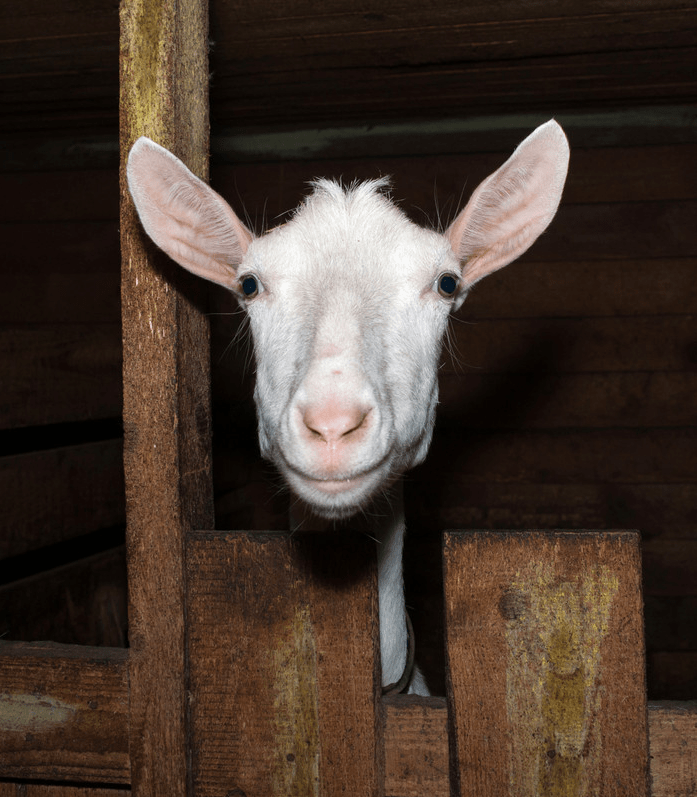
Life lessons came often, especially lessons about life and death. You learn real fast how fragile life is. The goats had to be milked morning and night. You always knew when you were late because you could hear them crying, as if they were saying, come milk me and feed me.

I grew up drinking goat’s milk, and it was normal to us. We didn’t notice anything different until the goats got into the weeds, and then the milk had a strong taste. We learned to keep them out of the weeds as much as possible. Even with twelve people drinking and cooking with the milk, we often had extra.

My mom hated wasting food, especially milk. She would call the neighbors and say, “We are having apricot pineapple ice cream tomorrow night if you want to come over.” I was amazed how often we made homemade ice cream with an old hand-crank ice cream maker. We all took turns cranking, laughing, and waiting.

I spent hours in the barnyard, singing, talking, and playing with the goats, living in my own little world. Years later, while I was on a church mission, I learned my dad would no longer keep animals. When I came home, the barn was gone. I felt sad, yet I could look back and see how simple those days were. I feel blessed I had that childhood, with no regrets.

Love Your Work

GoatWhen I think back on my childhood one thing that I remember was how much I worked. This was not a bad thing either. Our family had to work if we wanted food on our table. We had a huge garden and animals to feed on our little farm. I feel truly blessed to grow up where we did and learned the value of hard work.

When most kids were excited to sleep in and play all summer the Fish children were already up at 6:30 a.m. milking the goats and harvesting what crops were in season before breakfast. I look back with fondness of the opportunities I had of learning how to really work hard and feel good about what I had accomplished that day. At the time, I was working I thought of a thousand things that would have been better than working.

Twice each year my brother, Melvin and myself had the job of cleaning out the barn. This was six months of old hay and manure. It would take all day. I can still hear my Dad say, “Any job worth doing is worth doing right”

I can also remember the summer of 1976. Everyone in the family helped my Mom can 1,000 bottles of fruit when she was 9 months pregnant with my brother, Aaron, with only a fan blowing in the house. I am so thankful for parents that taught me how to work.

How many of us know someone that works hard, yet never seems to get anything accomplished? Sometimes it is better to work smart rather than working hard.

Did you ever hear of the single idea for which a man was paid $25,000? It was worth every penny of it. The story goes that Charles Schwab the president of a big steel company had granted an interview to an efficiency expert named Ivy Lee.

Lee was telling his prospective client how he could help him do a better job of managing the company, when the president broke in to say something to the effect that he wasn’t at present managing as well as he knew how.

He went on to tell Ivy Lee that what was needed wasn’t more knowing but a lot more doing. He said, “We know what we should be doing. Now if you can show us a better way of getting it done, I’ll listen to you and pay you anything within reason you ask.”

Well, Lee then said that he could give him something in 20 minutes that would increase his efficiency by at least 50 percent. He then handed the executive a blank sheet of paper and said, “Write down on this paper the six most important things you have to do tomorrow.” Well, the executive thought about it and did as requested. It took him about three or four minutes.

Then Lee said, “Now number those items in the order of their importance to you or to the company.” Well, that took another three or four minutes, and then Lee said, “Now put the paper in your pocket, first thing tomorrow morning take it out and look at item number one. Don’t look at the others, just number one, and start working on it. If you can, stay with it until it’s completed, then take item number two the same way, then number three, and so on, till you have to quit for the day.

“Don’t worry if you’ve only finished one or two; the others can wait. If you can’t finish them all by this method, you could not have finished them with any other method. Without some system, you’d probably take 10 times as long to finish them and might not even have them in the order of their importance.

“Do this every working day,” Lee went on. “After you’ve convinced yourself of the value of this system, have your people try it. Try it as long as you like. Then send me your check for whatever you think the idea is worth.”

The entire interview hadn’t taken more than a half-hour. In a few weeks the story has it that the company president sent Ivy Lee a check for $25,000 with a letter saying the lesson was the most profitable, from a money standpoint, he’d ever learned in his life. It was later said that in five years this was the plan that was largely responsible for turning what was then a little-known steel company into one of the biggest independent steel producers in the world.

We will all work in some form or another our entire life. Lets all make a difference in the life of others through our work. Our mind is also a powerful tool when solving problems at work or in life, so use it.