Clove essential oil, distilled from the dried flower buds of the clove tree, is instantly recognizable for its warm, spicy, and slightly sweet aroma. Native to the Maluku Islands of Indonesia, clove has been treasured for centuries as both a culinary spice and a traditional remedy. In essential oil form, it is often used to freshen the air, uplift the mood, and provide a comforting, cozy atmosphere when diffused. Its bold fragrance makes it a favorite in seasonal blends, especially during autumn and winter.
Beyond its inviting scent, clove oil is known for its high eugenol content, a compound with notable cleansing and soothing properties. It has long been used in oral care products, such as toothpastes and mouthwashes, to support fresh breath and maintain oral health. Around the home, clove oil can be added in small amounts to natural cleaning solutions for its purifying effect. When used with care and proper dilution, it serves as both a practical and aromatic addition to wellness routines.
Did You Know? During the spice trade era, cloves were so highly prized that entire wars were fought over control of their production and trade routes. In fact, European demand for cloves and other spices helped drive the Age of Exploration. Today, the world’s largest producers of cloves are still in Southeast Asia, with Madagascar and Tanzania also contributing significantly to global supply. The oil’s enduring value comes not only from its unique flavor and aroma but also from its wide-ranging applications in health and home.
For centuries, a tiny, dried bud held secrets far greater than its size suggested. Its deep, rich aroma was unmistakable—bold, warm, and slightly sweet. It had a way of lingering in the air, filling kitchens, apothecaries, and even the chambers of royalty. Some knew it as a key ingredient in their favorite confections, while others used it for far more than just taste.
Its value was once so great that wars were fought over it. Traders risked treacherous ocean voyages to secure it, knowing that those who controlled its supply controlled power. This little bud, often found in spice racks today, was once worth its weight in gold. It was cultivated in lands far from Europe, where the soil and climate allowed it to flourish. When crushed, it released an oil so potent that it became a prized remedy in medicine, dentistry, and even perfumery.
Its benefits extended beyond the kitchen. Healers discovered that it possessed remarkable properties—it could soothe a troubled stomach, ease aching muscles, and even help cleanse wounds. Over time, doctors found a particularly important use for it in dental care, where it provided relief from the agony of toothaches. It became a common ingredient in oral preparations, earning a reputation not just for freshening breath but for supporting overall health.
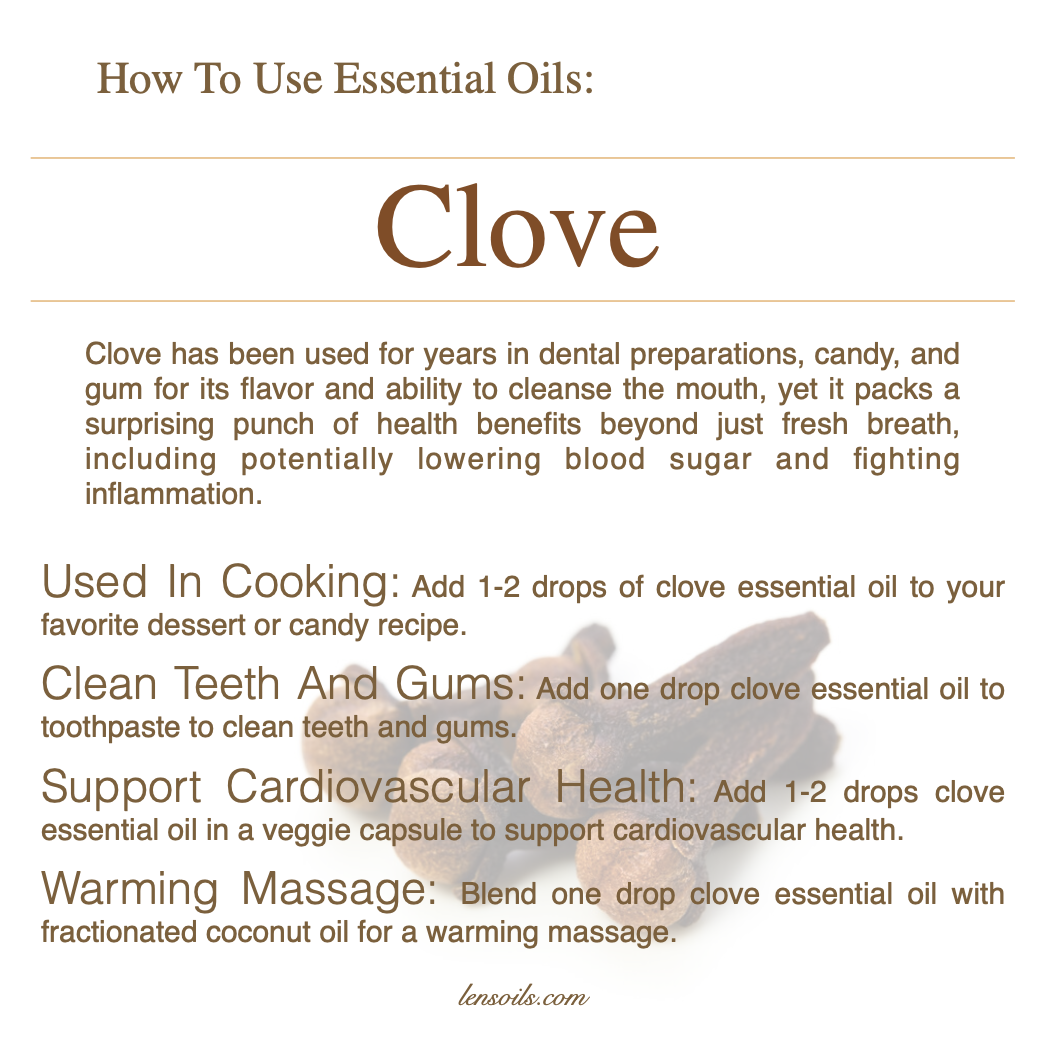
As trade routes expanded, so did knowledge of this remarkable spice. Apothecaries recommended it for digestion, cooks infused it into desserts, and even sailors carried it on long voyages, believing it helped preserve health during months at sea. Some even mixed a drop of its oil into coconut oil for a warming massage that brought relief to aching joints. Its versatility was astounding—whether in food, medicine, or self-care, it remained a cherished commodity.
But one man in particular changed how the world viewed this spice. Dr. Joseph Lawrence, a chemist in the 19th century, understood its potential beyond the kitchen. Inspired by its cleansing properties, he included its oil in the formula for a now-famous antiseptic mouthwash, ensuring that its legacy as a powerful health aid would endure. Thanks to his work, millions of people unknowingly benefit from its properties every day.
Even today, its uses continue to grow. A single drop of its essential oil added to toothpaste can help clean teeth and gums. Mixed into a capsule, it supports cardiovascular health. Infused into warm desserts, it enhances both aroma and well-being. It has even been used to flavor gum, leaving a distinctive tingle long after the last chew. Though it was once hoarded and fought over, it is now a household staple, readily available to those who seek its benefits.
It is a spice, a medicine, a healer, and a warrior in the fight against inflammation. It is found in everything from traditional remedies to modern health trends, proving that the wisdom of the past often holds the key to the future. Few people know just how many ways this tiny dried bud has shaped history, but its impact is undeniable.
The spice that transformed dental care, enhanced cuisine, and fueled trade for centuries? Clove. This small but mighty bud has healed wounds, calmed nerves, and added warmth to both food and medicine. It continues to be used in natural wellness, offering relief, protection, and comfort to those who embrace its power. Whether in a steaming cup of tea, a soothing massage oil, or a trusted bottle of mouthwash, it remains one of nature’s most remarkable gifts. And now, you know the rest of the story.
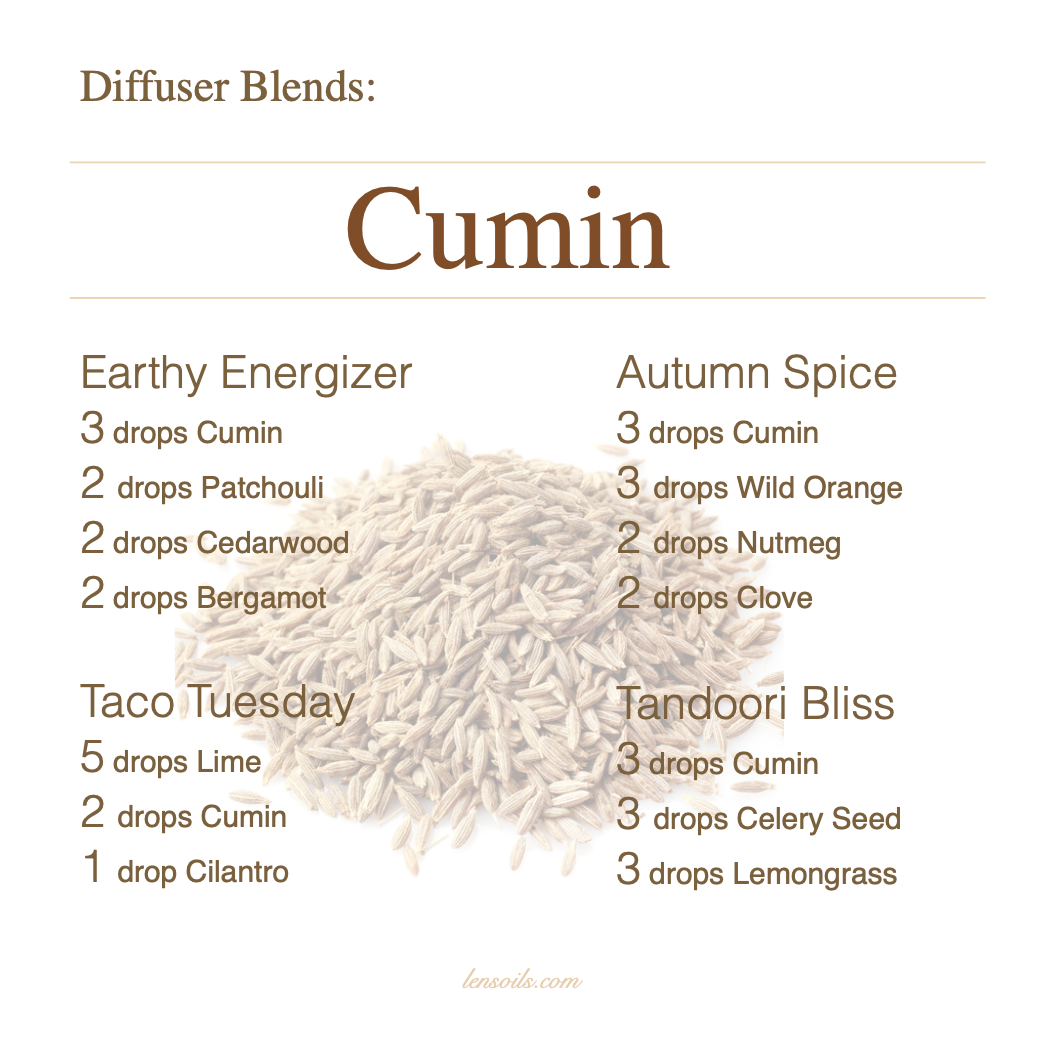
Wow, who knew cumin could take your diffuser blends on such a flavorful journey! From Taco Tuesday vibes to cozy autumn evenings and even a touch of Tandoori-inspired bliss, these blends are pure creativity in the air. Who’s ready to energize their space and spark some culinary inspiration? Let’s diffuse and dream big!
When using essential oils, it’s essential to understand that everyone’s sensitivity differs. What feels “hot” to one person may not feel the same to another. A “hot” oil refers to an essential oil that may cause a warming or burning sensation on the skin, feel spicy if consumed, or cause discomfort if it comes into contact with sensitive areas like the eyes. To avoid irritation, always dilute “hot” oils with a carrier oil, typically in an 8:2 ratio (8 parts carrier oil to 2 parts essential oil).
Exercise caution when using “hot” oils such as Cassia, Cinnamon Bark, Clove, Hyssop, Lemongrass, Ocotea, Oregano, and Thyme. Proper dilution is crucial to ensure safety and comfort during use. Additionally, be mindful when applying essential oils to sensitive areas or ingesting them, as undiluted use can lead to discomfort or irritation. Always follow recommended guidelines and test oils on a small patch of skin to check for reactions before broader application.
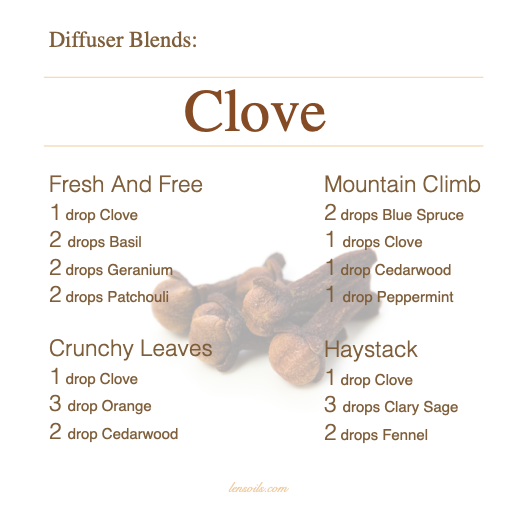
Love this lineup—clove is clearly the quiet hero here, grounding every blend while letting each one tell a different story. Fresh and Free feels earthy yet floral, like shaking off old energy and breathing deeper, while Crunchy Leaves nails that cozy fall walk vibe with citrus brightness cutting through the woods. Mountain Climb is crisp and energizing without being sharp, and Haystack leans soothing and centering, almost like exhaling after a long day. These blends feel intentional, balanced, and emotionally distinct—great examples of how one oil can play many roles without stealing the spotlight.
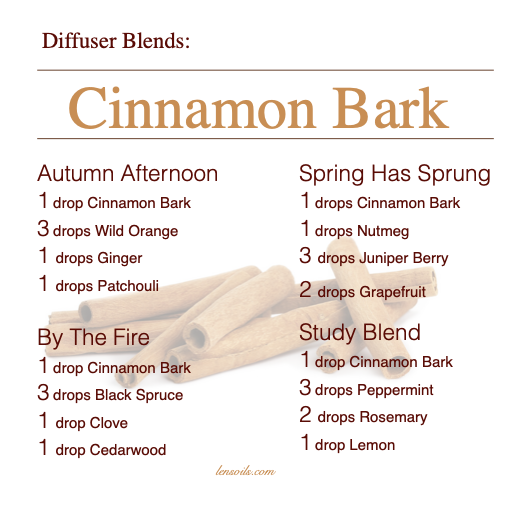
Cinnamon Bark really shines in these blends as the spark that brings everything to life without overpowering the room. Autumn Afternoon feels warm and inviting, with spice and citrus wrapping together like a favorite sweater, while By the Fire leans deep and grounding, evoking crackling logs and quiet evenings. Spring Has Sprung is a surprise favorite, where cinnamon adds just enough warmth to keep the bright juniper and grapefruit from feeling sharp or fleeting. And the Study Blend is brilliantly focused—cinnamon anchors the sharp clarity of peppermint and rosemary, helping the blend feel alert, steady, and purposeful.
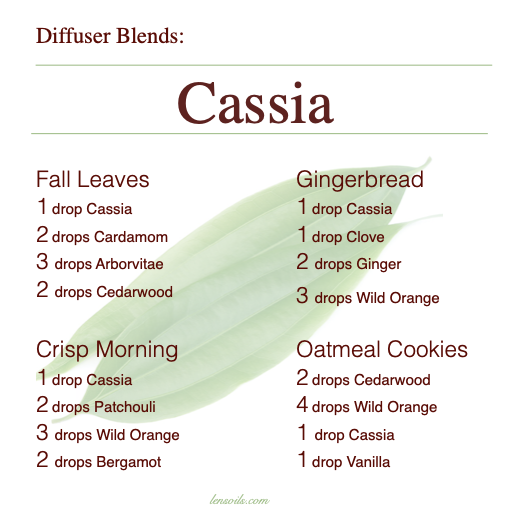
Cassia brings a bold, cozy warmth to these blends, acting like the spark that makes everything feel alive and comforting at the same time. Fall Leaves is rich and woodsy with a gentle spice that feels grounded and nostalgic, while Crisp Morningbalances cassia’s heat beautifully with bright citrus and deep earthiness for an uplifting yet steady feel. Gingerbread is pure comfort—spicy, sweet, and instantly familiar without being overpowering. And Oatmeal Cookies is soft and inviting, where cassia adds just enough warmth to keep the blend from drifting too sweet, making the whole lineup feel cozy, balanced, and perfectly seasonal.




 Len's Oils