Tag Archives: Aromatherapy

Top Essential Oil Leader: Dr. Bruce Berkowsky

Dr. Bruce Berkowsky: A Pioneer in Natural Healing and Essential Oils 

Dr. Bruce Berkowsky is a leading expert in natural healing, essential oils, and holistic wellness. With over 40 years of experience, he has dedicated his career to developing innovative healing systems that integrate various alternative medicine disciplines. His work combines traditional naturopathy, herbal medicine, homeopathy, nutrition, and aromatherapy to help people improve their health naturally. Through his extensive research and teaching, he has influenced the way essential oils and natural healing methods are used.

One of Dr. Berkowsky’s most notable contributions is the Natural Health Science System™ (NHSS), which blends scientific principles with holistic healing techniques. This system is designed to help individuals achieve better health by understanding the deep connections between the body, mind, and nature. NHSS integrates both Eastern and Western medical philosophies, offering a well-rounded approach to natural health.

Another key aspect of Dr. Berkowsky’s work is Spiritual PhytoEssencing™ (SPE), a unique healing method that focuses on using essential oils for emotional and spiritual well-being. This technique combines elements of herbal medicine, psychology, Chinese medicine, and ancient healing traditions. By carefully selecting and blending essential oils, SPE aims to address deep-rooted emotional imbalances and promote overall wellness.

Dr. Berkowsky has an impressive educational background. He holds degrees and certifications in traditional naturopathy (N.M.D., MRN, CTN), herbal medicine (M.H.), nutrition (Ph.D.), and homeopathy (DHM, H.M.C.). He is also nationally certified in massage and bodywork (NCTMB) and has expertise in aromatherapy and constitutional iridology. His vast knowledge allows him to provide a comprehensive approach to healing that combines multiple natural therapies.

As an accomplished author, Dr. Berkowsky has written several books on essential oils and holistic health. Some of his well-known works include “Berkowsky’s Synthesis Materia Medica/Spiritualis of Essential Oils” and “Essential Oils and the Cancer Miasm.” These books serve as valuable resources for those interested in learning more about the healing properties of essential oils and their connection to overall health.

In addition to his books, Dr. Berkowsky has contributed articles to various health magazines, such as Massage and Bodywork, Aromatherapy Today, and Total Health. He has also been a featured guest on multiple radio and television talk shows, where he shares his insights on natural healing and essential oils. His work has helped educate a broad audience about the benefits of holistic health practices.

Dr. Berkowsky is also the president of Joseph Ben Hil-Meyer Research, Inc., a research organization dedicated to studying natural health science. His research focuses on understanding the connection between human health and nature’s rhythms. He believes that by aligning with natural cycles and using plant-based remedies, individuals can achieve better physical and emotional health.

A strong advocate for personalized treatment, Dr. Berkowsky emphasizes the importance of tailoring healing methods to each individual’s unique needs. He believes that no two people are alike, and their healing journeys should be customized accordingly. This philosophy is central to both NHSS and SPE, which focus on selecting therapies that align with an individual’s physical and emotional constitution.

Through his books, courses, and research, Dr. Berkowsky has helped countless people understand the power of essential oils and natural healing. His dedication to blending scientific knowledge with ancient healing traditions has made a lasting impact on the world of alternative medicine. Whether through his teachings or his writing, his work remains a valuable resource for those looking to explore the benefits of natural health and wellness.

How to Use Essential Oils: Angelica

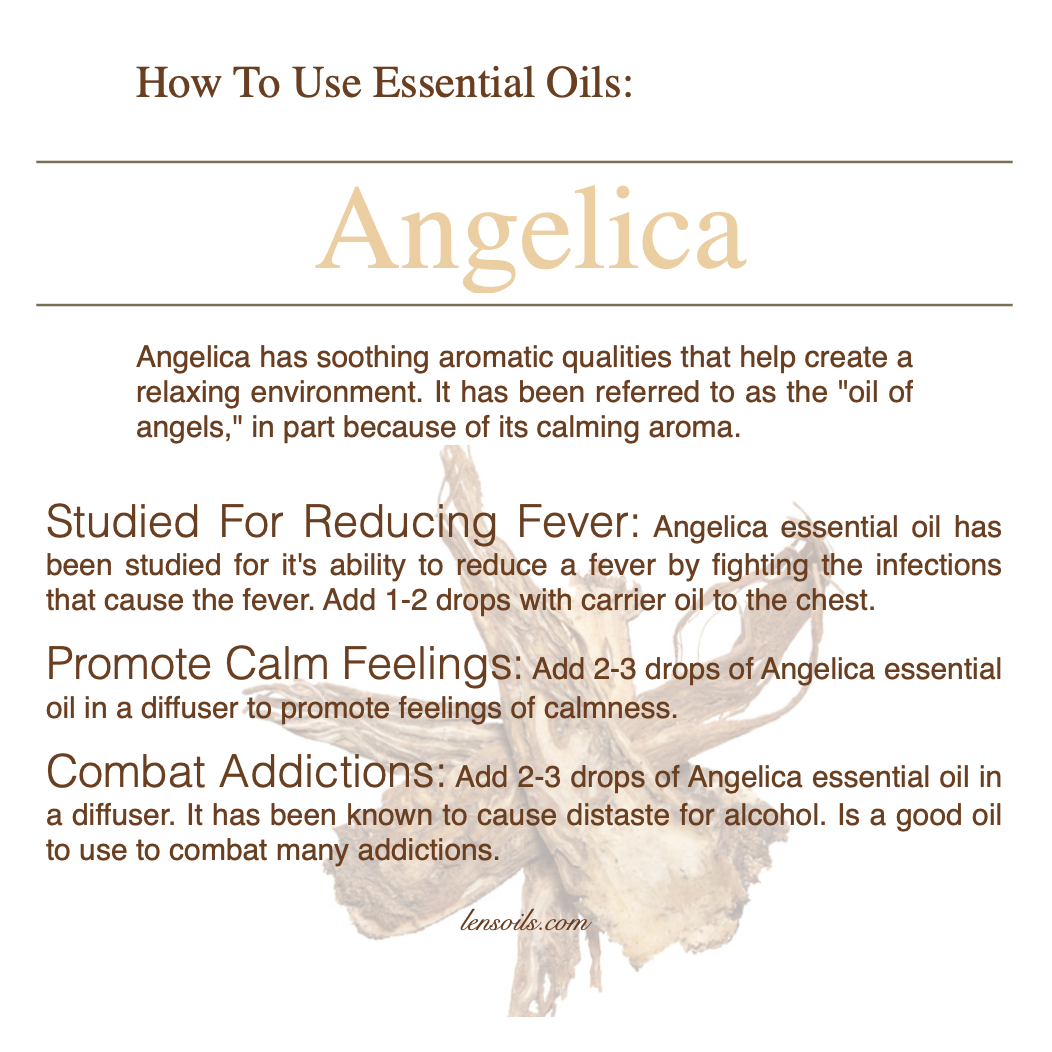
Angelica essential oil is well known for its soothing and calming aromatic qualities, making it a popular choice for creating a relaxing environment. Often referred to as the “oil of angels,” it has a gentle yet grounding aroma that can help ease stress and tension. Many people use Angelica oil in aromatherapy to unwind after a long day or to promote a sense of peace during meditation. Its natural properties make it a valuable oil for emotional balance and relaxation.

In addition to its calming effects, Angelica essential oil has been studied for its ability to reduce fevers. It is believed to help fight the infections that cause fever, supporting the body’s natural healing process. To use Angelica oil for this purpose, dilute 1-2 drops with a carrier oil and apply it to the chest. The oil’s therapeutic properties may assist in boosting the immune system and providing relief from discomfort. It is also commonly used in diffusers to promote feelings of tranquility, helping to create a restful atmosphere.

Beyond its traditional uses, Angelica essential oil has been noted for its potential in combating addictions. When diffused, it is said to cause a distaste for alcohol, making it a helpful tool for those looking to break free from certain habits. Some people also use it to help manage cravings and support emotional resilience during recovery. While not a standalone solution, incorporating Angelica oil into a wellness routine may provide additional support for those seeking to overcome various dependencies.

Top Essential Oil Leader: Dr. Daniel Pénoël

Dr. Daniel Pénoël: A Visionary in Essential Oils

Dr. Daniel Pénoël’s journey into the world of essential oils began long before his professional career, rooted in a childhood filled with curiosity about nature and science. Growing up in the picturesque countryside of France, he was surrounded by fragrant lavender fields and the gentle hum of bees. His early years were spent exploring the natural world, collecting wildflowers, and observing the rhythms of the environment. Encouraged by his parents, who valued both education and the beauty of nature, young Daniel developed a fascination with the healing properties of plants. This passion for understanding the natural world laid the foundation for his future as a pioneer in the study and application of essential oils.

As Dr. Pénoël pursued higher education, his academic path led him to medicine, where he excelled in both traditional and holistic approaches to health. He graduated with a medical degree from France’s esteemed Faculty of Medicine in Montpellier, one of the oldest medical schools in the world. His training in conventional medicine gave him a firm understanding of the human body, but he quickly realized there was more to healing than pharmaceuticals. His passion for natural therapies, particularly the use of plant-based remedies, steered him toward aromatherapy and essential oils—a field he would come to revolutionize.

Dr. Pénoël’s research into essential oils began with a desire to bridge the gap between science and nature. He was fascinated by the idea that essential oils, with their complex chemical compositions, could offer profound therapeutic benefits. He devoted years to studying the biochemistry of essential oils, analyzing their components and how they interact with the human body. This scientific rigor set him apart, as he sought to bring evidence-based practices to a field that was often dismissed by the medical establishment.

Through his studies, Dr. Pénoël discovered the wide-ranging applications of essential oils, from supporting emotional well-being to addressing chronic physical conditions. He became particularly interested in the antimicrobial properties of oils like oregano and thyme, as well as the calming effects of lavender. His research demonstrated how essential oils could be used not only to alleviate symptoms but also to address underlying imbalances in the body, offering a truly holistic approach to health.

In addition to his groundbreaking research, Dr. Pénoël was a gifted educator. He traveled the world, sharing his knowledge with healthcare professionals and aromatherapy enthusiasts alike. His lectures combined scientific depth with practical application, making complex topics accessible to diverse audiences. He believed in empowering others with the knowledge to use essential oils safely and effectively, fostering a global community of informed practitioners.

Dr. Pénoël’s work extended beyond academia and lectures; he was also a prolific author. His books, including L’Aromathérapie Exactement (Aromatherapy Exactly), became essential resources for anyone serious about essential oils. These works provided a detailed exploration of the therapeutic potential of essential oils, supported by scientific evidence and real-world case studies. His writing not only educated but also inspired, sparking a deeper appreciation for the synergy between science and nature.

As a clinician, Dr. Pénoël integrated essential oils into his medical practice, using them alongside conventional treatments to address a wide range of health issues. He demonstrated how essential oils could complement traditional medicine, whether in managing infections, reducing inflammation, or promoting emotional resilience. His success in combining these approaches earned him the respect of both his patients and his peers, further cementing his reputation as a pioneer in the field.

One of Dr. Pénoël’s most significant contributions was his role in developing quality standards for essential oils. He worked tirelessly to ensure that the oils used in therapy were pure, unadulterated, and sourced ethically. His advocacy for transparency and accountability in the industry helped raise the bar for essential oil production and usage, ensuring better outcomes for consumers and practitioners alike.

Dr. Pénoël’s holistic philosophy extended beyond essential oils to embrace the interconnectedness of health and the environment. He emphasized the importance of sustainability and ethical sourcing, advocating for practices that respected both the planet and the people involved in producing essential oils. This vision of harmony between human health and environmental stewardship became a cornerstone of his work.

Today, Dr. Daniel Pénoël’s influence can be felt across the world of aromatherapy and natural medicine. His research, education, and advocacy have transformed essential oils from a niche interest into a respected tool for holistic health. Through his dedication and vision, he has inspired countless individuals to explore the power of nature in healing, leaving a legacy that continues to shape the field of aromatherapy.

Secrets of the Silent Giant and the Rest of the Story

High in the mist-covered mountains of Lebanon, King Solomon’s builders labored. They sought wood that would withstand centuries, wood that was resistant to decay and filled the air with an unmistakable aroma. They chose carefully, for this wood would line the halls of the most magnificent temple ever built. It was a tree known for its strength, durability, and fragrance—a tree that had already been revered for generations.

Far to the south, the priests of Egypt knew of this tree as well. It was not merely prized for its timber but for something more—the oil that could be extracted from its heartwood. The Egyptians used this oil to embalm their dead, believing it would preserve not just the body, but the soul. The tombs of Pharaohs bore the scent long after their earthly kings had turned to dust.

Centuries later, the Roman scholar Pliny the Elder wrote of its properties. He documented its resistance to rot and insects, its deep, grounding fragrance, and the way its oil was used to anoint sacred objects. The Romans burned shavings of its wood in temples, letting the aroma drift skyward with their prayers.

In the American colonies, settlers recognized the same properties. They lined their closets with this wood, filling storage chests with its shavings. Why? Because its scent repelled moths and insects, protecting precious linens and heirlooms for generations. Even today, small blocks of this wood are placed in closets for the same reason.

By the 20th century, chemists began to examine the oil more closely. Among them was René-Maurice Gattefossé, the French scientist who pioneered aromatherapy. He recognized this oil’s ability to promote relaxation and soothe the mind. Blended into massage oils or diffused into the air, it provided a sense of calm after a long, weary day.

Meanwhile, outdoorsmen took note of another quality. Hikers and campers began using the oil as a natural insect repellent. A drop on a cotton ball, tucked into a tent or sleeping bag, kept unwanted pests at bay. It was yet another way this tree protected those who sought its benefits.

Modern dermatologists discovered its skincare potential. With astringent properties, it became a trusted ingredient in facial treatments, helping with oily skin. Those who suffered from occasional skin irritation found that just a few drops blended into lotions or carrier oils could provide relief.

And in households around the world, its scent filled the air—not just in wooden furniture, but in diffusers, candles, and soaps. It became a staple in spas, helping people unwind from the pressures of daily life. It was the quiet companion of relaxation, as it had been for thousands of years.

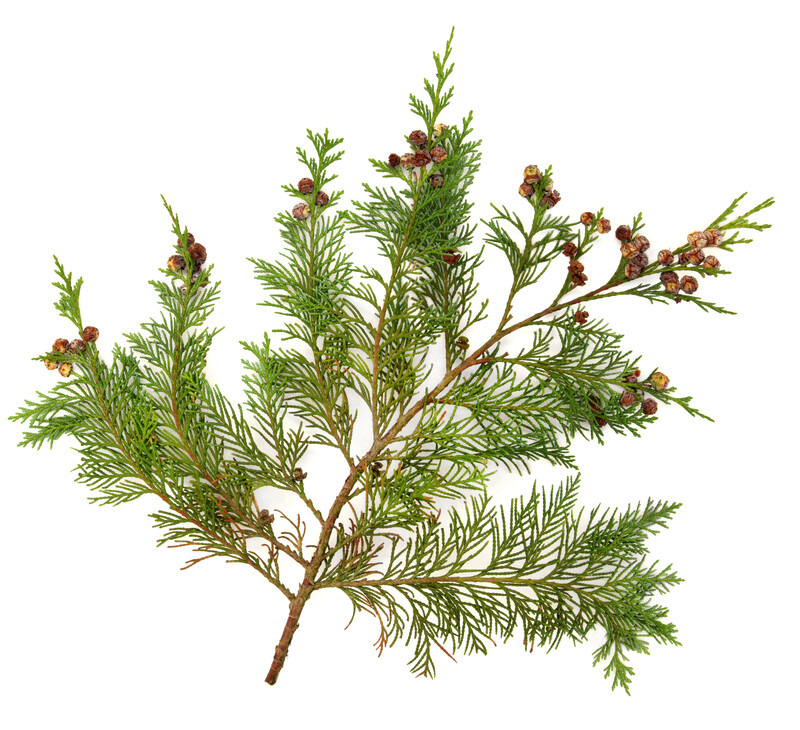
And now, with all the clues before you—the ancient temples, the chests lined with fragrant wood—you might think we’re talking about sandalwood or pine. But no, the unsung hero of this story is Cedarwood. With its grounding aroma and remarkable benefits, it has touched lives for centuries.

And now you know the rest of the story.
Top Essential Oil Leader: Sylla Shepard-Hanger

Sylla Sheppard-Hanger: A Legacy of Aromatherapy Excellence

Sylla Sheppard-Hanger was born on June 23, 1953, in the United States. Growing up in the vibrant cultural landscape of the 1960s and 1970s, Sylla developed an early interest in holistic health and natural remedies. Her curiosity about nature’s healing power was influenced by her family’s emphasis on natural living and her exposure to herbal medicine. This early foundation laid the groundwork for a lifelong passion for aromatherapy and essential oils.

In 1989, Sylla founded the Atlantic Institute of Aromatherapy in Tampa, Florida, becoming a trailblazer in the field. The institute was one of the first organizations in the United States dedicated to the professional education and certification of aromatherapists. With a comprehensive curriculum blending traditional knowledge and modern research, the Atlantic Institute became a cornerstone for training skilled practitioners.

Sylla emerged as a leading advocate for essential oil safety, emphasizing the importance of understanding chemical properties, proper dilution, and avoiding hazards. Her work in this area was instrumental in establishing widely followed safety guidelines. Her commitment to these principles helped elevate aromatherapy to a credible and respected discipline.

As a passionate educator, Sylla conducted countless workshops, courses, and seminars over her 35-year career. She simplified complex topics such as essential oil chemistry and therapeutic applications, making them accessible to her students. Her engaging teaching style inspired a new generation of aromatherapists who continue to advance the field.

Sylla authored several key publications on essential oil safety and usage, blending practical knowledge with scientific research. These works bridged the gap between traditional practices and modern applications, solidifying her role as an authoritative voice in aromatherapy. Her contributions became foundational resources for professionals worldwide.

Recognizing the need for evidence-based practices, Sylla conducted extensive research into the therapeutic effects of essential oils. She collaborated with scientists to study the chemical composition of oils, their pharmacological effects, and their interactions with the human body. Her findings brought greater credibility to aromatherapy within the healthcare industry.

Sylla also spearheaded the Aromatherapy Global Education Project (AGEP), an initiative aimed at standardizing aromatherapy education worldwide. By establishing consistent training standards, she ensured practitioners received accurate and comprehensive knowledge, setting a high bar for excellence in the field.

Beyond her institutional contributions, Sylla mentored countless students and professionals, creating a collaborative and supportive aromatherapy community. The Atlantic Institute became a hub for individuals passionate about natural healing, fostering a network of experts dedicated to safe and effective practices.

Sylla was also a proponent of integrating essential oils into mainstream healthcare. By working with hospitals, clinics, and wellness centers, she demonstrated the value of aromatherapy as a complementary therapy. Her efforts helped elevate essential oils from a niche practice to a respected component of holistic health.

essential oil leaderThrough her institute, research, and advocacy, Sylla Sheppard-Hanger empowered countless individuals to responsibly harness the therapeutic potential of essential oils. Her dedication to safety and education continues to inspire professionals and enthusiasts alike. Although decades have passed since her journey began, Sylla’s teachings remain highly relevant, ensuring her legacy lives on through the lives she touched and the knowledge she shared.

How to Use Essential Oils: Smell

Essential oils can be used through inhalation, which is the fastest route for them to enter the body. When inhaled, the oil’s molecules travel through the olfactory nerves in the nose directly to the brain. This process allows the brain to quickly send signals via the nervous system to areas experiencing pain, stress, or anxiety. Aromatherapy is widely used for emotional and physical well-being because of this direct connection between scent and neurological response.

There are several ways to use essential oils through smell. A diffuser is one of the most effective methods, dispersing tiny oil particles into the air for continuous inhalation. Another method is to inhale directly from the bottle or cap, which provides a quick and concentrated dose of aroma. Additionally, placing a few drops in the palms of your hands, rubbing them together, and cupping them over your nose allows for a personal and immersive experience. This method is particularly useful for on-the-go relief from stress, fatigue, or congestion.

Lemon essential oil (Citrus limon) is a popular choice for aromatherapy due to its uplifting and refreshing scent. It is commonly used to boost mood, improve focus, and cleanse the air. However, caution should be taken when using lemon oil topically, as it can cause extreme skin irritation and increases sensitivity to sunlight. If applied to the skin, it is recommended to avoid direct sunlight for up to 12 hours to prevent burns or irritation. Despite this, lemon oil remains a versatile and beneficial essential oil for both aromatic and topical applications.

Top Essential Oil Leaders

René-Maurice Gattefossé, born in 1881 in Montchat, Lyon, France, was a French chemist whose pioneering work laid the foundation for modern aromatherapy. Raised in a family of perfumers, Gattefossé grew up surrounded by the scents and intricacies of essential oils. This environment cultivated his early fascination with chemistry and the natural properties of plant extracts. After earning his degree in chemical engineering, he began working in his family’s perfumery business, where he honed his understanding of the aromatic compounds that would later define his career.

In the early 20th century, Gattefossé devoted himself to researching essential oils, initially focusing on their applications in perfumery. During this time, essential oils were primarily valued for their fragrances rather than their therapeutic properties. However, his scientific curiosity pushed him to investigate the chemical composition and potential medicinal uses of these oils. This transition from perfumery to therapeutics marked the beginning of a groundbreaking journey that would redefine the use of essential oils.

Gattefossé’s interest in the therapeutic potential of essential oils was significantly influenced by a life-altering incident in 1910. While working in his laboratory, he suffered a severe burn on his hand after an accidental explosion. In desperation, he plunged his hand into a nearby vat of lavender oil. To his surprise, the pain subsided almost immediately, and the wound healed rapidly without infection or scarring. This experience convinced him of the profound healing properties of essential oils and motivated him to study their medicinal benefits more deeply.

After the lavender oil incident, Gattefossé redirected his focus toward the therapeutic properties of essential oils. He began collaborating with physicians, chemists, and botanists to document the physiological and psychological effects of various oils. His research revealed that essential oils possessed antibacterial, antifungal, and anti-inflammatory properties, which could be used to treat a wide range of ailments. This work was revolutionary, as it marked one of the first systematic attempts to bridge traditional plant medicine with modern scientific methods.

Gattefossé coined the term “aromatherapy” in 1928, combining the words “aroma” and “therapy” to describe the use of essential oils for healing. His landmark book, Aromathérapie: Les Huiles Essentielles Hormones Végétales (1937), was the first to systematically document the medicinal uses of essential oils. In this work, he detailed the therapeutic effects of numerous oils, including lavender, rosemary, thyme, and eucalyptus. His findings laid the groundwork for modern aromatherapy, inspiring future generations of researchers and practitioners.

During World War I, Gattefossé worked closely with military physicians to treat wounded soldiers using essential oils. He provided oils like thyme and lavender for disinfecting wounds and preventing infections, demonstrating their efficacy in battlefield conditions. This period solidified his belief in the medicinal potential of essential oils and showcased their practical applications in medical care.

Beyond his scientific contributions, Gattefossé was a strong advocate for integrating aromatherapy into mainstream medicine. He believed that essential oils offered a natural and effective alternative to synthetic drugs, especially for treating infections and skin conditions. His vision was to create a holistic approach to medicine that combined traditional remedies with modern scientific understanding, emphasizing the importance of treating the whole person rather than just the symptoms.

Despite facing skepticism from the medical community, Gattefossé remained committed to his research and advocacy. He traveled extensively, sharing his findings at conferences and collaborating with international experts. His work gained recognition among a growing circle of health professionals, setting the stage for the eventual acceptance of aromatherapy as a legitimate field of study.

René-Maurice Gattefossé’s legacy as the father of aromatherapy continues to influence the field today. His pioneering research and dedication to understanding the healing power of essential oils transformed them from mere fragrances into powerful therapeutic tools. His contributions laid the scientific foundation for aromatherapy, inspiring countless researchers, practitioners, and enthusiasts to explore the natural healing potential of plants.

By the time of his death in 1950, Gattefossé had established a lasting legacy that would shape the future of natural medicine. His work bridged the gap between ancient traditions and modern science, ensuring that aromatherapy would endure as both an art and a science. Today, his name is synonymous with the field he helped create, reminding us of the profound impact that one person’s curiosity and dedication can have on the world.

The Indigo Secret

In the early 1940s, World War II was raging, and the people of England were bracing themselves for the worst. Amid the chaos and fear, one young woman named Marguerite Maury was quietly working in her small Parisian laboratory, surrounded not by weapons or blueprints for war but by plants—hundreds of them. Marguerite was a biochemist and an avid believer in the power of natural remedies. But her fascination wasn’t merely scientific—it was personal. She had suffered from chronic illness as a child and found solace in the aromatic compounds of flowers and herbs.

Marguerite’s life took a turn when she came across the work of René-Maurice Gattefossé, a French chemist whose accidental discovery of lavender’s healing properties changed the course of modern aromatherapy. Gattefossé had burned his hand during an experiment and instinctively plunged it into a container of lavender oil. To his astonishment, the burn healed quickly, with little scarring. Inspired, Marguerite began to explore the healing potential of other plants, diving deeper into the study of essential oils.

Her research led her to a plant that, at first glance, seemed utterly unremarkable. It grew wild in the sun-soaked fields of Morocco, its yellow blossoms swaying gently in the Mediterranean breeze. Local farmers harvested it for its traditional uses, but Marguerite suspected the plant was capable of far more. She obtained a small sample of its oil and began her experiments. What she discovered would change her life—and the lives of countless others.

The oil was unlike anything Marguerite had ever encountered. Its color was a striking indigo blue, almost otherworldly. Marguerite learned that this unique hue came from a compound called chamazulene, which was only formed during the distillation process. But it wasn’t just the color that intrigued her—it was the oil’s effects. It seemed to calm irritated skin, ease tension, and lift the spirits in ways she had never seen before.

Marguerite decided to test the oil on herself. At the time, she was battling stress and fatigue from long days in her lab. She placed a single drop in a bowl of steaming water, inhaling deeply. The rich, herbaceous aroma filled her senses, and almost immediately, she felt a sense of calm and focus. Over the next few months, she shared the oil with friends and colleagues, documenting its effects on everything from blemishes to sore muscles.

Her breakthrough came when she presented her findings to a group of biochemists in Paris. They were skeptical at first, dismissing her work as nothing more than folk medicine. But Marguerite was undeterred. She had seen the results firsthand—she knew the oil was a gift, not just for healing the body but for restoring the soul. Eventually, her persistence paid off, and the scientific community began to take notice.

By the 1950s, Marguerite Maury had become a pioneer in aromatherapy, and her work with this mysterious blue oil had earned her international recognition. She introduced the concept of using essential oils not just for their physical benefits but for their emotional and psychological effects—a radical idea at the time. Her discoveries paved the way for modern holistic medicine, changing how people viewed the connection between plants and healing.

And the plant that started it all? The humble blue tansy, also known as Moroccan tansy. Today, it’s cherished for its skin-soothing properties, its ability to uplift the mood, and its role in Marguerite Maury’s groundbreaking legacy.

And now you know the rest of the story.

Lemon Myrtle – Did You Know?

Did you know that Lemon Myrtle is a type of plant that grows in the subtropical rainforests of Queensland and New South Wales, Australia? For thousands of years, indigenous Australians have been using Lemon Myrtle tea in their traditional foods and for medicinal purposes. It has a nice, sweet lemony smell, and it can make you feel happy and energized, so it’s great for lots of different uses that involve its smell. People make useful oil from Lemon Myrtle leaves and branches by using steam.

The number one reason to like Lemon Myrtle is because it’s packed with helpful stuff that can be used in many ways to make you feel better. Most of it is made up of two things called geranial and neral, which are good for aromatherapy. These things in Lemon Myrtle can help clean the air, keep your breathing healthy, and even keep away things like allergies during certain times of the year.

If you’re someone who loves essential oils just for their nice smell, you should definitely try Australian Lemon Myrtle. It has a fresh and uplifting scent, and you can use it in things like cleaning products and natural air fresheners to make your home smell nice without using harsh chemicals. Plus, bugs don’t really like the smell of it, so it’s also good to bring with you when you’re spending time outdoors.