Tag Archives: Antioxidant

The Rest Of The Story: Whisper in the Woods

It started in forests older than most nations, where evergreen giants stood watch over hillsides bathed in sun and wind. The trees didn’t shout, they whispered—through the fragrance of resin, the rustle of boughs, and the cool clarity of air after rainfall. People lingered beneath their branches, not knowing the science, only the feeling. Something in that clean, woodsy scent seemed to quiet the noise inside.

For generations, these trees played a role in daily life. Their wood was used for ships and temples. Their twigs were burned in ceremonies to purify the air. Their leaves were crushed and steeped into homemade brews. The stories said it helped when lungs were heavy, joints were stiff, or minds were restless. Traditions were built around them, and yet no one quite knew why they worked—they just did.

Eventually, researchers caught up. Modern testing found that the oil from this tree’s branches and needles held antioxidant properties and antimicrobial potential, especially against certain strains of bacteria. Some studies observed relaxation effects from inhaling its vapors—measurable shifts in heart rate variability and parasympathetic response. Compounds like α-pinene, cedrol, and limonene began to appear regularly in scientific journals. The mystery, once kept by folklore, had begun to meet the microscope.

In distillation houses tucked within Mediterranean hills and temperate groves, harvesters continue to gather the leaves and twigs by hand. Timing still matters. So does patience. The chemistry of the oil depends not only on the soil and weather, but also on the shape of the still itself. In places where tradition meets precision, doTERRA has formed trusted partnerships that help preserve this careful process—supporting farmers, protecting forests, and ensuring that what reaches the bottle reflects the wisdom of both nature and nurture.

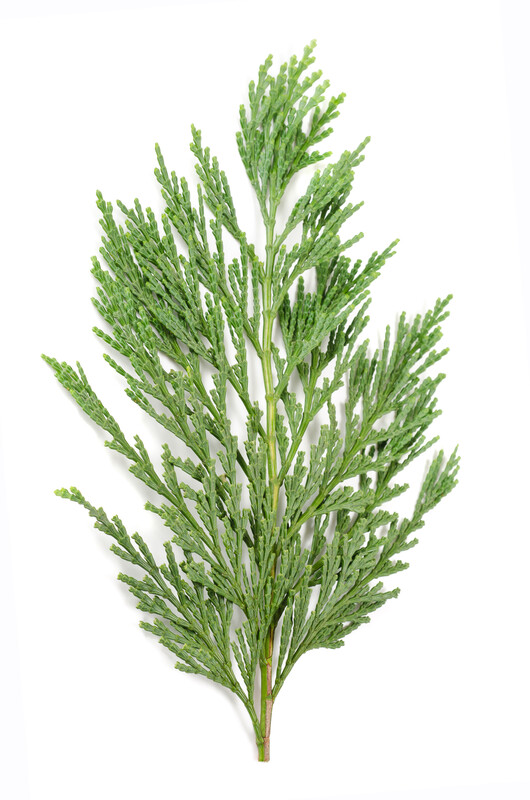
And in those groves, that story continues. It’s not mass production. It’s stewardship. It’s the art of distilling history one drop at a time. And now you know the rest of the story—the ancient tree whose oil helps clear the air, calm the breath, and sharpen the mind. You’ve likely smelled it in a diffuser or perhaps blended it with another oil, not realizing its roots trace back thousands of years. You may know the tree by its modern name: Cypress. Its story began in stillness. And even now, it continues to speak softly.

A Seed of Secrets and The Rest of the Story

It began in silence — tucked away in tombs beneath the Egyptian sands. Not gold, not frankincense, not even papyrus, but something far humbler: a handful of small, round seeds. These seeds were placed with care beside royalty, not as decoration but as preservation, perhaps even protection. The ancients didn’t have journals full of reasons. They simply knew, as if by instinct, that this seed mattered.

As empires rose and fell, that same seed followed quietly. The Greeks gave it a name. The Romans gave it a recipe. Centuries later, it wandered its way into Eastern Europe, the Middle East, India, and Latin America — adapted in cuisines, stories, and old-world traditions. It was found in market stalls and temple incense, boiled in broths and ground into spice blends. A plant with two distinct gifts: leaf above, seed below. And somehow, both found their place in medicine and mealtime alike.

But it wasn’t until recently that science began to catch up. In laboratory settings, researchers discovered this seed’s essential oil had noteworthy properties. Studies revealed its natural compounds showed antioxidant potential, helping neutralize unstable molecules in controlled environments. Other research observed antimicrobial effects, where the oil inhibited the growth of certain bacteria and fungi on contact. In preclinical models, some scientists even noted a calming influence on mood and behavior — an observation that sparked further study into its aromatic compounds.

At Texas A&M and institutions abroad, researchers explored its bioactive profile, breaking down terpenes and alcohols like linalool and α-pinene — compounds already known for their presence in some of the world’s most calming botanicals. These were not claims for healing, but they were clues, patterns, echoes of what traditional cultures had always believed: that this tiny seed had something more to offer than just flavor.

Today, thanks to careful sourcing programs — like those supported by doTERRA’s Co-Impact Sourcing® — this plant continues its journey. It grows in nutrient-rich soil, harvested by hands that understand patience, distilled into oil by people who respect the process. It’s not mass produced. It’s crafted. And with every drop, there’s a whisper of history, a reminder that the old world may have known a few things we’re just beginning to rediscover.

And now you know the rest of the story. You’ve known it in the kitchen, tasted it in meals, and perhaps even seen its green leafy cousin on your dinner plate. But the seed — the golden round one that yields a complex, peppery oil — has another name. You may call it cilantro when it’s fresh and leafy. Or coriander when it’s round, dry, and full of mystery. Either way, its story isn’t over. Not even close.

How to Use Essential Oils: Blue Tansy

Blue tansy, also known as Moroccan tansy (Tanacetum annuum), is a Mediterranean plant native to northern Morocco. It produces small yellow flowers, but when distilled into an essential oil, it takes on a deep blue color due to the presence of chamazulene. This compound is responsible for blue tansy’s well-known anti-inflammatory and skin-soothing properties. Traditionally, it has been used in aromatherapy and skincare to promote calmness and relief from irritation. The oil is often diffused to uplift mood and create a relaxing atmosphere, while topical application—diluted in a moisturizer or cleanser—may help reduce the appearance of blemishes and soothe skin irritation.

In modern wellness practices, blue tansy is widely used for relaxation and muscle recovery. Adding 1-2 drops to lotion can create a restoring massage blend, useful for relaxing muscles after a stressful day or intense workout. Due to its natural antioxidant properties, some people also use blue tansy to help protect skin from environmental stressors. However, its role in broader healing processes remains an area requiring more research. While its anti-inflammatory and antioxidant effects may contribute to skin repair, there are limited scientific studies specifically evaluating blue tansy’s ability to aid in wound healing or other physical recovery processes.

Beyond skincare and relaxation, blue tansy is sometimes used for reducing minor discomfort, particularly in muscle and joint care. Its chamazulene content gives it a mild cooling effect, making it a popular choice for soothing soreness. However, while many users report relief from aches and tension, its effectiveness in pain relief beyond topical inflammation has not been extensively studied. As research continues, blue tansy remains a well-regarded essential oil for emotional balance, skincare, and muscle relaxation, though its broader healing properties and pain-relief potential require further scientific exploration.

Rosemary-Did You Know?

Screen shot 2015-05-21 at 8.59.00 PMDid you know rosemary assists in the development of true knowledge and true intelligence? Rosemary is the essential oil of knowledge and transition. It challenges people to look deeper than they normally would, and ask more soul searching questions so they may receive more inspired answers. Rosemary also aids in times of transition and change, such as adjusting to a new house, school, or a relationship.

Rosemary is actually a bush perennial that grows in abundance in the Mediterranean area (Spain, Italy, Portugal, Southern France, Greece and North Africa as well as in isolated areas of Turkey, Lebanon and Egypt). It is one of the most common aromatic wild plants of the Mediterranean landscape, especially in rocky limestone hillsides adjoining the seaside.

Rosemary was relocated to England by the Romans in the eighth century, primarily in the southern part of the country. Rosemary branches were placed on the floors of medieval homes to combat diseases during the “black plague.” Because of the fragrance the plant gives off, it was a used as an incense. It was introduced to the New World by early immigrants, but in the northern regions they must be protected in the winter months.

Rosemary is an aromatic, evergreen shrub whose leaves are frequently used to flavor foods such as stuffings and roast lamb, pork, chicken, and turkey. When you add rosemary to spaghetti sauce it will bring out the flavor of other ingredients. It is a very nice addition to tomato-based soups, stews, and sauces. Along with its culinary applications, Rosemary has many health benefits.

Rosemary supports healthy digestion and helps soothe sore muscles and joints. Long revered by healers, rosemary was considered sacred by the ancient Greek, Roman, Egyptian, and Hebrew cultures. Rosemary’s herbaceous and energizing scent is frequently used in aromatherapy to combat nervous tension, fatigue, and has antioxidant properties.

Oregano-Did You Know?

Oregano

Did you know the word “oregano” comes from the Greek phrase, “joy of the mountains?” Oregano is the oil of humility and non-attachment. Oregano cuts through the less important parts of life and teaches people to do the same. Oregano is a powerful oil, and may even be described as assertive or intense. Oregano addresses an individual’s need to be “right.”

Ancient Greek physicians discovered that oregano had beneficial properties, and prescribed it for a variety of ailments. Hippocrates used it as well, as its close cousin, Marjoram, as an antiseptic. Just married couples were crowned with wreaths of it. It was also put on graves to give peace to departed spirits.

The use of oregano later spread throughout Europe and much of Northern Africa. In these regions it was used as a spice for meats, fish, and a flavoring for wine. In the middle ages people continued to use it. Oregano was one of few spices used in cooking to give variety to the daily meals.

In spite of its use in England, Oregano was little known in the United States prior to the Second World War. Soldiers discovered the flavors, and aromas during the Italian Campaign, and brought back the spice, and the desire for it. The oregano sold on the spice racks of stores today, is usually made up of several varieties.

Oregano is one of the most potent and powerful essential oils, and has been used for centuries in traditional medicine for its cleansing and immune-boosting properties. The primary chemical components of Oregano are carvacol, and thymol, both in the Phenols group, which possess purifying, and antioxidant properties. Due to its high phenol content, caution should be taken when inhaling or diffusing Oregano; only one to two drops is needed. Additionally, Oregano should be diluted with fractionated coconut oil when applied to the skin.

Oregano essential oil contains phenols—powerful antioxidants that ward off free radicals. One drop taken daily can help maintain healthy immune function; Oregano should be taken more frequently when seasonal threats are high, or as needed to further boost immunity. In addition to being a popular cooking spice, Oregano supports healthy digestion by promoting the secretion of digestive juices. When diffused, Oregano acts as an enhancer and equalizer in essential oil blends, and can help maintain healthy respiratory function.

Clove-Did You Know?

clovesDid you know the word clove comes from the French word clov, meaning nail? Clove essential oil is the oil of boundaries helping people to let go of their victim mentality. Clove can assist us in letting go of regular displays of self-betrayal and emotional reliance on a partner by reconnecting them with their personal strong moral values. Clove gives the pushover the power to say “no”.

Each unopened flower bud of the clove tree becomes a clove bud, a tropical evergreen member of the Myrtle family. A clove tree, known botanically as Eugenia aromatica, may live 100 years. They begin producing fruit at seven years and come into full maturity around 25 years. The average crop yield is eight pounds although each year is different. The trees are native to the Moluccas, also known as the Spice Islands.

As early as 200 BC, the Chinese used cloves to freshen their breath during audiences with the emperor. During the late Middle Ages, cloves were used in Europe to preserve, flavor, and garnish food. Clove cultivation was almost entirely confined to Indonesia, because the Dutch government had a monopoly on this valuable spice. Later In the 18th century, the French smuggled cloves from the East Indies to Indian Ocean islands and the New World, breaking the Dutch monopoly on this prized spice.

Clove has been used for years in dental preparations,candy, and gum for its flavor and ability to promote oral health, yet it provides a myriad of health benefits. Its main chemical component, eugenol, makes it a very stimulating and energizing essential oil that can promote blood circulation and benefit cardiovascular health.Due to its high phenol content, caution should be taken when inhaling Clove directly and it should be diluted when applied to the skin. As a cooking spice, Clove adds a spicy flavor to any dish or dessert while providing internal health benefits.