Hebrews 9:19 refers to an important moment in the Old Testament when Moses sealed God’s covenant with the Israelites using a sacred ritual. According to the law, Moses read God’s commandments to the people and then purified both the book of the law and the people by sprinkling them with the blood of calves and goats, water, scarlet wool, and hyssop. This act symbolized purification, dedication, and the seriousness of following God’s law. Blood represented atonement for sin, water symbolized cleansing, and hyssop was an important plant used for purification in biblical times. This event foreshadowed the ultimate sacrifice of Jesus, whose blood would later bring a new and better covenant that cleanses people from sin permanently.
The mention of hyssop and scarlet wool is significant because hyssop is an essential oil-producing plant that was often used in purification rituals. In ancient times, people used hyssop oil for its cleansing and antibacterial properties, and it was also mentioned in the Passover story when the Israelites used it to spread lamb’s blood on their doorposts (Exodus 12:22). The scarlet wool could represent both the covering of sins with blood and the richness of God’s mercy. This verse highlights how essential oils and natural elements played a key role in spiritual and physical purification, showing that God’s laws were not just symbolic but also practical for health and holiness.
For us today, Hebrews 9:19 reminds us that true cleansing and renewal come through Christ’s sacrifice. Just as Moses used essential oils like hyssop and natural elements to purify the people, we can reflect on how God provides both physical and spiritual healing. While essential oils and natural remedies have their place in wellness, the ultimate purification comes through faith in Jesus, who replaced the old system of sacrifices with a lasting and perfect covenant. This verse encourages us to seek both physical and spiritual renewal, recognizing that Jesus is the fulfillment of God’s promises.
It was a cold winter evening in the late 18th century when a young French chemist named Antoine Baumé began experimenting with the oils of an exotic spice. His research, focused on its strong, spicy aroma, revealed that just a small amount of this oil could transform ordinary remedies into something extraordinary. What made this discovery remarkable was how it seemed to heighten the senses, soothe discomfort, and even energize the weary. But Baumé, a man of few words, left his notes mysteriously vague, leaving the spice’s legacy to drift into obscurity—for a while.
Centuries earlier, in ancient Egypt, Pharaohs demanded that this spice be included in their burial rites. Its aroma, earthy yet sweet, filled the air during rituals, symbolizing both purification and preservation. Priests burned it in temple offerings, believing its scent could carry prayers to the heavens. While frankincense and myrrh often stole the spotlight, this spice stood silently in the background, a humble hero in the halls of Egyptian mysticism.
In the Bible, this spice was mentioned multiple times as a symbol of wealth, sacredness, and divine favor. Moses used it in the anointing oil for the Tabernacle, mixing it with other spices to create a fragrance both holy and unforgettable. The book of Proverbs spoke of its value, and it became synonymous with wisdom and health. Over time, merchants from the East carried it to Europe, where kings and queens clamored for its warmth and richness.
Fast forward to the 15th century, and Christopher Columbus encountered a mystery spice in the New World. Though it was not the spice he sought—cinnamon—it bore a striking resemblance in both flavor and aroma. He brought it back to Spain, where it quickly became a favorite in kitchens, adding depth to savory and sweet dishes alike. Explorers and traders were enchanted by its versatility, yet its true origin remained a closely guarded secret.
In 1819, English herbalist Nicholas Culpeper wrote of the spice’s remarkable medicinal properties. According to Culpeper, its oil could soothe indigestion, relieve chills, and fortify the immune system against seasonal threats. He recommended mixing it with water or wine for digestive relief or combining it with honey to calm a sore throat. While cinnamon was the darling of herbal medicine, this spice became its quieter but equally powerful cousin.
In kitchens across Europe and Asia, bakers discovered that just a drop or two of this spice could elevate pies, breads, and desserts to new heights. It offered a richer, deeper flavor than cinnamon, with a hint of fiery sweetness that lingered long after the last bite. It wasn’t just for food, though. Blended with clove and ginger, its oil became a staple in wintertime rituals, warming homes and hearts alike.
By the 20th century, essential oil practitioners rediscovered this ancient treasure. Aromatherapists praised its ability to boost the immune system and calm the mind. Fitness enthusiasts began using it in water to ward off hunger cravings, while others added it to their wellness routines for digestive support. Its strong, spicy scent became a favorite in fall and winter diffuser blends, evoking feelings of warmth, comfort, and nostalgia.
But what made this spice truly unique was its resilience. Growing wild in the forests of Southeast Asia, the plant thrived in conditions where few others could survive. Its hardy bark and leaves were as unyielding as its aroma was inviting. For centuries, its strength and vitality inspired those who used it, whether for cooking, healing, or spiritual practices.
And now, with all the clues before you—the sacred oils of ancient Egypt, the fiery warmth of fall recipes, the misunderstood spice sought by explorers—you might think we’re talking about cinnamon. But we’re not.
The unsung hero of this tale is Cassia. A close relative to cinnamon, Cassia’s bold, spicy oil has traveled through history, quietly transforming lives with its warmth and strength. And now, as Paul Harvey would say, you know the rest of the story.
Essential oils can be used through inhalation, which is the fastest route for them to enter the body. When inhaled, the oil’s molecules travel through the olfactory nerves in the nose directly to the brain. This process allows the brain to quickly send signals via the nervous system to areas experiencing pain, stress, or anxiety. Aromatherapy is widely used for emotional and physical well-being because of this direct connection between scent and neurological response.
There are several ways to use essential oils through smell. A diffuser is one of the most effective methods, dispersing tiny oil particles into the air for continuous inhalation. Another method is to inhale directly from the bottle or cap, which provides a quick and concentrated dose of aroma. Additionally, placing a few drops in the palms of your hands, rubbing them together, and cupping them over your nose allows for a personal and immersive experience. This method is particularly useful for on-the-go relief from stress, fatigue, or congestion.
Lemon essential oil (Citrus limon) is a popular choice for aromatherapy due to its uplifting and refreshing scent. It is commonly used to boost mood, improve focus, and cleanse the air. However, caution should be taken when using lemon oil topically, as it can cause extreme skin irritation and increases sensitivity to sunlight. If applied to the skin, it is recommended to avoid direct sunlight for up to 12 hours to prevent burns or irritation. Despite this, lemon oil remains a versatile and beneficial essential oil for both aromatic and topical applications.
The phrase “Knowledge is power.” is widely attributed to Sir Francis Bacon, an English philosopher, scientist, and statesman from the late 16th and early 17th centuries. The exact Latin phrase “Scientia potentia est” (meaning “knowledge is power”) is often linked to his works, though the precise wording does not appear in his writings.
Origins and Meaning
Attributed to:Sir Francis Bacon (1561–1626)
Earliest Written Form: The idea is found in Bacon’s 1597 book Meditationes Sacrae (Sacred Meditations), where he writes:
“Ipsa scientia potestas est.” (Knowledge itself is power.)
Context: Bacon emphasized the power of knowledge in advancing human progress, particularly in science and governance.
Other Possible Sources
Thomas Hobbes (1588–1679) – In Leviathan (1651), Hobbes, who was Bacon’s secretary at one point, wrote:
“The Sciences, are small Powers; because not eminent, and therefore not acknowledged in any man; nor are at all, but in a few; and in them, but of few things. But yet, because they are knowledge, they are greater than they seem, because all power is of knowledge…”
This suggests he built upon Bacon’s ideas.
Biblical or Ancient Influence? – Some scholars believe the idea traces back even earlier, such as in Proverbs 24:5:
“A wise man is strong; yea, a man of knowledge increaseth strength.”
Modern Usage and “Health Proverb” Connection
The phrase “knowledge is power” is often used in education, business, and science.
As a health proverb, it likely refers to how having knowledge about health (nutrition, hygiene, disease prevention) empowers people to make better choices for well-being.
This idea aligns with modern public health movements: Educating people about health risks and prevention leads to better outcomes.
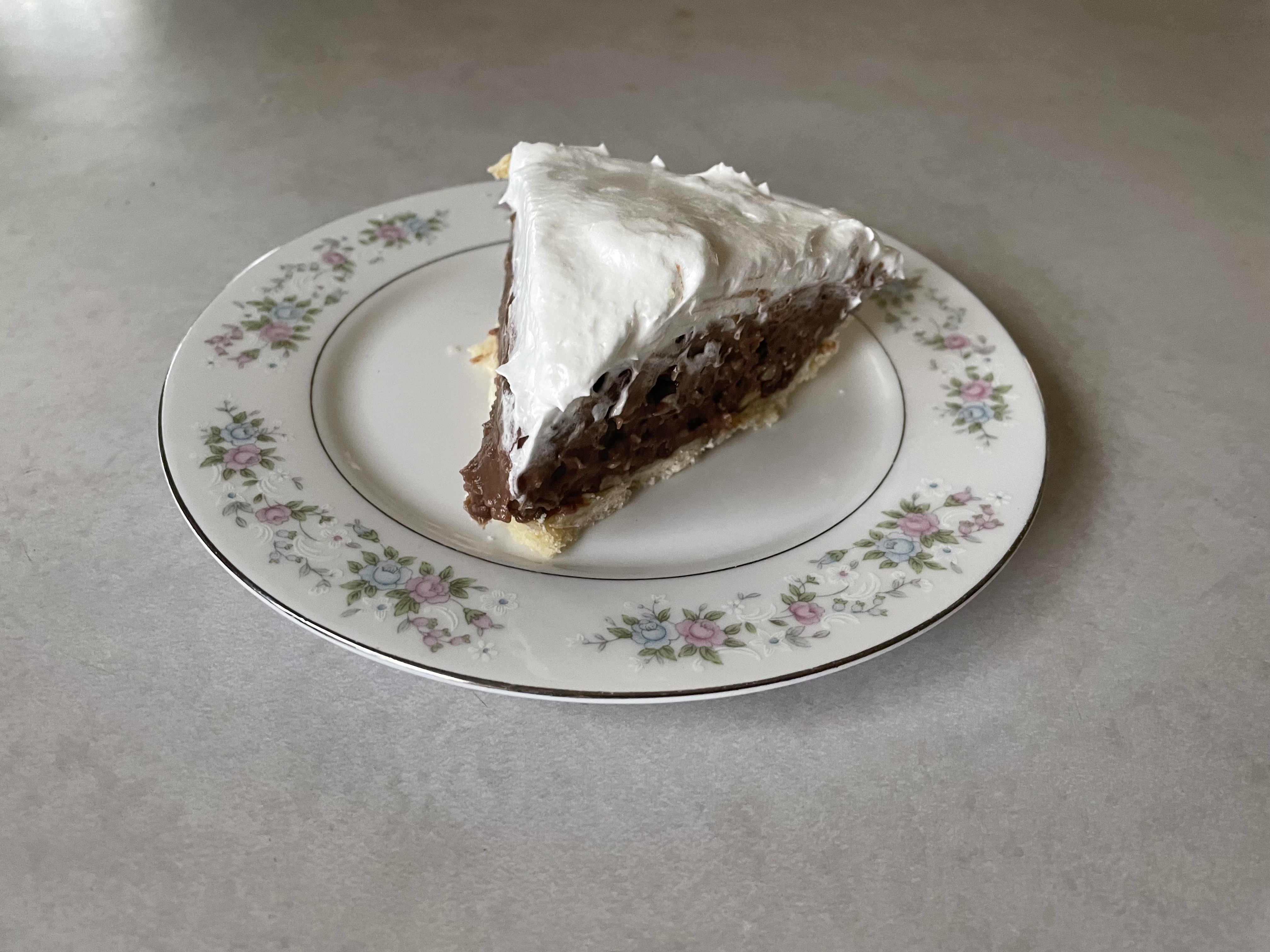
When I was eleven, I decided I wanted to make a homemade chocolate cream pie all by myself. My mom handed me the recipe and said, “I’ll be in my bedroom if you need me.” She later admitted that she would have gone crazy watching me cook since I was just learning. I followed the recipe—or so I thought. It called for three tablespoons of cornstarch, but instead, I added three tablespoons of baking soda. When the instructions said to “bring to a boil,” I couldn’t understand why the pie filling foamed wildly over the top of the pan. Frustrated and confused, I called my mom into the kitchen for help.
The moment she entered the kitchen, she quickly grabbed a second pan and began pouring part of the pie filling into it to manage the overflow. But the filling kept growing. The kitchen was in chaos. That’s when my mom started questioning what ingredients I had added. She carefully went down the list on the recipe card with me. When we reached the cornstarch, I proudly pointed to the baking soda container and said, “I added cornstarch!” My mom gave me a look of disbelief and calmly explained that I had added the wrong ingredient. “This pie filling is no good,” she said. “When you thought you were adding cornstarch, you were adding baking soda.” That was when I learned an important lesson: You can do everything else just right, but one wrong move can still turn everything into a big disaster.
Years later, when I was eighteen, I had the opportunity to work at two different places that made pies. These jobs gave me hands-on experience and introduced me to new techniques. I learned how to perfect pie crusts, balance flavors, and create smooth fillings. One Thanksgiving season, I spent 18 hours in a single Saturday making pies at Marie Callender’s. It was exhausting but rewarding, and I came to truly appreciate the art of pie-making. I am incredibly thankful for the training I received during that time, as it helped shape my confidence and skills in the kitchen.
Over the years, I’ve found myself teaching women’s groups how to create the perfect pie crust and fillings that are both delicious and memorable. What started as a childhood failure became the stepping stone to my current success in baking. My early mistakes in the kitchen were frustrating at the time, but they ultimately paved the way for me to excel. I now find great joy in sharing what I’ve learned with others, proving that even the worst disasters can lead to something worthwhile.
I’ve discovered that asking questions and admitting what you don’t know are key to learning and growth. Acting like you know it all only holds you back. I’m constantly finding new ways to improve, whether it’s perfecting a pie or addressing other challenges in life. Learning what works—and what doesn’t—has become one of my greatest joys.
Interestingly, I’ve found that my experiences with cooking parallel my journey with essential oils. Just as I made countless mistakes when I was learning to cook, I initially struggled to understand how to use essential oils. Now, I rely on my essential oil guidebook to determine which oils are best for various conditions. Like baking, using essential oils involves trial and error. But with every mistake, I gain more knowledge and confidence.
In both cooking and life, every failure teaches an important lesson. Mistakes may seem discouraging in the moment, but they are often stepping stones to greater success. Whether it’s in the kitchen, with essential oils, or any other area, I’ve learned that patience and persistence are the ingredients for growth—and that the best recipes often come from learning what not to do.
Essential oils are absorbed transdermally through the skin’s pores, allowing their beneficial properties to take effect. Some essential oils are gentle and soothing, while others are considered “hot” and can cause irritation. To ensure safe application, it is essential to have fractionated coconut oil available to dilute stronger oils. When applying multiple oils, allow a few minutes between each layer to let the skin absorb the properties of each oil properly.
When using essential oils on the skin, it’s important to consider factors such as skin sensitivity and the purpose of the oil. Always perform a patch test before using a new oil to check for any reactions. Dilution is key for safe application, especially with potent oils like oregano or cinnamon. Additionally, essential oils should be applied to pulse points or problem areas for targeted benefits. For enhanced absorption, gently massaging the oil into the skin can improve circulation and effectiveness.
One particularly beneficial oil for skincare is Roman Chamomile (Anthemis nobilis). This essential oil is known for its calming and soothing properties, making it an excellent choice for irritated or sensitive skin. It can help reduce redness, inflammation, and minor skin discomfort. Roman Chamomile is also popular for promoting relaxation, making it a great addition to nighttime skincare routines.
Revelation 18:13 describes the fall of a wealthy and corrupt society by listing the luxurious goods it once thrived on. Among these goods are spices like cinnamon and frankincense, which were highly valued in the ancient world for their fragrance, religious rituals, and medicinal properties. Along with these spices, the verse mentions other luxury items such as ointments, wine, oil, flour, wheat, livestock, and even human lives, showing how this society was built on trade, wealth, and exploitation. The inclusion of cinnamon and frankincense highlights how people sought after extravagance and comfort while ignoring the moral consequences of their greed.
This verse serves as a warning that material wealth and lavish lifestyles do not last forever. History has shown that empires that prioritize luxury and power over justice and righteousness eventually collapse. The mention of spices, along with other goods, reflects how people often chase after temporary pleasures but fail to see the deeper importance of kindness, integrity, and human dignity. The phrase “souls of men” in the verse is particularly striking, emphasizing that human lives were treated as commodities, further revealing the deep corruption of this society.
For today’s world, this verse is a reminder to reflect on what we value most. Do we focus on material wealth, status, and luxury like cinnamon, frankincense, and fine oils, or do we prioritize compassion, justice, and ethical living? Revelation 18:13 warns that societies built on greed and exploitation will not last, but those who live with fairness and kindness will create something truly meaningful and enduring.
In the small German village of Aalen, nestled near the River Kocher, Johann Becker spent his days crafting rye bread infused with a peculiar spice. Johann wasn’t a famous baker, not yet, but his bread was different—it lingered on the tongue and settled the stomach. This wasn’t just any spice; it had been cherished for generations, from the markets of the Middle Ages to the dining tables of Europe.
Centuries earlier, in the Roman Empire, this seed was already a staple. The Roman naturalist Pliny the Elder wrote about its digestive benefits, describing how it was commonly added to bread and stews. The Romans also believed that this spice had protective qualities—some even carried it as a charm against misfortune. It was a fixture in their cuisine, medicine, and rituals, spreading across the empire as trade routes flourished.
In the 12th century, Hildegard von Bingen, the famed German abbess and healer, praised this tiny seed for its ability to soothe the stomach. She documented its use in treating digestive discomfort and called it a “gift of the earth.” Hildegard’s herbal remedies spread across medieval Europe, and her influence ensured that this seed remained a trusted remedy for centuries to come.
By the Elizabethan era, this spice had firmly established itself in England. Bakers added it to cakes and breads, and it was a common ingredient in festive dishes. A curious superstition arose: it was believed that anything containing this seed could not be stolen. Some even placed it in cabinets or carried it in small pouches as a safeguard. While the origins of this belief remain unclear, it persisted for generations.
In the 19th century, Dr. John Kellogg, a pioneer in health and wellness, experimented with the oil derived from this seed. At his Battle Creek Sanitarium, he advocated for its use in promoting digestion and oral health. Kellogg’s interest in natural remedies helped popularize essential oils in the medical community, reinforcing the long-standing belief that this seed was more than just a spice—it was a healer.
Meanwhile, in kitchens across the world, chefs continued to rely on its warm, peppery flavor. Eastern European and Middle Eastern bakers incorporated it into traditional breads, while French and German cooks used it in sausages and stews. This seed had an unmistakable aroma—one that deepened with heat, adding complexity to any dish it touched.
As the field of aromatherapy developed, scientists discovered that the seed contained carvone, a compound responsible for its distinct scent and therapeutic properties. Studies confirmed what ancient healers had long suspected—it aided digestion, freshened breath, and provided a sense of grounding and warmth. Its oil found its way into massage blends, mouth rinses, and even skincare routines.
Dentists and naturopaths recommended it for oral care, while herbalists blended it with other essential oils for relaxation and focus. It became a key ingredient in herbal teas, digestive aids, and natural remedies. In modern spas, its essential oil was combined with lavender to create soothing soaks, continuing the tradition of using this seed for both wellness and relaxation.
And now, with all the clues before you—the ancient kitchens, the writings of Pliny, the healing wisdom of Hildegard von Bingen, the science of carvone—you might think we’re talking about cumin or fennel. But no, the unsung hero of this story is caraway. With its zesty flavor, digestive benefits, and timeless aroma, it has touched lives for centuries.
Nine years ago, I was introduced to something that has transformed my life: essential oils.
Yes I was a big skeptic about them at first, but I now use essential oils on a daily basis in every area of my home, and they have completely changed my life! My medicine cabinet has been completely transformed, and I am now empowered with the tools and knowledge to care for my family.
When I realized I could get free products AND create residual income? I got really excited!
As a result, of my essential oil journey, and passion helping others, I’m ready to help you get started with your essential oil journey as well.
The best part about essential oils is that there is an option for everyone, whether you want to simply enjoy the products for yourself and transform your family’s health (and get free stuff in the process) OR you’re ready to build a team, create residual income, and get out of debt.
If any of these options sound appealing to you, let’s chat!
I’ll help you figure out which option will be the best fit for you, plus you can qualify for some awesome incentives in the process.
I can’t wait to talk to you!
I love sharing essential oils
Please text Free Sample or call me at 801-661-4786
I will be sure to get back to you as soon as possible.
Or
Send me an email at lfish64@yahoo.com
with the heading Free Sample
It will be an honor to help you in any way that I can.
Or
Write a letter requesting a Free Sample to
Leonard Fish
5075 Rushton Acres Court
West Valley City, Utah 84120
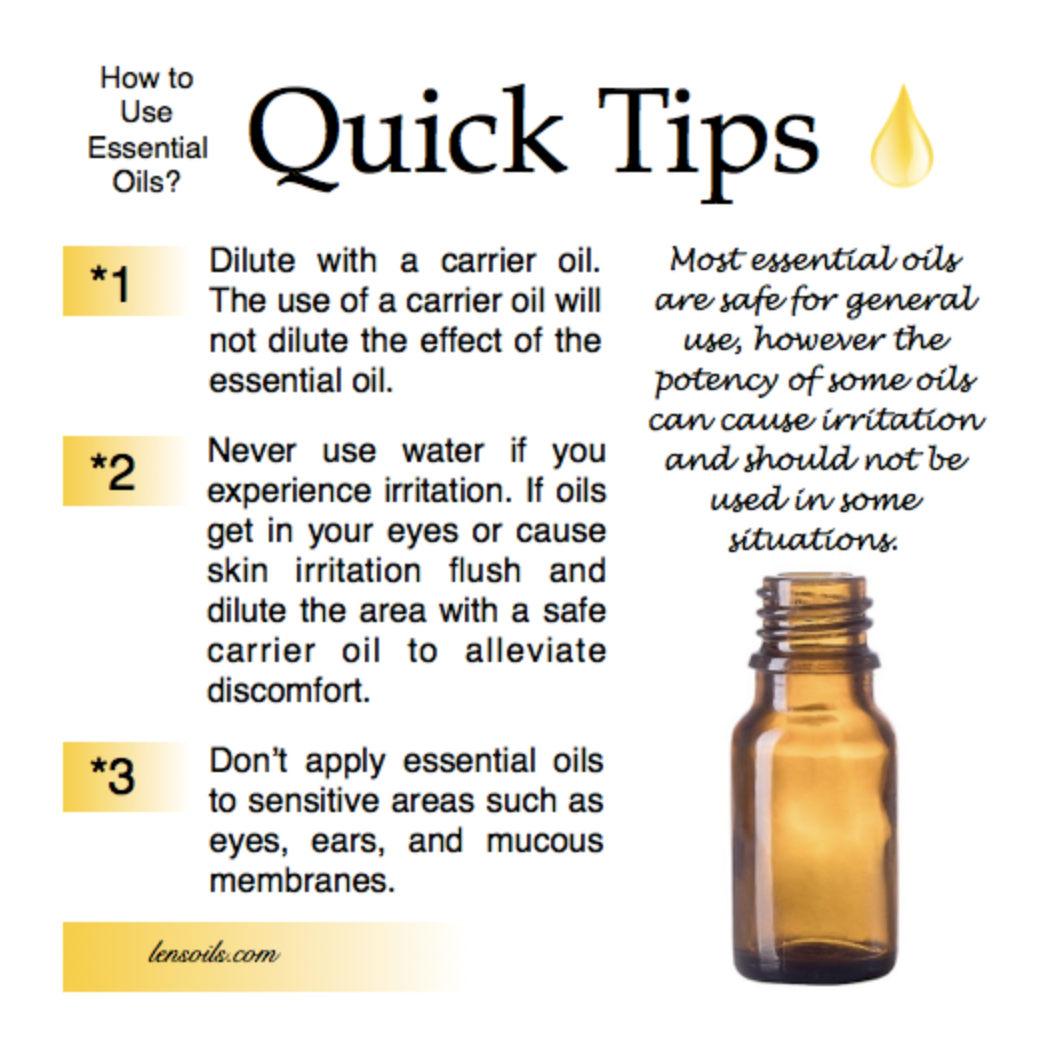
Essential oils are highly concentrated and should be used with care. Always dilute essential oils with a carrier oil, such as coconut, almond, or jojoba oil, before applying them to the skin. This helps prevent irritation without reducing the effectiveness of the oil. While most essential oils are safe for general use, some, like cinnamon or oregano, are particularly potent and may cause skin sensitivity. To test for any adverse reactions, perform a patch test by applying a small amount of diluted oil to a small area of skin and waiting 24 hours.
If essential oils come into contact with your eyes or cause skin irritation, do not rinse with water, as this can spread the oil and worsen irritation. Instead, flush the area with a carrier oil to help dilute and soothe the affected skin. Additionally, avoid applying essential oils directly to sensitive areas such as the eyes, ears, and mucous membranes. When diffusing essential oils, ensure proper ventilation and use recommended amounts to prevent overpowering scents or respiratory discomfort. Always research the safety guidelines for each essential oil, especially if using them around children, pets, or individuals with allergies.




 Len's Oils