The Gift of Generosity

I remember a kind couple, John and Nome Mackaleash, who loved my parents and enjoyed spending time with our family. They had big hearts and a genuine desire to help. They often brought us new clothes from a business they owned, showing their thoughtfulness in ways we deeply appreciated. One visit stands out in my memory: my sister Rachel was participating in a fundraiser, selling boxes of M&M candies for a dollar each—a significant amount of money in the 1980s. Without hesitation, John pulled out twenty dollars and bought the entire case of candy. Then, in an act of pure generosity, he gave each of us our own box.

Fast forward 20 years, and now it was my turn as a parent. My children were doing school fundraisers, but my reaction was the opposite of John’s. I completely discouraged them from participating. I’d say, “I’ll give you a dollar if you don’t do that fundraiser.” I was downright unpleasant to anyone who came to my door selling something.

One day, while listening to an audiobook, I heard the speaker say, “Be generous with your money, and it will come back to you tenfold.” Something about that message resonated with me. I decided to change my ways. I started being more open and generous, buying from every child who came to my door. It reminded me of John’s incredible generosity and the example he set for me all those years ago.

This shift in mindset also made me realize how giving can create a ripple effect. I even hired neighborhood kids to clean up rotten apples in my front yard and rewarded each of them with a crisp two-dollar bill. Seeing their smiles made me realize that generosity isn’t just about money—it’s about creating moments of joy and encouragement for others.

This perspective ties perfectly into my love for essential oils. Generosity isn’t just about giving money or gifts; it’s about sharing things that have positively impacted your life. For me, essential oils have been life-changing. I use them daily, appreciating their ability to promote better health without harmful side effects. When I experience the benefits of an oil—whether it’s improved focus, better sleep, or relief from discomfort—I feel compelled to share it with others.

I believe essential oils represent the same spirit of generosity that John and Nome demonstrated. They offer people hope and an alternative path to better health. Generosity, whether it’s giving time, money, or a small bottle of essential oil, creates a harvest far greater than we can imagine. Every time I share an oil, I’m reminded of the beauty in giving: it transforms lives—mine and others’—and fosters a deeper connection to those around me.

The lesson is clear: generous giving of ourselves, whether through kindness, encouragement, or something as simple as sharing essential oils, leads to a generous harvest of joy, hope, and connection. And just like John’s act of kindness with those boxes of candy, it’s the small, thoughtful gestures that often make the biggest difference.

How to Use Essential Oils: Pets

Essential oils can be a natural and effective way to support your pet’s well-being when used safely and correctly. A calming spray made with diluted lavender or chamomile oil can help ease anxiety in pets, especially during stressful situations like thunderstorms or travel. Lightly misting your pet’s bedding or crate can create a soothing environment that promotes relaxation. These gentle essential oils are known for their calming properties and can help pets feel more at ease in unfamiliar or high-stress situations.

For pet owners looking to protect their furry friends from pests, a natural flea and tick repellent can be made by blending cedarwood and lemongrass essential oils with a carrier oil. Applying a small amount of this mixture to a pet’s collar or bandana can help keep insects away without the use of harsh chemicals. Additionally, dry and cracked paw pads can be soothed with a homemade paw balm made from frankincense or myrrh essential oils combined with coconut oil and shea butter. This nourishing balm helps restore moisture and protect a pet’s paws from rough surfaces and extreme weather conditions.

Beyond these specific uses, pet owners should always be cautious when introducing essential oils to their animals. Some oils, such as tea tree oil for dogs and citrus oils for cats, can be toxic and should be avoided. Essential oils should always be properly diluted, and it’s best to consult a veterinarian before using them on or around pets, especially if the pet has pre-existing health conditions. Observing how a pet reacts to an essential oil and adjusting usage accordingly ensures their safety and comfort while benefiting from natural remedies.

Essential Oils in the Bible: John 19:39

John 19:39 describes Nicodemus, a Pharisee who had once visited Jesus secretly at night (John 3:1-2), now openly honoring Him after His crucifixion. In this moment, Nicodemus, along with Joseph of Arimathea, brought a mixture of myrrh and aloes, about a hundred pounds in weight, to prepare Jesus’ body for burial. This act of devotion was significant because these fragrant resins and oils were costly and used in ancient Jewish burial practices to anoint and preserve the body. Nicodemus, who had once been hesitant in his faith, now publicly expressed his love and respect for Jesus, showing his transformation from a secret follower to a bold disciple.

This verse highlights the importance of essential oils and natural resins in biblical times. Myrrh, a resin extracted from trees, was commonly used in perfumes, anointing oils, and embalming. It was one of the gifts brought to Jesus at His birth (Matthew 2:11), symbolizing both His kingship and suffering. Aloes, often associated with sandalwood oil, were used for their preserving and healing properties. The mixture of myrrh and aloes that Nicodemus brought was an extravagant gift, emphasizing the reverence and care shown to Jesus even after His death. These essential oils not only had practical purposes but also carried deep spiritual significance, symbolizing purification, honor, and preparation for eternity.

For us today, John 19:39 reminds us of the depth of love and devotion we should have for Jesus. Just as Nicodemus used myrrh and aloes to care for Jesus’ body, we can see these biblical essential oils as symbols of sacrifice, healing, and reverence in our own faith journey. This passage also challenges us to consider our relationship with Jesus—do we follow Him in secret, or are we willing to openly show our love and commitment, just as Nicodemus did in the end? Through this verse, we are reminded that Jesus’ sacrifice was the ultimate act of love, and He deserves our deepest devotion.

The Power of Black Pepper

From ancient lands where spices bloom,
A tiny seed, a bold perfume.
With warmth and fire, rich and deep,
A healer’s touch, a strength to keep.

A warrior spice through time it stands,
Once traded gold in distant lands.
It graced the tables of the old,
A treasure worth its weight in gold.

A drop to calm, to ease the mind,
A scent so strong, yet warm and kind.
To muscles sore, it brings relief,
A touch of heat, a sigh of peace.

It stirs the pot, enhances taste,
No meal too simple, none to waste.
A spark in soups, on meats it sings,
A depth of flavor, bold it brings.

Within its oil, a shield is found,
To fight the threats that move around.
A daily drop, a steady guide,
To guard the body from inside.

For troubled thoughts, for restless nights,
It soothes the heart, restores the light.
A breath of spice, a touch so pure,
A timeless gift, a power sure.

A humble seed, yet bold and grand,
A fiery warmth in every land.
From dish to remedy, near and far,
Black pepper shines—a healing star.

The Real Pyramid Scheme

The Real Pyramid Scheme Do you want to expand your health options? Try using natural essential oils. Request a a Free Sample. Please text Free Sample or call me at 801-661-4786 I will be sure to get back to you as soon as possible. Or Send me an email at lfish64@yahoo.com with the heading Free Sample It will be an honor to help you in any way that I can. Or Write me a letter, request a Free Sample
Leonard Fish 5075 Rushton Acres Court West Valley City, Utah 84120  USA

How to Use Essential Oils: Energy Boost

Essential oils can be a natural way to boost energy and increase alertness throughout the day. One of the best ways to start your morning is by adding a few drops of peppermint or eucalyptus oil to the shower floor. As the steam rises, it carries the invigorating aroma of the oils, helping to wake up the senses and provide a refreshing start to the day. This method is especially useful for those who struggle with grogginess in the morning or need an extra push to feel energized.

For a portable energy boost, creating a DIY roll-on blend can be an effective solution. Mixing wild orange, peppermint, and lemon essential oils with a carrier oil in a roller bottle makes it easy to apply to pulse points such as the wrists, neck, or temples. This blend provides an uplifting and revitalizing scent that can be used throughout the day. Another quick method to regain energy is inhalation—simply rub peppermint oil in the palms, cup hands over the nose, and take deep breaths. This technique is particularly useful for afternoon slumps, helping to increase focus and refresh the mind.

Another lesser-known but effective method for boosting energy is using essential oils with a cold compress. Soaking a washcloth in cold water infused with peppermint or rosemary oil, then wringing it out and applying it to the back of the neck, provides a refreshing and cooling effect. This technique can help reduce fatigue, regulate body temperature on hot days, and provide instant invigoration. Incorporating these methods into a daily routine can naturally enhance energy levels and improve overall well-being.

Essential Oil Diffuser Blends: Douglas Fir

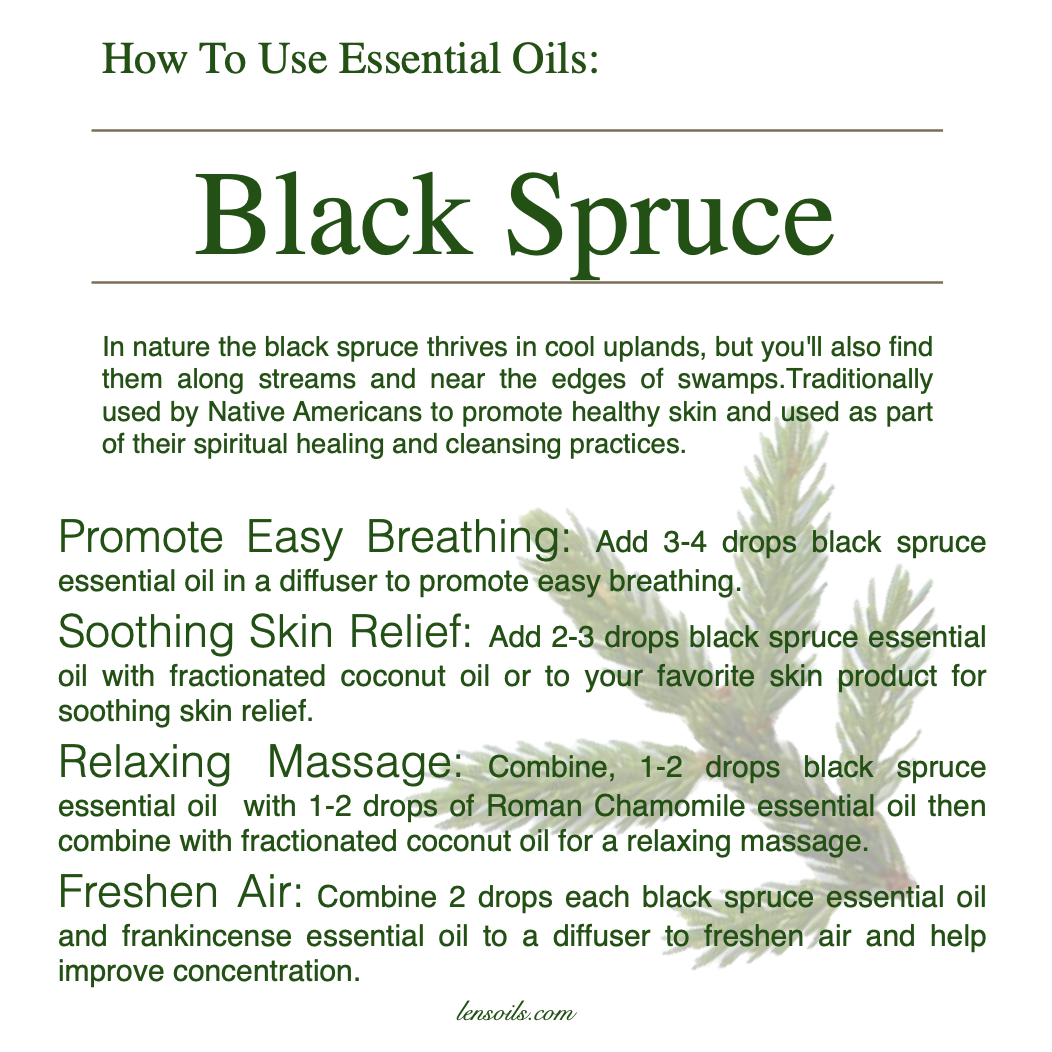
Douglas Fir essential oil, with its fresh, clean, and slightly sweet evergreen scent, is a fantastic choice for creating diffuser blends that evoke the outdoors and bring a sense of calm and clarity. This versatile oil pairs beautifully with citrus oils like Lemon, Grapefruit, and Bergamot, adding a bright and uplifting note to its woodsy aroma. For a grounding and earthy vibe, blend Douglas Fir with Cedarwood, Sandalwood, or Vetiver. It also complements other tree oils like Siberian Fir, Black Spruce, and Cypress for a rich, forest-inspired aroma. To create a refreshing and invigorating blend, try pairing it with Peppermint or Eucalyptus. Douglas Fir’s versatility also extends to blending with warm spices like Clove or Cinnamon for a cozy, wintery feel. Whether you’re seeking a grounding, energizing, or soothing experience, Douglas Fir brings a crisp and natural element to any diffuser recipe.

Top Essential Oil Leader: Dr. Daniel Pénoël

Dr. Daniel Pénoël: A Visionary in Essential Oils

Dr. Daniel Pénoël’s journey into the world of essential oils began long before his professional career, rooted in a childhood filled with curiosity about nature and science. Growing up in the picturesque countryside of France, he was surrounded by fragrant lavender fields and the gentle hum of bees. His early years were spent exploring the natural world, collecting wildflowers, and observing the rhythms of the environment. Encouraged by his parents, who valued both education and the beauty of nature, young Daniel developed a fascination with the healing properties of plants. This passion for understanding the natural world laid the foundation for his future as a pioneer in the study and application of essential oils.

As Dr. Pénoël pursued higher education, his academic path led him to medicine, where he excelled in both traditional and holistic approaches to health. He graduated with a medical degree from France’s esteemed Faculty of Medicine in Montpellier, one of the oldest medical schools in the world. His training in conventional medicine gave him a firm understanding of the human body, but he quickly realized there was more to healing than pharmaceuticals. His passion for natural therapies, particularly the use of plant-based remedies, steered him toward aromatherapy and essential oils—a field he would come to revolutionize.

Dr. Pénoël’s research into essential oils began with a desire to bridge the gap between science and nature. He was fascinated by the idea that essential oils, with their complex chemical compositions, could offer profound therapeutic benefits. He devoted years to studying the biochemistry of essential oils, analyzing their components and how they interact with the human body. This scientific rigor set him apart, as he sought to bring evidence-based practices to a field that was often dismissed by the medical establishment.

Through his studies, Dr. Pénoël discovered the wide-ranging applications of essential oils, from supporting emotional well-being to addressing chronic physical conditions. He became particularly interested in the antimicrobial properties of oils like oregano and thyme, as well as the calming effects of lavender. His research demonstrated how essential oils could be used not only to alleviate symptoms but also to address underlying imbalances in the body, offering a truly holistic approach to health.

In addition to his groundbreaking research, Dr. Pénoël was a gifted educator. He traveled the world, sharing his knowledge with healthcare professionals and aromatherapy enthusiasts alike. His lectures combined scientific depth with practical application, making complex topics accessible to diverse audiences. He believed in empowering others with the knowledge to use essential oils safely and effectively, fostering a global community of informed practitioners.

Dr. Pénoël’s work extended beyond academia and lectures; he was also a prolific author. His books, including L’Aromathérapie Exactement (Aromatherapy Exactly), became essential resources for anyone serious about essential oils. These works provided a detailed exploration of the therapeutic potential of essential oils, supported by scientific evidence and real-world case studies. His writing not only educated but also inspired, sparking a deeper appreciation for the synergy between science and nature.

As a clinician, Dr. Pénoël integrated essential oils into his medical practice, using them alongside conventional treatments to address a wide range of health issues. He demonstrated how essential oils could complement traditional medicine, whether in managing infections, reducing inflammation, or promoting emotional resilience. His success in combining these approaches earned him the respect of both his patients and his peers, further cementing his reputation as a pioneer in the field.

One of Dr. Pénoël’s most significant contributions was his role in developing quality standards for essential oils. He worked tirelessly to ensure that the oils used in therapy were pure, unadulterated, and sourced ethically. His advocacy for transparency and accountability in the industry helped raise the bar for essential oil production and usage, ensuring better outcomes for consumers and practitioners alike.

Dr. Pénoël’s holistic philosophy extended beyond essential oils to embrace the interconnectedness of health and the environment. He emphasized the importance of sustainability and ethical sourcing, advocating for practices that respected both the planet and the people involved in producing essential oils. This vision of harmony between human health and environmental stewardship became a cornerstone of his work.

Today, Dr. Daniel Pénoël’s influence can be felt across the world of aromatherapy and natural medicine. His research, education, and advocacy have transformed essential oils from a niche interest into a respected tool for holistic health. Through his dedication and vision, he has inspired countless individuals to explore the power of nature in healing, leaving a legacy that continues to shape the field of aromatherapy.

Bulgarian Folk Tale

A Bulgarian Folk Tale: The Wise Old Man and the Closed Heart

Once upon a time, in a small village nestled in the Bulgarian mountains, there lived a wealthy but bitter man named Petar. He had everything—land, livestock, and a grand house—but he kept to himself, trusting no one and helping no one. His heart was closed to friendship, love, and kindness.

One winter, a wandering old wise man arrived in the village, seeking shelter. The villagers, knowing Petar had the most space, asked him to let the old man stay for the night. Petar scoffed, “Why should I? What do I owe him?” and shut his doors.

A kind young woman named Maria, who had little, offered the old man a small corner of her humble home, sharing her simple meal. Grateful, the wise man thanked her, saying, “Kindness keeps the heart warm, and a warm heart keeps the body strong.”

As the years passed, Maria thrived—her family grew, her home became filled with love, and she lived a long, happy life. Meanwhile, Petar, though still wealthy, grew lonelier and sicker. No one visited him, and his once-strong body became frail.

One day, near the end of his life, Petar recalled the wise man’s words and realized he had shut out not just people but also joy and health. He tried to change, but time had already taken its toll.

When Maria, now an old woman, passed away peacefully, the villagers remembered her warmth and generosity. But when Petar passed, few mourned him, for he had lived with a closed heart.

Moral of the Story:

💛 A heart that is open to love and kindness leads to a life full of warmth and longevity. A closed heart, no matter how rich, leads to loneliness and suffering.

This tale beautifully reflects the meaning of the Bulgarian proverb: “If you would live long, open your heart.”