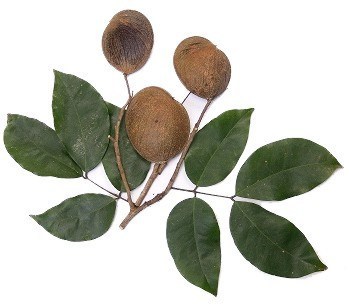
Blue tansy, also known as Moroccan tansy (Tanacetum annuum), is a Mediterranean plant native to northern Morocco. It produces small yellow flowers, but when distilled into an essential oil, it takes on a deep blue color due to the presence of chamazulene. This compound is responsible for blue tansy’s well-known anti-inflammatory and skin-soothing properties. Traditionally, it has been used in aromatherapy and skincare to promote calmness and relief from irritation. The oil is often diffused to uplift mood and create a relaxing atmosphere, while topical application—diluted in a moisturizer or cleanser—may help reduce the appearance of blemishes and soothe skin irritation.
In modern wellness practices, blue tansy is widely used for relaxation and muscle recovery. Adding 1-2 drops to lotion can create a restoring massage blend, useful for relaxing muscles after a stressful day or intense workout. Due to its natural antioxidant properties, some people also use blue tansy to help protect skin from environmental stressors. However, its role in broader healing processes remains an area requiring more research. While its anti-inflammatory and antioxidant effects may contribute to skin repair, there are limited scientific studies specifically evaluating blue tansy’s ability to aid in wound healing or other physical recovery processes.
Beyond skincare and relaxation, blue tansy is sometimes used for reducing minor discomfort, particularly in muscle and joint care. Its chamazulene content gives it a mild cooling effect, making it a popular choice for soothing soreness. However, while many users report relief from aches and tension, its effectiveness in pain relief beyond topical inflammation has not been extensively studied. As research continues, blue tansy remains a well-regarded essential oil for emotional balance, skincare, and muscle relaxation, though its broader healing properties and pain-relief potential require further scientific exploration.
The Blue Lotus Flower (Nymphaea caerulea) has held deep symbolic and spiritual significance since ancient Egyptian times. Often associated with rebirth and the sun, the flower was depicted in art and religious texts, representing renewal and enlightenment. In Buddhism, the blue lotus symbolizes victory of the spirit over material desires, signifying wisdom and knowledge. Beyond its symbolic meaning, the flower has been valued for its aromatic and therapeutic properties. Today, blue lotus flower essential oil is used in personal care and wellness routines, offering both emotional and physical benefits. The flower contains apomorphine, a natural compound that can act on dopamine receptors, potentially promoting relaxation and mood enhancement. While historical and anecdotal evidence suggests that Blue Lotus has been used to enhance sensuality and intimacy, there is limited modern scientific research confirming its direct aphrodisiac effects.
As an essential oil, blue lotus flower is often diffused for its delicate, floral fragrance, creating a calming and personal aromatic experience. It has also been traditionally used to promote relaxation, with many incorporating it into warm baths before bedtime. Additionally, blue lotus is highly regarded in skincare, as its oil can be blended with fractionated coconut oil or other skin products to help reduce the appearance of imperfections and promote a radiant complexion. The oil’s historical connection to beauty and spirituality makes it a sought-after ingredient in personal wellness rituals, whether for aromatherapy, relaxation, or skin enhancement. While scientific validation for some claims is ongoing, its long-standing use in ancient and modern holistic practices continues to make it a popular choice in essential oil applications.
Among those influencing the modern accessibility of blue lotus flower essential oil, Emily Wright has played a significant role through her work in the essential oil industry. As a co-founder of dōTERRA, Wright has been instrumental in promoting the sourcing and production of high-quality essential oils, ensuring sustainable and ethical practices in the industry. While her direct role in the widespread distribution of Blue Lotus essential oil is not extensively documented, her influence in dōTERRA’s leadership and product development has contributed to making rare, high-quality essential oils more widely available. With its historical roots in ancient healing traditions and its continued relevance in aromatherapy and skincare, blue lotus flower essential oil remains a luxurious and valued addition to modern wellness practices.
In a quiet garden, nestled within the walls of an orphanage in North Africa, something unexpected happened. The soil was no different than it had been for years, the air no sweeter, and yet, on one particular tree, something unusual appeared. A fruit, smaller than most, with a deep orange glow and a skin so thin it peeled with barely a touch. It was a citrus unlike any other—mild yet fragrant, sweet but not overly so. And it had arrived, it seemed, by accident.
The children at the orphanage were among the first to notice it. They delighted in its easy-to-peel skin, its burst of sweetness, and its refreshing juice. Unlike other citrus fruits, this one had fewer seeds—sometimes none at all. It was as if nature had crafted something perfectly suited for small hands and eager appetites. But no one knew, just yet, what it was or where it had come from.
Word spread beyond the orphanage walls. Farmers and botanists took notice, intrigued by this unusual citrus. Some suspected it was a hybrid of two familiar trees—one with thin, willow-like leaves and another that bore sweet, round oranges. Others believed it had been growing unnoticed for years, only now recognized for its remarkable qualities. Whatever the case, it soon found its way into markets and homes, where it quickly became a favorite.
The fruit’s appeal was undeniable. It was easy to peel, effortlessly segmented, and refreshingly sweet. Its delicate balance of tartness and flavor made it ideal for eating fresh, adding to desserts, or even blending into drinks. It was also useful in unexpected ways—a few drops of its oil in tea or water helped ease occasional heartburn, while adding it to facial cleansers provided a natural boost to the skin. Its bright, zesty essence found its way into household cleaners, its scent filling homes with freshness.
It gained popularity quickly, reaching far beyond its place of origin. Farmers established entire orchards devoted to its cultivation, drawn to its abundant harvests, lack of seeds, and delightful flavor. Over time, it became a staple of the winter season, adding bursts of color to fruit bowls and making its way into school lunches. By the mid-20th century, countries such as Spain, Morocco, and the United States embraced its commercial production, ensuring it would be enjoyed worldwide.
For years, many enjoyed the fruit without ever questioning where it had come from. It seemed as though it had always existed, as natural and familiar as any other citrus. Yet few knew its true origins or how it had been brought to the world’s attention. It had transformed from an orphanage’s garden surprise to one of the most beloved citrus varieties in the world, but the story of the person behind it remained in the background.
The fruit that almost wasn’t? Clementine was named after the man who first cultivated and classified it—Brother Clément Rodier. This small, sweet citrus became a symbol of nature’s surprises, bringing joy, health, and nourishment to countless people. Its vibrant hue, effortless peeling, and refreshing taste secured its place among the most beloved citrus varieties. Whether tucked into a child’s lunchbox, nestled in a holiday fruit basket, or blended into skincare products, its presence is unmistakable. And now, you know the rest of the story.
Do you want to expand your health options? Try using natural essential oils.
Request a a Free Sample.
Please text Free Sample or call me at 801-661-4786 I will be sure to get back to you as soon as possible. Or Send me an email at lfish64@yahoo.com with the heading Free Sample It will be an honor to help you in any way that I can. Or Write me a letter, request a Free Sample
Leonard Fish 5075 Rushton Acres Court West Valley City, Utah 84120 USA
Black spruce is a hardy evergreen that thrives in cool uplands, along streams, and at the edges of swamps. Traditionally, Native Americans used black spruce for its skin-nourishing properties and incorporated it into spiritual healing and cleansing rituals. Its wood and needles were often boiled to create tonics or steam baths, believed to promote overall well-being. The fresh, grounding scent of black spruce essential oil has made it a valuable tool for both physical and emotional healing, with its use continuing in modern herbal and aromatherapy practices.
In modern use, black spruce essential oil is widely recognized for its ability to support respiratory health. Diffusing 3-4 drops can help promote easy breathing, making it useful for seasonal changes or congestion. It is also beneficial for skincare—when blended with fractionated coconut oil or added to a favorite skin product, it provides soothing relief for dryness and irritation. Black spruce is also an excellent oil for relaxation; combining 1-2 drops with Roman Chamomile essential oil and a carrier oil makes for a calming massage blend that can ease tension and promote rest. Additionally, when paired with frankincense in a diffuser, black spruce helps freshen the air and improve concentration, making it a popular choice for both home and workplace environments.
Among these uses, black spruce essential oil is gaining attention for its potential role in supporting adrenal health and reducing stress-related fatigue. The oil contains bornyl acetate, a compound known for its calming effects, which mayhelp reduce feelings of burnout and support the body’s natural stress response. While many aromatherapy practitioners advocate for its benefits in stress relief, scientific studies on black spruce specifically for adrenal support remain limited. However, its grounding properties make it a widely used oil for promoting emotional balance. Whether for skincare, respiratory support, or relaxation, black spruce essential oil remains a versatile and grounding choice in natural wellness, though further research may provide deeper insights into its full range of benefits.
Dr. Jean Valnet was born on July 26, 1920, in the French commune of Châlons-sur-Marne (now Châlons-en-Champagne). Growing up in a small, rural town, Valnet was exposed to the natural world from an early age. His childhood was marked by a keen curiosity about plants and their uses, which was nurtured by the lush countryside surrounding his home. While his family had modest means, they valued education and encouraged Jean to pursue his academic interests. This support laid the foundation for his future as a medical doctor and pioneer in essential oils.
Valnet’s connection to essential oils began during his medical training, but it was his experiences as a military surgeon during World War II that cemented his belief in their therapeutic potential. Faced with limited medical supplies on the battlefield, Valnet turned to natural remedies, including essential oils, to treat wounded soldiers. He found that certain oils were effective in preventing infections, alleviating pain, and promoting healing. These experiences ignited his passion for studying and documenting the medicinal properties of plants.
After the war, Valnet deepened his study of essential oils, drawing on both traditional herbal knowledge and emerging scientific research. He was particularly inspired by the work of René-Maurice Gattefossé, the father of modern aromatherapy, whose discoveries on the healing properties of lavender influenced Valnet’s own investigations. Building on Gattefossé’s legacy, Valnet sought to integrate essential oils into mainstream medicine, advocating for their use in hospitals and clinical settings.
In 1964, Valnet published his groundbreaking book, The Practice of Aromatherapy. This work introduced a broader audience to the benefits of essential oils, combining historical insights with scientific evidence. The book detailed practical applications of oils for various conditions, from respiratory issues to skin infections, and provided guidance on blending oils for maximum efficacy. Valnet’s emphasis on scientific rigor helped establish aromatherapy as a credible and respected discipline.
Valnet was also a strong advocate for blending tradition with modernity. He respected the centuries-old knowledge of herbalists while recognizing the need for scientific validation of their practices. This dual approach earned him the respect of both traditional healers and contemporary medical professionals. Valnet’s work highlighted the importance of using high-quality, pure essential oils, setting standards that continue to influence the industry today.
One of Valnet’s most notable contributions was his development of therapeutic protocols using essential oils. He outlined specific methods for applying oils, such as inhalation, topical use, and dilution, to ensure safety and effectiveness. His guidelines became a cornerstone of aromatherapy education and are still referenced by practitioners worldwide.
In addition to his medical contributions, Valnet was a passionate educator. He lectured extensively, sharing his findings with doctors, pharmacists, and students. His ability to convey complex scientific concepts in an accessible manner made him a popular and effective advocate for aromatherapy. Through his teaching, Valnet inspired a new generation of professionals to explore the potential of essential oils.
Valnet’s influence extended beyond France, as his work gained recognition in Europe and eventually around the world. His advocacy for the medical use of essential oils helped pave the way for their integration into wellness practices globally. Today, many of the techniques and principles he pioneered are considered foundational in the field of aromatherapy.
Jean Valnet’s legacy endures through his writings, teachings, and the countless individuals who have benefited from his work. By bridging the gap between traditional herbal medicine and modern science, he helped elevate aromatherapy from a niche practice to a respected field of study. His emphasis on evidence-based applications continues to inspire researchers, practitioners, and enthusiasts.
Valnet passed away in 1995, but his contributions to the world of essential oils remain timeless. His vision of a harmonious blend of nature and science lives on, ensuring that his work will continue to guide and inspire future generations in the field of aromatherapy.
In the book of Leviticus, God gave instructions to Moses about how the Israelites should offer sacrifices and gifts as acts of worship. One of these offerings was the grain offering, which included fine flour, oil, and frankincense. A priest would take a handful of this mixture and burn it on the altar as a sweet-smelling offering to God. The oil represented God’s provision and blessing, while the frankincense, a valuable spice, was used for prayer and worship. Together, they symbolized the people’s gratitude and devotion.
The use of oil and frankincense had a deeper meaning in biblical times. Olive oil was used not just for cooking but also for anointing people as a sign of God’s presence. Frankincense, a fragrant resin, was burned as incense to represent prayers rising to heaven. These natural elements were considered sacred, often used in healing, prayer, and worship. In Leviticus 6:15, God asked for these items in the offering to show that true worship comes from a pure and grateful heart.
Even today, essential oils like frankincense are valued for their soothing and healing properties. While we may not offer grain sacrifices, we can still learn from this passage. It teaches us that worship is about giving our best to God, whether through prayer, gratitude, or acts of kindness. Just as the oil and frankincense created a pleasing aroma in the temple, our lives should be a pleasing offering to God, full of faith and thanksgiving.
Black pepper essential oil is rich in monoterpenes and sesquiterpenes, powerful compounds known for their antioxidant properties. These compounds help the body combat environmental and seasonal challenges by supporting overall immune function. Beyond its internal benefits, black pepper essential oil is commonly used to promote circulation and soothe sore muscles. Its warming properties make it a popular choice for massage therapy when combined with a carrier oil, helping to relax tense muscles and joints. Historically, black pepper has been valued not only as a prized spice but also for its medicinal benefits in traditional healing practices.
Incorporating black pepper essential oil into a daily routine can offer multiple benefits. Taking 1-2 drops in a veggie cap can provide support during times of seasonal threats, while adding a drop to meals enhances the flavor of meats, soups, and entrées. It is also known for its ability to soothe anxious feelings, as inhaling its warm, spicy aroma can help promote emotional balance. Additionally, black pepper oil can aid digestion when taken internally, helping to stimulate digestive enzymes and improve nutrient absorption. Its ability to support gut health makes it a useful tool for those looking to improve overall digestive function naturally.
Among these uses, black pepper essential oil is also recognized for its potential role in supporting nicotine withdrawal. Research suggests that inhaling black pepper essential oil may help reduce cravings and withdrawal symptoms for those trying to quit smoking. The oil’s stimulating properties can mimic the sensation of inhaling tobacco, which may help curb the urge to smoke. This makes black pepper essential oil a valuable tool not only in cooking and wellness but also in lifestyle changes aimed at promoting better health.
Birch essential oil has a strong, minty aroma that is often mistaken for wintergreen. Though the two are not botanically related, they share nearly identical chemical constituents, particularly methyl salicylate, which gives them their signature scent and pain-relieving properties. Birch has a long history of use, dating back to American Indian tribes and early American settlers who brewed tea from its bark. This tea was valued for its ability to ease discomfort and support overall wellness, making birch a staple in traditional herbal practices.
Today, birch essential oil is commonly used for its respiratory and skincare benefits. Diffusing 3-4 drops can help promote clear breathing, making it useful during seasonal changes or when dealing with congestion. Its astringent properties also make it beneficial for oily skin—mixing a few drops into a favorite lotion may help balance excess oil and improve skin texture. Additionally, birch oil is well known for its ability to soothe sore muscles. When blended with fractionated coconut oil or a sports cream, it provides relief after intense activity, making it a favorite among athletes and those with active lifestyles.
Among these uses, birch essential oil is also valued for its ability to enhance focus and mental clarity. Adding 3-4 drops to a diffuser can help sharpen concentration, making it an excellent oil to use during study sessions or work. Additionally, some research suggests that birch may have antimicrobial properties, which could make it a useful natural addition to home cleaning solutions. With its fresh, crisp aroma and diverse applications, birch essential oil remains a powerful and versatile tool in natural wellness.
It was a time when medicine was crude and knowledge of plants held the key to survival. For centuries, a certain herb grew wild across the Mediterranean, its soft, green leaves soaking in the sun, its pale purple blossoms opening to the morning light. The people who harvested it found something remarkable—when crushed and steeped in water, its leaves released a fragrance unlike any other.
But its true power wasn’t in its scent. Healers of old discovered that this plant had a peculiar effect on the mind—it soothed frayed nerves, lifted the weight of sorrow, and even seemed to sharpen vision. The ancient Greeks and Romans recorded its medicinal properties, and during the Middle Ages, it was cultivated in monastery gardens for use in herbal remedies. Physicians of the time prescribed it for ailments ranging from digestive issues to eye conditions, leading to its reputation as a powerful healing herb.
By the 16th century, this humble plant had made its way into the apothecaries of Europe. A renowned German physician and botanist, Leonhart Fuchs, documented its uses in one of the first comprehensive herbal medicine books of the Renaissance. Fuchs noted that the plant’s oil could calm the body and mind, ease muscle tension, and was beneficial for women’s health. Herbalists across Europe took note, and it became a staple in medicinal gardens.
Then, during the 18th century, a shift occurred. This plant’s oil became more than a remedy—it became an inspiration. A French perfumer named Jean-Louis Fargeon, best known for crafting fragrances for Queen Marie Antoinette, experimented with plant extracts to create complex and elegant scents. While historical records do not confirm that he specifically used this plant, perfumers of his era prized its ability to enhance floral notes and provide a soft, musky warmth. Over time, it became a valuable ingredient in perfumes and cosmetics, bridging the worlds of medicine and luxury.
In more recent times, scientists began to study what herbalists had long known. Research confirmed that this plant contained compounds capable of easing tension, promoting relaxation, and supporting skin health. It wasn’t just an old wives’ tale—this plant was, in fact, a treasure trove of natural benefits. Aromatherapists found that diffusing its oil before bed encouraged restful sleep, and mixing it with carrier oils created a soothing massage experience.
One person in particular helped bring this herb back into modern healing practices. A woman named Margaret Maury, a French biochemist and aromatherapist in the 20th century, studied the effects of plant oils on the body and mind. She played a key role in integrating essential oils into therapeutic massage and holistic medicine, emphasizing their ability to support emotional well-being. Her work helped revive interest in this remarkable plant, making it widely available to those seeking natural wellness solutions.
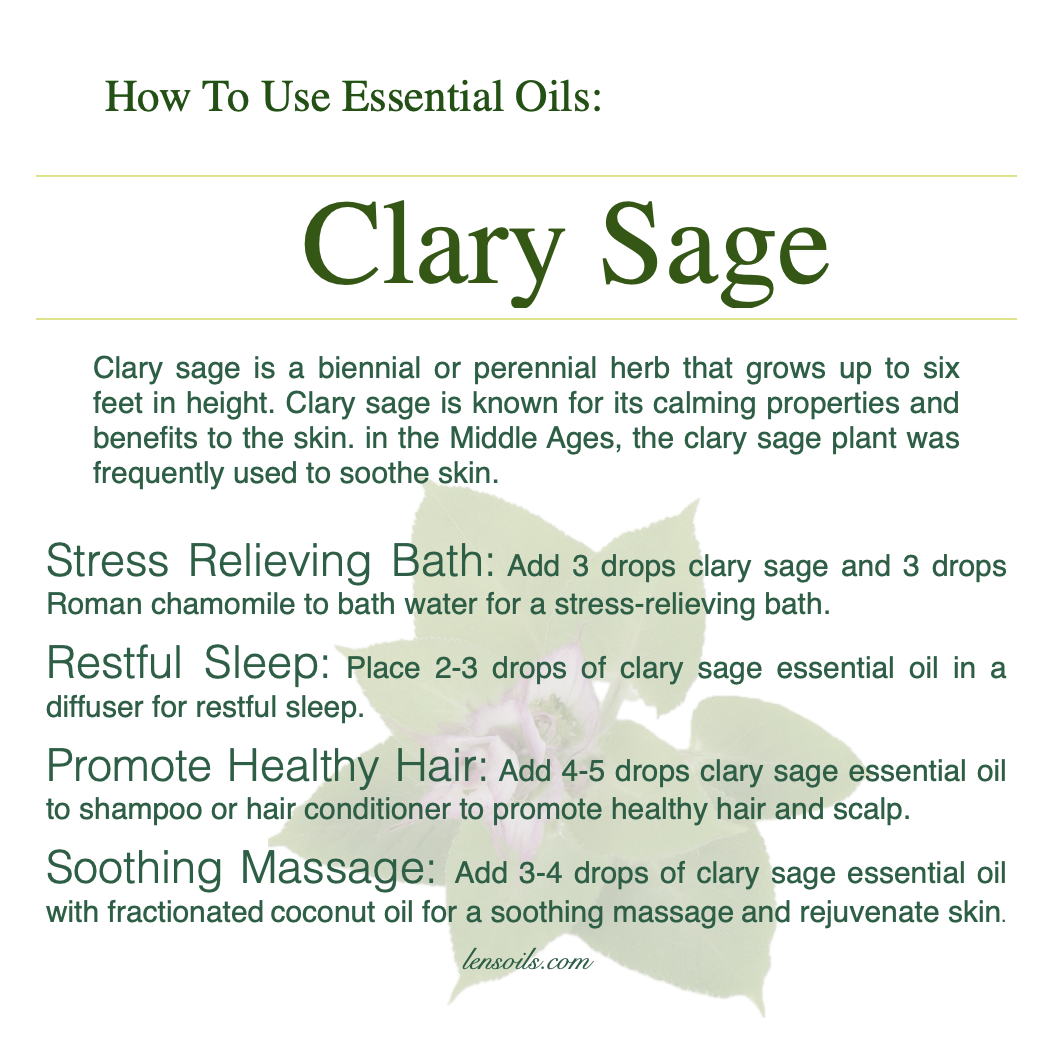
Today, this herb is found in wellness products, beauty treatments, and even hospital settings, where it is used to help calm patients. Its essential oil is cherished for its ability to soothe the skin, promote relaxation, and strengthen hair. A few drops in a warm bath with Roman chamomile create a stress-relieving soak. A diffuser can fill a room with its calming aroma before sleep, and when blended with fractionated coconut oil, it transforms into a rejuvenating massage treatment.
The tall, delicate plant with its soft, purple blossoms holds the secret to one of nature’s most soothing and restorative oils, Clary sage. From ancient healers to modern science, its power has remained undeniable for this remarkable herb, offering comfort, balance, and healing to those who seek it. And now you know the rest of the story.