Category Archives: Essential Oil Information

Myrtle-Did You Know?

MyrtleDid you know Myrtle is The Oil of Adaptability? Myrtle instills the soul with qualities helping you to adjust to new conditions, capable of being flexible, and recovering quickly from difficult conditions. Myrtle helps brings joy to the heart allowing things to flow naturally. It is helpful during difficult and challenging times.

The Ancient Egyptians knew of the therapeutic properties of myrtle, macerating the leaves in wine to counter fever and infection. The best and most fragrant myrtle trees came from Egypt. In Biblical times, Jewish women wore garlands of myrtle on their heads on their wedding day as a symbol of love, and to bring them happiness. In 1876, Dr Delioux de Savignac advocated the use of myrtle for bronchial infections, for problems of the urinary and reproductive system, and for hemorrhoids.

A study shows that myrtle oil kills Salmonella on fresh fruits and vegetables. Scientists intentionally inoculated fresh tomatoes, and iceberg lettuce with a strain of Salmonella. Then they used a cleaning solution that had a dilution rate of 1 to 1000 containing myrtle leaf oil to test if it would kill the bacteria. The results suggest that the use of myrtle can be an effective alternative to the use of chlorine or other disinfectants on fruits and vegetables.

Myrtle lowers blood sugar and has been traditionally used in Iran for the treatment of Malaria. It is also known for its ability to repel mosquitoes, and kills fungus, and mold. In some cultures myrtle is used to heal mouth ulcers, warts, and acne.

Spikenard-Did You Know?

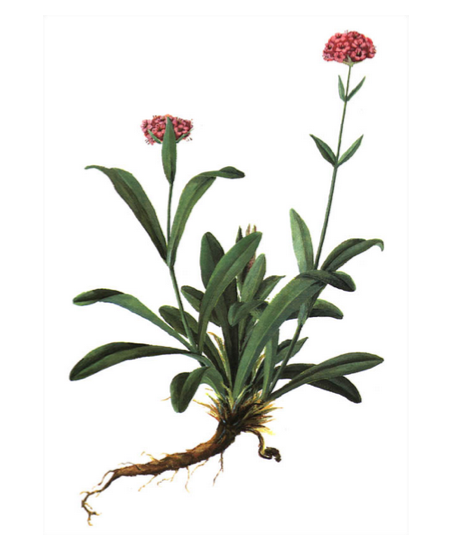
SpikenardDid you know Spikenard is The Oil of Gratitude? Spikenard encourages true appreciation for life. It addresses repeated patterns of ingratitude, where a person sees themselves as a person whom criticism or abuse may be directed, or a victim of their life circumstances. It encourages individuals to let go and find appreciation for all of life’s experiences.

Spikenard is grown in Nepal, China, and India. For centuries the oil has been used as a perfume, as a medicine, and in religious ceremonies from Europe to India. In the bible It was offered on the specialized incense altar in the time when the Tabernacle was located in the First and Second Jerusalem Temples. Several references to Spikenard, were made in both the Old and the New Testament.

Spikenard was one of the early aromatics used by the Egyptians and is mentioned frequently throughout the bible. The powdered root of Spikenard is also mentioned in some Islamic traditions as the fruit which Adam ate in Paradise, which God had forbidden him to eat. It was traditionally used to anoint people of high honor due to its healing properties, and is considered to have spiritual applications for blessing and protection.

Spikenard has a long list of therapeutic uses in clinical aromatherapy and is considered non-toxic, non-irritant, and non-sensitizing. It is also used to season foods in Medieval European cuisine.The health benefits of Spikenard Essential Oil can be attributed to its properties as a deodorant, laxative, and a sedative in nature.

5 Tests Every Essential Oil Should Go Through

Leaf Oil Bottle

Five tests every essential oil should go through for the highest quality. Ask your essential oil suppliers if they do these tests with their essential oils.

Test 1: Gas Chromatography
In gas chromatography, volatile essential oil compounds are vaporized and passed through a long column called a gas chromatograph. Each individual compound travels or “elutes” through the column at a different rate and is measured as it exits the column during the testing period. Using gas chromatography, quality control engineers can determine which compounds are present in a test sample and, as importantly, at what levels.

Test 2: Mass Spectrometry
In mass spectrometry, samples are vaporized and then ionized and each individual compound in a sample is measured by weight. Mass spectrometry provides additional insight to the purity of an essential oil by revealing the presence of non-aromatic compounds, such as heavy metals or other pollutants, which are too heavy to elute along a gas chromatograph. The combination of gas chromatography and mass spectrometry is sometimes referred to as a GC/MS test.

Test 3: FTIR Scan (Fourier Transform Infrared Spectroscopy) In an FTIR Scan, a light is shown at the material sample and the amount of light absorbed by the chemical constituents of the sample is measured. Results are then compared against a historical database to ensure adherence to composition standards.

Test 4: Microbial Testing
In microbial testing, samples are drawn from each batch of essential oils and applied to growing mediums in dishes or “plates.” After an incubation period, each plate is analyzed for growth of microbes. This test is performed on all incoming material to the manufacturing facility, and also performed on finished product to ensure no harmful organisms have been introduced to the product during the filling and labeling process, and to ensure shelf-life stability.

Test 5: Organoleptic Testing
Organoleptics include those attributes of an essential oil that can be tested with taste, sight, touch, and smell. From growers, and harvesters to essential oil chemists; from manufacturing engineers to essential oil practitioners. The extraction of essential oils is very much an art form that can be enhanced by, but not replaced with, mechanical analytics. The wisdom and experience of essential oil experts are an indispensable part of a great quality control standard.

I Want You To Receive Essential Oils


I want You

Four years ago, I was introduced to something that has transformed my life:  essential oils.

Yes I was a big skeptic about them at first, but I now use essential oils on a daily basis in every area of my home, and they have completely changed my life! My medicine cabinet has been completely transformed, and I am now empowered with the tools and knowledge to care for my family.

When I realized I could get free products AND create residual income? I got really excited!

As a result, of my essential oil journey, and passion helping others, I’m ready to help you get started with your essential oil journey as well.

The best part about essential oils  is that there is an option for everyone, whether you want to simply enjoy the products for yourself and transform your family’s health (and get free stuff in the process) OR you’re ready to build a team, create residual income, and get out of debt.

If any of these options sound appealing to you, let’s chat!

I’ll help you figure out which option will be the best fit for you, plus you can qualify for some awesome incentives in the process.

I can’t wait to talk to you!

Please text free sample or call me at 801-661-4786
I will be sure to get back to you as soon as possible.
Or
Send me an email at lfish64@yahoo.com
It will be an honor to help you in any way that I can.

Sincerely,

Leonard Fish Signature

Cumin-Did You Know?

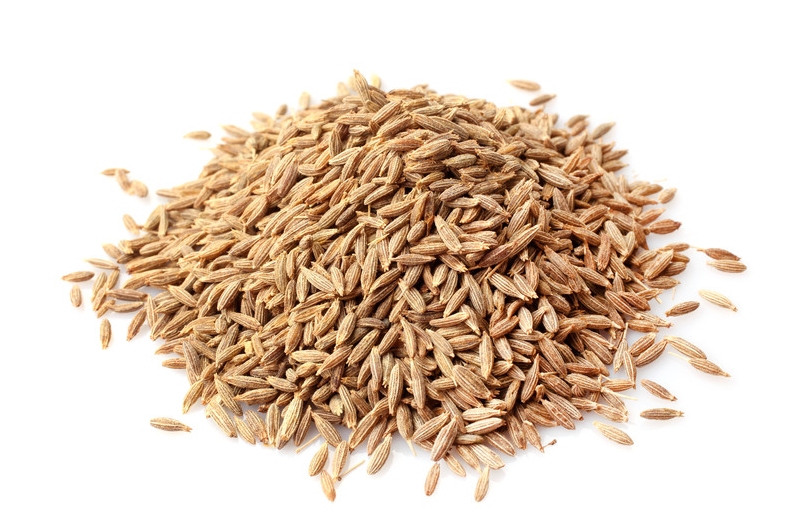
Cumin The Did You Know GuyDid you know Cumin was used in the ancient Egyptian mummification process? Marcus Antoninus 16th emperor of Rome was given a nickname that referenced the herb as someone miserly must have eaten cumin, and symbolized excessive desire. Pliny the Elder, a Roman naturalist who lived between 23 AD and 79 AD was said to have listed Cumin as “the best appetizer of all condiments.”

The history of Cumin goes back over 5000 years. from Iran and the Mediterranean. Cumin is a small seed that comes from the Cuminum cyminum herb, a member of the parsley family. This seed has a distinct flavor, and warm aroma. It is a major ingredient in chili powder as well as curry powder. According to the Bible, Cumin had such a powerful medicinal value that it could be used as money!

Cumin has an overpowering smell and should be used very sparingly. Yet it is considered non-toxic, non-irritant and non-sensitizing. It does have photo-toxic qualities, so it should not be used when the skin will be exposed to sunlight. Photosensitization, and photo-toxicity can occur when certain essential oils react when exposed to Ultraviolet UVA light. Inflammation, blistering, and reddening/burning of the skin are common.

Cumin is useful as a warming oil and helps relieve muscular pains and osteoarthritis. In the digestive system, it is a stimulant that helps with colic, dyspepsia, flatulence, bloating and indigestion. For the nervous system, it is a tonic, and has a beneficial effect on headaches, migraines, and nervous exhaustion.

Rosemary-Did You Know?

RosemaryDid you know rosemary assists in the development of true knowledge and true intelligence? Rosemary is the essential oil of knowledge and transition. It challenges people to look deeper than they normally would, and ask more soul searching questions so they may receive more inspired answers. Rosemary also aids in times of transition and change, such as adjusting to a new house, school, or a relationship.

Rosemary is actually a bush perennial that grows in abundance in the Mediterranean area (Spain, Italy, Portugal, Southern France, Greece and North Africa as well as in isolated areas of Turkey, Lebanon and Egypt). It is one of the most common aromatic wild plants of the Mediterranean landscape, especially in rocky limestone hillsides adjoining the seaside.

Rosemary was relocated to England by the Romans in the eighth century, primarily in the southern part of the country. Rosemary branches were placed on the floors of medieval homes to combat diseases during the “black plague.” Because of the fragrance the plant gives off, it was a used as an incense. It was introduced to the New World by early immigrants, but in the northern regions they must be protected in the winter months.

Rosemary is an aromatic, evergreen shrub whose leaves are frequently used to flavor foods such as stuffings and roast lamb, pork, chicken, and turkey. When you add rosemary to spaghetti sauce it will bring out the flavor of other ingredients. It is a very nice addition to tomato-based soups, stews, and sauces. Along with its culinary applications, Rosemary has many health benefits.

Rosemary supports healthy digestion and helps soothe sore muscles and joints. Long revered by healers, rosemary was considered sacred by the ancient Greek, Roman, Egyptian, and Hebrew cultures. Rosemary’s herbaceous and energizing scent is frequently used in aromatherapy to combat nervous tension, fatigue, and has antioxidant properties.

Spearmint-Did You Know?

SpearmintDid you know spearmint has been cultivated for many years? Some believe it would be almost impossible to find it growing in its original form in nature. This species of mint is also known as “Mackerel Mint” The name, spear or spire, refers to the spiry form of its floral blossoming.

Before the invention of the refrigerator, spearmint was once macerated and added to milk because it appeared to lengthen the shelf-life of milk and keep it from curdling. It was also recommended for use by people with poor health or young children with sensitive digestive issues.

Spearmint oil is less used than it’s stronger cousin peppermint. The mint sauces, and jellies that usually accompany lamb dishes are made of the milder-flavored spearmint. It was once recommended as a treatment for hiccups, flatulence as well as indigestion. Spearmint essential oil cleanses, and purifies skin, and has an uplifting scent that can lessen mental, and physical fatigue.

Lime-Did you Know?

limeDid you know limes probably originated in Indonesia or the nearby mainland of Asia? Limes were introduced to the western Mediterranean countries by returning crusaders in the 12th and 13th centuries. Columbus took citrus-fruit seed, probably including limes, to the West Indies on his second voyage in 1493, and the trees soon became widely distributed in the West Indies, Mexico, and Florida.

Scottish naval surgeon Sir James Lind discovered by his observation of long-haul sailors that citrus fruits wiped out the horrible scurvy. This disease is caused by a lack of vitamin C, which had destroyed the British navy more than any enemy. It was noted that seamen that drank lime juice dramatically reduced their mortality rate.

Cold-pressed from the peel of fresh limes, Lime essential oil is refreshing, and energizing in both aroma, and taste. Limes are frequently used in entrées, and beverages for their fresh, citrus flavor. Lime essential oil contains powerful antioxidants that ward off free radicals, and enhance immunity.

Due to its high limonene content, Lime provides internal cleansing benefits, and can be diffused to help purify the air. It’s also an effective and natural surface cleaner. Lime is known for its ability to uplift mood, and balance and energize the mind, and body. Lime is frequently used in facial and body cleansers for its purifying properties, and uplifting scent.

Lime essential oil is the Oil of Zest For Life. Lime permeates the soul with enthusiasm for life, when a person has been overwhelmed by discouragement or deep sorrow. Lime elevates them above their difficulties, and reminds them to have gratitude for the gift of life. This oil encourages balance between the heart, and mind.