Do you want to expand your health options?
Try using natural essential oils.
Request a Free Sample.
Please text Free Sample or call me at 801-661-4786
I will be sure to get back to you as soon as possible.
Or
Send me an email at lfish64@yahoo.com
with the heading Free Sample
It will be an honor to help you in any way that I can.
Or
Write me a letter, request a Free Sample
Leonard Fish
5075 Rushton Acres Court
West Valley City, Utah
84120 USA
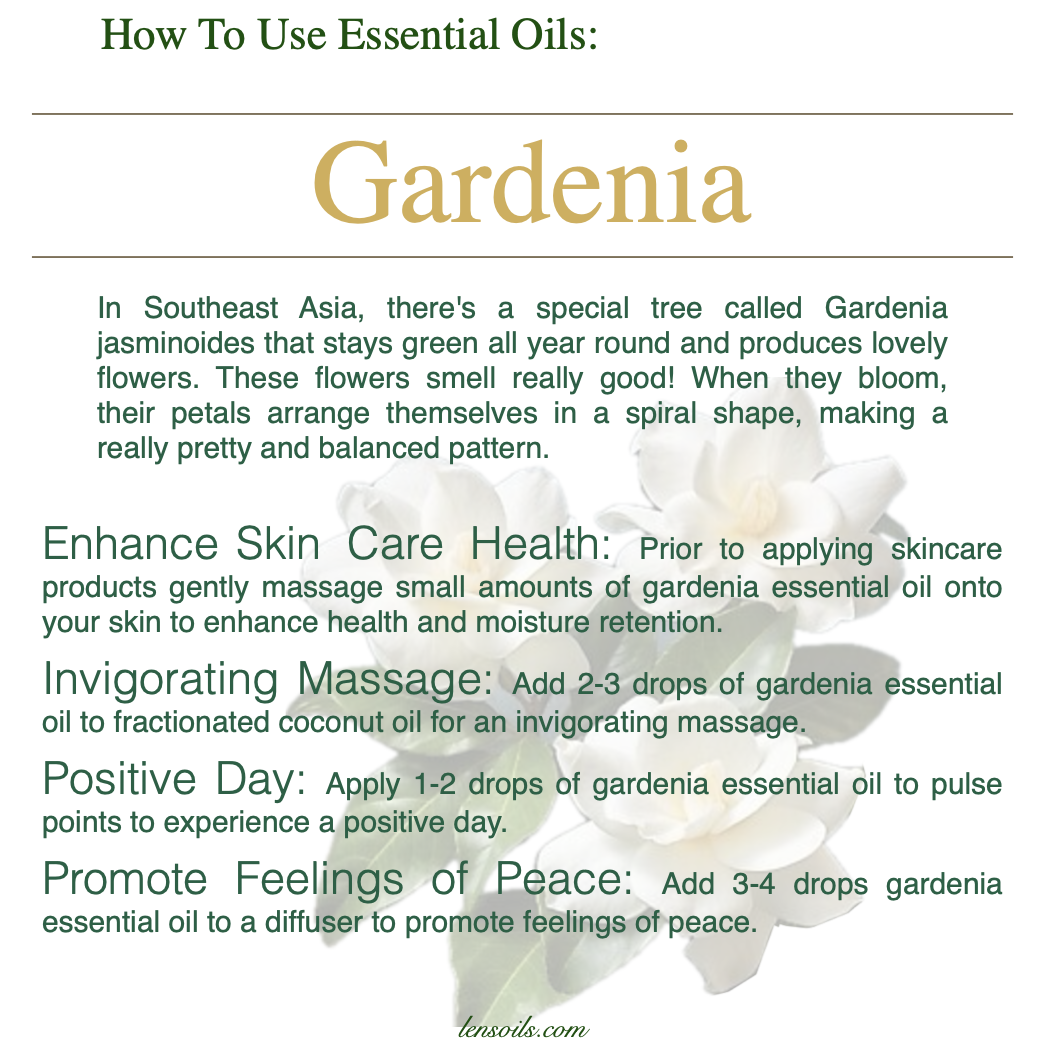
Gardenia essential oil comes from the beautifully fragrant flowers of the Gardenia jasminoides plant, an evergreen shrub native to Southeast Asia. Known for its creamy white blossoms and rich, floral aroma, gardenia has long been associated with balance, beauty, and quiet elegance. When the flowers bloom, their petals form a gentle spiral, a pattern often linked with harmony and calm, which mirrors the emotional effect many people experience when using this oil.
In skincare routines, gardenia essential oil is often used to support a healthy-looking complexion and help the skin feel soft and nourished. Gently massaging a small, well-diluted amount into the skin before applying lotions or serums can enhance moisture retention and leave the skin feeling refreshed. Its luxurious scent also adds a spa-like element to daily self-care, turning an ordinary routine into a calming ritual.
Gardenia essential oil is equally valued for emotional and aromatic use. When blended with a carrier oil for massage, it creates an uplifting and soothing experience that helps the body relax while the mind feels gently energized. Applied to pulse points, its aroma can support a positive, centered mood throughout the day. Diffused into the air, gardenia’s rich floral scent promotes feelings of peace and tranquility, making it a wonderful choice for quiet evenings, meditation, or moments when emotional balance is needed.
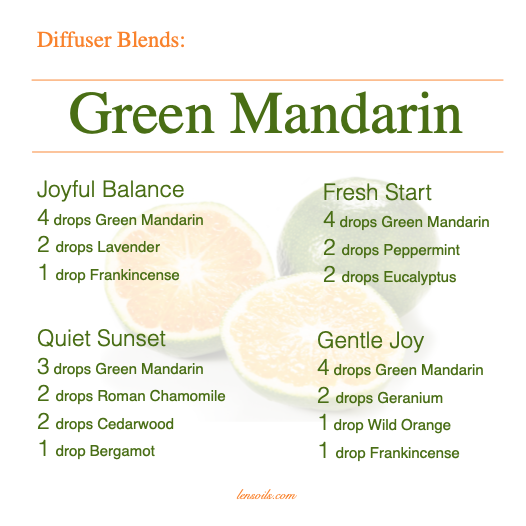
Green Mandarin brings a soft, happy brightness to these blends that feels joyful without being overstimulating. Joyful Balance is gently uplifting and emotionally steady, with green mandarin smoothing the florals and resins into a calm, optimistic mood. Fresh Start leans clean and energizing, where its sweet citrus keeps peppermint and eucalyptus feeling refreshing instead of sharp. Quiet Sunset is especially soothing, blending green mandarin’s warmth with chamomile and woods for a peaceful, end-of-day exhale. And Gentle Joy lives up to its name, using green mandarin as a tender emotional lift that feels comforting, balanced, and easy to breathe into.
I love this one because it sneaks wisdom in through the back door. A child’s heart is open, unguarded, and honest, and that’s exactly how good essential oils should meet us. No tricks, no shortcuts, nothing hidden. For children, oils like lavender, frankincense, Roman chamomile, and wild orange are often the best starting places because they are gentle, calming, and supportive without being overwhelming. And a child’s will? That quiet, stubborn strength that keeps going even when tired or unsure. The best oils carry that same steady resolve. They don’t overpower. They support, protect, and show up consistently, reminding us that real strength is gentle, real purity is simple, and both work best when they’re trusted rather than forced.
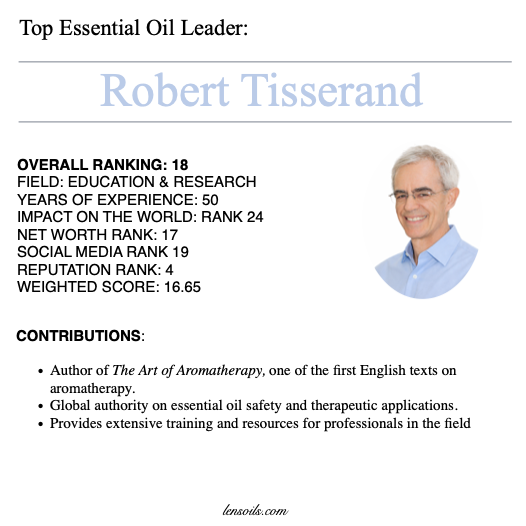
Robert Tisserand is one of the most influential figures in modern aromatherapy, especially in the English-speaking world. With more than fifty years of experience, he helped introduce aromatherapy at a time when reliable information was scarce. His early work laid the foundation for aromatherapy to be taken seriously as a structured practice rather than a fringe or mystical tradition.
Tisserand first gained wide recognition with The Art of Aromatherapy in 1977, one of the earliest comprehensive English texts on the subject. The book brought together traditional uses, emerging science, and practical guidance, making aromatherapy accessible to practitioners and the public alike. For many, it served as a gateway into understanding essential oils beyond simple fragrance or folklore.
As the field grew, Tisserand shifted his focus toward safety, chemistry, and evidence-based practice. He became known for emphasizing proper dilution, contraindications, and toxicological limits, challenging unsafe or exaggerated claims. This approach helped protect users and practitioners while raising professional standards, even when it meant confronting popular but risky trends within the aromatherapy community.
His most authoritative contribution is Essential Oil Safety, co-authored with Rodney Young. This reference work is considered the gold standard for professionals, educators, and clinicians worldwide. It compiles research on dermal limits, drug interactions, phytotoxicity, and internal use, offering clear guidelines rooted in scientific data rather than opinion or marketing language.
Through the Tisserand Institute, he continues to educate professionals globally with courses, research articles, and safety resources. His influence is quiet but structural, shaping how aromatherapy is taught, regulated, and practiced. While not universally popular with casual users, Tisserand’s legacy rests on credibility, rigor, and a long-term commitment to making aromatherapy safer and more trustworthy.
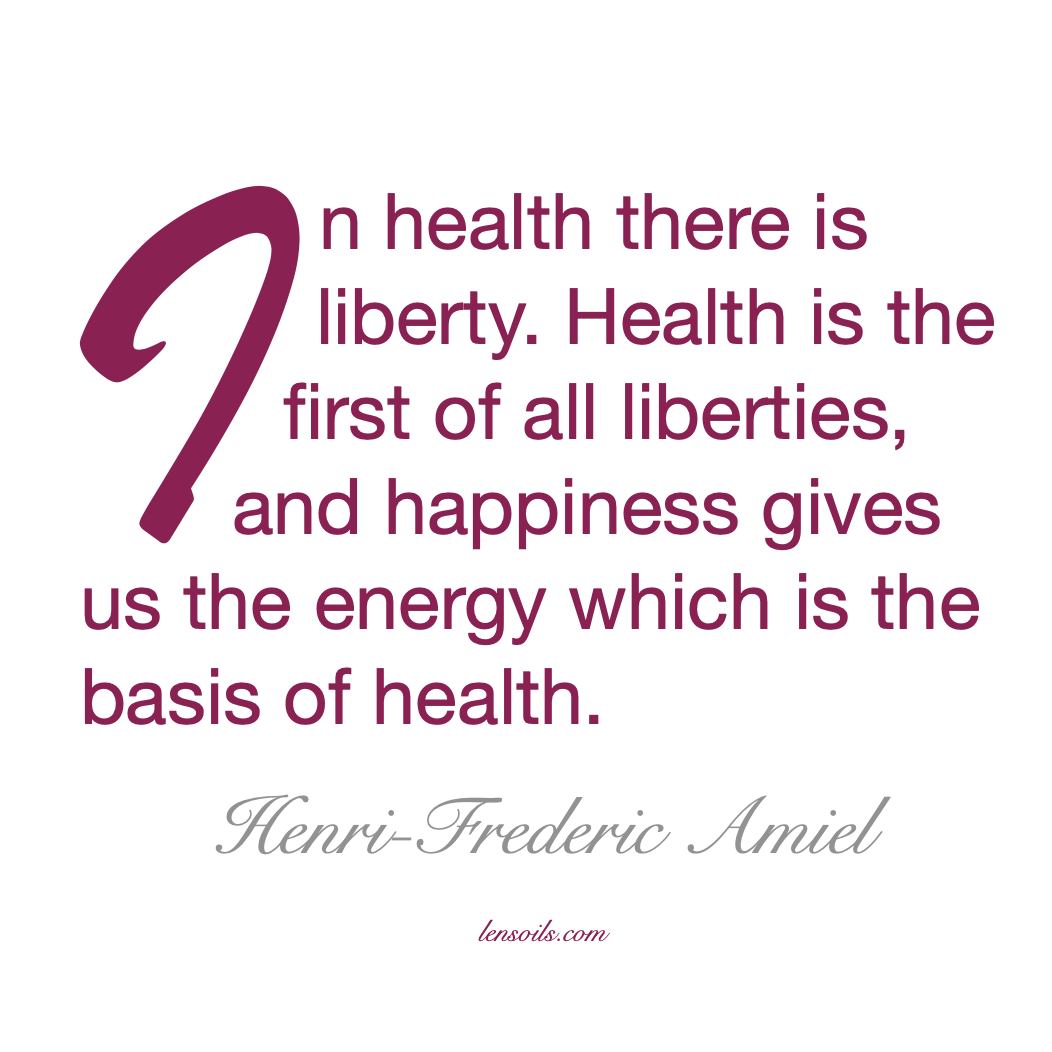
I love this quote because it flips the order we usually argue about. We chase freedom first, happiness second, and health somewhere far down the list. Amiel suggests the opposite. Health is liberty because nothing limits choice faster than a body that won’t cooperate. When your energy is gone or pain takes over, freedom becomes theoretical. You may have options, plans, and good intentions, but your body quietly vetoes them all.
The clever twist is that happiness isn’t the reward for health, it’s the fuel for it. Joy lowers stress, meaning steadies us, and connection keeps our nervous systems from living in panic mode. We often treat happiness as optional and our bodies like rental cars, pushing them hard and ignoring the warning lights. This quote reminds us that caring for health and allowing happiness isn’t indulgent, it’s how freedom stays usable.
The slippery slope of prescription drugs with their harmful side effects can be hard to recover from.
Do you want to take back your health using natural essential oils?
If you would like a Free Sample please do one of the following.
Please text Free Sample or call me at 801-661-4786
I will be sure to get back to you as soon as possible.
Or
Send me an email with the heading Free Sample to lfish64@yahoo.com
It will be an honor to help you in any way that I can.
Or
Write me a letter requesting a Free Sample to
Leonard Fish
5075 Rushton Acres Court
West Valley City, Utah
84120 USA
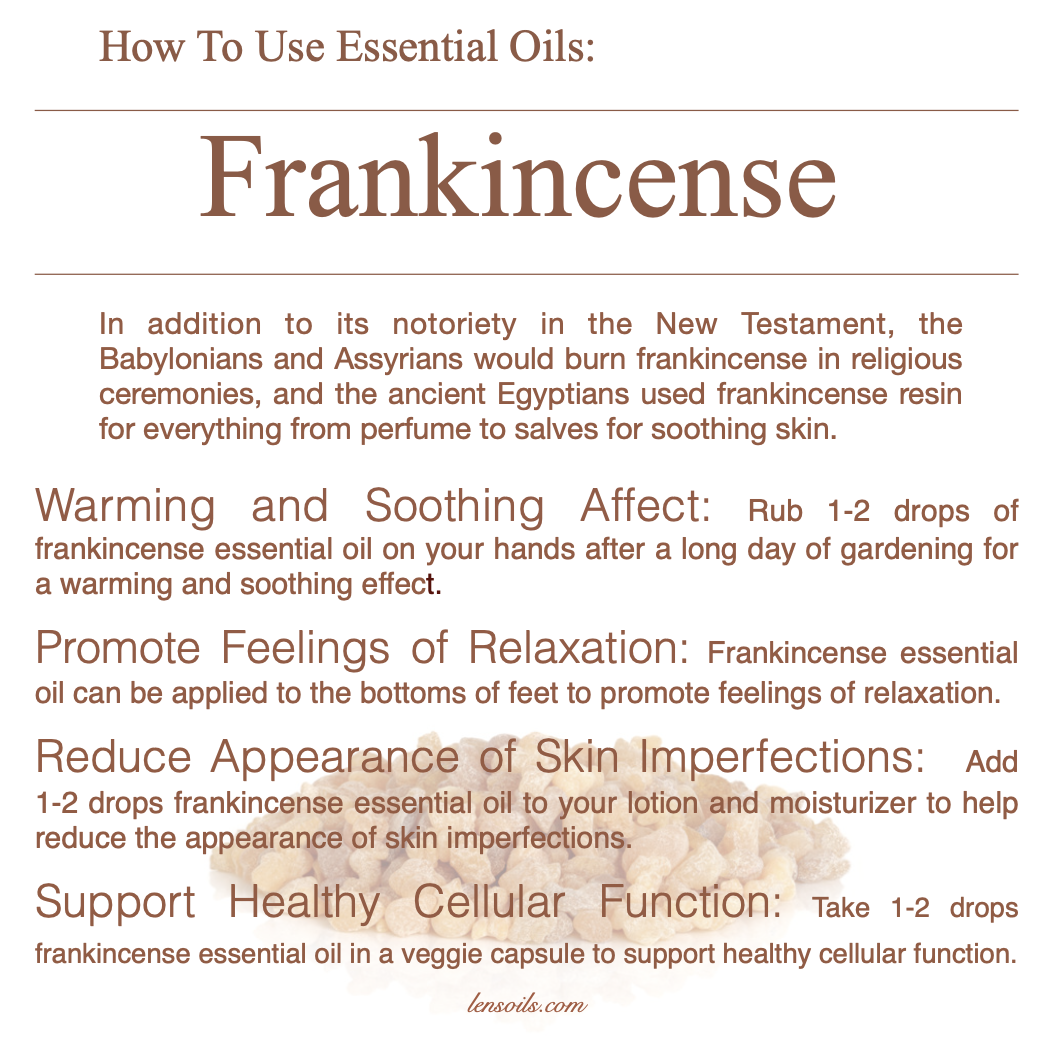
Frankincense essential oil, distilled from the resin of the Boswellia tree, is one of the most treasured oils in history, prized for its warm, spicy, and slightly woody aroma. Native to the Arabian Peninsula and parts of Africa, frankincense has been used for thousands of years in spiritual ceremonies, religious rituals, and natural medicine. In essential oil form, its grounding fragrance is often diffused to promote feelings of peace, relaxation, and spiritual connection. Its timeless aroma makes it one of the most versatile oils for both body and soul.
Beyond its spiritual heritage, frankincense essential oil is widely used in modern wellness practices. It is often added to skin care products for its rejuvenating properties, supporting healthy, radiant-looking skin. In aromatherapy, it blends beautifully with citrus oils like bergamot for uplifting balance, or with grounding oils like sandalwood for meditation and calm. Frankincense is also valued for supporting clear breathing and creating a soothing environment, making it a staple in both personal and household blends.
Did You Know? Frankincense is famously known as one of the gifts of the Magi brought to the Christ child, giving it a strong connection to Christmas and spiritual traditions. In ancient times, it was more valuable than gold and was traded across the Middle East and North Africa. The resin was burned in temples and sacred spaces as a symbol of prayer and devotion, and its use continues today in churches and ceremonies worldwide. Its enduring reputation as the “king of oils” reflects its blend of sacred history and practical benefits.
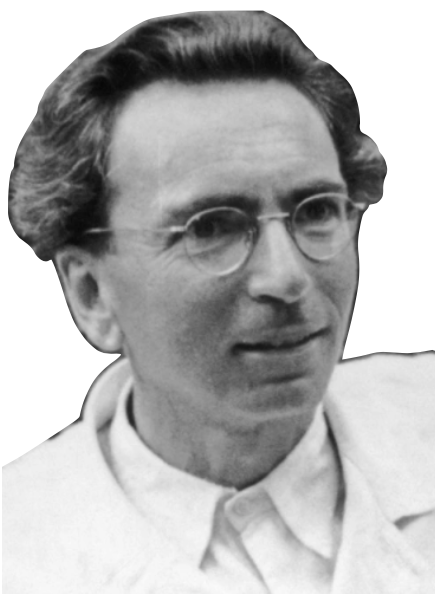
In 1942 Vienna, Viktor Frankl was a respected psychiatrist with a growing practice, a nearly complete manuscript, and a wife named Tilly whose laugh could fill a room and brighten the darkest days. He had a visa to escape to America, but his elderly parents couldn’t come—so he stayed. Within months, the Nazis came for them all. Theresienstadt. Then Auschwitz. Then Dachau. The manuscript he had sewn into his coat was torn away within hours. His name erased. His number: 119104.
But what the guards didn’t understand was this: you can take a man’s manuscript, his name, his possessions—but not what he knows. Frankl knew something about the human mind that would change psychology forever. In the camps, men didn’t just die from starvation or disease; they died from giving up. When a prisoner lost his reason to live—his why—his body followed soon after. But those who held onto meaning—a promise to keep, a family to find, a purpose unfinished—found strength to endure.
Frankl began a quiet experiment in the barracks. He couldn’t offer food or freedom, but he whispered to the hopeless: “Who is waiting for you?” “What work is left unfinished?” “What would you tell your son about surviving this?” He helped men remember their purpose. One thought of his daughter and survived to find her. Another recalled a scientific problem and lived to solve it. Frankl himself survived by mentally reconstructing his lost manuscript, line by line, in the darkness.
When liberation came in April 1945, Viktor weighed only 85 pounds. His wife, mother, and brother were gone. Everything he loved—gone. Yet, instead of collapsing, he began writing again. In just nine days, he recreated the manuscript from memory, now filled with something new: proof. He called his theory Logotherapy—therapy through meaning—and showed that humans can survive almost anything if they have a reason to live.
Published in 1946 as “Man’s Search for Meaning,” the book was first rejected as too grim. But slowly it spread. Therapists wept. Prisoners found hope. Ordinary people facing illness, grief, or loss discovered that their pain could still hold purpose. The book has sold over 16 million copies, translated into more than 50 languages, and remains one of the most influential works ever written about resilience and the human spirit.
Because Viktor Frankl proved what the Nazis could not destroy: that even when everything is taken—freedom, family, food, future—one final freedom remains: the freedom to choose what it all means. His words still guide those in despair: “When we are no longer able to change a situation, we are challenged to change ourselves.” Prisoner 119104 didn’t just survive. He turned suffering into healing—and taught the world that meaning is the one thing no one can ever take away.






 Len's Oils