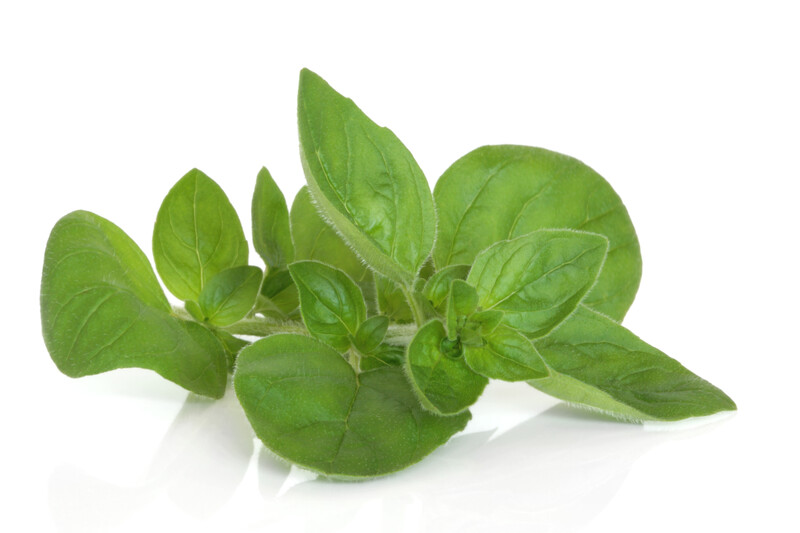
Oh, fragrant basil, herb divine, With spicy notes and touch of thyme, You calm the storm, you ease the mind, A tranquil balm for humankind.
In a diffuser, your essence flows, Promoting focus as knowledge grows. While studying or reading through the night, You sharpen thoughts and bring delight.
In kitchens, you take center stage, A single drop on the culinary page, Transforming dishes, fresh and bright, A taste of gardens in every bite.
For weary souls, you’re a tender balm, With wintergreen, you restore the calm. A massage of oils, the stress will cease, Neck to shoulders, you bring sweet peace.
During cycles, you lend your grace, A soothing touch, a warm embrace. Internally taken, a drop will do, To steady and comfort the body anew.
Oh, basil, friend of both heart and plate, A gift from nature, so simple, so great. In every drop, a story untold, Of wellness, flavor, and courage bold.
Essential oils can provide soothing relief for stings and help reduce discomfort when used correctly. Here’s how you can incorporate them into your care routine:
1. Apply Lavender or Tea Tree Oil Neat
Out of all essential oils, lavender and tea tree can be safely applied directly to the skin (neat). Simply place a drop of either oil on the sting area to help reduce swelling and soothe irritation.
2. Create a Venom-Absorbing Clay Mask
For a deeper detox, use a homemade clay mask to absorb toxins from the sting area. Here’s what you’ll need:
2 tsp bentonite clay
1 tsp activated charcoal powder
2 drops lavender essential oil
2 drops rosemary essential oil
How to use it:
Mix the ingredients with enough water to make a thick paste.
Apply the paste to the sting area.
Allow it to dry for 15 minutes.
Rinse off thoroughly with warm water.
This mask not only draws out toxins but also soothes the skin.
3. Explore the 9 Best Essential Oils for Stings
These oils can be used individually or blended for their calming, antiseptic, and soothing properties:
Roman Chamomile: Calms inflammation and soothes irritation.
Eucalyptus: Reduces swelling and provides cooling relief.
Lavender: Known for its soothing and healing properties.
Melissa: Helps reduce redness and irritation.
Peppermint: Provides a cooling sensation for immediate comfort.
Rosemary: Assists with circulation and detoxification.
Tea Tree: Offers antiseptic and anti-inflammatory benefits.
Thyme: Helps prevent infection.
Vetiver: Soothes the skin and calms irritation.
By using essential oils thoughtfully and safely, you can turn a sting into a moment of care and healing. Learn more about essential oils at lensoils.com.
Winter Diffuser Blends for a Fresh Start to the New Year
As we say goodbye to the holidays and embrace the fresh opportunities of the new year, these winter diffuser blends will fill your home with warmth, energy, and comfort. Try these blends to create a cozy, inviting atmosphere or a bright and invigorating vibe to start 2025 off right!
Crystal Snow
For a crisp, refreshing scent that mimics the cool air of a snowy day:
5 drops Peppermint
2 drops Ylang Ylang
Frosted Trees
Bring the fresh, forest-like aroma of evergreens into your space:
4 drops Siberian Fir
2 drops Peppermint
1 drop Wintergreen
Tea Time
Perfect for chilly afternoons, this warm and spicy blend creates a cozy, tea-like atmosphere:
1 drop Cardamom
2 drops Cinnamon Bark
3 drops Wild Orange
1 drop Clove
Mittens
Wrap yourself in the warmth of this comforting, citrusy blend:
2 drops Cinnamon Bark
4 drops Wild Orange
2 drops Cedarwood
New Year’s Fresh Start(Bonus Blend for January 1st)
Infuse your space with optimism and clarity for the year ahead:
3 drops Lemon
2 drops Eucalyptus
3 drops Frankincense
Start the new year with scents that inspire joy, calm, and motivation. These blends are perfect for winter days when you want to unwind, reflect, or set new intentions.
Learn more about essential oils and creative diffuser blends at lensoils.com. Here’s to a bright and aromatic 2025!
“Ah, the classic newspaper time warp—where Monday crashes Tuesday’s party, and Thursday’s front page might moonlight as Sunday brunch! Just remember, folks: if you don’t like today’s news, just wait until page 6. And kudos to Robin Shetler for showing us how to make a newspaper sound like a choose-your-own-adventure novel. ‘Turn to page 5 to see what might have happened on Tuesday!'”
The proverb “Symptoms, then, are in reality nothing but a cry from suffering organs” is attributed to Jean-Martin Charcot, a 19th-century French neurologist often regarded as one of the founders of modern neurology. Charcot’s work was groundbreaking in understanding the link between physical symptoms and underlying medical conditions, particularly in the fields of neurology and psychiatry.
Charcot lived during an era when medical science was transitioning from traditional, often superficial treatments to a deeper exploration of the body’s inner workings. He believed that symptoms should not be ignored or merely alleviated—they were the body’s way of signaling distress or dysfunction. This idea was revolutionary at the time, as it encouraged doctors to move beyond treating symptoms to diagnosing and addressing the root causes of diseases.
Charcot’s expertise in neurological disorders, such as multiple sclerosis and Parkinson’s disease, reinforced his belief that symptoms were vital clues. His work emphasized careful observation and listening to the “language” of the body to understand the suffering of its organs. This approach laid the foundation for modern diagnostic techniques, encouraging a more empathetic and scientific method of medical care. The proverb reflects Charcot’s philosophy that every symptom is meaningful, urging physicians and patients alike to view them as essential guides to healing.
Long ago, in lands where mountains kissed the sky and the desert stretched far and wide, humanity found treasures hidden in plain sight. They were not gold or jewels but plants—humble, unassuming, yet brimming with secrets that whispered through the ages. One of these plants would change the way people saw healing, nourishment, and even trust. But before we get to that, let’s start with the foundation of its legacy.
The earliest healers didn’t wear lab coats or work in sterile clinics. They were farmers, shepherds, and midwives who turned to the earth’s bounty for answers. Oils pressed from leaves, roots, and seeds became their medicine. A mere drop could soothe pain or sweeten a sour stomach. These ancient remedies, passed through generations, became the foundation of modern wellness. Yet, even with all our advancements, some secrets from the past remain indispensable.
For centuries, the carrot family has been a source of health and nourishment. From its roots came earthy sustenance, and from its seeds, oils that calmed and healed. Plants like cumin and fennel have become kitchen staples, their aromatic seeds flavoring dishes and aiding digestion. These seeds, steeped in history, whisper their benefits into every bite. But there was one cousin in this family, small and quiet, that rose to fame in ways no one could predict.
This tiny hero carried its aroma into the stories of many cultures. Bread baked with its seeds graced ancient tables, offering sustenance and solace. Tales from long-forgotten kitchens spoke of this seed’s power to soothe a worried mind and ease a troubled gut. Meanwhile, in distant lands, the same seeds became symbols of loyalty, ensuring that belongings laced with their scent remained unstealable. Such is the legacy of these simple yet profound seeds.
And so we arrive at caraway seed. Native to Asia but beloved worldwide, it has stood the test of time as both a healer and protector. Its essential oil, extracted from the seed, has amazing benefits. A soothing abdominal massage with caraway seed oil calms discomfort; a single drop in a daily rinse refreshes the breath and supports oral health. Blend it with lavender in a bath, and you’ll find peace in its calming embrace. In biblical times, caraway seed even found its way into bread, a testament to its enduring value.
Now, whenever you see that tiny seed, remember its journey—from ancient remedies to modern wellness. It’s more than a spice; it’s a bridge between the wisdom of the past and the promise of the future. And now you know… the rest of the story.
How to Use Essential Oils: Tips for the Holiday Season and Beyond
After the festivities of Christmas and as we step into the new year, essential oils can help create a soothing and refreshing atmosphere to start 2025 on the right note! Here are some simple ways to use essential oils safely and effectively:
Don’ts
Don’t Forget to Dilute Essential Oils Always mix essential oils with a carrier oil (like coconut, jojoba, or almond oil) before applying them to your skin to avoid irritation.
Don’t Overdo It A little goes a long way! Start with just a few drops in your diffuser, bath, or DIY products to enjoy their benefits without overwhelming your senses.
Don’t Ignore Labels and Instructions Always read the label for safe usage recommendations. Look for details on dilution, ingestion, or application tips.
Don’t Neglect Patch Testing Before applying a new oil to your skin, do a small patch test to check for sensitivity or allergies.
Don’t Store Oils Improperly Keep essential oils in a cool, dark place and tightly sealed to preserve their potency and prevent degradation.
Don’t Skip Cleaning Your Diffuser Clean your diffuser regularly to avoid buildup and ensure the purity of the oils you diffuse.
Don’t Forget to Use Glass or Stainless Steel Containers When using oils in beverages or cleaning blends, opt for glass or stainless steel containers to avoid reactions with plastics.
Don’t Hesitate to Experiment with Blends Feel free to mix complementary oils like lavender and peppermint for relaxation or lemon and eucalyptus for a refreshing aroma.
‘Twas the Night Before Christmas (Essential Oils Edition)
‘Twas the night before Christmas, when all through the house, Not a creature was stirring, not even a mouse. The stockings were hung by the chimney with care, With scents of sweet cinnamon filling the air.
The children were nestled all snug in their beds, While whispers of peppermint danced in their heads. And Mama in her scarf, with her lavender spray, Had just settled down at the end of the day.
When out on the lawn there arose such a clatter, I sprang from my bed to see what was the matter. Away to the window I flew like a flash, The aroma of fir trees as fresh as a splash.
The moon on the snow gave a magical glow, And hints of pine essence made spirits bestow. When, what to my wondering nose should appear, But a sleigh full of oils and eight festive reindeer!
With a little old driver, so lively and quick, I knew in a moment it must be St. Nick. More fragrant than ever, his oils they came, And he whistled and shouted and called them by name:
“Now Frankincense! Now Myrrh! Now Citrus and Spruce! On Clove Bud! On Ginger! Let the aromas cut loose! To the top of the porch! To the top of the wall! Let the scents of the season bring joy to you all!”
As dry leaves that before the wild hurricane fly, The warm scent of clove and orange filled the sky. So up to the rooftop the reindeer they flew, With a sleigh full of treasures, and St. Nicholas too.
And then, in a twinkling, I heard on the roof, The prancing and pawing of each little hoof. As I drew in my head and was turning around, Through the chimney St. Nicholas came with a bound.
He was dressed all in fur, from his head to his toes, And carried a diffuser to spread Christmas glows. A bundle of bottles he had flung on his back, Filled with aromas to keep the season on track.
His eyes, how they twinkled! His dimples, how merry! His cheeks smelled of nutmeg, his nose like a cherry! With a drop of vanilla, his smile did gleam, Bringing joy to the night with his yuletide dream.
He spoke not a word, but went straight to his work, Adding oils to stockings with a satisfied smirk. A touch of eucalyptus, a hint of sweet bay, And a drop of warm cedar to brighten the day.
Then laying his finger aside of his nose, A burst of fresh pine through the chimney arose. He sprang to his sleigh, to his team gave a whistle, And away they all flew like the scent of a thistle.
But I heard him exclaim, ere he drove out of sight, May your oils bring peace, may your spirits stay bright, For aromas of Christmas make everything right.”
In Matthew 2:11, the wise men (or Magi) visited Jesus after His birth, bringing gifts of great significance: gold, frankincense, and myrrh. These gifts were not random; they were deeply symbolic and valuable in their time.
Gold: A gift fit for a king, symbolizing Jesus’ royalty and His role as the King of Kings.
Frankincense: A fragrant resin used in worship and as incense in temples, representing Jesus’ divine nature and His role as a priest who connects humanity with God.
Myrrh: Another resin, often used in anointing oils and embalming, foreshadowing Jesus’ suffering and sacrifice.
Frankincense and myrrh were highly prized in the ancient world for their aromatic, medicinal, and spiritual uses. These essential oils were extracted from tree sap and were considered luxuries, traded along ancient trade routes. Their inclusion as gifts emphasized Jesus’ importance and the acknowledgment of His divine mission, even as a child.





 Len's Oils