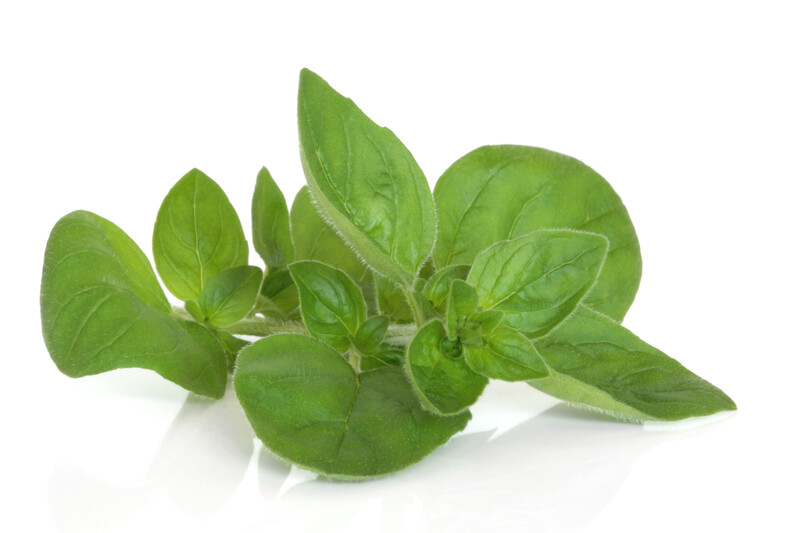
Now, let me tell you a story that stretches back thousands of years, to a time when the world was just beginning to embrace the flavors of herbs. Some say it was around 5,000 years ago when people started to cultivate and cherish these plants, giving rise to an incredible variety of flavors. If you’ve ever tasted the delights of Italian cooking, you might recognize one particular herb that stands out among the rest.
This herb, a member of the mint family, shares its lineage with other renowned herbs like rosemary, sage, and lavender. Its scientific name, Ocimum basilicum, holds clues to its ancient origins. Legend has it that its name could be traced back to Greek mythology, to a tale of a valiant warrior named Ocimus. Some say that this herb sprang forth from the ground where Ocimus met his match in battle. Others believe the name comes from the Greek word “okimon,” meaning “fragrant” – a fitting description for an herb known for its aromatic qualities.
But what about the second part of its scientific name – basilicum? Ah, there are differing theories about this. Some suggest it’s a nod to the Greek word “basileus,” meaning “kingly.” Indeed, this herb has earned the title of the “king of herbs” or the “royal herb,” perhaps because of an ancient belief that it was first grown near the sacred cross of Christ. The Romans even had their own tales, calling it “basiliscus” in hopes that consuming it would ward off fearsome creatures like the basilisk.
Now, journey with me to ancient Greece, where it’s said that Alexander the Great introduced this herb to its shores. Here, this herb took on new meanings – symbols of love, eternal life, and protection in Hindu culture. Stories abound of its powers as a good luck charm, believed to bring wealth and safeguard against harm.
But it’s not just legend and folklore that make this herb remarkable. Extract its essential oil, and you’ll find a scent that invigorates the mind and eases tired muscles. And when consumed as part of a balanced diet, it lends support to our digestive and circulatory systems, contributing to overall well-being.
So, dear listener, the next time you savor its sweet, herbaceous flavor in your favorite dishes, remember the journey of this humble herb basil – from ancient myths to modern-day kitchens. Now you know the rest of the story.
 Did you know Myrtle is the oil of adaptability? Myrtle instills the soul with qualities helping you to adjust to new conditions, capable of being flexible, and recovering quickly from difficult conditions. Myrtle helps brings joy to the heart allowing things to flow naturally. It is helpful during difficult and challenging times.
 Len's Oils