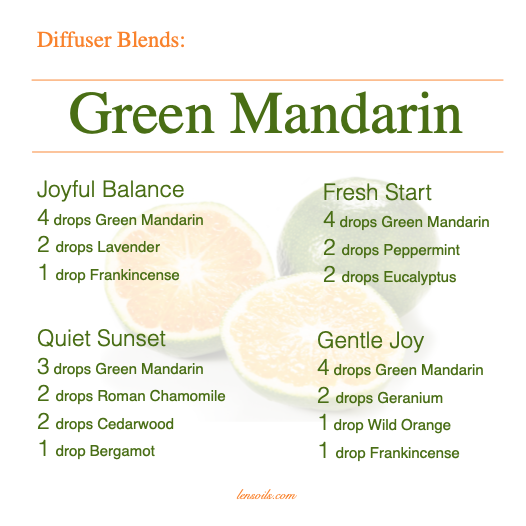
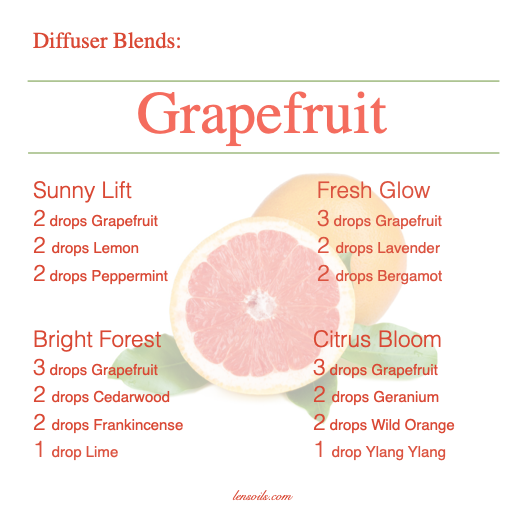
Frankincense essential oil is often called the “king of oils” because of its wide range of supportive benefits, and adding it to diffuser blends can greatly enhance both the aroma and the atmosphere of your space. Its warm, resinous scent helps promote feelings of peace, relaxation, and grounding, making it a natural fit for meditative or calming blends. Frankincense also complements other oils beautifully—bright notes like Wild Orange bring out its uplifting side, while deeper oils such as Sandalwood, Patchouli, or Myrrh highlight its grounding and spiritual qualities. Used in a diffuser, Frankincense can support emotional balance, ease stress, and create an environment that feels sacred, centered, and welcoming.
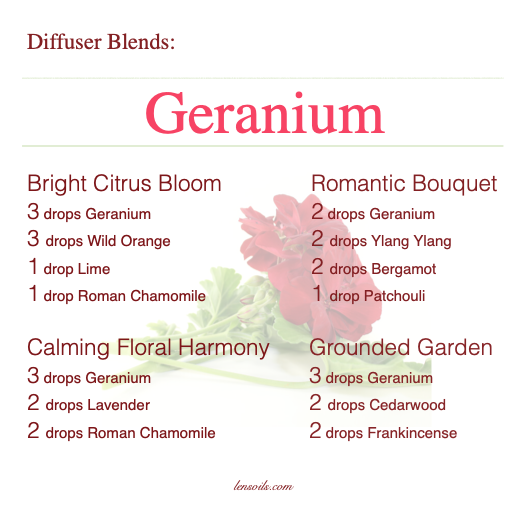
Geranium diffuser blends carry a fragrance that feels both comforting and inspiring, wrapping the room in a sweet floral scent with a hint of fresh herbs. This oil is known for balancing emotions, easing tension, and lifting the spirit on a cloudy day. Blended with calming oils like lavender or chamomile, it softens stress and encourages peace. With grounding partners such as cedarwood or frankincense, geranium creates a steady, focused atmosphere.
When paired with citrus oils like orange or lemon, geranium brings a burst of brightness that clears away heaviness and refreshes the air. In romantic mixes, it blends smoothly with jasmine or ylang ylang, adding warmth and connection. Many describe its aroma as heart-lifting and joyful, turning simple moments into special ones. Whether for rest, energy, or cheer, geranium blends make the air feel alive and welcoming.
“Because somehow lavender needs a PhD, but neon-blue toilet cleaner gets a free pass.”
People often question natural remedies more than synthetic ones, even though both deserve thoughtful attention — it’s a reminder to stay curious, but also consistent, about what we bring into our homes and bodies.
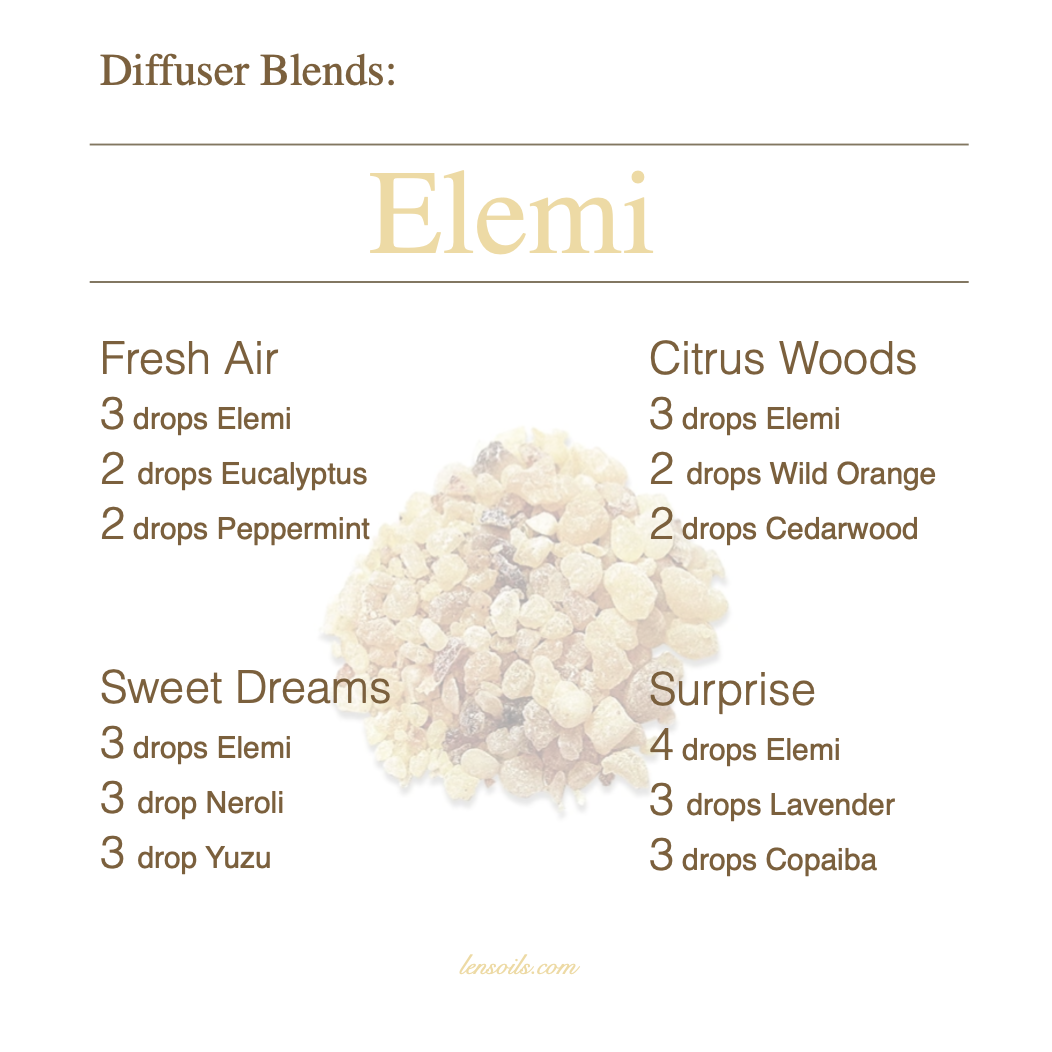
Elemi essential oil, with its fresh, citrusy, and slightly spicy aroma, is a hidden gem for creating versatile and uplifting diffuser blends. Its bright and resinous scent pairs beautifully with citrus oils like Lemon, Bergamot, and Sweet Orange for a cheerful and energizing atmosphere. Elemi also blends harmoniously with woodsy oils like Cedarwood, Sandalwood, and Frankincense, adding depth and warmth for a grounding effect. For a soothing and calming experience, pair Elemi with floral oils such as Lavender, Geranium, or Ylang Ylang. It works well with spicy oils like Ginger or Clove to create a cozy and invigorating blend, while its resinous quality complements herbal oils like Rosemary or Tea Tree for a fresh and cleansing scent. Whether you’re looking for balance, clarity, or an uplifting mood, Elemi’s versatility and unique aroma make it a standout choice for diffuser recipes.
Don’t cry because you don’t have essential oils—your sinuses can’t handle that kind of drama. Smile, because a little lavender is just one click away online! 🌿😌
Shirley Price’s name is synonymous with the rise of aromatherapy as a respected and widely practiced art. Born and raised in the United Kingdom, Shirley’s childhood was steeped in curiosity and a love for the natural world. Growing up in a modest yet nurturing household, she was encouraged by her family to explore science, creativity, and holistic living. This early foundation would serve as the blueprint for her life’s work. With a passion for helping others and a fascination with the healing properties of plants, Shirley embarked on a journey that would position her as a pioneer in the field of aromatherapy.
Shirley’s first encounter with essential oils was transformative. At a time when aromatherapy was far from mainstream, she became captivated by the potential of oils like lavender and tea tree to promote physical and emotional well-being. Her early experiments with these natural extracts fueled her passion for learning, and she immersed herself in studying their properties. For Shirley, essential oils represented a bridge between traditional medicine and natural remedies, a connection that inspired her to delve deeper into this emerging field.
In the 1970s, Shirley Price turned her passion into a profession with the founding of Shirley Price Aromatherapy. Focused on producing high-quality essential oils, her company became a beacon of integrity and innovation. Shirley was meticulous in sourcing her oils, ensuring they were pure, ethically produced, and effective. As one of the first advocates for the therapeutic use of essential oils in the UK, her business set the gold standard for quality in the industry.
Central to Shirley’s work was her deep understanding of essential oils and their benefits. She championed oils like eucalyptus for respiratory health, chamomile for relaxation, and peppermint for energy and mental clarity. Shirley’s research and personal experience demonstrated the versatility of essential oils in enhancing well-being. She didn’t just sell oils—she educated her customers, teaching them how to use these natural remedies safely and effectively.
Believing that knowledge was the cornerstone of progress, Shirley devoted herself to educating others about aromatherapy. She authored several books, including the seminal Practical Aromatherapy, which became a must-read for those entering the field. Her writing demystified essential oils, blending scientific research with practical advice to make aromatherapy accessible to a wider audience. Shirley also worked with healthcare professionals, advocating for essential oils to complement conventional treatments.
Under Shirley’s visionary leadership, her business grew from a small operation into an international enterprise. Her efforts to legitimize aromatherapy as a complementary medicine included collaborations with scientists, therapists, and industry professionals. By building a body of evidence supporting the benefits of essential oils, Shirley played a critical role in the global acceptance of aromatherapy as both an art and a science.
One of Shirley’s lasting contributions was her commitment to quality. She insisted on rigorous testing and ethical sourcing for every product that bore her name. This dedication to excellence earned her the trust of clients worldwide and established standards that are still followed in the industry today. Her brand became synonymous with purity and reliability, elevating aromatherapy to a level of credibility it hadn’t previously achieved.
Shirley’s approach to health went beyond essential oils. She embraced a holistic philosophy, advocating for the integration of aromatherapy with other natural therapies, such as massage, reflexology, and meditation. Her vision emphasized the interconnectedness of physical, emotional, and spiritual health, inspiring many to adopt a more balanced and mindful lifestyle.
As her influence grew, Shirley took steps to ensure her work would endure. She established the Shirley Price International College of Aromatherapy, training a new generation of therapists to carry her vision forward. The college became a hub for education and innovation, equipping students with the tools to use essential oils effectively and ethically. Shirley’s legacy lives on through the countless lives she touched, both directly and indirectly.
Shirley Price’s contributions to aromatherapy have left an indelible mark. From a small UK business to a global movement, her passion and dedication turned a niche practice into a respected industry. Today, her name continues to inspire trust, innovation, and excellence in the world of aromatherapy. Through her work, Shirley proved that nature truly holds the key to healing, and her vision continues to guide those who seek to harness its power.
Essential oils can be a natural and effective way to support your pet’s well-being when used safely and correctly. A calming spray made with diluted lavender or chamomile oil can help ease anxiety in pets, especially during stressful situations like thunderstorms or travel. Lightly misting your pet’s bedding or crate can create a soothing environment that promotes relaxation. These gentle essential oils are known for their calming properties and can help pets feel more at ease in unfamiliar or high-stress situations.
For pet owners looking to protect their furry friends from pests, a natural flea and tick repellent can be made by blending cedarwood and lemongrass essential oils with a carrier oil. Applying a small amount of this mixture to a pet’s collar or bandana can help keep insects away without the use of harsh chemicals. Additionally, dry and cracked paw pads can be soothed with a homemade paw balm made from frankincense or myrrh essential oils combined with coconut oil and shea butter. This nourishing balm helps restore moisture and protect a pet’s paws from rough surfaces and extreme weather conditions.
Beyond these specific uses, pet owners should always be cautious when introducing essential oils to their animals. Some oils, such as tea tree oil for dogs and citrus oils for cats, can be toxic and should be avoided. Essential oils should always be properly diluted, and it’s best to consult a veterinarian before using them on or around pets, especially if the pet has pre-existing health conditions. Observing how a pet reacts to an essential oil and adjusting usage accordingly ensures their safety and comfort while benefiting from natural remedies.
Douglas Fir essential oil, with its fresh, clean, and slightly sweet evergreen scent, is a fantastic choice for creating diffuser blends that evoke the outdoors and bring a sense of calm and clarity. This versatile oil pairs beautifully with citrus oils like Lemon, Grapefruit, and Bergamot, adding a bright and uplifting note to its woodsy aroma. For a grounding and earthy vibe, blend Douglas Fir with Cedarwood, Sandalwood, or Vetiver. It also complements other tree oils like Siberian Fir, Black Spruce, and Cypress for a rich, forest-inspired aroma. To create a refreshing and invigorating blend, try pairing it with Peppermint or Eucalyptus. Douglas Fir’s versatility also extends to blending with warm spices like Clove or Cinnamon for a cozy, wintery feel. Whether you’re seeking a grounding, energizing, or soothing experience, Douglas Fir brings a crisp and natural element to any diffuser recipe.
Using essential oils under the tongue is known as the sublingual route, which allows the oil to enter the bloodstream quickly through the tissues beneath the tongue. This method bypasses the digestive system, enabling faster absorption and more immediate effects. Essential oils taken this way can support various health benefits, including relaxation, immune support, and respiratory relief. However, it is crucial to use only high-quality, food-grade essential oils that are safe for internal use.
When applying essential oils under the tongue, tilt your head back slightly and carefully drip the oil without letting the dropper touch your lips. This prevents contamination and ensures a clean application. Allow the oil to absorb naturally without swallowing or drinking water immediately after, as this helps maximize its effectiveness. Some essential oils, such as peppermint or cinnamon, may feel intense, so dilution with a carrier oil like fractionated coconut oil may be necessary for a more comfortable experience.
Beyond immediate absorption, sublingual use of essential oils may enhance overall wellness by supporting the nervous and immune systems. Lavender (Lavandula angustifolia) is commonly used under the tongue for its calming effects and potential respiratory benefits. It may help soothe occasional throat irritation and promote relaxation. Incorporating this method into a wellness routine can provide fast-acting relief for stress, respiratory concerns, and overall balance.