Tag Archives: Joints

The Rest Of The Story: Whisper in the Woods

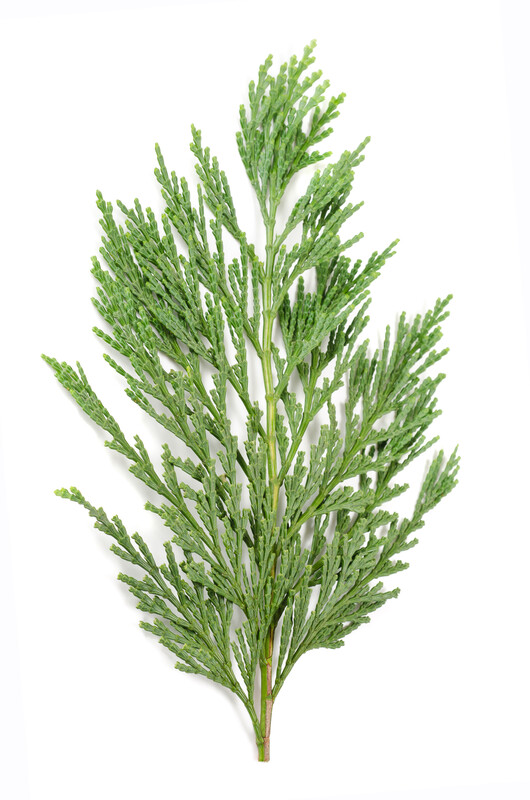
It started in forests older than most nations, where evergreen giants stood watch over hillsides bathed in sun and wind. The trees didn’t shout, they whispered—through the fragrance of resin, the rustle of boughs, and the cool clarity of air after rainfall. People lingered beneath their branches, not knowing the science, only the feeling. Something in that clean, woodsy scent seemed to quiet the noise inside.

For generations, these trees played a role in daily life. Their wood was used for ships and temples. Their twigs were burned in ceremonies to purify the air. Their leaves were crushed and steeped into homemade brews. The stories said it helped when lungs were heavy, joints were stiff, or minds were restless. Traditions were built around them, and yet no one quite knew why they worked—they just did.

Eventually, researchers caught up. Modern testing found that the oil from this tree’s branches and needles held antioxidant properties and antimicrobial potential, especially against certain strains of bacteria. Some studies observed relaxation effects from inhaling its vapors—measurable shifts in heart rate variability and parasympathetic response. Compounds like α-pinene, cedrol, and limonene began to appear regularly in scientific journals. The mystery, once kept by folklore, had begun to meet the microscope.

In distillation houses tucked within Mediterranean hills and temperate groves, harvesters continue to gather the leaves and twigs by hand. Timing still matters. So does patience. The chemistry of the oil depends not only on the soil and weather, but also on the shape of the still itself. In places where tradition meets precision, doTERRA has formed trusted partnerships that help preserve this careful process—supporting farmers, protecting forests, and ensuring that what reaches the bottle reflects the wisdom of both nature and nurture.

And in those groves, that story continues. It’s not mass production. It’s stewardship. It’s the art of distilling history one drop at a time. And now you know the rest of the story—the ancient tree whose oil helps clear the air, calm the breath, and sharpen the mind. You’ve likely smelled it in a diffuser or perhaps blended it with another oil, not realizing its roots trace back thousands of years. You may know the tree by its modern name: Cypress. Its story began in stillness. And even now, it continues to speak softly.
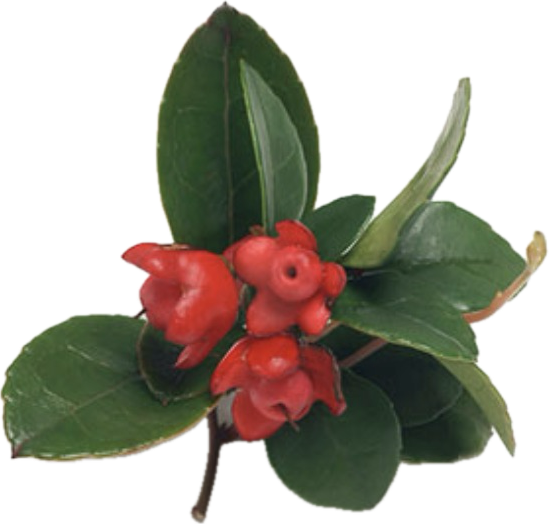
Wintergreen’s Kiss

In winter’s grasp, a fragrant green,
The wintergreen, so fresh and keen.
With scent divine and essence pure,
A treasure found in nature’s cure.

Inside its leaves, a secret lies,
Methyl salicylate it supplies.
This compound, known to soothe and mend,
In oils and creams, a healing friend.

A drop or two in soothing bath,
Transforms the water, calms the wrath.
Warm liquid silk, your skin embrace,
With wintergreen, find tranquil place.

For joints that ache and muscles sore,
This oil, a balm that we adore.
Combine with coconut’s soft touch,
A little goes, oh, so much.

In candies sweet, and gums that cheer,
Its flavor bright, a taste so clear.
In toothpaste too, a minty glow,
Wintergreen’s kiss, fresh breath bestow.

A soothing massage, a gentle glide,
With wintergreen by your side.
Its essence melts the stress away,
Bringing peace to end your day.

So, cherish well this gift from green,
The winter’s touch, a scent serene.
With every drop, let calm prevail,
In wintergreen, find your detail.

Root of the Holy Ghost and The Rest of the Story

In the realm of herbal lore, there exists a plant unlike any other, bearing a name untouched by alternative appellations. This botanical wonder intertwines with myth and history, tracing its lineage to a monk’s visionary encounter. Legends whisper of an angel’s apparition, imparting the secret of a plague remedy, forever christening the herb in celestial homage.

Once revered as the “Root of the Holy Ghost,” this enigmatic plant boasts a lineage steeped in potency. Thriving amidst the frosty landscapes of northern realms, its roots delve deep into tales of sustenance during times of scarcity, hailed as a lifeline by Icelandic dwellers in the face of famine.

Aligned with celestial rhythms, this herb blooms on the feast day of Archangel Michael, invoking beliefs in its divine protection against malevolence and maladies. From Paracelsus’ acclaim as a “marvelous medicine” to Gerard’s testament of its purifying prowess, its reputation as a panacea against pestilence resonates through history.

From the confectionary delights of candied creations to its essence distilled into a potent elixir, its multifaceted nature extends beyond the realm of mere sustenance. Throughout history, it has been hailed as a remedy for ailments ranging from flatulence to chronic respiratory afflictions, its essential oil offering solace for weary joints and restless spirits alike.

Echoes from antiquity resonate with its virtues, lauded as a salve for both physical and emotional maladies. From purifying the blood to grounding weary souls, its essence permeates through realms of healing and enlightenment.

Unveiled through the annals of time, this botanical marvel continues to weave its spell, offering solace and sanctuary to those in need. Its name, withheld until journey’s end, echoes with the resonance of divine grace — Angelica, the herb of angels, harbinger of healing and hope. Now you know the rest of the story.

White Fir-Did You Know?

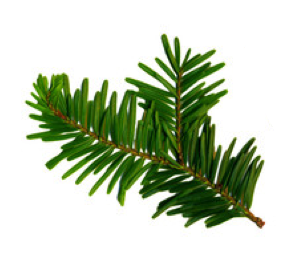
White FirDid you know the white fir is recognizable as the common Christmas tree? It has a distinct, crisp fragrance that is associated with a camp fire, or a roaring fire on a cold winters night. It has a very distinct smell associated with happy memories. As an essential oil it has a very comforting scent. White fir essential oil has quite a few other qualities that makes it a great addition to your medicine cabinet.

White Fir is the oil of generational healing. Patters and traditions are passed down from multiple generations of time. Some of these patterns are positive while others are negative and harmful. White fir aids in the process of successful possitive family patterns.

White Fir essential oil is most noted for soothing sore muscles and joints and supporting
clear breathing. Aromatically, White Fir evokes feelings of stability, energy, and empowerment. It can be stimulating to the mind while helping the body to relax. Apply to cold, achy muscles and joints during winter time. Diffuse or apply to chest to promote clear breathing. Add 1-2 drops to a hot bath to relax and breathe in White Fir’s cleansing aroma. Diffuse to reduce mental fatigue at work.

Cinnamon-Did You Know?

Cinnamon BarkDid you know cinnamon is the oil of sexual harmony and greatly supports the reproductive system and aids with sexual issues. It helps people to embrace their body, and accepting their physical attractiveness. Cinnamon encourages the growth of strong relationships based on mutual love, and respect.

Cinnamon, which is actually the dried bark of the laurel tree a large tropical evergreen tree can grow up to 45 feet tall. Cinnamon has been used for thousands of years. This powerful spice was used in Egypt, Rome, and China. Cinnamon is native to Sri Lanka. The “real” cinnamon of old comes from the Cinnamomum zeylanicum tree.

Historically, cinnamon is even mentioned in the Bible. Moses used it as an ingredient for his anointing oils. In ancient Rome, it was burned during funerals, as a way to remove some of the odor of dead bodies. The ancient Egyptians used it in embalming mummies because of its pleasant odors and its preservative qualities.

Extracted from bark, cinnamon oil contains strong cleansing and immune enhancing properties. Due to its high content of cinnamaldehyde, Cinnamon should be diluted with Fractionated Coconut Oil when applied to the skin and only one to two drops are needed for internal benefits.

Cinnamon is very purifying to the circulatory system and it helps promote circulation, both internally and when applied to the skin, helping to ease sore muscles and joints. Cinnamon helps maintain a healthy immune system, especially when seasonal threats are high. When diffused, Cinnamon promotes clear breathing while purifying the air. Cinnamon is frequently used in mouth rinses and gums for its oral health benefits. Cinnamon has a long history of culinary uses, adding spice to desserts, entrees, and hot drinks.