In 1 Kings 4:33, Solomon is described as speaking of trees “from the cedar tree that is in Lebanon even unto the hyssop that springeth out of the wall.” These two plants, though vastly different in size and stature, both carried deep meaning in the ancient world and are known for the essential oils they produce. Cedarwood oil, pressed from the towering cedars of Lebanon, was valued for its rich, grounding fragrance and its protective qualities, while hyssop oil, drawn from a small but resilient herb, was treasured for its cleansing and purifying properties.
Together, cedar and hyssop symbolize a divine balance—strength and purity. The mighty cedar represented stability and power, often used in temple construction, while hyssop was used in sacred rituals of purification. Essential oils drawn from these plants remind us that God provides for both body and spirit through His creation. From the lofty trees to the humble herbs, each carries unique blessings, reflecting His wisdom and care for all aspects of life.
Hebrews 9:19 refers to an important moment in the Old Testament when Moses sealed God’s covenant with the Israelites using a sacred ritual. According to the law, Moses read God’s commandments to the people and then purified both the book of the law and the people by sprinkling them with the blood of calves and goats, water, scarlet wool, and hyssop. This act symbolized purification, dedication, and the seriousness of following God’s law. Blood represented atonement for sin, water symbolized cleansing, and hyssop was an important plant used for purification in biblical times. This event foreshadowed the ultimate sacrifice of Jesus, whose blood would later bring a new and better covenant that cleanses people from sin permanently.
The mention of hyssop and scarlet wool is significant because hyssop is an essential oil-producing plant that was often used in purification rituals. In ancient times, people used hyssop oil for its cleansing and antibacterial properties, and it was also mentioned in the Passover story when the Israelites used it to spread lamb’s blood on their doorposts (Exodus 12:22). The scarlet wool could represent both the covering of sins with blood and the richness of God’s mercy. This verse highlights how essential oils and natural elements played a key role in spiritual and physical purification, showing that God’s laws were not just symbolic but also practical for health and holiness.
For us today, Hebrews 9:19 reminds us that true cleansing and renewal come through Christ’s sacrifice. Just as Moses used essential oils like hyssop and natural elements to purify the people, we can reflect on how God provides both physical and spiritual healing. While essential oils and natural remedies have their place in wellness, the ultimate purification comes through faith in Jesus, who replaced the old system of sacrifices with a lasting and perfect covenant. This verse encourages us to seek both physical and spiritual renewal, recognizing that Jesus is the fulfillment of God’s promises.
Psalm 51:7 states: “Purge me with hyssop, and I shall be clean: wash me, and I shall be whiter than snow.”
This verse comes from Psalm 51, a well-known psalm of repentance written by King David after his sin with Bathsheba was exposed by the prophet Nathan (2 Samuel 12). The verse is deeply symbolic and carries both spiritual and historical meaning.
Insights Behind the Verse
1. Hyssop as a Symbol of Purification
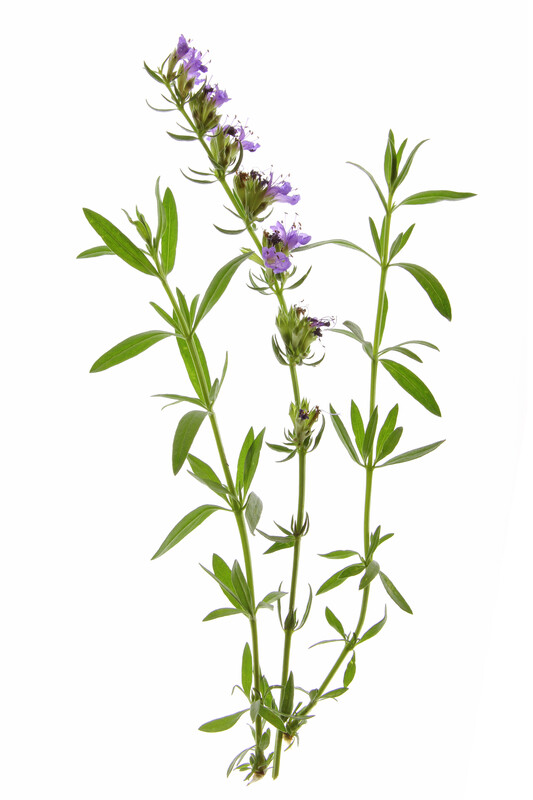
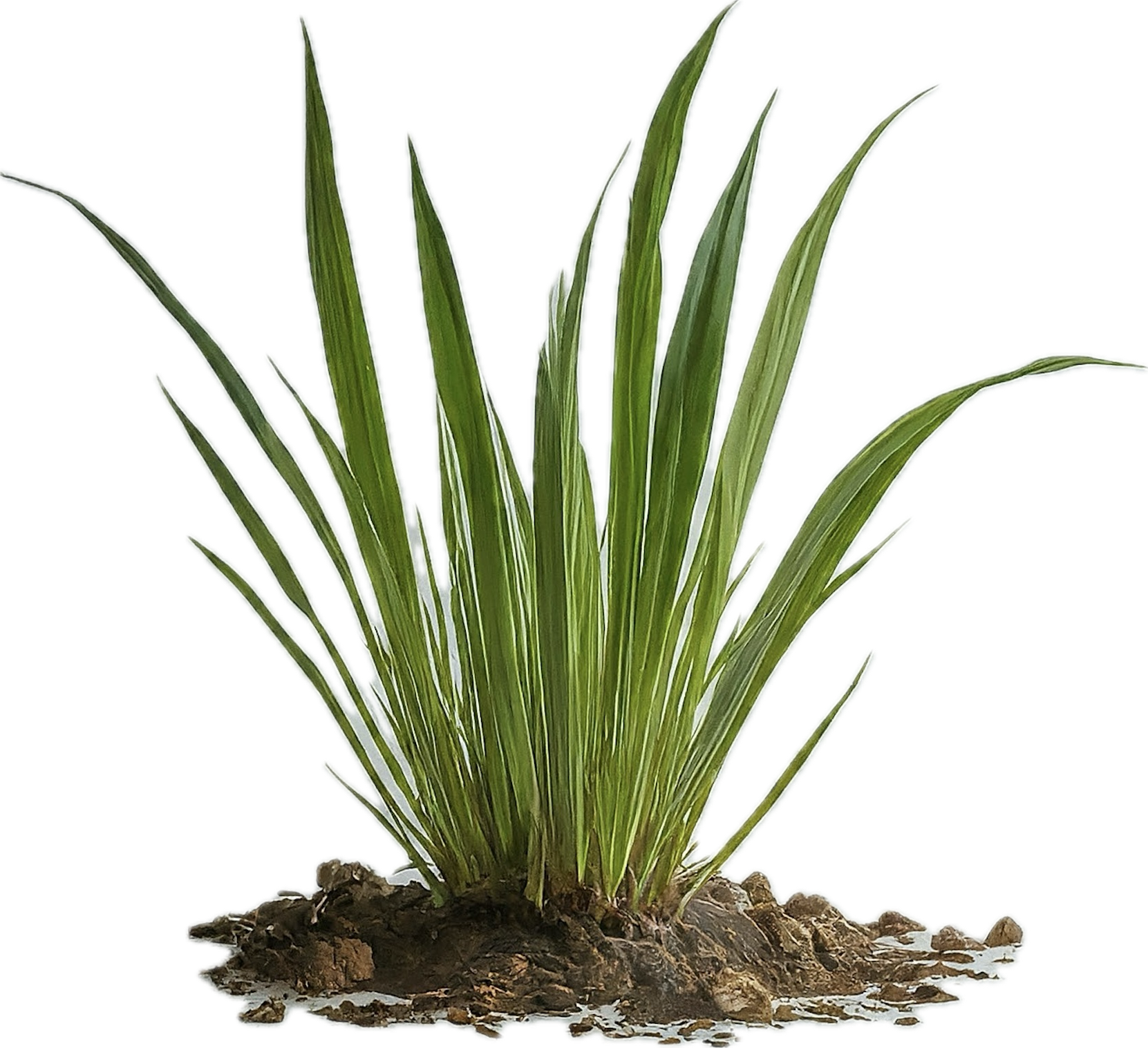
Hyssop is a small, fragrant herb mentioned multiple times in the Bible, often in relation to purification rituals:
In Exodus 12:22, the Israelites used hyssop to apply the blood of the Passover lamb to their doorposts.
In Leviticus 14:4-7, it was used in the cleansing ceremony for those healed from leprosy.
In Numbers 19:18, it was part of the purification process for those who had touched a dead body.
David’s request to be “purged with hyssop” suggests a desire for deep cleansing—not just outwardly, but inwardly. He is asking God to remove his sin and make him pure, just as hyssop was used in ceremonial cleansing.
2. Spiritual Cleansing and Forgiveness
The phrase “wash me, and I shall be whiter than snow” emphasizes the complete forgiveness and renewal that David longs for. Snow is naturally white, symbolizing purity, but David acknowledges that only God can cleanse him from sin to such an extent. This points to the spiritual transformation that takes place when God forgives and restores a person.
3. Foreshadowing of Christ’s Sacrifice
The use of hyssop also has a connection to Jesus’ crucifixion. In John 19:29, as Jesus was dying on the cross, a sponge soaked with sour wine was lifted to Him on a branch of hyssop. This moment ties the cleansing symbolism of hyssop to the ultimate sacrifice for sin—Jesus’ blood, which cleanses all who believe in Him.
Essential Oils and Hyssop in the Bible
Hyssop oil is known for its antiseptic and healing properties, and it was likely used in biblical times for its medicinal and aromatic qualities. Though the Bible does not explicitly mention essential oils, it does refer to anointing with oils for healing and consecration (James 5:14, Exodus 30:22-25). The reference to hyssop in Psalm 51:7 may also indicate its use in physical and spiritual purification practices.
Application Today
Spiritual Application: Just as David sought cleansing from sin, believers today can seek God’s forgiveness through repentance and faith in Christ.
Symbolic Use of Hyssop: Some use hyssop essential oil in prayer as a reminder of spiritual purification and renewal.
Personal Reflection: This verse invites self-examination, repentance, and reliance on God’s grace for true cleansing.
When using essential oils, it’s essential to understand that everyone’s sensitivity differs. What feels “hot” to one person may not feel the same to another. A “hot” oil refers to an essential oil that may cause a warming or burning sensation on the skin, feel spicy if consumed, or cause discomfort if it comes into contact with sensitive areas like the eyes. To avoid irritation, always dilute “hot” oils with a carrier oil, typically in an 8:2 ratio (8 parts carrier oil to 2 parts essential oil).
Exercise caution when using “hot” oils such as Cassia, Cinnamon Bark, Clove, Hyssop, Lemongrass, Ocotea, Oregano, and Thyme. Proper dilution is crucial to ensure safety and comfort during use. Additionally, be mindful when applying essential oils to sensitive areas or ingesting them, as undiluted use can lead to discomfort or irritation. Always follow recommended guidelines and test oils on a small patch of skin to check for reactions before broader application.
Here are 12 of the most revered oils of the Bible and their historic uses…
1. Frankincense
Frankincense is the king of the oils. It was used as a primary component of the holy incense, a medicine and a currency — and of course, it was a gift from the wise men to baby Jesus. In fact, at the time of Jesus’ birth, both frankincense and myrrh may have been worth more than their weight in the third gift: gold.
2. Myrrh
Quoted in Scripture 156 times, uses of myrrh oil in the Bible included use as an ointment, an incense, an embalming ingredient and as a skin beauty treatment by Queen Esther in Esther 2:12. By far, myrrh’s most common usage in the Bible is as a part of holy anointing oil.
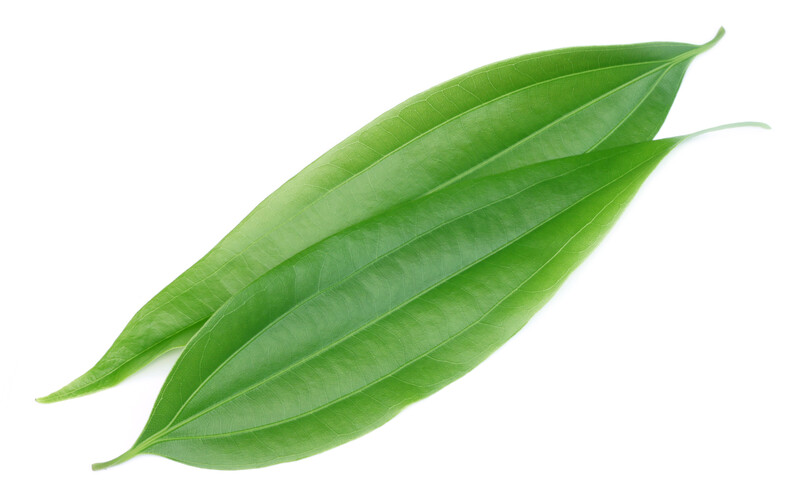
3. Cinnamon
Like myrrh, cinnamon oil was a chief ingredient in holy anointing oil and used to cleanse the air, kill mold and act as a natural medicine. In Proverbs 7:17, Solomon uses this aromatic oil in the bedroom and as a natural perfume or cologne.
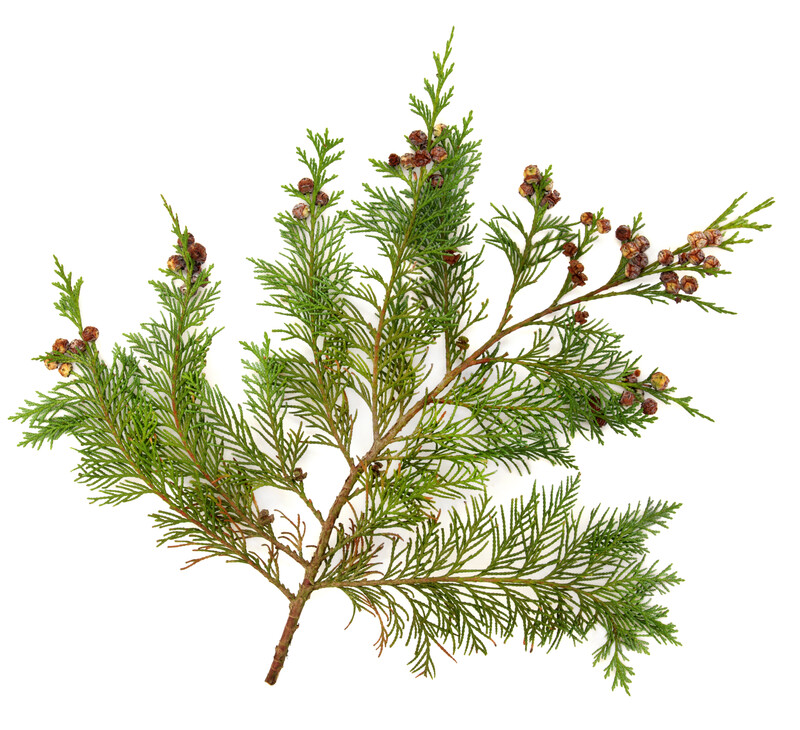
4. Cedarwood
King Solomon used cedarwood in building God’s temple and Jesus was crucified on a cross made of cedarwood or cypress. It was thought to bring wisdom, was used for ritual cleansing and served as medicine in treating skin conditions and leprosy.
5. Spikenard
In Biblical times, “nard” was not only a very expensive perfume but also a precious ointment that was used as medicine. Interestingly, the “spikenard” used in the Bible may have in fact been lavender oil. In John 12:3, the Bible tells how spikenard was used to anoint Jesus just days before His death and resurrection.
6. Hyssop
In the Old Testament, God commanded His people to use hyssop in the ceremonial cleansing of people and houses. Hyssop appears at Jesus’ crucifixion, when the Roman soldiers offered Jesus a drink of wine vinegar on a sponge at the end of a stalk of hyssop.
7. Cassia
An herb very similar to cinnamon, cassia oil is the fourth ingredient listed in the holy anointing oil detailed in Exodus 30:24. It may have been brought out of Egypt when the Israelites fled Pharaoh and was commonly used with myrrh and aloes to scent garments.
8. Sandalwood (Aloes)
In Scripture, sandalwood is referred to as “aloes” and is called one of the oils of joy and gladness along with frankincense, myrrh and cedarwood. Nicodemus and Joseph of Arimathea brought sandalwood (aloes) and myrrh to bury Jesus, and in today’s market, the amount of oils used would be worth an estimated $200,000.
9. Cypress
Cypress is celebrated in Scripture as a symbol of strength, security and prosperity. The Bible mentions cypress as the choice wood for building, trading and even weaponry. In Genesis 6:14, God commanded Noah to “make yourself an ark of gopher wood,” which in modern English is in fact “cypress.”
10. Galbanum
Galbanum is a main ingredient of the holy incense used in the heart of the temple in Exodus 30:34. Interestingly, although galbanum itself has a somewhat foul odor, when burned with other sweet smelling oils in holy incense, it has the most beautiful scent and was thought to balance the emotions.
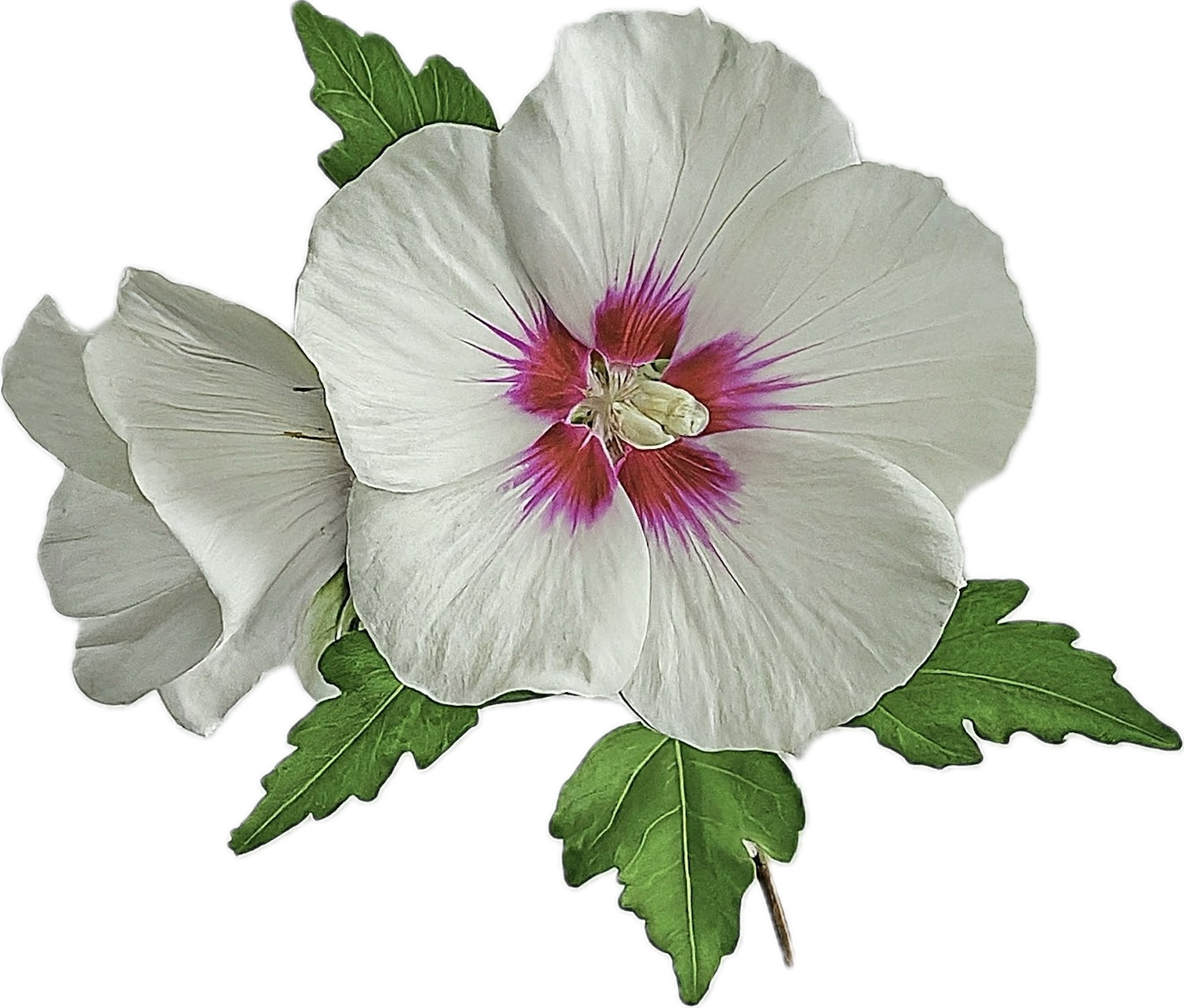
11. Rose of Sharon
Mentioned in the Song of Solomon, the rose of Sharon is not really a “rose” but instead similar to the hibiscus or tulip (which is also called cistus). Some Bible expositors see the rose of Sharon as Christ and the lily as the church, His bride.
12. Calamus
Also known as “sweet cane,” calamus is an ancient herb that is perhaps what we now know as lemongrass. In Biblical times, calamus was used in perfumes, incense and as an ingredient in the special holy anointing oil used by the priests in the temple.
Did you know that Hyssop essential oil is more than just an oil? It’s a key to unlocking one’s sense of identity. In the journey of self-discovery, we all encounter emotional pain that sometimes lingers, making it difficult to envision life without its weight. Enter Hyssop – a beacon of light and hope that guides individuals towards new levels of self-awareness and authenticity. If you seek to know your true self, Hyssop is a precious gift that awaits.
The name “hyssop” carries echoes of its sacred significance, as it can be traced back through time, its essence nearly unaltered. In both Greek and Hebrew, it embodies the concept of the ‘holy herb.’ While it’s uncertain whether Hyssopus officinalis is the same plant mentioned in ancient texts, its historical role as a symbol of purity remains clear. Churches turned to hyssop for ritual cleansing, while monastery gardens cradled its growth, and artistic depictions used it as a humble emblem.
But Hyssop’s impact transcends history. Modern studies have unveiled a wealth of benefits within its oil. Feelings of alertness flourish, fatigue and anxiety retreat, and a newfound vitality emerges. Beyond the mental realm, Hyssop’s essence lends support against viruses and respiratory woes. From colds to sore throats, from bronchitis to asthma, its versatile strength lends comfort. Digestive struggles and bloating? Hyssop steps in to ease, while also regulating circulation and taming blood pressure.
And for women, its nurturing embrace extends to the realm of menstruation, aiding in the prevention of water retention. Hyssop becomes a guardian of well-being, a companion on the path to harmony. In the tapestry of essential oils, Hyssop weaves a story of self-discovery, courage, and holistic vitality – a story waiting to be explored by those who yearn to know their true essence.







 Len's Oils