Tag Archives: Eucalyptus

How to Use Essential Oils: Eucalyptus

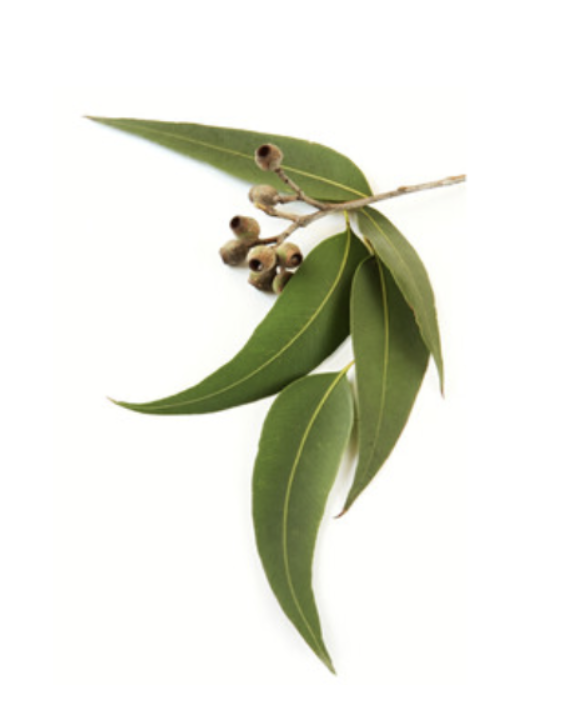
Eucalyptus essential oil, distilled from the leaves of the Eucalyptus globulus tree, is well known for its crisp, camphorous aroma that feels clean, cooling, and invigorating. Native to Australia, the eucalyptus tree has long been valued by Aboriginal peoples for its many uses, including traditional remedies and practical applications. In essential oil form, eucalyptus is commonly diffused to help open the airways, refresh the senses, and create an atmosphere that feels clear and revitalized.

Beyond its respiratory support, eucalyptus essential oil is widely used for its cleansing and purifying qualities. A few drops can be added to household sprays or surface cleaners to help freshen and deodorize, or combined with lemon and peppermint for a bright, energizing diffuser blend. In personal care, eucalyptus oil is often added to massage blends or bath products for its cooling, soothing sensation on the skin when properly diluted. Its sharp, refreshing scent also makes it a popular addition to natural chest rubs and seasonal wellness routines.

Did You Know? The eucalyptus tree is sometimes called the “fever tree” because of its historical use in reducing fevers and purifying the air. During the 19th century, eucalyptus groves were planted in swampy regions of Europe to help control mosquito populations and reduce malaria. Today, eucalyptus is still a symbol of renewal and vitality, and its essential oil continues to be one of the most widely recognized for promoting clear breathing and a fresh, clean environment.
Mist and Memory and The Rest of the Story

It began in a place where sunlight dances through the haze and the ground steams after the rain. Where the scent in the air is so clean, so crisp, you’d swear it could sweep the dust from your thoughts. Travelers in the southern hemisphere once followed that aroma through dense groves, not knowing its name—only that breathing felt easier, and the world a little clearer, beneath those tall blue-tinged trees.

For generations, the people who lived among them knew what the trees could do. They gathered the long, narrow leaves and hung them in doorways and corners of the home. When someone caught a chill, they boiled them into strong-smelling teas. If a head felt heavy, they’d crush the leaves and breathe in deeply. They never took credit. They just called it wisdom passed down—and they respected what the trees gave them.

When colonists and settlers arrived, they too noticed the power in the air. Soldiers tucked leaves into their packs. Homesteaders burned branches over smoky fires. Doctors began to carry little bottles filled with strong, clear oil—used for cleaning, cooling, or clearing the head. It became known as “fever tree” in some parts, though no one could quite agree on what it cured. They only knew they felt better when it was nearby.

Over time, the oil was drawn more carefully. The leaves were distilled with steam, and the vapor captured in bottles. It had a cooling effect, a camphor-like strength that reminded people of crisp mornings and clean linen. While scientists would eventually study its compounds and its properties, most people didn’t wait for the footnotes. They added a few drops to hot water, rubbed it into tired muscles, or let it drift through a room like a fresh breeze after rain.

To this day, the practice remains. Harvesters still rise early, walking among tall, slender trunks with shears in hand, gathering leaves warmed by the sun. The scent is unmistakable even before the oil is extracted. In places like Australia, parts of Africa, and beyond, this tradition has become an industry—one that doTERRA now supports through responsible sourcing and long-term relationships with local growers. The oil is still crafted with care, bottle by bottle, so it reaches homes around the world as pure as it began.

That tall tree with silvery bark and narrow blue-green leaves? It has eased breathing, cleared minds, and freshened homes for centuries. Its name wasn’t always known, but its gifts were felt long before they were labeled. It was first discovered by native people, later admired by explorers, and eventually carried across oceans in little brown bottles. This tree is Eucalyptus. Now you know the rest of the story.

How to Use Essential Oils: Douglas Fir

Douglas Fir essential oil, distilled from the needles and branches of the towering Pseudotsuga menziesii tree, has a clean, fresh, and slightly lemony pine aroma. Native to North America, Douglas firs are iconic evergreens that can grow over 300 feet tall and live for centuries. In essential oil form, its bright, woodsy fragrance is often used to purify the air, uplift the mood, and bring the refreshing scent of the forest indoors. Diffused, it creates an environment that feels open, crisp, and revitalizing.

Beyond its invigorating scent, Douglas Fir essential oil is valued for its ability to promote clear breathing and emotional balance. It blends well with citrus oils like lemon or bergamot for an energizing aroma, or with grounding oils such as cedarwood to create a calming, forest-like experience. Many people also enjoy using it in natural cleaning sprays or massage blends for its fresh, cleansing qualities. Its combination of brightness and grounding notes makes it one of the most versatile conifer oils in aromatherapy.

Did You Know? The Douglas fir is not a true fir at all—it belongs to its own genus, Pseudotsuga. Despite this, it is one of the most important timber trees in North America, prized for its strength and resilience. Some Douglas firs are believed to be over 1,000 years old, and their massive trunks and towering height have made them symbols of endurance and vitality. Today, Douglas firs are also a favorite choice for Christmas trees because of their soft needles and uplifting scent.

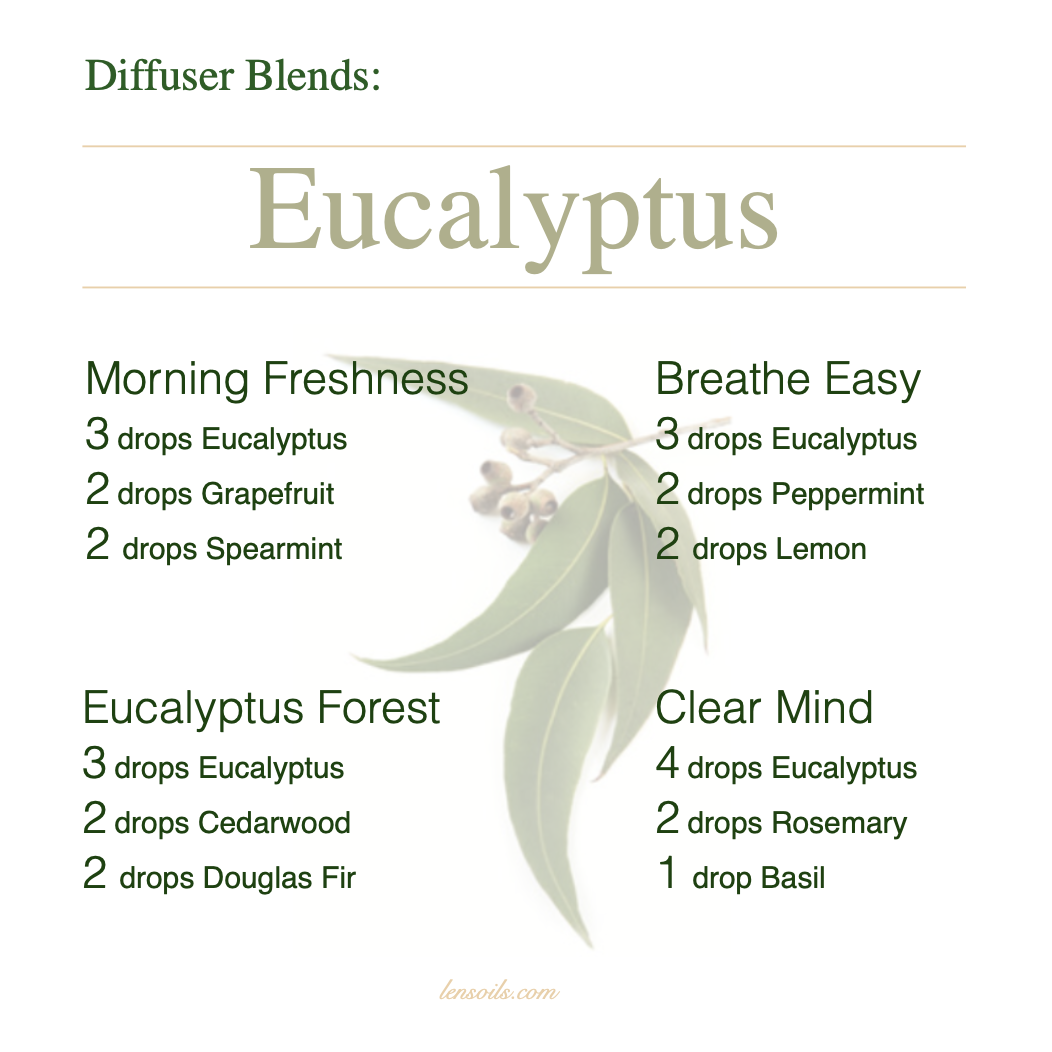
Essential Oil Diffuser Blends: Eucalyptus

Eucalyptus diffuser blends are known for their crisp, invigorating aroma that clears the mind and refreshes the air. Often described as sharp and cooling, eucalyptus pairs well with peppermint or rosemary to support focus and mental clarity. Blended with citrus oils like lemon or grapefruit, it brightens the room and boosts energy. Many find its scent especially helpful during seasonal changes, creating a clean and open environment.

When combined with calming oils such as lavender or frankincense, eucalyptus takes on a more soothing character that eases tension and supports deep breathing. Its refreshing qualities can make any space feel like a breath of fresh air, encouraging both relaxation and vitality. Whether used for focus, energy, or comfort, eucalyptus blends bring balance by lifting the mood while keeping the atmosphere cool and clear.

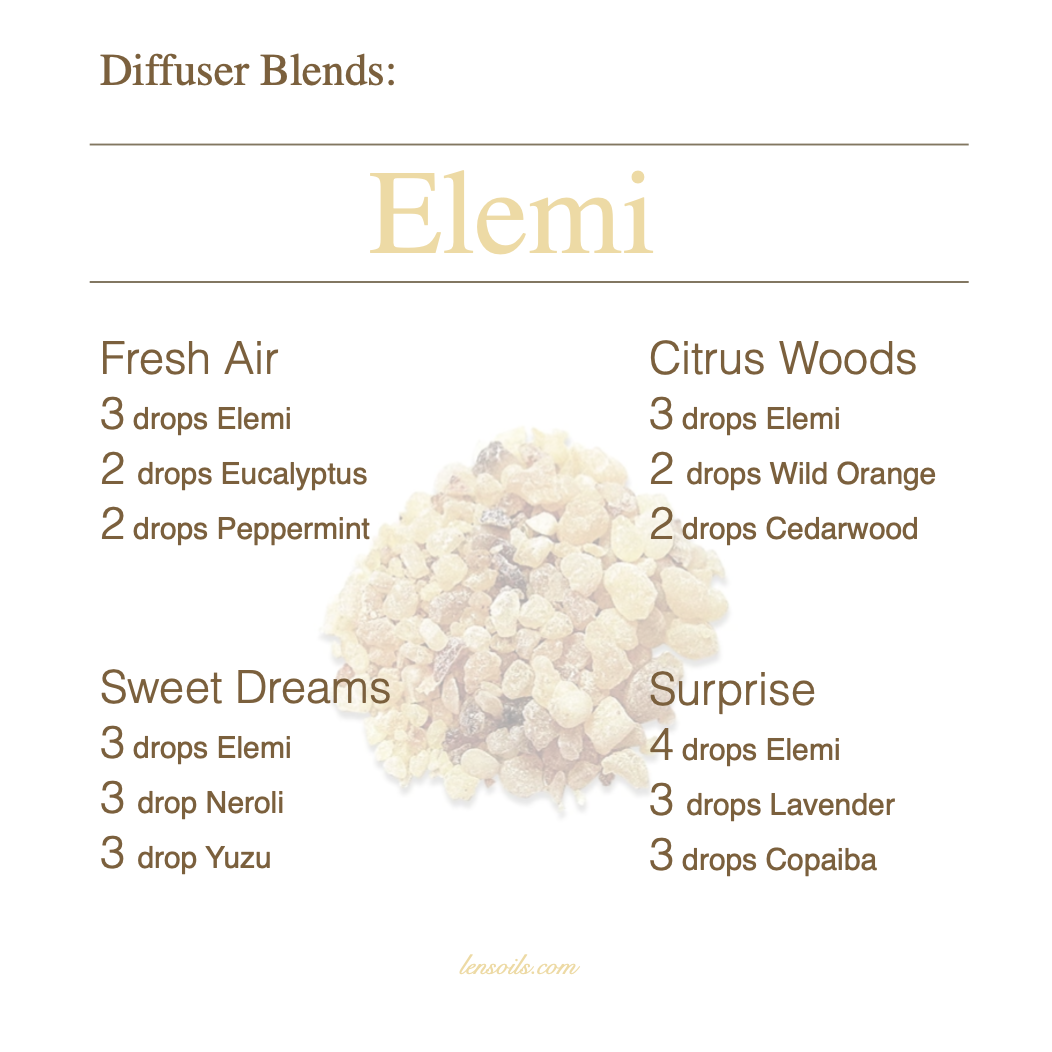
Essential Oil Diffuser Blends: Elemi

Elemi essential oil, with its fresh, citrusy, and slightly spicy aroma, is a hidden gem for creating versatile and uplifting diffuser blends. Its bright and resinous scent pairs beautifully with citrus oils like Lemon, Bergamot, and Sweet Orange for a cheerful and energizing atmosphere. Elemi also blends harmoniously with woodsy oils like Cedarwood, Sandalwood, and Frankincense, adding depth and warmth for a grounding effect. For a soothing and calming experience, pair Elemi with floral oils such as Lavender, Geranium, or Ylang Ylang. It works well with spicy oils like Ginger or Clove to create a cozy and invigorating blend, while its resinous quality complements herbal oils like Rosemary or Tea Tree for a fresh and cleansing scent. Whether you’re looking for balance, clarity, or an uplifting mood, Elemi’s versatility and unique aroma make it a standout choice for diffuser recipes.

How to Use Essential Oils: Energy Boost

Essential oils can be a natural way to boost energy and increase alertness throughout the day. One of the best ways to start your morning is by adding a few drops of peppermint or eucalyptus oil to the shower floor. As the steam rises, it carries the invigorating aroma of the oils, helping to wake up the senses and provide a refreshing start to the day. This method is especially useful for those who struggle with grogginess in the morning or need an extra push to feel energized.

For a portable energy boost, creating a DIY roll-on blend can be an effective solution. Mixing wild orange, peppermint, and lemon essential oils with a carrier oil in a roller bottle makes it easy to apply to pulse points such as the wrists, neck, or temples. This blend provides an uplifting and revitalizing scent that can be used throughout the day. Another quick method to regain energy is inhalation—simply rub peppermint oil in the palms, cup hands over the nose, and take deep breaths. This technique is particularly useful for afternoon slumps, helping to increase focus and refresh the mind.

Another lesser-known but effective method for boosting energy is using essential oils with a cold compress. Soaking a washcloth in cold water infused with peppermint or rosemary oil, then wringing it out and applying it to the back of the neck, provides a refreshing and cooling effect. This technique can help reduce fatigue, regulate body temperature on hot days, and provide instant invigoration. Incorporating these methods into a daily routine can naturally enhance energy levels and improve overall well-being.

Essential Oil Diffuser Blends: Douglas Fir

Douglas Fir essential oil, with its fresh, clean, and slightly sweet evergreen scent, is a fantastic choice for creating diffuser blends that evoke the outdoors and bring a sense of calm and clarity. This versatile oil pairs beautifully with citrus oils like Lemon, Grapefruit, and Bergamot, adding a bright and uplifting note to its woodsy aroma. For a grounding and earthy vibe, blend Douglas Fir with Cedarwood, Sandalwood, or Vetiver. It also complements other tree oils like Siberian Fir, Black Spruce, and Cypress for a rich, forest-inspired aroma. To create a refreshing and invigorating blend, try pairing it with Peppermint or Eucalyptus. Douglas Fir’s versatility also extends to blending with warm spices like Clove or Cinnamon for a cozy, wintery feel. Whether you’re seeking a grounding, energizing, or soothing experience, Douglas Fir brings a crisp and natural element to any diffuser recipe.

How to Use Essential Oils: Jet Lag

Jet lag occurs when your body’s internal clock is disrupted due to rapid changes in daylight and nighttime while traveling across time zones. To help your body adjust, use invigorating essential oils like peppermint and eucalyptus in the morning to promote alertness. At night, calming oils such as lavender and geranium can encourage relaxation and restful sleep. This approach helps ease the transition between different time zones.

To apply, mix 2-3 drops of your chosen essential oil with 1 tablespoon of fractionated coconut oil. Massage this blend onto your back, legs, shoulders, and feet to experience its benefits. This practice can be especially helpful during long flights or upon arrival in a new destination, making your journey more comfortable and rejuvenating.

How to Use Essential Oils: Bee & Wasp Stings

Essential oils can provide soothing relief for stings and help reduce discomfort when used correctly. Here’s how you can incorporate them into your care routine:


1. Apply Lavender or Tea Tree Oil Neat

Out of all essential oils, lavender and tea tree can be safely applied directly to the skin (neat). Simply place a drop of either oil on the sting area to help reduce swelling and soothe irritation.


2. Create a Venom-Absorbing Clay Mask

For a deeper detox, use a homemade clay mask to absorb toxins from the sting area. Here’s what you’ll need:

  • 2 tsp bentonite clay
  • 1 tsp activated charcoal powder
  • 2 drops lavender essential oil
  • 2 drops rosemary essential oil

How to use it:

  • Mix the ingredients with enough water to make a thick paste.
  • Apply the paste to the sting area.
  • Allow it to dry for 15 minutes.
  • Rinse off thoroughly with warm water.

This mask not only draws out toxins but also soothes the skin.


3. Explore the 9 Best Essential Oils for Stings

These oils can be used individually or blended for their calming, antiseptic, and soothing properties:

  • Roman Chamomile: Calms inflammation and soothes irritation.
  • Eucalyptus: Reduces swelling and provides cooling relief.
  • Lavender: Known for its soothing and healing properties.
  • Melissa: Helps reduce redness and irritation.
  • Peppermint: Provides a cooling sensation for immediate comfort.
  • Rosemary: Assists with circulation and detoxification.
  • Tea Tree: Offers antiseptic and anti-inflammatory benefits.
  • Thyme: Helps prevent infection.
  • Vetiver: Soothes the skin and calms irritation.

By using essential oils thoughtfully and safely, you can turn a sting into a moment of care and healing. Learn more about essential oils at lensoils.com.