Tag Archives: Essential Oil

Fennel-Did You Know?

Fennel
Did you know fennel essential oil is the oil of responsibility? Fennel supports the person who has a lack of self esteem. This person may feel overwhelmed with life and all the things they are accountable for, having little to zero desire to improve their situation. Fennel is especially important by supporting people to listen and reconnect to the natural messages of the body, where there has been a loss of connection due to emotional eating, severe dieting and even drug abuse.

Fennel can grow up to six feet in height and has delicate, feathery leaves. Most fennel originated in India, Egypt and China. It also dates back to Pliny the Roman author of Naturalis Historie written between 23-79 AD. He used fennel for 22 different ailments. Roman warriors were said to have consumed Fennel to make them strong and ready for battle.

We know King Edward I of England consumed large amounts of fennel because his account book listed a purchase of 8½ pounds. This seed was a one month supply. In the 1300s fennel was used as a condiment and an appetite suppressant. During medieval times, people thought evil spirits could freely move around as the sun moved south. It was thought when fennel was hung over doorways you were protected from the spirits. Fennel seeds inserted into keyholes were thought to protect homes from ghosts especially in the summer.

Fennel is best known for its distinct licorice aroma and taste, yet its ability to ease digestive troubles, and monthly menstrual cycles are equally noteworthy. Fennel can be added to tea to calm the digestive system, as well as the mind and emotions. Fennel can be very soothing when applied to the abdomen during monthly menstrual cycles, and those same properties can lessen the discomfort associated with minor skin irritations. Fennel is also known to support a healthy lymphatic system.

Cinnamon-Did You Know?

Cinnamon Bark
Did you know Cinnamon is the oil of sexual harmony and greatly supports the reproductive system and aids with sexual issues? It helps people to embrace their body, and accepting their physical attractiveness. Cinnamon encourages the growth of strong relationships based on mutual love, and respect.

Cinnamon, which is actually the dried bark of the laurel tree a large tropical evergreen tree can grow up to 45 feet tall. Cinnamon has been used for thousands of years. This powerful spice was used in Egypt, Rome, and China. Cinnamon is native to Sri Lanka. The “real” cinnamon of old comes from the Cinnamomum zeylanicum tree.

Historically, cinnamon is even mentioned in the Bible. Moses used it as an ingredient for his anointing oils. In ancient Rome, it was burned during funerals, as a way to remove some of the odor of dead bodies. The ancient Egyptians used it in embalming mummies because of its pleasant odors and its preservative qualities.

Extracted from bark, cinnamon oil contains strong cleansing and immune enhancing properties. Due to its high content of cinnamaldehyde, Cinnamon should be diluted with Fractionated Coconut Oil when applied to the skin and only one to two drops are needed for internal benefits.

Cinnamon is very purifying to the circulatory system and it helps promote circulation, both internally and when applied to the skin, helping to ease sore muscles and joints. Cinnamon helps maintain a healthy immune system, especially when seasonal threats are high. When diffused, Cinnamon promotes clear breathing while purifying the air. Cinnamon is frequently used in mouth rinses and gums for its oral health benefits. Cinnamon has a long history of culinary uses, adding spice to desserts, entrees, and hot drinks.

Cedarwood-Did You Know?

Cedarwood
Did you know cedarwood is the oil of community bringing people together who struggle to form bonds within social groups? Cedarwood supports people in seeing that they are not alone. It invites people to both give and receive and experience the joy of relationships.

Cedarwood Juniperus Virginiana is an important ornamental and timber tree of eastern North America whose fragrant wood is made into cabinets, fence posts, and pencils. Juniperus Virginiana is a dense slow-growing coniferous evergreen tree that may never become more than a bush on poor soil, but can grow up to 100 ft tall, The oldest tree reported, from Missouri, was 795 years old.

Cedarwood is used by Native American Indians to treat respiratory infections, rheumatism, arthritis, skin rashes, kidney infections and used as an insect repellent. Known for its rich hue and warm, woody scent, Cedarwood essential oil provides a myriad of health benefits that date back to biblical times.

Cedarwood is native to cold climates, thriving in high altitudes. Reminiscent of its size and strength, Cedarwood has a grounding aroma that evokes feelings of wellness and vitality. Additionally, Cedarwood is frequently used in massage therapy to relax and soothe the mind and body.

Myrrh-Did You Know?

MyrrhDid you know Myrrh essential oil is the oil of mother earth? This oil nurtures the soul’s relationship with it’s maternal mother and with the earth. This oil also supports people who have a breakdown of their peaceful connection with the mother-child bond. When this bond has been broken apart, the soul may loose its childlike ability to trust.

Myrrh is nature’s miracle herb. It was one of the three gifts given to Jesus by wise men at His birth. Referenced in the Bible as the Balm of Gilead, Myrrh has been used throughout history as a perfume, incense, and medicine. It was also employed in embalming and religious ceremonies. The name Myrrh is derived from the Arab word ‘morr’ which means ‘bitter’.

Myrrh, botanically, is an aromatic gum resin, an oleoresin to be specific. Oleoresin happens to be a natural blend of a resin and an essential oil. It is obtained from thorny trees of the ‘Commiphora’ genus when a wound in the tree trunk causes it to secrete a resin. The resin has a waxy texture and once harvested, it becomes glossy and hard. The trees are native to regions of Somalia and Ethiopia.

Ancient records show that Myrrh was deemed so valuable that at times it was valued at its weight in gold. Myrrh essential oil is derived from the gummy resin of the small, thorny Myrrh tree and has been used for centuries for its internal and external health benefits. Myrrh has powerful cleansing properties, especially for the mouth and throat. It is also soothing to the skin—promoting a smooth, youthful looking complexion—and promotes emotional balance and well-being.

Cilantro-Did You Know?

Coriander:cilantroDid you know Cilantro essential oil is the oil of Releasing Control? Cilantro makes the detoxification of emotions and debris. It is helpful in lightening your load through the release of issues buried in the body, heart and soul. Those in need of cilantro may attempt to obsessively control other people or manage their surrounding and conditions.

It is a mystery as to where Cilantro originated, but it is thought by many to be from the Mediterranean region of Europe. No one knows exactly, but it appears that cilantro has been used for at least 5000 years. The seeds, also known as coriander, have even been found in ancient Egyptian tombs. Perhaps this was because the coriander seeds were thought by the ancient herbalists to be an aphrodisiac.

The therapeutic and culinary uses of Cilantro have been documented for centuries. Cilantro contains antioxidants known to protect the body’s cells from oxidative stress. Cilantro promotes healthy digestion and acts as a powerful cleanser and detoxifier for the body’s systems. Applied topically, Cilantro is very soothing and cooling to the skin, and it adds a fresh, herbal aroma to any essential oil blend when diffused.

There is also a large amount of literature speculating that cilantro may be an effective chellation therapy for people who have excess mercury in their systems. Some think that mercury poisoning could be the result of metallic teeth fillings. Every time a person with fillings chews, the fillings release minute amounts of mercury gas that may be breathed into the system. Of course, this is all speculative and disputed. Nevertheless, many people who have suffered from mercury poisoning and the “brain cloud” it causes have reported fairly rapid relief by the consistent consumption of cilantro over a period of just a few weeks.

Cilantro’s culinary uses are endless, adding a flavorful twist to meats, salads, dips, and guacamole. A small amount goes a long way, sometimes a drop is too much and overpowering. Just dipping a toothpick into an essential oil bottle, then using the toothpick for stirring is sufficient.

Sandalwood-Did You Know?

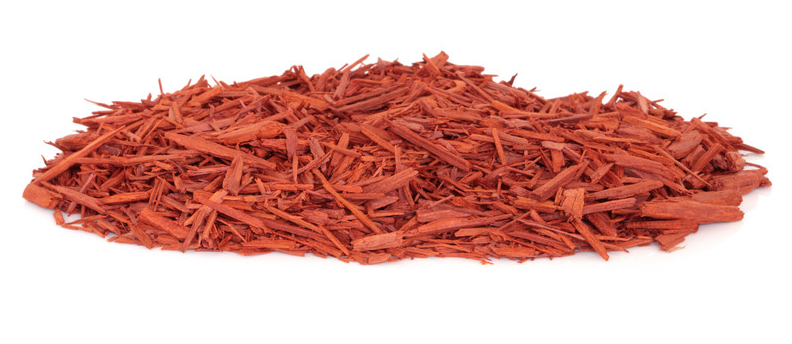
SandalwoodDid you know sandalwood is the  oil of sacred devotion? It helps with all kinds of spiritual worship including prayer, and meditation. It teaches reverence and respect for God. Sandalwood has been used since ancient times. More than 4,000 years ago, it was used to calm the mind, still the heart, and prepare the spirit to commune with Deity. In India, it’s been valued for at least 2,000 years as one of the most sacred trees, and an important part of devotional rituals.

Sandalwood is a tree with a extremely aromatic wood. It is economically and culturally important to many countries around the Pacific and Eastern Indian Ocean regions where it grows or is traded. The wood is used for making furniture, ornaments, sacred objects, carvings, and joss sticks (incense). The essential oil is used in medicine, perfume, and aromatherapy.

The tree is medium sized 12-15 meters tall. The tree reaches its full maturity in 60 to 80 years, which is when the center of the slender trunk (the heart wood) has achieved its greatest oil content. Both the heartwood and roots are fragrant and contain the oil; the bark and sapwood, however, are odorless. The Sandalwood tree is never cut down, but uprooted during the rainy season, when it is richer in precious essential oils.

Essential oils may have also been used in Indian medicine, but were popularized in the west by the perfume industry, and so became applied medicinally in the western world after the 1920’s by French aromatherapists. Sandalwood is very beneficial to the skin; it can help reduce the appearance of scars and blemishes and it promotes a healthy, smooth complexion.

Thyme-Did You Know?

Thyme
Did you know thyme was also associated with courage, bravery and strength in ancient times? For thousands of years, thyme has been a big part of the herb garden, used as an antidote for poison, a plague preventative, a symbol of bravery in battle, and a reliable companion to the grave. Thyme has a far more interesting past than you’d think if you were walking past it in the grocery store today.

Thyme’s reputation as a healer and protector goes back many centuries. Thyme was also associated with bravery, courage, and strength in ancient times. Roman soldiers exchanged sprigs of thyme as a sign of respect. Greeks and Romans burned bundles of thyme to purify their temples and homes, and to recall a spirit of courage in those who inhaled it.

When cooking with thyme, use 1-2 drops in meat and entrée dishes to add a fresh herbal flavor. When using topically, dilute with fractionated coconut oil. Then apply to targeted areas on the skin to purify and promote healthy skin. Add 2 drops to veggie capsules and take internally during winter time to promote immunity.

White Fir-Did You Know?

White Fir
Did you know the white fir is recognizable as the common Christmas tree? It has a distinct, crisp fragrance that is associated with a camp fire, or a roaring fire on a cold winters night. It has a very distinct smell associated with happy memories. As an essential oil it has a very comforting scent. White fir essential oil has quite a few other qualities that makes it a great addition to your medicine cabinet.

White Fir essential oil is most noted for soothing sore muscles and joints and supporting
clear breathing. Aromatically, White Fir evokes feelings of stability, energy, and empowerment. It can be stimulating to the mind while helping the body to relax. Apply to cold, achy muscles and joints during winter time. Diffuse or apply to chest to promote clear breathing. Add 1-2 drops to a hot bath to relax and breathe in White Fir’s cleansing aroma. Diffuse to reduce mental fatigue at work.

Wild Orange-Did You Know?

Orange Fruit
Did you know the orange is one of today’s most popular fruits? Originally oranges earned fame anciently to help control scurvy, one of the most devastating diseases of the time. The orange followed trade routes around the world, planted in areas where conditions allowed by sailors who knew its medicinal importance.

Oranges probably originated in South Asia-possibly in Southern China, Vietnam or the northern reaches of the Indian subcontinent. Indian records mentioned wild oranges as ingredients in recipes. The use of oranges in Indian cooking and medicine dates back at least 7,000 years. By 1000 A.D., farmers in China established orange orchards and competed to produce much better varieties of this delightful fruit.

Wild orange essential oil can be used in an all-purpose spray to cleanse and purify surfaces. Add a drop to your water every day for a burst of flavor and to promote overall health. Diffuse to uplift mood and energy levels and to freshen the air. Energize the mind and body. Dispense one to two drops in the palm of your hand along with equal parts Peppermint and Frankincense. Rub palms together and inhale deeply from palms, then rub on the back of neck.

Patchouli-Did You Know?

patchouliDid you know Patchouli is the oil of physicality? It supports people in becoming fully present in their physical body. Patchouli gives praise to Yoga, Tai Chi, Reiki, or other exercises that direct the connection of spirit with the body. Patchouli helps us appreciate the greatness of the physical body, and all of its natural designs, and functions.

Patchouli is a member of the mint family. Patchouli is a fragrant plant from South Asia that has a very pleasant and memorable scent. Tradesmen and merchants would often take long trips between India and England by coach in the 1800s. Leaves from the patchouli plant were always included to protect merchandise from moth damage and leaving clothing with the familiar scent letting the buyer know the items being purchased were of the highest quality from Asia.

The Indians that lived centuries ago said the oil improved their mental sharpness and removed that sluggish feeling that can slow the body down later in the day before dinner. Researchers now know the unusual and strong fragrance of the oil helps patchouli produce a balancing effect on the emotions.

Combine patchouli with peppermint and apply to the forehead, temples, or back of the neck to help with headache symptoms. Apply one to two drops to help reduce the appearance of wrinkles, scars, or problem skin areas, or add to your favorite moisturizer. Combine with vetiver, and apply to the bottoms of feet to help calm emotions.