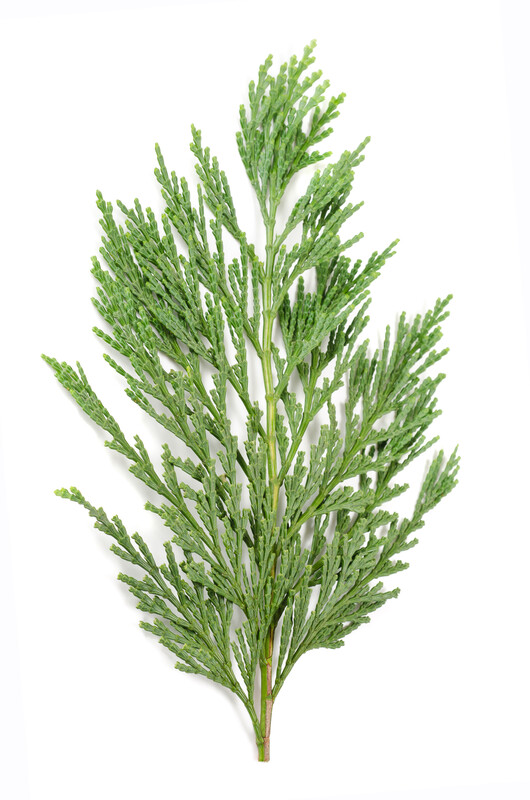
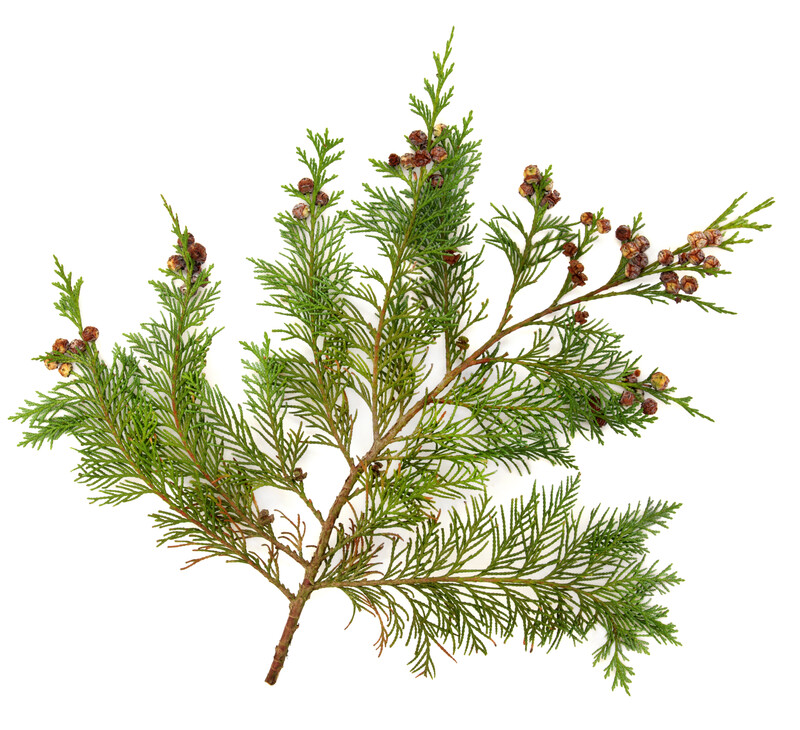
Cypress essential oil, distilled from the branches of the Cupressus sempervirens tree, has a fresh, clean, and slightly woody aroma that reflects its evergreen nature. Native to the Mediterranean, the cypress tree has long been seen as a symbol of strength and resilience, often planted in sacred spaces and near places of remembrance. In essential oil form, its crisp fragrance is valued for promoting vitality and mental clarity. Diffused, it refreshes the air and fosters a sense of balance and calm.
Beyond its aromatic qualities, cypress essential oil is commonly used in massage and wellness practices to support circulation and ease occasional tension. It blends well with citrus oils like lemon or grapefruit for an invigorating atmosphere, or with floral oils like lavender for a more grounding effect. Its purifying aroma also makes it a useful addition to natural deodorants, cleansers, and sprays, where it brings a feeling of freshness and renewal.
Did You Know? Cypress trees are incredibly long-lived, with some species able to thrive for over a thousand years. In ancient cultures, the tree symbolized eternal life, and its durable wood was used to craft statues and sacred objects. Today, tall rows of cypress trees remain an iconic feature of Mediterranean landscapes, serving as both natural windbreaks and enduring reminders of stability through the ages.
It started in forests older than most nations, where evergreen giants stood watch over hillsides bathed in sun and wind. The trees didn’t shout, they whispered—through the fragrance of resin, the rustle of boughs, and the cool clarity of air after rainfall. People lingered beneath their branches, not knowing the science, only the feeling. Something in that clean, woodsy scent seemed to quiet the noise inside.
For generations, these trees played a role in daily life. Their wood was used for ships and temples. Their twigs were burned in ceremonies to purify the air. Their leaves were crushed and steeped into homemade brews. The stories said it helped when lungs were heavy, joints were stiff, or minds were restless. Traditions were built around them, and yet no one quite knew why they worked—they just did.
Eventually, researchers caught up. Modern testing found that the oil from this tree’s branches and needles held antioxidant properties and antimicrobial potential, especially against certain strains of bacteria. Some studies observed relaxation effects from inhaling its vapors—measurable shifts in heart rate variability and parasympathetic response. Compounds like α-pinene, cedrol, and limonene began to appear regularly in scientific journals. The mystery, once kept by folklore, had begun to meet the microscope.
In distillation houses tucked within Mediterranean hills and temperate groves, harvesters continue to gather the leaves and twigs by hand. Timing still matters. So does patience. The chemistry of the oil depends not only on the soil and weather, but also on the shape of the still itself. In places where tradition meets precision, doTERRA has formed trusted partnerships that help preserve this careful process—supporting farmers, protecting forests, and ensuring that what reaches the bottle reflects the wisdom of both nature and nurture.
And in those groves, that story continues. It’s not mass production. It’s stewardship. It’s the art of distilling history one drop at a time. And now you know the rest of the story—the ancient tree whose oil helps clear the air, calm the breath, and sharpen the mind. You’ve likely smelled it in a diffuser or perhaps blended it with another oil, not realizing its roots trace back thousands of years. You may know the tree by its modern name: Cypress. Its story began in stillness. And even now, it continues to speak softly.
Davana essential oil, with its sweet, fruity, and slightly herbaceous aroma, is a unique and versatile addition to any diffuser blend. Its rich scent is known for creating a warm, uplifting atmosphere and pairs beautifully with both floral and citrus oils. Davana blends well with oils like Orange, Grapefruit, and Lemon for a bright, cheerful aroma, or with Ylang Ylang and Geranium for a sweet, floral experience. For a grounding and sophisticated blend, combine Davana with earthy oils like Patchouli, Sandalwood, or Cedarwood. It also complements spicy oils like Clove or Cinnamon for a cozy and comforting vibe. Whether you want to create a luxurious and exotic ambiance by pairing Davana with Frankincense or an energizing blend with Peppermint and Lime, this oil adds a depth and complexity that enhances any diffuser recipe. Its rich aroma makes it a favorite for setting a mood of positivity and relaxation.
Cypress essential oil, with its fresh, woody, and slightly evergreen aroma, is a versatile addition to any diffuser blend. Known for its grounding and refreshing properties, Cypress pairs beautifully with other woodsy oils like Cedarwood, Black Spruce, and Juniper Berry to create blends that evoke the calm of a forest. Its crisp scent also blends seamlessly with citrus oils such as Lemon, Bergamot, and Grapefruit, adding a bright and uplifting touch. For a soothing and balanced aroma, try combining Cypress with floral oils like Lavender or Geranium. Whether you’re looking to create an invigorating outdoor-inspired blend, like pairing Cypress with Peppermint and Tea Tree, or a calming retreat with Cypress and Sandalwood, this essential oil enhances a variety of aromatic combinations. It’s perfect for diffusing when you want to bring a sense of clarity, tranquility, or natural freshness into your space.
Here are 12 of the most revered oils of the Bible and their historic uses…
1. Frankincense
Frankincense is the king of the oils. It was used as a primary component of the holy incense, a medicine and a currency — and of course, it was a gift from the wise men to baby Jesus. In fact, at the time of Jesus’ birth, both frankincense and myrrh may have been worth more than their weight in the third gift: gold.
2. Myrrh
Quoted in Scripture 156 times, uses of myrrh oil in the Bible included use as an ointment, an incense, an embalming ingredient and as a skin beauty treatment by Queen Esther in Esther 2:12. By far, myrrh’s most common usage in the Bible is as a part of holy anointing oil.
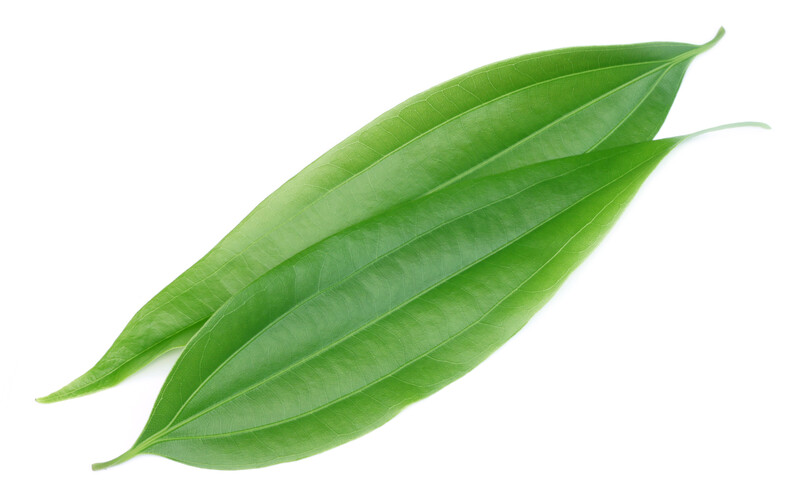
3. Cinnamon
Like myrrh, cinnamon oil was a chief ingredient in holy anointing oil and used to cleanse the air, kill mold and act as a natural medicine. In Proverbs 7:17, Solomon uses this aromatic oil in the bedroom and as a natural perfume or cologne.
4. Cedarwood
King Solomon used cedarwood in building God’s temple and Jesus was crucified on a cross made of cedarwood or cypress. It was thought to bring wisdom, was used for ritual cleansing and served as medicine in treating skin conditions and leprosy.
5. Spikenard
In Biblical times, “nard” was not only a very expensive perfume but also a precious ointment that was used as medicine. Interestingly, the “spikenard” used in the Bible may have in fact been lavender oil. In John 12:3, the Bible tells how spikenard was used to anoint Jesus just days before His death and resurrection.
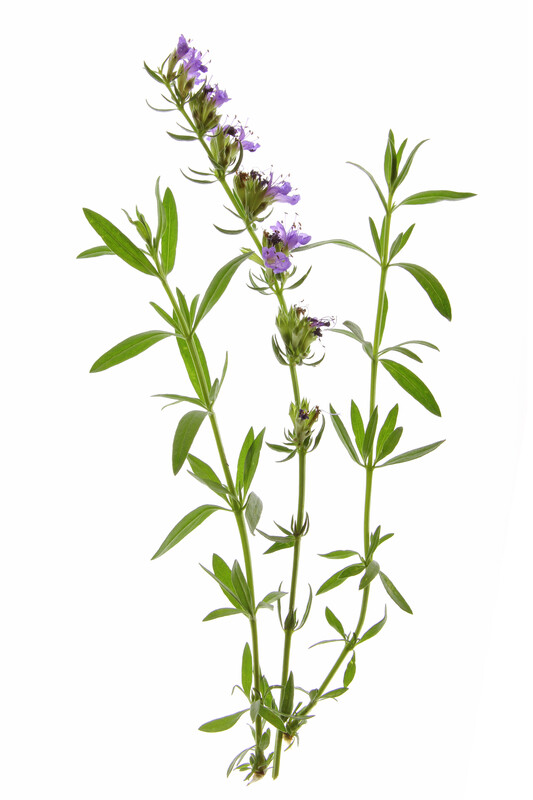
6. Hyssop
In the Old Testament, God commanded His people to use hyssop in the ceremonial cleansing of people and houses. Hyssop appears at Jesus’ crucifixion, when the Roman soldiers offered Jesus a drink of wine vinegar on a sponge at the end of a stalk of hyssop.
7. Cassia
An herb very similar to cinnamon, cassia oil is the fourth ingredient listed in the holy anointing oil detailed in Exodus 30:24. It may have been brought out of Egypt when the Israelites fled Pharaoh and was commonly used with myrrh and aloes to scent garments.
8. Sandalwood (Aloes)
In Scripture, sandalwood is referred to as “aloes” and is called one of the oils of joy and gladness along with frankincense, myrrh and cedarwood. Nicodemus and Joseph of Arimathea brought sandalwood (aloes) and myrrh to bury Jesus, and in today’s market, the amount of oils used would be worth an estimated $200,000.
9. Cypress
Cypress is celebrated in Scripture as a symbol of strength, security and prosperity. The Bible mentions cypress as the choice wood for building, trading and even weaponry. In Genesis 6:14, God commanded Noah to “make yourself an ark of gopher wood,” which in modern English is in fact “cypress.”
10. Galbanum
Galbanum is a main ingredient of the holy incense used in the heart of the temple in Exodus 30:34. Interestingly, although galbanum itself has a somewhat foul odor, when burned with other sweet smelling oils in holy incense, it has the most beautiful scent and was thought to balance the emotions.
11. Rose of Sharon
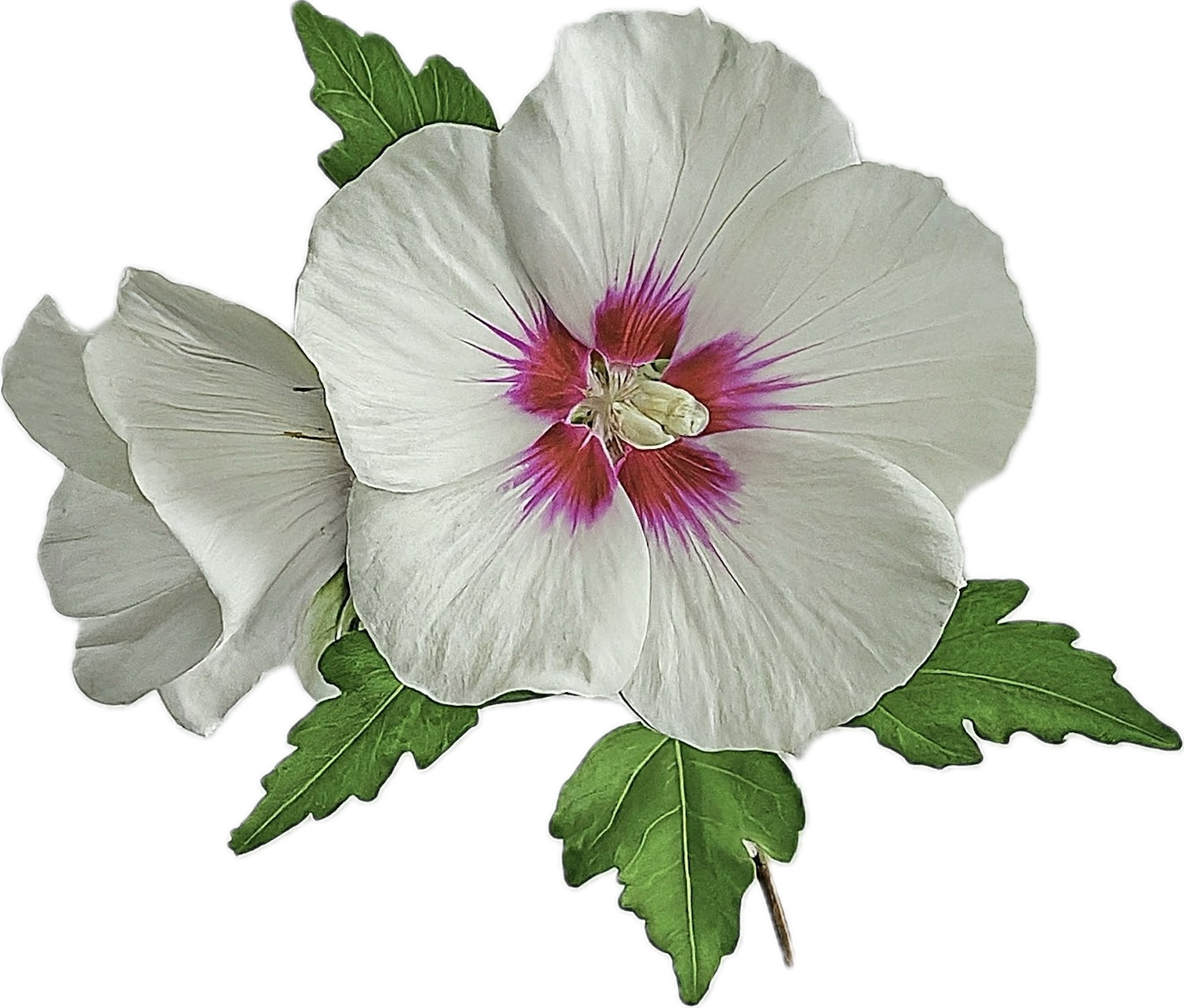
Mentioned in the Song of Solomon, the rose of Sharon is not really a “rose” but instead similar to the hibiscus or tulip (which is also called cistus). Some Bible expositors see the rose of Sharon as Christ and the lily as the church, His bride.
12. Calamus
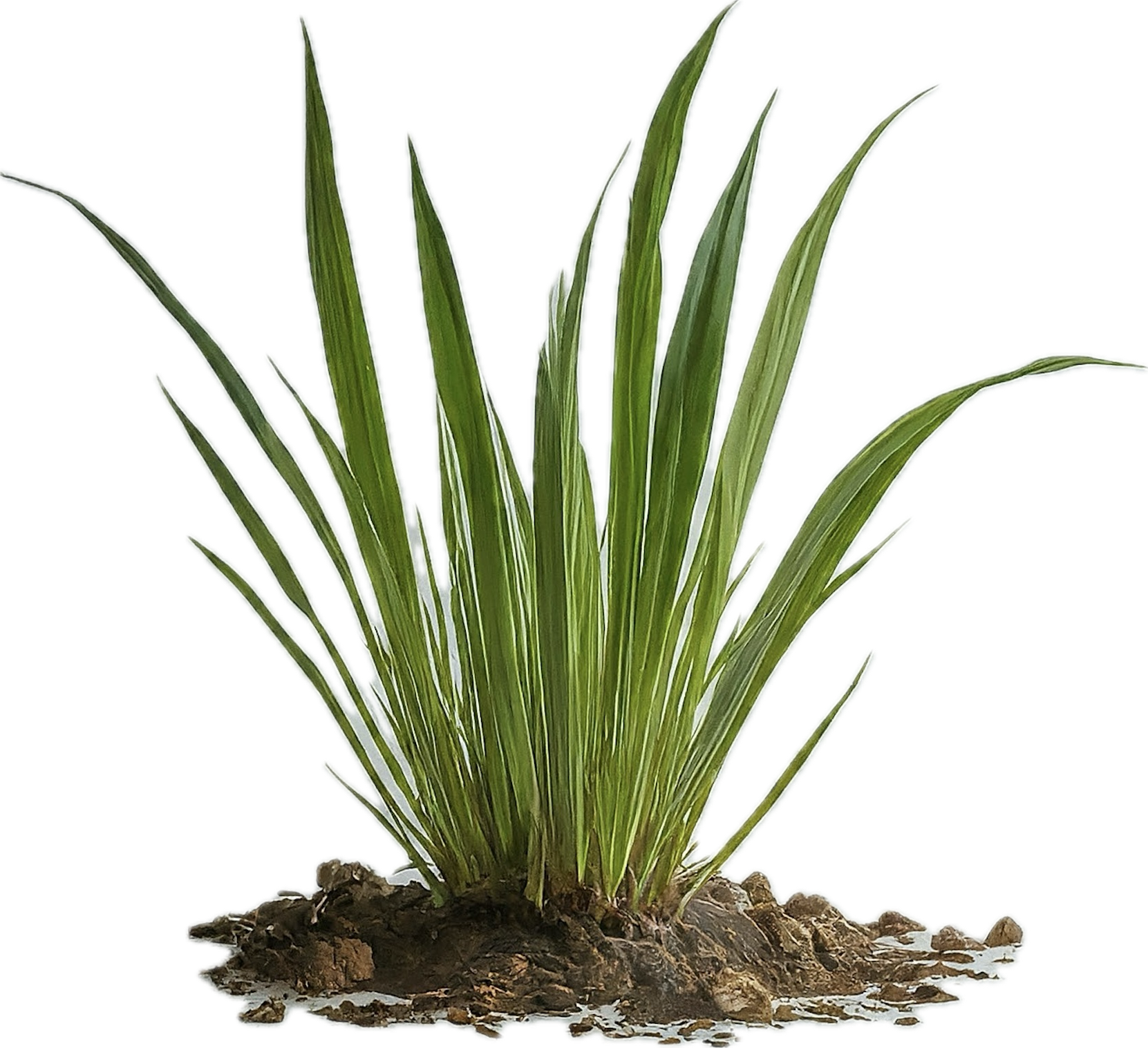
Also known as “sweet cane,” calamus is an ancient herb that is perhaps what we now know as lemongrass. In Biblical times, calamus was used in perfumes, incense and as an ingredient in the special holy anointing oil used by the priests in the temple.
Did you know Cypress is the oil of motion and flow? Cypress teaches our spirit how to let go of the past by going with the flow of life. Cypress gives support to people by helping them throw aside their worries and let go of control allowing them to enjoy the excitement that comes from being alive, and being fully in the present.
Mediterranean Cypress has been widely cultivated as an ornamental tree for millennia away from its native range, mainly throughout the whole Mediterranean region, and in other areas with similar hot, dry summers and mild, rainy winters. Natural forest stands of the species mainly occur in the western part of the Mediterranean region of Turkey.
It is also known for its very durable, scented wood, used most famously for the doors of St Peter’s Basilica in the Vatican City, Rome. The Mediterranean Cypress is also known as the “drama tree” because of its tendency to bend with even the slightest of breezes.
Cypress oil is known to mankind since ancient times and has been used in many traditional medicines. Aromatherapy has been another important usage of this essential oil which has been a common practice for a long time. It is also known for the cross on which Jesus was crucified was made from the wood of cypress tree.
The oil from the cypress tree assists with clear breathing. Promotes healthy respiratory function. Soothes tight, tense muscles. Supports localized blood flow. Beneficial for oily skin conditions. It has a grounding, yet stimulating effect on the emotions, making it a popular oil to diffuse during times of transition or loss.











 Len's Oils