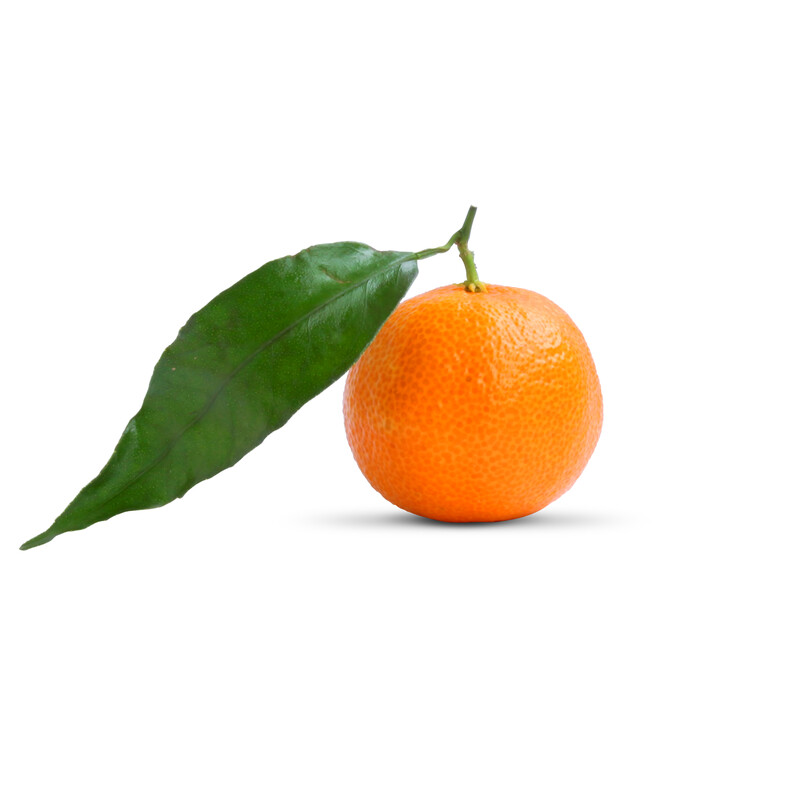
In a quiet garden, nestled within the walls of an orphanage in North Africa, something unexpected happened. The soil was no different than it had been for years, the air no sweeter, and yet, on one particular tree, something unusual appeared. A fruit, smaller than most, with a deep orange glow and a skin so thin it peeled with barely a touch. It was a citrus unlike any other—mild yet fragrant, sweet but not overly so. And it had arrived, it seemed, by accident.
The children at the orphanage were among the first to notice it. They delighted in its easy-to-peel skin, its burst of sweetness, and its refreshing juice. Unlike other citrus fruits, this one had fewer seeds—sometimes none at all. It was as if nature had crafted something perfectly suited for small hands and eager appetites. But no one knew, just yet, what it was or where it had come from.
Word spread beyond the orphanage walls. Farmers and botanists took notice, intrigued by this unusual citrus. Some suspected it was a hybrid of two familiar trees—one with thin, willow-like leaves and another that bore sweet, round oranges. Others believed it had been growing unnoticed for years, only now recognized for its remarkable qualities. Whatever the case, it soon found its way into markets and homes, where it quickly became a favorite.
The fruit’s appeal was undeniable. It was easy to peel, effortlessly segmented, and refreshingly sweet. Its delicate balance of tartness and flavor made it ideal for eating fresh, adding to desserts, or even blending into drinks. It was also useful in unexpected ways—a few drops of its oil in tea or water helped ease occasional heartburn, while adding it to facial cleansers provided a natural boost to the skin. Its bright, zesty essence found its way into household cleaners, its scent filling homes with freshness.
It gained popularity quickly, reaching far beyond its place of origin. Farmers established entire orchards devoted to its cultivation, drawn to its abundant harvests, lack of seeds, and delightful flavor. Over time, it became a staple of the winter season, adding bursts of color to fruit bowls and making its way into school lunches. By the mid-20th century, countries such as Spain, Morocco, and the United States embraced its commercial production, ensuring it would be enjoyed worldwide.
For years, many enjoyed the fruit without ever questioning where it had come from. It seemed as though it had always existed, as natural and familiar as any other citrus. Yet few knew its true origins or how it had been brought to the world’s attention. It had transformed from an orphanage’s garden surprise to one of the most beloved citrus varieties in the world, but the story of the person behind it remained in the background.
The fruit that almost wasn’t? Clementine was named after the man who first cultivated and classified it—Brother Clément Rodier. This small, sweet citrus became a symbol of nature’s surprises, bringing joy, health, and nourishment to countless people. Its vibrant hue, effortless peeling, and refreshing taste secured its place among the most beloved citrus varieties. Whether tucked into a child’s lunchbox, nestled in a holiday fruit basket, or blended into skincare products, its presence is unmistakable. And now, you know the rest of the story.


 Did you know tangerineʼs have strong qualities of cheer and joyfulness? People who at times feel overwhelmed by responsibility would benefit from the the uplifting vibration that comes from tangerineʼs. Another important aspect of tangerine is itʼs ability to help us access our creative energy within our spirit.
 Len's Oils