Tag Archives: Cinnamon Bark

Traded in Spice and Time

Drawn from bark where warm rains fall,
Island groves that felt the call,
Spice once moved by ancient trade,
Treasured paths of wealth were made.

Aroma bold, both sweet and sharp,
Spice that sings like bow on harp,
One small drop can change the air,
Turning stillness into care.

Used with care, it brings a glow,
Gentle warmth that starts to flow,
Like a fire steady and bright,
Giving comfort through the night.

In homes it cleans with balanced tone,
Spice that freshens every zone,
Blended well, it leaves things clean,
Air feels lighter, crisp, and keen.

In kitchens small, it must be slow,
Powerful warmth you need to know,
One drop flavors rich and true,
Careful use matters too.

Old as routes that crossed the seas,
Carried far with patient ease,
Cinnamon stands bold and wise,
Rooted deep where stories rise.
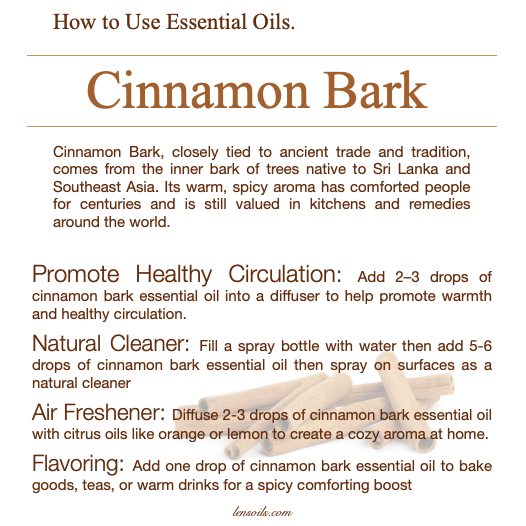
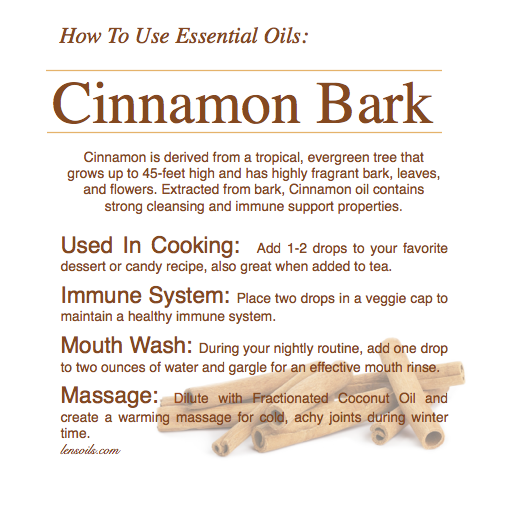
How to Use Essential Oils: Cinnamon Bark

Cinnamon Bark essential oil, distilled from the inner bark of the cinnamon tree, is treasured for its rich, spicy aroma that evokes warmth and comfort. Native to Sri Lanka and parts of Southeast Asia, cinnamon has been valued for thousands of years in trade, medicine, and ritual. Its essential oil carries strong cleansing properties, making it popular in natural home sprays and cleaners. Diffused, its bold scent creates a cozy, welcoming atmosphere that can support a sense of energy and alertness.

Beyond its household uses, cinnamon bark oil has been studied for its powerful antimicrobial qualities, which are linked to its high cinnamaldehyde content. This makes it a favorite in DIY blends for supporting a healthy environment, especially during seasonal changes. A drop is sometimes used in recipes like spiced teas or baked goods for an extra kick of flavor, though it must be used sparingly because of its strength. In aromatherapy, its stimulating aroma can help awaken the senses and lift feelings of fatigue.

Did You Know? Cinnamon was once so prized that it was considered more valuable than gold in ancient trade. Arab traders kept its true source a secret for centuries, weaving myths that it was gathered from nests of giant birds to protect its rarity. Today, the “true” cinnamon most associated with high quality comes from Cinnamomum verum of Sri Lanka, while other species like Cinnamomum cassia are more widely available but have slightly different chemical compositions.

How to Use Essential Oils: Hot

When using essential oils, it’s essential to understand that everyone’s sensitivity differs. What feels “hot” to one person may not feel the same to another. A “hot” oil refers to an essential oil that may cause a warming or burning sensation on the skin, feel spicy if consumed, or cause discomfort if it comes into contact with sensitive areas like the eyes. To avoid irritation, always dilute “hot” oils with a carrier oil, typically in an 8:2 ratio (8 parts carrier oil to 2 parts essential oil).

Exercise caution when using “hot” oils such as Cassia, Cinnamon Bark, Clove, Hyssop, Lemongrass, Ocotea, Oregano, and Thyme. Proper dilution is crucial to ensure safety and comfort during use. Additionally, be mindful when applying essential oils to sensitive areas or ingesting them, as undiluted use can lead to discomfort or irritation. Always follow recommended guidelines and test oils on a small patch of skin to check for reactions before broader application.

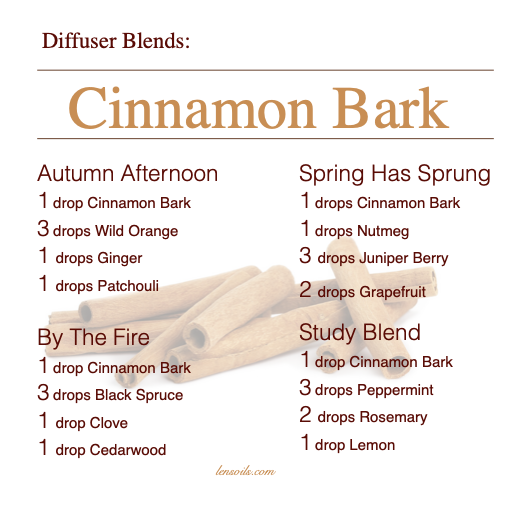
Cinnamon Bark Diffuser Blends

Cinnamon Bark really shines in these blends as the spark that brings everything to life without overpowering the room. Autumn Afternoon feels warm and inviting, with spice and citrus wrapping together like a favorite sweater, while By the Fire leans deep and grounding, evoking crackling logs and quiet evenings. Spring Has Sprung is a surprise favorite, where cinnamon adds just enough warmth to keep the bright juniper and grapefruit from feeling sharp or fleeting. And the Study Blend is brilliantly focused—cinnamon anchors the sharp clarity of peppermint and rosemary, helping the blend feel alert, steady, and purposeful.