Tag Archives: cedarwood

How to Use Essential Oils: Sleep

Recently, I have been rubbing vetiver from a roller bottle mixed with fractionated coconut oil on the bottom of my feet at night. As a result, I have been able to sleep through the entire night for several nights in a row. I love waking up feeling well-rested and refreshed. Sleep is essential for overall well-being, as it allows the body and mind to recover, repair, and function optimally. Essential oils have been used for centuries to promote relaxation and improve sleep quality naturally.

There are several ways to use essential oils to promote sleep. Diffusing oils into the air can create a calming atmosphere; for example, adding one drop each of lavender, Roman chamomile, and marjoram to 1 oz. of distilled water in a spray bottle can be misted onto linens before bed. Applying 1-2 drops of lavender oil to the spine, the bottom of the feet, or the back of the neck may also encourage relaxation. Another effective method is to combine 5 drops of lavender, 3 drops of geranium, and 1 drop of Roman chamomile with 1 cup of Epsom salt, 2 tablespoons of witch hazel, 2 tablespoons of baking soda, and 1 tablespoon of olive oil. Dissolving this blend in warm water for an evening bath can help promote a restful night’s sleep.

In addition to these methods, essential oils can be incorporated into nightly self-care routines in other ways. A warm compress with a few drops of lavender or cedarwood oil applied to the forehead or chest can help ease tension and prepare the body for sleep. Placing a drop of vetiver or sandalwood oil on the pulse points before bed can provide a grounding and soothing effect. Massaging diluted essential oils into the hands, wrists, and temples can also enhance relaxation, especially when combined with deep breathing techniques. By integrating essential oils into bedtime rituals, individuals may experience a deeper, more restorative sleep, leading to improved overall health and well-being.
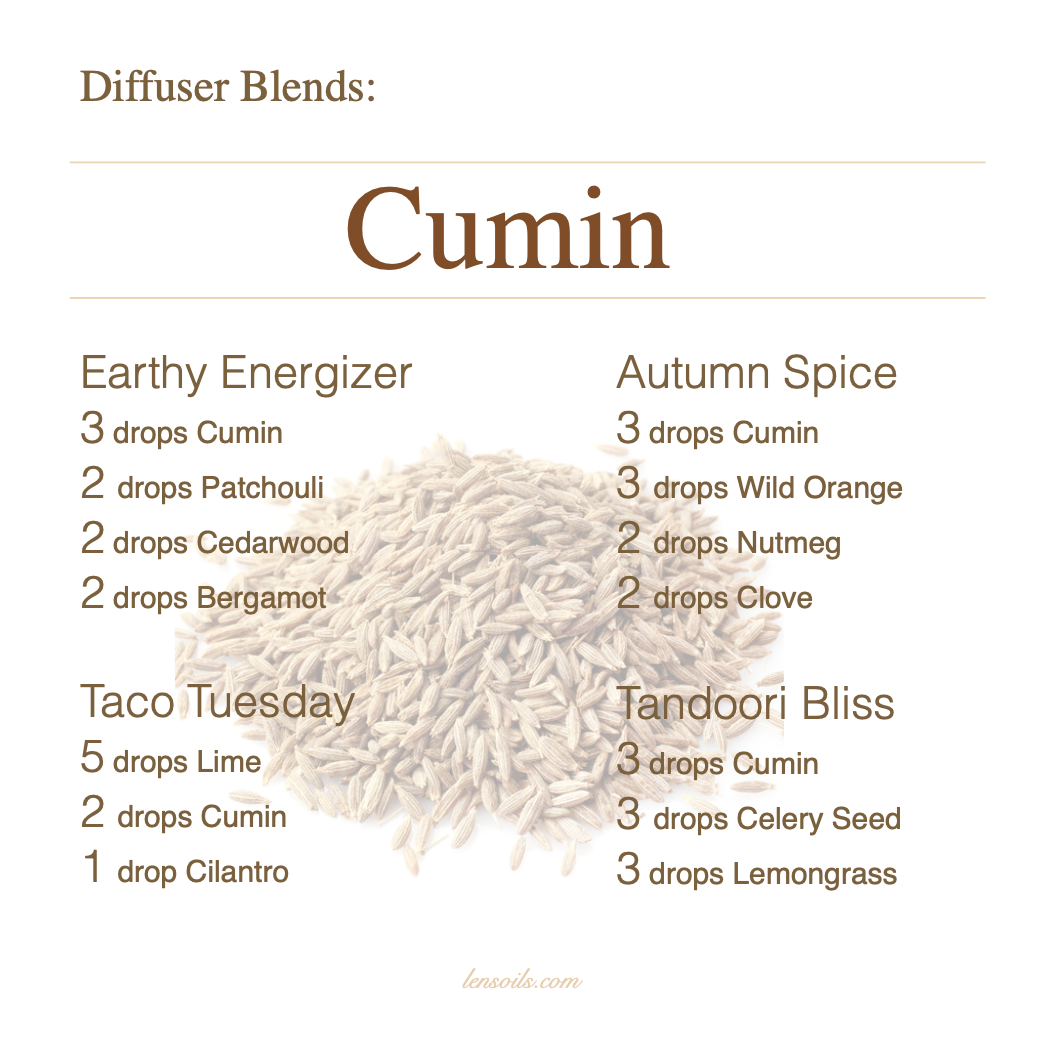
Essential Oil Blends: Cumin

Wow, who knew cumin could take your diffuser blends on such a flavorful journey! From Taco Tuesday vibes to cozy autumn evenings and even a touch of Tandoori-inspired bliss, these blends are pure creativity in the air. Who’s ready to energize their space and spark some culinary inspiration? Let’s diffuse and dream big!

12 Essential Oils in the Bible

Here are 12 of the most revered oils of the Bible and their historic uses…

1. Frankincense

Frankincense is the king of the oils. It was used as a primary component of the holy incense, a medicine and a currency — and of course, it was a gift from the wise men to baby Jesus. In fact, at the time of Jesus’ birth, both frankincense and myrrh may have been worth more than their weight in the third gift: gold.

2. Myrrh

Quoted in Scripture 156 times, uses of myrrh oil in the Bible included use as an ointment, an incense, an embalming ingredient and as a skin beauty treatment by Queen Esther in Esther 2:12. By far, myrrh’s most common usage in the Bible is as a part of holy anointing oil.

3. Cinnamon

Like myrrh, cinnamon oil was a chief ingredient in holy anointing oil and used to cleanse the air, kill mold and act as a natural medicine. In Proverbs 7:17, Solomon uses this aromatic oil in the bedroom and as a natural perfume or cologne.

4. Cedarwood

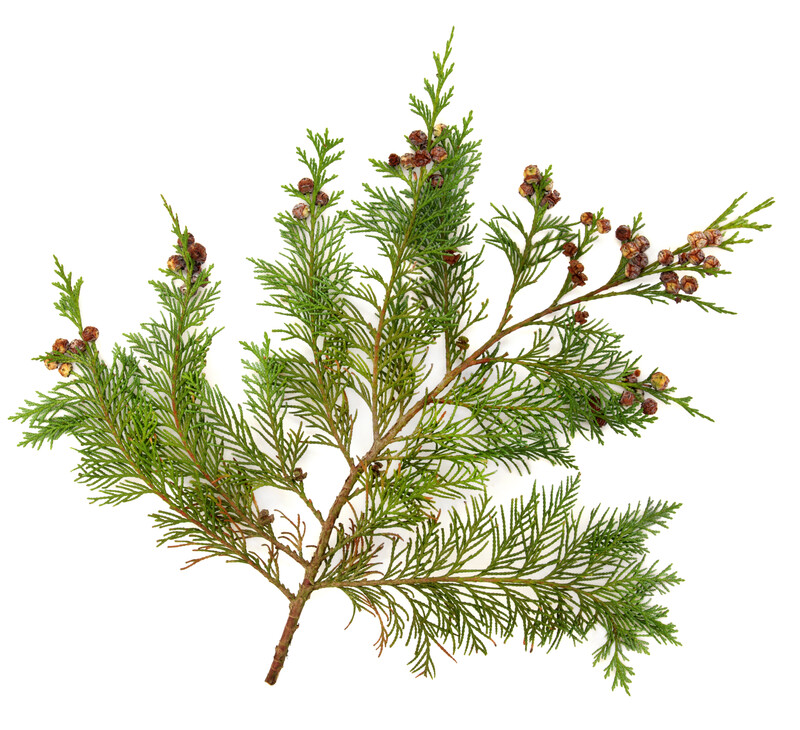
King Solomon used cedarwood in building God’s temple and Jesus was crucified on a cross made of cedarwood or cypress. It was thought to bring wisdom, was used for ritual cleansing and served as medicine in treating skin conditions and leprosy.

5. Spikenard

In Biblical times, “nard” was not only a very expensive perfume but also a precious ointment that was used as medicine. Interestingly, the “spikenard” used in the Bible may have in fact been lavender oil. In John 12:3, the Bible tells how spikenard was used to anoint Jesus just days before His death and resurrection.

6. Hyssop

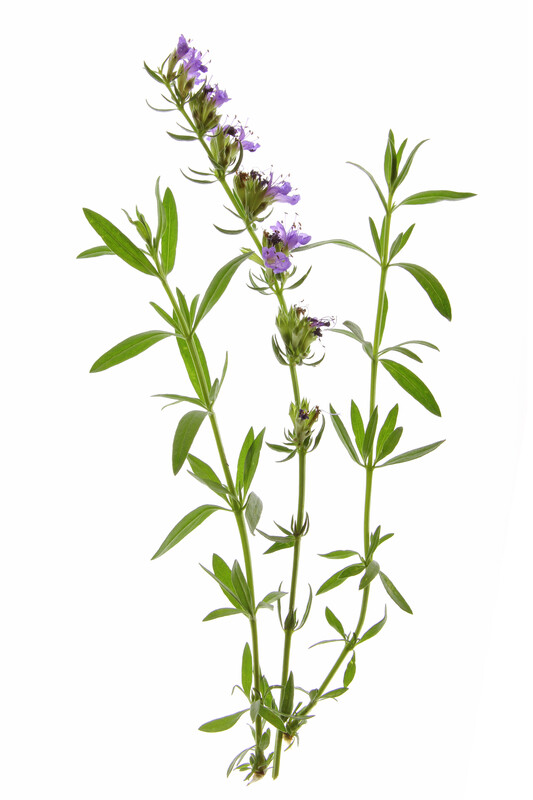
In the Old Testament, God commanded His people to use hyssop in the ceremonial cleansing of people and houses. Hyssop appears at Jesus’ crucifixion, when the Roman soldiers offered Jesus a drink of wine vinegar on a sponge at the end of a stalk of hyssop.

7. Cassia

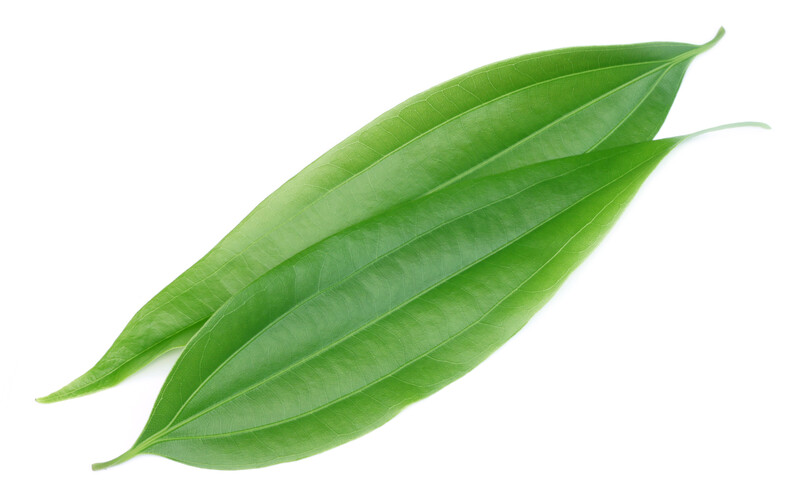
An herb very similar to cinnamon, cassia oil is the fourth ingredient listed in the holy anointing oil detailed in Exodus 30:24. It may have been brought out of Egypt when the Israelites fled Pharaoh and was commonly used with myrrh and aloes to scent garments.

8. Sandalwood (Aloes)

In Scripture, sandalwood is referred to as “aloes” and is called one of the oils of joy and gladness along with frankincense, myrrh and cedarwood. Nicodemus and Joseph of Arimathea brought sandalwood (aloes) and myrrh to bury Jesus, and in today’s market, the amount of oils used would be worth an estimated $200,000.

9. Cypress

Cypress is celebrated in Scripture as a symbol of strength, security and prosperity. The Bible mentions cypress as the choice wood for building, trading and even weaponry. In Genesis 6:14, God commanded Noah to “make yourself an ark of gopher wood,” which in modern English is in fact “cypress.”

10. Galbanum

Galbanum is a main ingredient of the holy incense used in the heart of the temple in Exodus 30:34. Interestingly, although galbanum itself has a somewhat foul odor, when burned with other sweet smelling oils in holy incense, it has the most beautiful scent and was thought to balance the emotions.

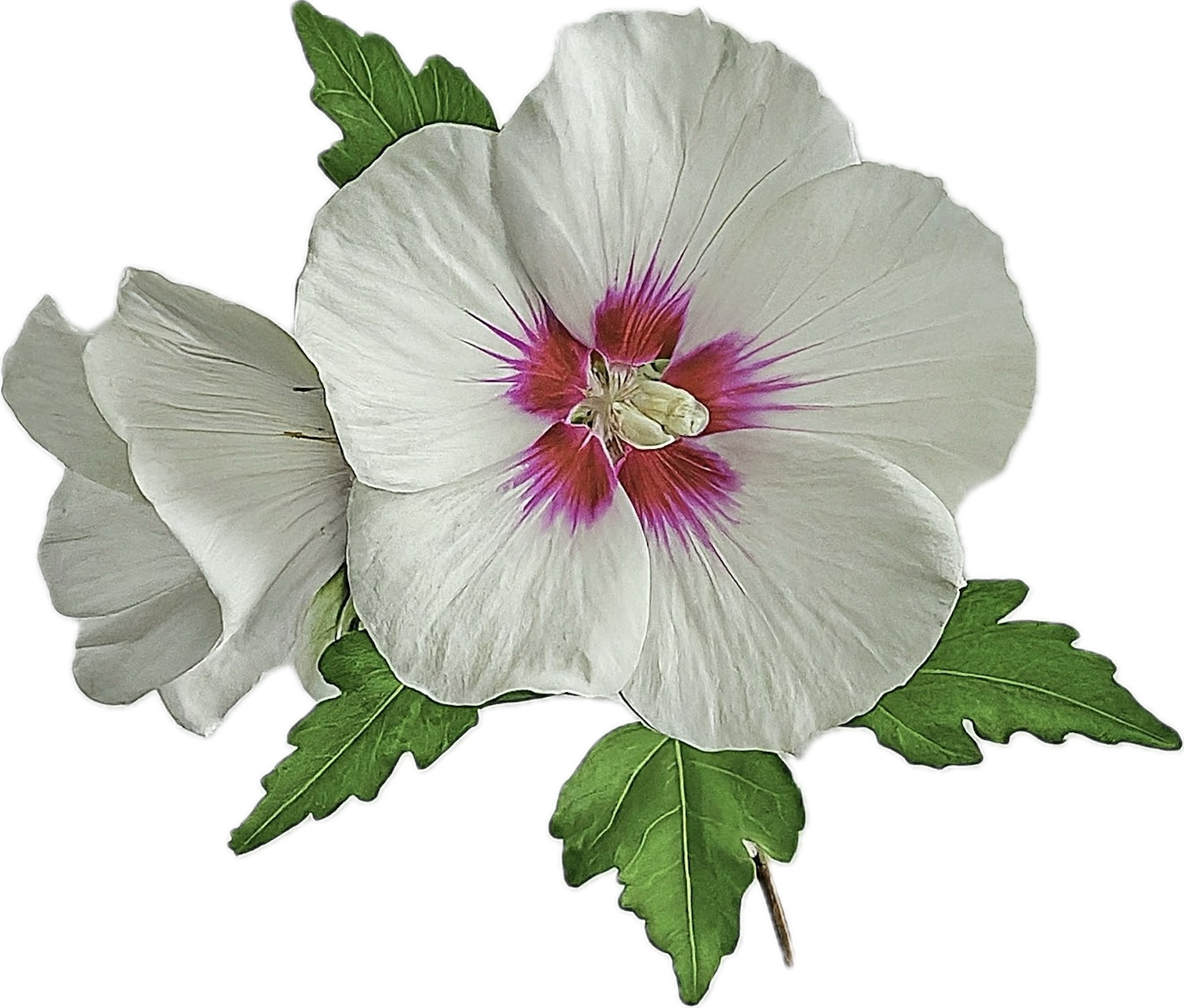
11. Rose of Sharon

Mentioned in the Song of Solomon, the rose of Sharon is not really a “rose” but instead similar to the hibiscus or tulip (which is also called cistus). Some Bible expositors see the rose of Sharon as Christ and the lily as the church, His bride.

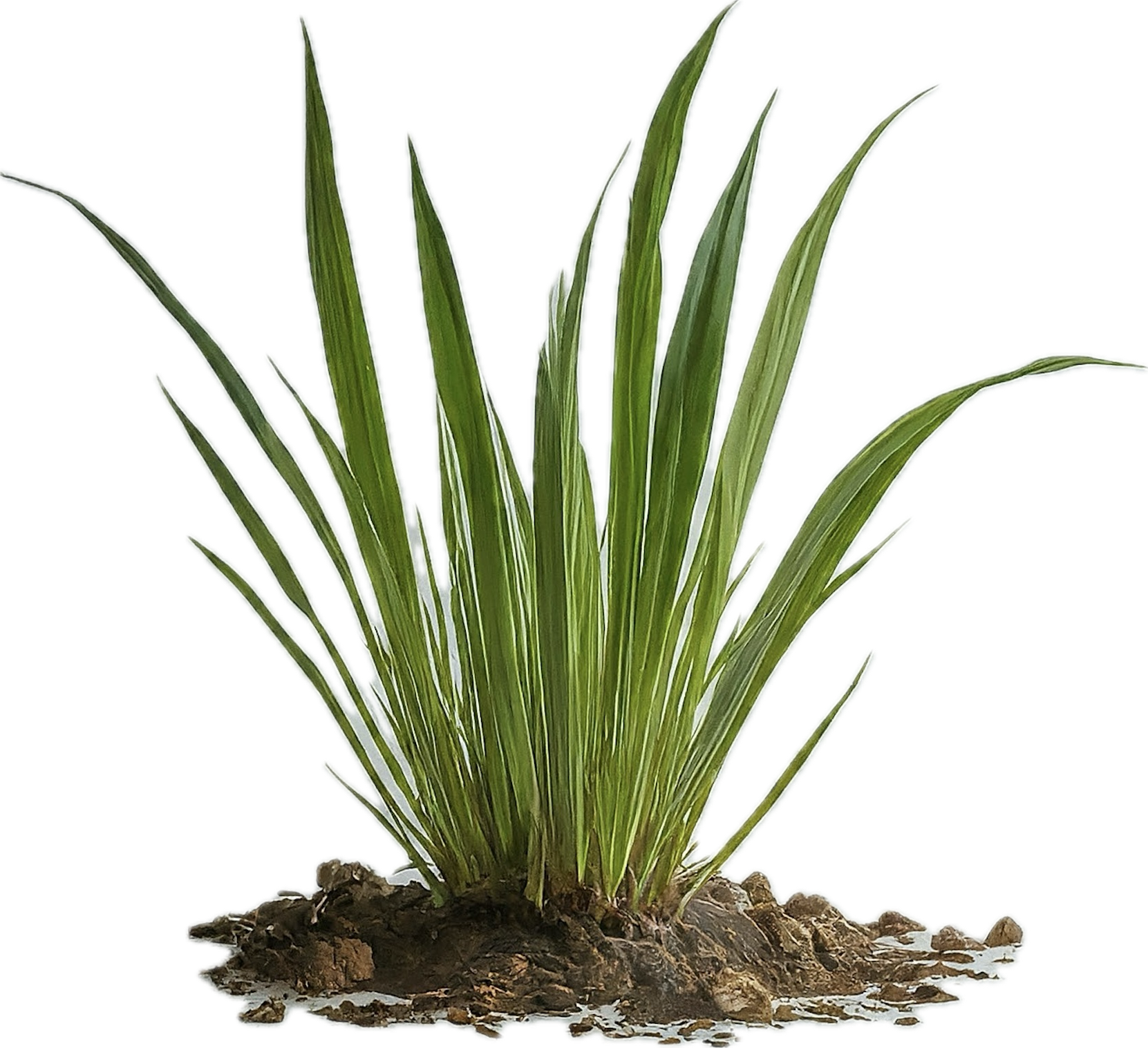
12. Calamus

Also known as “sweet cane,” calamus is an ancient herb that is perhaps what we now know as lemongrass. In Biblical times, calamus was used in perfumes, incense and as an ingredient in the special holy anointing oil used by the priests in the temple.