Tag Archives: Bug Repellent

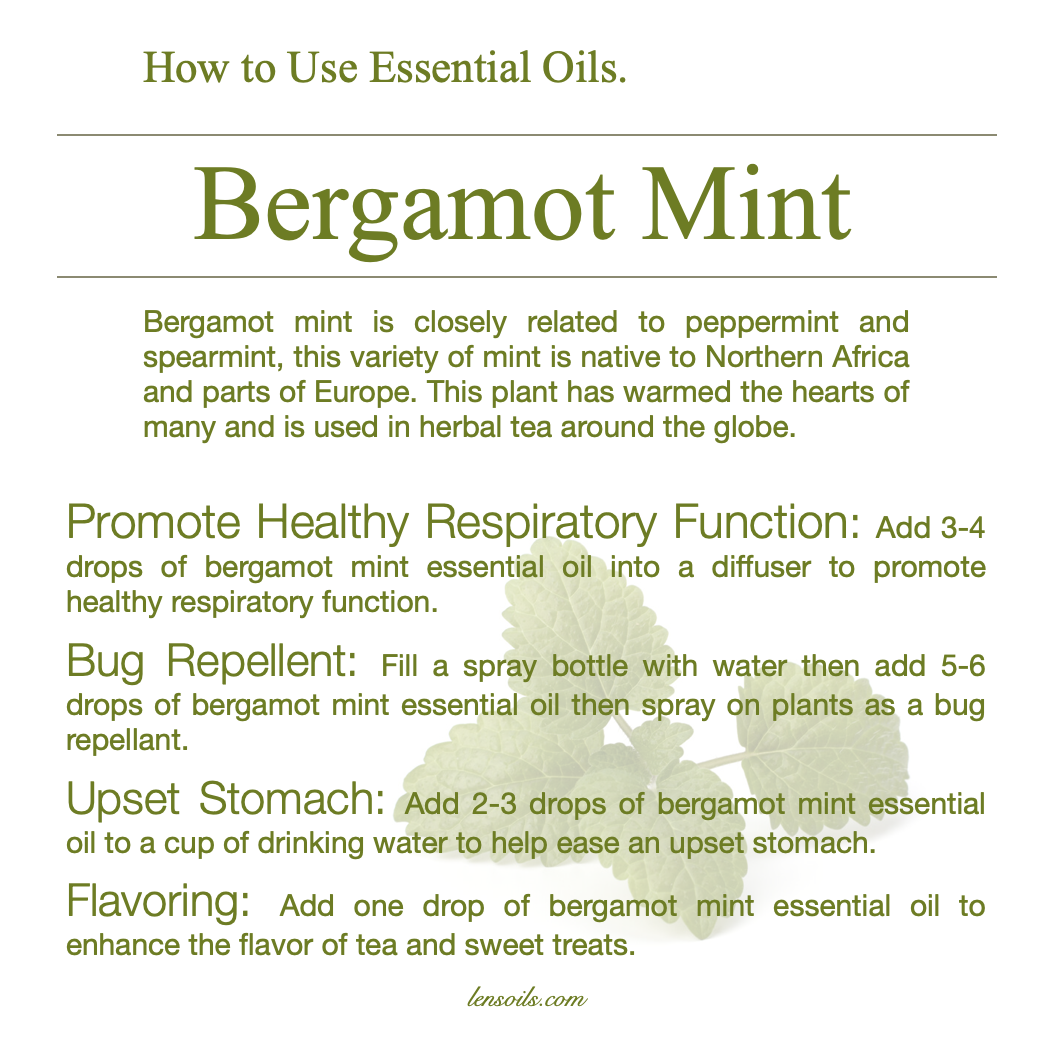
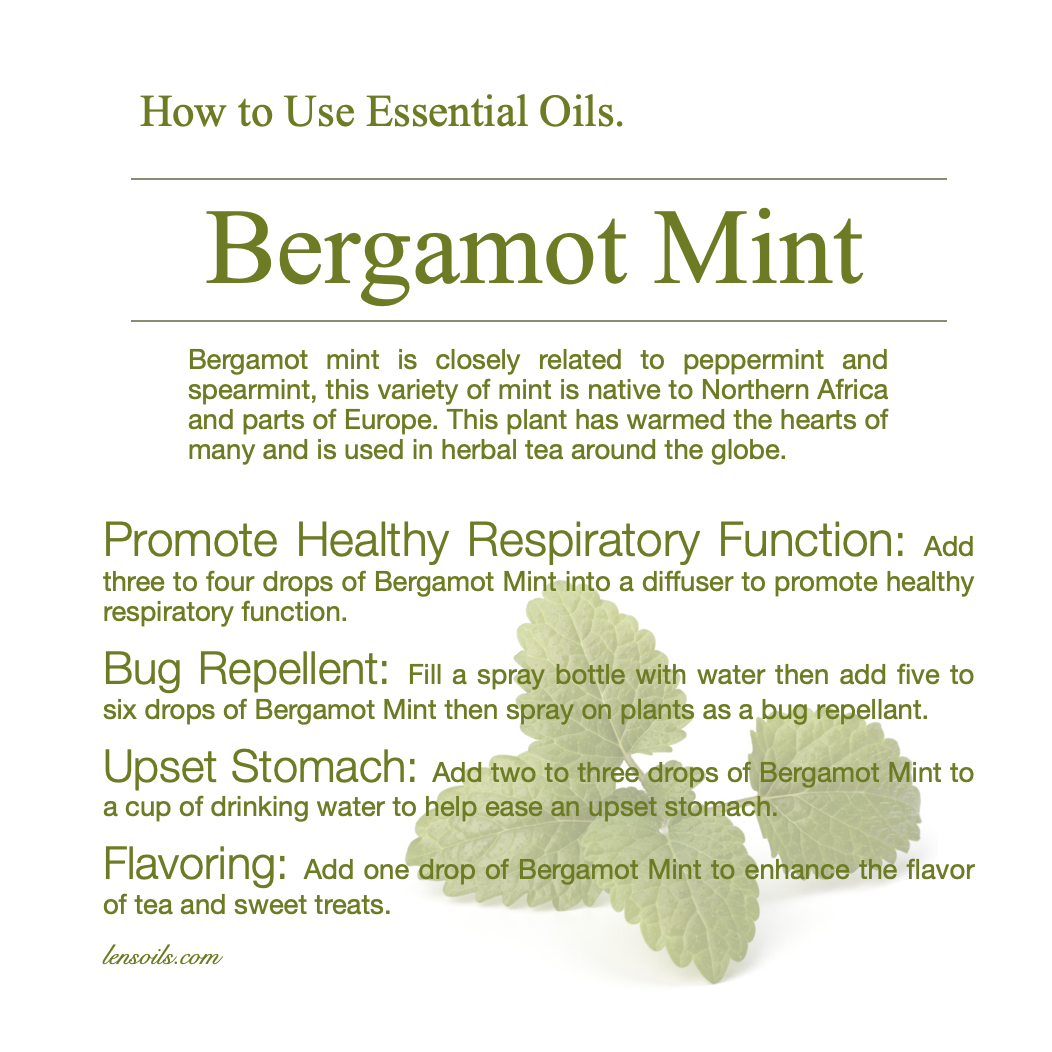
How to Use Essential Oils: Bergamot Mint

Bergamot mint, a close relative of peppermint and spearmint, is native to Northern Africa and parts of Europe. Unlike true bergamot, which comes from citrus, bergamot mint belongs to the mint family and carries a mild, floral aroma with hints of citrus. This plant has been cherished for centuries, commonly used in herbal teas worldwide for its soothing properties. Its gentle scent and refreshing taste make it a favorite in both culinary and wellness applications, providing a natural way to uplift the senses and promote relaxation.

Beyond its pleasant aroma, bergamot mint essential oil offers a range of health benefits. Diffusing 3-4 drops can support healthy respiratory function, helping to clear airways and promote easier breathing. It is also known for its ability to repel insects naturally—adding 5-6 drops to a spray bottle filled with water and misting it on plants can deter pests without the use of harsh chemicals. For digestive support, 2-3 drops in a cup of water can help soothe an upset stomach, making it a useful remedy for occasional discomfort. Additionally, a single drop can enhance the flavor of teas and desserts, bringing a fresh, minty-citrus note to homemade treats.

Among these uses, bergamot mint is also valued for its calming and stress-relieving properties. It contains linalool and linalyl acetate, compounds commonly found in lavender, which contribute to relaxation and emotional balance. This makes bergamot mint an excellent choice for aromatherapy, particularly for those who want the benefits of mint without the intensity of peppermint or spearmint. Whether used to support digestion, freshen the air, or promote relaxation, bergamot mint is a versatile essential oil that blends the best qualities of both citrus and mint.
How to Use Essential Oils: Household Tips

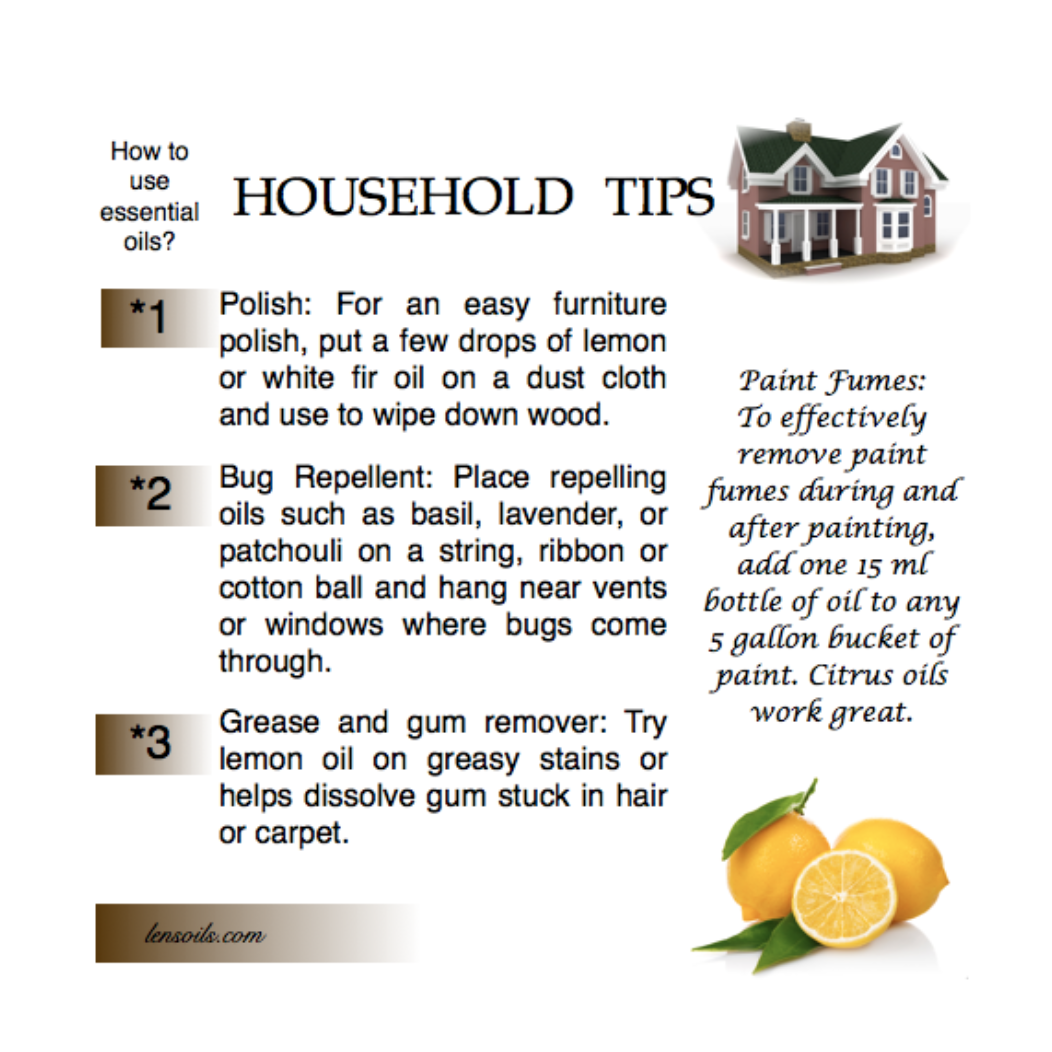
Essential oils can be a powerful addition to household cleaning and maintenance routines. One of the easiest ways to incorporate them is by using them as a natural furniture polish. Simply add a few drops of lemon or white fir oil to a dust cloth and wipe down wooden surfaces to bring out their shine and leave behind a fresh, clean scent. Essential oils also work well as grease and gum removers—applying a few drops of lemon oil to greasy stains on surfaces or fabric can break down stubborn residue. It can even help dissolve gum stuck in hair or carpet without the need for harsh chemicals.

Another practical household use for essential oils is to reduce paint fumes during and after painting. Adding one 15ml bottle of citrus essential oil—such as lemon or orange—to a five-gallon bucket of paint can help neutralize strong odors while also adding a subtle, refreshing scent to the space. Citrus oils work especially well in this application, as they have natural air-purifying properties. Additionally, essential oils can serve as a natural bug repellent. Placing a few drops of basil, lavender, or patchouli oil on a string, ribbon, or cotton ball and hanging it near vents, doors, or windows can help keep insects from entering the home.

An often-overlooked use of essential oils in the home is their ability to eliminate stubborn odors from kitchen surfaces. A few drops of eucalyptus or tea tree oil mixed with baking soda can be sprinkled onto cutting boards, garbage disposals, or even inside the trash can to neutralize lingering smells. Letting the mixture sit for a few minutes before wiping or rinsing it away ensures a fresh, clean scent throughout the kitchen. By incorporating essential oils into everyday household tasks, homeowners can enjoy a more natural, chemical-free approach to cleaning and maintenance.

Myrtle-Did You Know?

MyrtleDid you know Myrtle is the oil of adaptability? Myrtle instills the soul with qualities helping you to adjust to new conditions, capable of being flexible, and recovering quickly from difficult conditions. Myrtle helps brings joy to the heart allowing things to flow naturally. It is helpful during difficult and challenging times.

The Ancient Egyptians knew of the therapeutic properties of myrtle, macerating the leaves in wine to counter fever and infection. The best and most fragrant myrtle trees came from Egypt. In Biblical times, Jewish women wore garlands of myrtle on their heads on their wedding day as a symbol of love, and to bring them happiness. In 1876, Dr Delioux de Savignac advocated the use of myrtle for bronchial infections, for problems of the urinary and reproductive system, and for hemorrhoids.

A study shows that myrtle oil kills Salmonella on fresh fruits and vegetables. Scientists intentionally inoculated fresh tomatoes, and iceberg lettuce with a strain of Salmonella. Then they used a cleaning solution that had a dilution rate of 1 to 1000 containing myrtle leaf oil to test if it would kill the bacteria. The results suggest that the use of myrtle can be an effective alternative to the use of chlorine or other disinfectants on fruits and vegetables.

Myrtle lowers blood sugar and has been traditionally used in Iran for the treatment of Malaria. It is also known for its ability to repel mosquitoes, and kills fungus, and mold. In some cultures myrtle is used to heal mouth ulcers, warts, and acne.