It began in a place where sunlight dances through the haze and the ground steams after the rain. Where the scent in the air is so clean, so crisp, you’d swear it could sweep the dust from your thoughts. Travelers in the southern hemisphere once followed that aroma through dense groves, not knowing its name—only that breathing felt easier, and the world a little clearer, beneath those tall blue-tinged trees.
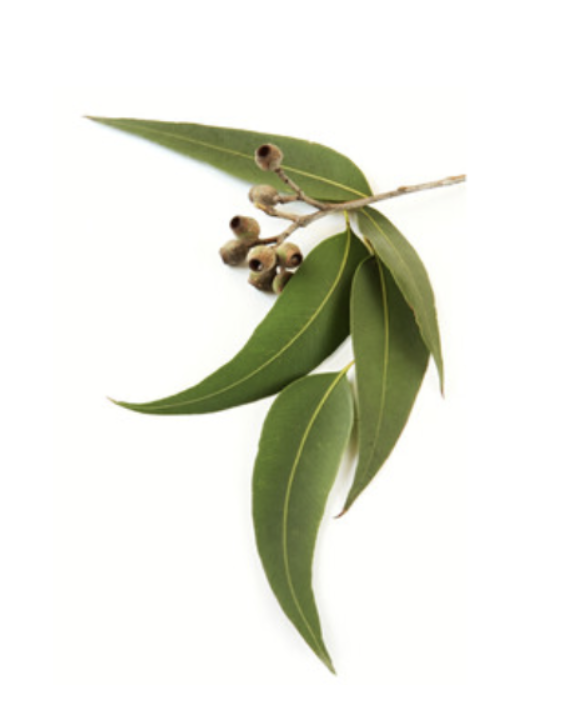
For generations, the people who lived among them knew what the trees could do. They gathered the long, narrow leaves and hung them in doorways and corners of the home. When someone caught a chill, they boiled them into strong-smelling teas. If a head felt heavy, they’d crush the leaves and breathe in deeply. They never took credit. They just called it wisdom passed down—and they respected what the trees gave them.
When colonists and settlers arrived, they too noticed the power in the air. Soldiers tucked leaves into their packs. Homesteaders burned branches over smoky fires. Doctors began to carry little bottles filled with strong, clear oil—used for cleaning, cooling, or clearing the head. It became known as “fever tree” in some parts, though no one could quite agree on what it cured. They only knew they felt better when it was nearby.
Over time, the oil was drawn more carefully. The leaves were distilled with steam, and the vapor captured in bottles. It had a cooling effect, a camphor-like strength that reminded people of crisp mornings and clean linen. While scientists would eventually study its compounds and its properties, most people didn’t wait for the footnotes. They added a few drops to hot water, rubbed it into tired muscles, or let it drift through a room like a fresh breeze after rain.
To this day, the practice remains. Harvesters still rise early, walking among tall, slender trunks with shears in hand, gathering leaves warmed by the sun. The scent is unmistakable even before the oil is extracted. In places like Australia, parts of Africa, and beyond, this tradition has become an industry—one that doTERRA now supports through responsible sourcing and long-term relationships with local growers. The oil is still crafted with care, bottle by bottle, so it reaches homes around the world as pure as it began.
That tall tree with silvery bark and narrow blue-green leaves? It has eased breathing, cleared minds, and freshened homes for centuries. Its name wasn’t always known, but its gifts were felt long before they were labeled. It was first discovered by native people, later admired by explorers, and eventually carried across oceans in little brown bottles. This tree is Eucalyptus. Now you know the rest of the story.

 Len's Oils