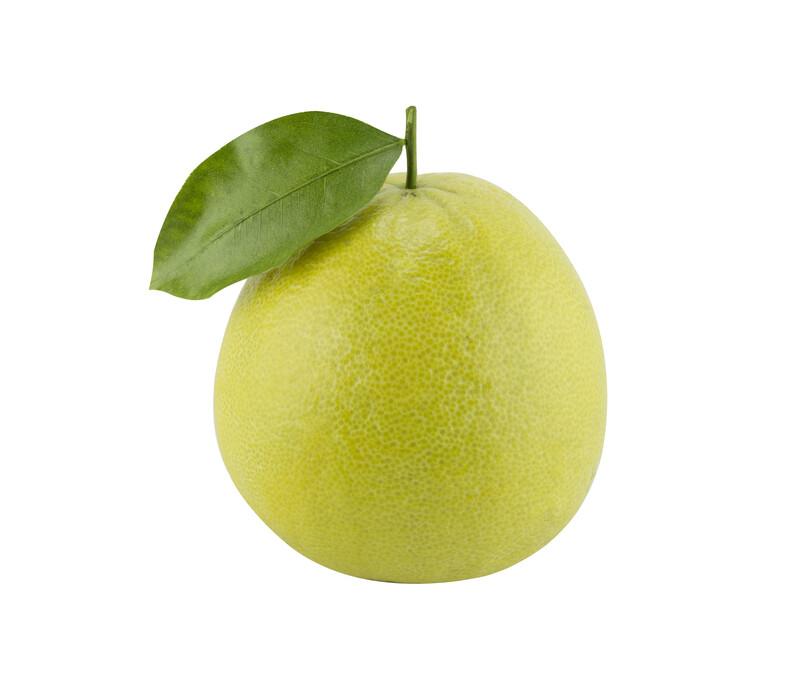
And now, dear readers, let me unveil a tale that will whisk you away to lands both near and far. When folks hear the word bergamot, their minds often wander to the citrus trees basking in the Italian sun. But hold on to your hats, because there’s more to this story than meets the eye!
You see, there exist not one, but two varieties of bergamot. One, the citrus tree known scientifically as Citrus bergamia, stands proud, with its winter blooms and lemon-colored fruits, resembling pears in shape. Some whisper that it’s a lemon-lime concoction, while others argue it’s a blend of lemon and grapefruit. And would you believe it? These fruits don’t just hang around for show—they add flavor to our foods and drinks, like the beloved Earl Grey tea, and even find their way into the bottles of our favorite perfumes.
But wait, there’s a twist in this tale! Across the Atlantic, in the heart of North America, another bergamot reigns supreme. Known as Monarda fistulosa or Monarda didyma, this wildflower belongs to the mint family. Picture it in your mind—pink and lavender blooms, beckoning bees and hummingbirds with their charm.
Now, here’s where it gets interesting. Though they share a name, these two bergamots dance to different tunes, boasting unique chemical compositions. The citrus bergamot flaunts neoeriocitrin and ponceritin, while its herbaceous counterpart boasts p-cymene and thymol.
Let’s journey back in time, shall we? The citrus bergamot, they say, traces its roots to Southeast Asia, embarking on a grand adventure along the Silk Road to Persia and beyond, enchanting lands from Greece to Italy. And here’s a nugget for you—when Europeans set foot in South America, they carried these bergamot trees along for the ride.
But where did the name “bergamot” come from, you ask? Well, dear readers, the stories weave like a fine tapestry. Some say it’s tied to Bergamo, Italy, renowned for its bergamot orchards. Others whisper of “bey armut,” Turkish for the prince’s pear. And let’s not forget our herbaceous friend, named in honor of the Spanish physician and botanist, Nicolas Monardes.
But hold your breath, because here’s the crescendo! In today’s world, bergamot shines brightest as the star ingredient in Earl Grey tea, enchanting taste buds since the late 18th century. But did you know, its journey began far before, in ancient China, gracing teas for eons?
And there’s more! While we often brew bergamot for tea, some folks in Turkey and Greece sprinkle it into their dishes, creating delicacies like Turkish marmalade. And let’s not overlook its medicinal prowess, easing ailments from digestive woes to fevers in traditional Chinese and Ayurvedic medicine.
But wait, there’s a final flourish! Bergamot, with its tantalizing scent, has long been the jewel in perfumes and beauty products, adorning elites from ancient China to Persia. It’s a scent fit for royalty, a treasure coveted by the elite.
So there you have it, dear readers—the tale of bergamot, a fragrant symphony echoing through the ages, leaving behind a legacy as rich as its scent. When you hear the word bergamot you will know the rest of the story.

 Len's Oils