
Tag Archives: Aromatherapy
Hawaiian Sandalwood-Did You Know?
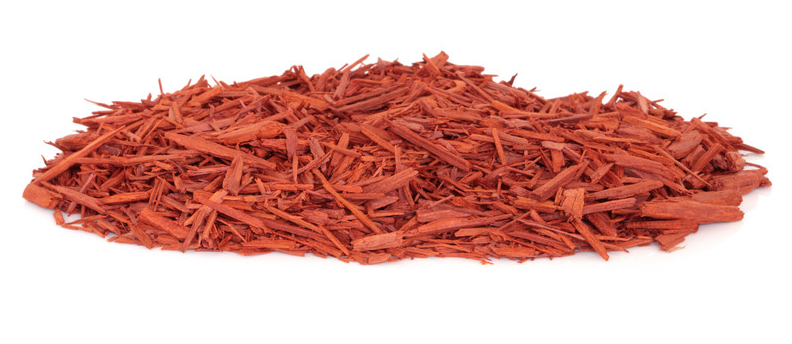 Did you know of the two dozen or so species of Santalum that are known, the Hawaiian islands are home to four of them? it takes over 50 years for a sandalwood tree to mature enough to get a high quality essential oil. After the arrival of Europeans to the islands, they became aware that sandalwood occurred quite widely on the Hawaiian Islands. They were also aware that the demand for sandalwood from southern Asia did not satisfy the market.
200 years ago Sandalwood was the number one trade from the Hawaiian islands. Their trees were among the most prized in all the world and were in great demand. The Hawaiian king, King Kamehameha, sent seven ships to China bearing Sandalwood. (It has been estimated that about 6,000 trees had to be harvested to fill a ship). The Chinese were offended by this, and wanted to come collect the Sandalwood themselves.
Later the ships returned to Hawaii. When the Chinese arrived in Hawaii to collect the Sandalwood, King Kamehameha was likewise highly offended at their actions and set fire to the seven ships bearing all the Sandalwood. Not only that, but he ordered the Sandalwood forests to be cut down and burned, and the ground was seeded with thick grass that prevented the Sandalwood from returning. Since then, Sandalwood from Hawaii basically ceased to exist, until now.
Hawaiian sandalwood essential oil delivers a variety of benefits, including smoothing skin and enhancing moods. With thousands of years of documented use, this oil has a high value to many users. Hawaiian Sandalwood has a rich, sweet, woody aroma that instills calmness and well-being, making it a perfect oil to incorporate into massage or aromatherapy.
Sandalwood is very soothing and nourishing to the skin, making it highly sought after in body and skin care products. Hawaiian Sandalwood can reduce the appearance of scars, blemishes, and stretch marks while providing an overall youthful-looking complexion. In addition to being soothing and nourishing to the skin, Hawaiian Sandalwood provides these same effects to the mind, helping to reduce stress and tension and promote emotional well-being.
Sandalwood-Did You Know?
Did you know sandalwood is the oil of sacred devotion? It helps with all kinds of spiritual worship including prayer, and meditation. It teaches reverence and respect for God. Sandalwood has been used since ancient times. More than 4,000 years ago, it was used to calm the mind, still the heart, and prepare the spirit to commune with Deity. In India, it’s been valued for at least 2,000 years as one of the most sacred trees, and an important part of devotional rituals.
Sandalwood is a tree with a extremely aromatic wood. It is economically and culturally important to many countries around the Pacific and Eastern Indian Ocean regions where it grows or is traded. The wood is used for making furniture, ornaments, sacred objects, carvings, and joss sticks (incense). The essential oil is used in medicine, perfume, and aromatherapy.
The tree is medium sized 12-15 meters tall. The tree reaches its full maturity in 60 to 80 years, which is when the center of the slender trunk (the heart wood) has achieved its greatest oil content. Both the heartwood and roots are fragrant and contain the oil; the bark and sapwood, however, are odorless. The Sandalwood tree is never cut down, but uprooted during the rainy season, when it is richer in precious essential oils.
Essential oils may have also been used in Indian medicine, but were popularized in the west by the perfume industry, and so became applied medicinally in the western world after the 1920’s by French aromatherapists. Sandalwood is very beneficial to the skin; it can help reduce the appearance of scars and blemishes and it promotes a healthy, smooth complexion.
Bergamot-Did You Know?
 Did you know bergamot essential oil is the oil of Self-Acceptance? Bergamot relieves feelings of despair, low self-esteem, and self-judgment. It supports people in need of a good self esteem. Bergamot invites people to see life with more optimism, it also has a cleansing affect on sluggish feelings and limited belief systems. Bergamot awakens the soul to hope, and offers courage to share their inner-self.
Bergamot has a long history of use in potpourri and perfume recipes. Bergamot oil does many benefits to us and our body we value most. Recent Italian research has shown that Bergamot essential oil has a wide variety of uses in aromatherapy application; Bergamot is unique among citrus oils due to its ability to be both uplifting and calming.
Although a native to the Southern regions of Asia, Bergamot Citrus bergamia is now cultivated primarily in the Calabria region. It also takes its name from an Italian city, that of Bergamot in Lombardy, where the essential oil was originally sold. The Italians have used Bergamot in folk medicine for years, used mainly for fevers. It also promotes healthy, clear skin.
Bergamot essential oil is obtained from the cold expression of the peel of nearly ripe fruit of the Bergamot tree. The small fruit tree is characteristic of the southern Italian landscape: it’s small, round fruit is very bitter and not likely eaten when raw. The fruit looks like a miniature orange. The essential oil obtained from the fruit of the Bergamot tree has a citrus-like aroma but also a spicy undertone.
Bergamot is the most delicate of the citrus plants, Requiring special climate, and soil in order to thrive. Italians have used Bergamot for years to reduce tension, stress, and to soothe, and rejuvenate skin. Bergamot is unique among citrus oils due to its ability to be both uplifting and calming, making it ideal to help with anxious, and sad feelings. It is also purifying, and cleansing for the skin, helping with oily skin conditions, and promoting a smooth, clear complexion while having a calming effect.
Ylang Ylang-Did You Know?
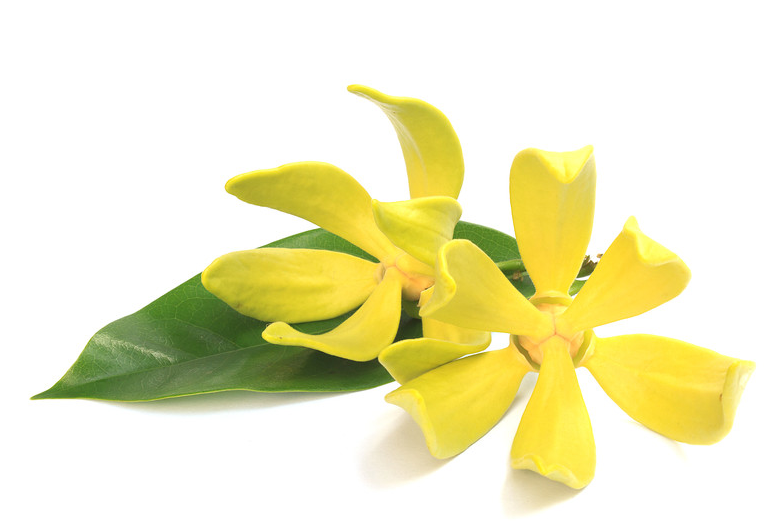
Did you know Ylang Ylang is the oil of the Inner Child? Ylang Ylang has a strong effect on the heart. It also is a powerful means for releasing emotional, distressing, or disturbing experiences from the past. Ylang Ylang also helps people let go of bottled up emotions such as sadness and anger.
Ylang Ylang is a tall tropical tree that grows up to 65 feet high with large delicate flowers that come in shades of yellow, mauve, or pink. The yellow flowers are preferred for the extraction of the essential oil, which is steam distilled from the freshly picked flowers. It is indigenous to tropical Asia, but the most prized oil comes from Madagascar and the Comoro Islands.
Ylang Ylang means “flower of flowers” or “fragrance of all fragrances.” This fragrance is traditionally used in aromatherapy to sharpen the senses and for various other purposes. For these reasons, the flowers are spread on the beds of the newly married in Indonesia. Ylang Ylang is used to calm breathing, it may help high blood pressure, and also treats impotence (frigidity). Interestingly enough the original wild flowers had no fragrance. The fragrance we know today came from cloning.
Bergamont Essential Oil – Unveiling It’s Past
Bergamot essential oil has that little interesting past like every other essential oil has…Bergamot oil does many benefits to us and our body parts we precisely value most…
Although a native of tropical Asia, Bergamot (Citrus bergamia) is now extensively cultivated in the Southern part of Italy, particularly in the Calabria region. It also takes its name from an Italian city, that of Bergamot in Lombardy, where the essential oil was originally sold. The Italians have used Bergamot in folk medicine for years, in particular for fevers.
Recent Italian research has shown that Bergamot essential oil has a wide variety of uses in aromatherapy application; it is useful for respiratory problems, skin diseases, mouth and urinary tract infections. It has been used since the sixteenth century as a remedy for fever and as an antiseptic. It is also renowned for being used as the flavoring in Earl Grey Tea.
Bergamot essential oil is obtained from the cold expression of the peel of nearly ripe fruit of the Bergamot tree. The small fruit tree is a characteristic of the southern Italian landscape; its small, round fruit is very bitter and is inedible when raw. The fruit looks like a miniature orange. The essential oil obtained from the fruit of the Bergamot tree has a citrus-like aroma but also a spicy undertone.
A primary component of the fragrant eau-de-cologne, Bergamot oil also has a number of therapeutic uses in aromatherapy. It has a high content of the chemicals esters and alcohols, making it a gentle oil to use. Bergamot oil is useful for digestive difficulties, stress, infectious wounds, as an insect repellent and for cystitis. It is
▪ Analgesic
▪ Stimulant
▪ Diuretic
▪ Antiseptic
▪ Antidepressant
▪ Deodorant
▪ Tonic
Bergamot is known to be one of the most photo toxic essential oils and for this reason should be used with care in sunlight, hot climates and with other ultraviolet light. Photo sensitivity is caused by the presence of furocoumarins, most notably Bergapten, in this particular essential oil. Apart from this factor, Bergamot is considered to be a relatively non-toxic and non-irritant essential oil.
 Len's Oils