Cilantro-Did You Know?

Coriander:cilantroDid you know Cilantro essential oil is the oil of Releasing Control? Cilantro makes the detoxification of emotions and debris. It is helpful in lightening your load through the release of issues buried in the body, heart and soul. Those in need of cilantro may attempt to obsessively control other people or manage their surrounding and conditions.

It is a mystery as to where Cilantro originated, but it is thought by many to be from the Mediterranean region of Europe. No one knows exactly, but it appears that cilantro has been used for at least 5000 years. The seeds, also known as coriander, have even been found in ancient Egyptian tombs. Perhaps this was because the coriander seeds were thought by the ancient herbalists to be an aphrodisiac.

The therapeutic and culinary uses of Cilantro have been documented for centuries. Cilantro contains antioxidants known to protect the body’s cells from oxidative stress. Cilantro promotes healthy digestion and acts as a powerful cleanser and detoxifier for the body’s systems. Applied topically, Cilantro is very soothing and cooling to the skin, and it adds a fresh, herbal aroma to any essential oil blend when diffused.

There is also a large amount of literature speculating that cilantro may be an effective chellation therapy for people who have excess mercury in their systems. Some think that mercury poisoning could be the result of metallic teeth fillings. Every time a person with fillings chews, the fillings release minute amounts of mercury gas that may be breathed into the system. Of course, this is all speculative and disputed. Nevertheless, many people who have suffered from mercury poisoning and the “brain cloud” it causes have reported fairly rapid relief by the consistent consumption of cilantro over a period of just a few weeks.

Cilantro’s culinary uses are endless, adding a flavorful twist to meats, salads, dips, and guacamole. A small amount goes a long way, sometimes a drop is too much and overpowering. Just dipping a toothpick into an essential oil bottle, then using the toothpick for stirring is sufficient.

Sandalwood-Did You Know?

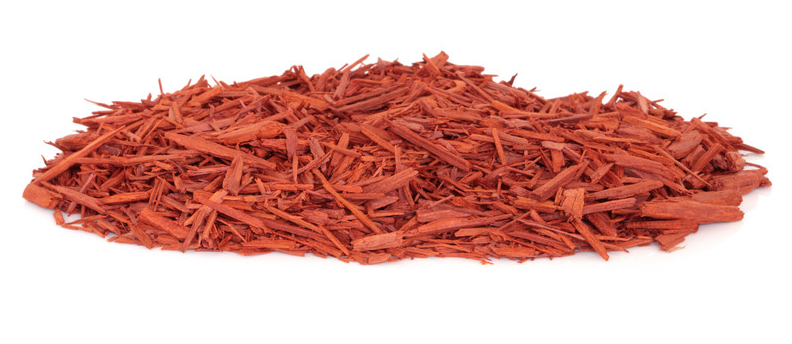
SandalwoodDid you know sandalwood is the  oil of sacred devotion? It helps with all kinds of spiritual worship including prayer, and meditation. It teaches reverence and respect for God. Sandalwood has been used since ancient times. More than 4,000 years ago, it was used to calm the mind, still the heart, and prepare the spirit to commune with Deity. In India, it’s been valued for at least 2,000 years as one of the most sacred trees, and an important part of devotional rituals.

Sandalwood is a tree with a extremely aromatic wood. It is economically and culturally important to many countries around the Pacific and Eastern Indian Ocean regions where it grows or is traded. The wood is used for making furniture, ornaments, sacred objects, carvings, and joss sticks (incense). The essential oil is used in medicine, perfume, and aromatherapy.

The tree is medium sized 12-15 meters tall. The tree reaches its full maturity in 60 to 80 years, which is when the center of the slender trunk (the heart wood) has achieved its greatest oil content. Both the heartwood and roots are fragrant and contain the oil; the bark and sapwood, however, are odorless. The Sandalwood tree is never cut down, but uprooted during the rainy season, when it is richer in precious essential oils.

Essential oils may have also been used in Indian medicine, but were popularized in the west by the perfume industry, and so became applied medicinally in the western world after the 1920’s by French aromatherapists. Sandalwood is very beneficial to the skin; it can help reduce the appearance of scars and blemishes and it promotes a healthy, smooth complexion.

Tangerine-Did You Know?

TangerineDid you know tangerineʼs have strong qualities of cheer and joyfulness? People who at times feel overwhelmed by responsibility would benefit from the the uplifting vibration that comes from tangerineʼs. Another important aspect of tangerine is itʼs ability to help us access our creative energy within our spirit.

The name tangerine comes from Tangier, a port of Morocco, where the first ship with Mandarin oranges arrived from China? This citrus fruit is believed to have originated in Southeastern Asia and since then it has been widely cultivated in different parts of the world.

A tangerine orange is smaller than a regular orange, and contains a strong pleasant fragrance. The fruit is quite fragile but the sections are easy to separate. A medium tangerine provides about 37 calories of food value, the fruit is not only delicious, it is an important addition to any diet.

Tangerine essential oil is great to use when cooking. Tangerine oil contains esters and aldehydes which are sedating and calming to the nervous system and has been studied for its ability to sooth emotions such as grief anger and shock. Like most citrus oils, avoid direct sunlight or UV light for up to 12 hours after using on the skin.

Thyme-Did You Know?

Thyme
Did you know thyme was also associated with courage, bravery and strength in ancient times? For thousands of years, thyme has been a big part of the herb garden, used as an antidote for poison, a plague preventative, a symbol of bravery in battle, and a reliable companion to the grave. Thyme has a far more interesting past than you’d think if you were walking past it in the grocery store today.

Thyme’s reputation as a healer and protector goes back many centuries. Thyme was also associated with bravery, courage, and strength in ancient times. Roman soldiers exchanged sprigs of thyme as a sign of respect. Greeks and Romans burned bundles of thyme to purify their temples and homes, and to recall a spirit of courage in those who inhaled it.

When cooking with thyme, use 1-2 drops in meat and entrée dishes to add a fresh herbal flavor. When using topically, dilute with fractionated coconut oil. Then apply to targeted areas on the skin to purify and promote healthy skin. Add 2 drops to veggie capsules and take internally during winter time to promote immunity.

White Fir-Did You Know?

White Fir
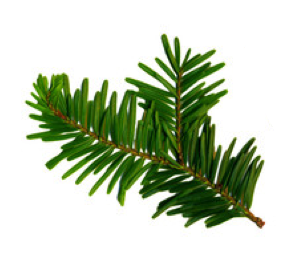
Did you know the white fir is recognizable as the common Christmas tree? It has a distinct, crisp fragrance that is associated with a camp fire, or a roaring fire on a cold winters night. It has a very distinct smell associated with happy memories. As an essential oil it has a very comforting scent. White fir essential oil has quite a few other qualities that makes it a great addition to your medicine cabinet.

White Fir essential oil is most noted for soothing sore muscles and joints and supporting
clear breathing. Aromatically, White Fir evokes feelings of stability, energy, and empowerment. It can be stimulating to the mind while helping the body to relax. Apply to cold, achy muscles and joints during winter time. Diffuse or apply to chest to promote clear breathing. Add 1-2 drops to a hot bath to relax and breathe in White Fir’s cleansing aroma. Diffuse to reduce mental fatigue at work.