Oh, fragrant basil, herb divine, With spicy notes and touch of thyme, You calm the storm, you ease the mind, A tranquil balm for humankind.
In a diffuser, your essence flows, Promoting focus as knowledge grows. While studying or reading through the night, You sharpen thoughts and bring delight.
In kitchens, you take center stage, A single drop on the culinary page, Transforming dishes, fresh and bright, A taste of gardens in every bite.
For weary souls, you’re a tender balm, With wintergreen, you restore the calm. A massage of oils, the stress will cease, Neck to shoulders, you bring sweet peace.
During cycles, you lend your grace, A soothing touch, a warm embrace. Internally taken, a drop will do, To steady and comfort the body anew.
Oh, basil, friend of both heart and plate, A gift from nature, so simple, so great. In every drop, a story untold, Of wellness, flavor, and courage bold.
“Ah, the classic newspaper time warp—where Monday crashes Tuesday’s party, and Thursday’s front page might moonlight as Sunday brunch! Just remember, folks: if you don’t like today’s news, just wait until page 6. And kudos to Robin Shetler for showing us how to make a newspaper sound like a choose-your-own-adventure novel. ‘Turn to page 5 to see what might have happened on Tuesday!'”
The proverb “Symptoms, then, are in reality nothing but a cry from suffering organs” is attributed to Jean-Martin Charcot, a 19th-century French neurologist often regarded as one of the founders of modern neurology. Charcot’s work was groundbreaking in understanding the link between physical symptoms and underlying medical conditions, particularly in the fields of neurology and psychiatry.
Charcot lived during an era when medical science was transitioning from traditional, often superficial treatments to a deeper exploration of the body’s inner workings. He believed that symptoms should not be ignored or merely alleviated—they were the body’s way of signaling distress or dysfunction. This idea was revolutionary at the time, as it encouraged doctors to move beyond treating symptoms to diagnosing and addressing the root causes of diseases.
Charcot’s expertise in neurological disorders, such as multiple sclerosis and Parkinson’s disease, reinforced his belief that symptoms were vital clues. His work emphasized careful observation and listening to the “language” of the body to understand the suffering of its organs. This approach laid the foundation for modern diagnostic techniques, encouraging a more empathetic and scientific method of medical care. The proverb reflects Charcot’s philosophy that every symptom is meaningful, urging physicians and patients alike to view them as essential guides to healing.
To enjoy the benefits of essential oils in your bath, start by adding 3–4 drops of gentle oils like lavender, geranium, or Roman chamomile directly to the bathwater. Alternatively, you can mix 5–10 drops of your favorite essential oil with half an ounce of bath or shower gel for a soothing soak. For an extra touch, combine 5–6 drops of essential oil with ¾ cup of Epsom salts, mix thoroughly, and let the salts dissolve as you fill the tub with warm water.
I enjoy sharing essential oils and when I am not spreading the joy through oils I love writing books. This has become a very fun outlet for me. I hope children enjoy reading this story as much as I enjoyed writing it. This book is geared towards 4th to 6th grade readers.
“Endurance and Triumph” is an exciting adventure story perfect for young readers. Join Ernest Shackleton, a brave explorer, on his epic journey to Antarctica, the coldest place on Earth. Follow Shackleton and his crew aboard the ship Endurance as they face incredible challenges, from getting trapped in thick ice to surviving harsh weather and dangerous icebergs. Through teamwork and Shackleton’s inspiring leadership, the crew overcomes these obstacles, making important scientific discoveries about Antarctica’s history and encountering amazing animals like penguins, seals, and whales. When their ship is crushed by ice, Shackleton leads a daring escape in a small lifeboat to get help, showcasing his determination and courage. The book concludes with the lasting impact of Shackleton’s adventures on modern science and exploration, encouraging young readers to explore their own surroundings and dream big.
I am writing a book. It is for upper grade elementary school kids. The book is called Endurance and Triumph. It is about Ernest Shackleton and his adventures to the South Pole. I know they will like it.
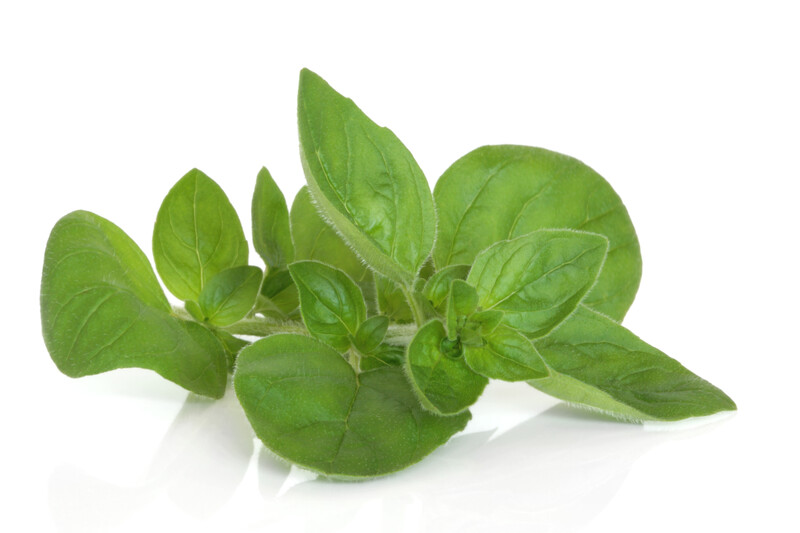
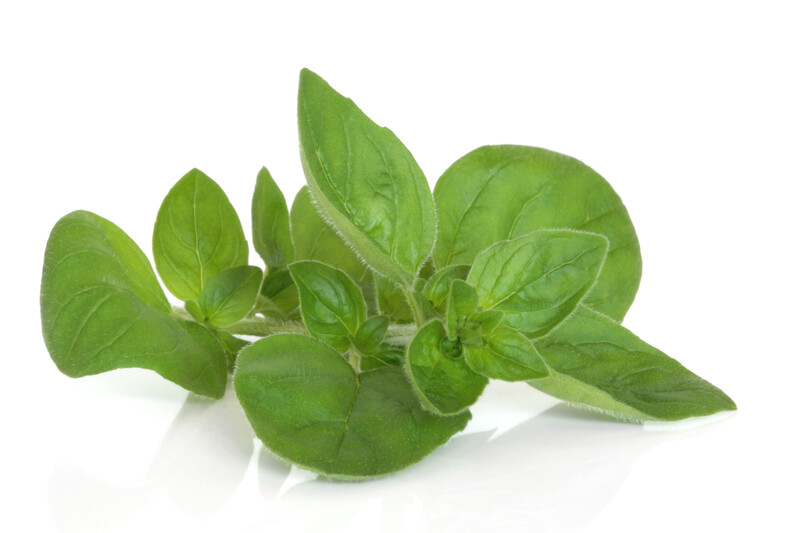
Now, let me tell you a story that stretches back thousands of years, to a time when the world was just beginning to embrace the flavors of herbs. Some say it was around 5,000 years ago when people started to cultivate and cherish these plants, giving rise to an incredible variety of flavors. If you’ve ever tasted the delights of Italian cooking, you might recognize one particular herb that stands out among the rest.
This herb, a member of the mint family, shares its lineage with other renowned herbs like rosemary, sage, and lavender. Its scientific name, Ocimum basilicum, holds clues to its ancient origins. Legend has it that its name could be traced back to Greek mythology, to a tale of a valiant warrior named Ocimus. Some say that this herb sprang forth from the ground where Ocimus met his match in battle. Others believe the name comes from the Greek word “okimon,” meaning “fragrant” – a fitting description for an herb known for its aromatic qualities.
But what about the second part of its scientific name – basilicum? Ah, there are differing theories about this. Some suggest it’s a nod to the Greek word “basileus,” meaning “kingly.” Indeed, this herb has earned the title of the “king of herbs” or the “royal herb,” perhaps because of an ancient belief that it was first grown near the sacred cross of Christ. The Romans even had their own tales, calling it “basiliscus” in hopes that consuming it would ward off fearsome creatures like the basilisk.
Now, journey with me to ancient Greece, where it’s said that Alexander the Great introduced this herb to its shores. Here, this herb took on new meanings – symbols of love, eternal life, and protection in Hindu culture. Stories abound of its powers as a good luck charm, believed to bring wealth and safeguard against harm.
But it’s not just legend and folklore that make this herb remarkable. Extract its essential oil, and you’ll find a scent that invigorates the mind and eases tired muscles. And when consumed as part of a balanced diet, it lends support to our digestive and circulatory systems, contributing to overall well-being.
So, dear listener, the next time you savor its sweet, herbaceous flavor in your favorite dishes, remember the journey of this humble herb basil – from ancient myths to modern-day kitchens. Now you know the rest of the story.



 Len's Oils