Category Archives: Uncategorized

Health Proverb

The health proverb, “The trouble with always trying to preserve the health of the body is that it is so difficult to do without destroying the health of the mind,” is attributed to G.K. Chesterton, the English writer and philosopher known for his wit, wisdom, and paradoxical insights. Chesterton often used humor and irony to challenge societal norms and encourage deeper thinking about the human condition.

Background and Meaning

This particular quote reflects Chesterton’s perspective on the balance between physical and mental well-being. In his time (early 20th century), there was a growing emphasis on physical health, spurred by advancements in medicine and hygiene. Chesterton, however, cautioned against an obsessive focus on bodily health at the expense of mental and emotional well-being.

He argued that excessive concern for physical health—such as extreme diets, fear of germs, or an overemphasis on exercise—can lead to stress, anxiety, and a diminished quality of life. To Chesterton, health was holistic, and striving to maintain one aspect (the body) should not overshadow the importance of joy, creativity, and freedom (the mind).

Modern Relevance

In today’s context, this proverb resonates with concerns about wellness culture, work-life balance, and mental health. It serves as a reminder that well-being requires harmony between body and mind—encouraging people to prioritize mental health and not let the pursuit of physical perfection detract from happiness and peace of mind.

The Spice of Life

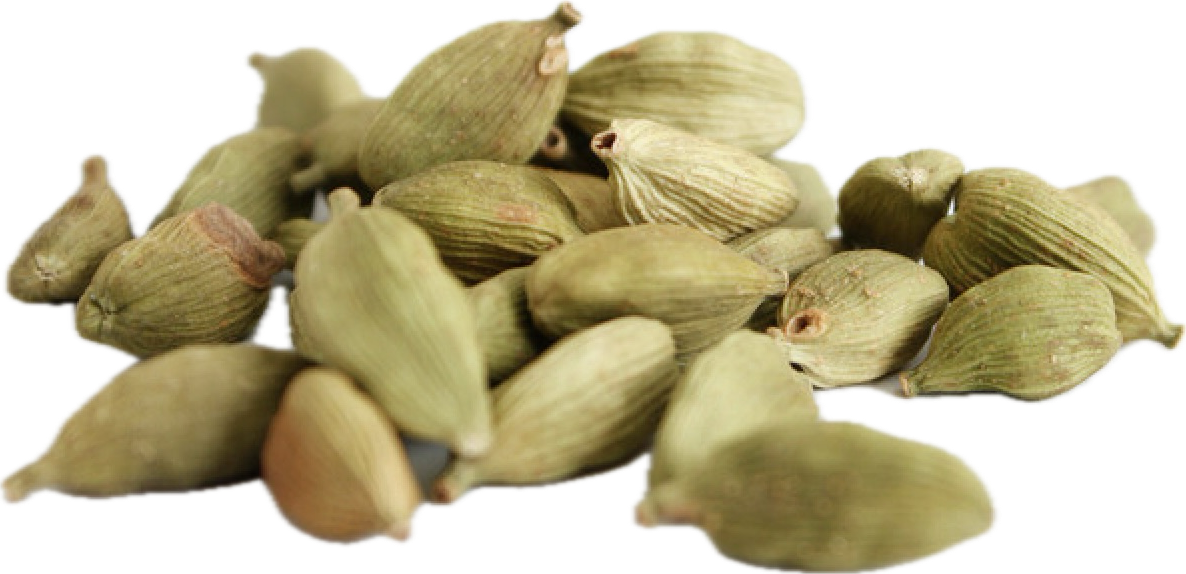
Long ago, deep in the tropical forests of southern India, there thrived a plant shrouded in mystery. Its tall, slender stems reached skyward, while its seeds lay hidden within small, green pods. To those who cultivated it, this plant was a treasure, not just for its unique taste but for its remarkable ability to heal and uplift. For centuries, it was used in rituals and remedies, cherished as both a culinary delight and a soothing balm.

The seeds were painstakingly harvested by hand, dried under the sun, and carried across ancient trade routes. They reached the hands of kings and emperors, their value rivaling that of gold. Traders guarded its secrets fiercely, knowing its essence would fetch the highest prices in the spice markets of Europe and Asia. In every corner of the world, this fragrant seed found its place—infused into teas, ground into powders, and distilled into potent oils.

Legends grew around its powers. Ancient physicians praised it for its ability to calm an upset stomach, soothe nausea, and invigorate the senses. It became a favorite of royalty; Cleopatra herself is said to have used its scent to enchant her guests. The seed’s uses expanded as knowledge traveled, blending into the culinary traditions of countless cultures and the healing practices of generations.

Over time, its cultivation expanded beyond its native India. Farmers in the rainforests of South America began to grow the plant, taking advantage of the warm, humid climate to nurture its delicate pods. This new chapter in its journey spread its reach even further, making its fragrant seeds more accessible to people across the world. Each new region added its own traditions to the plant’s legacy, embedding it deeper into the cultural fabric of humanity.

Today, modern science continues to validate what ancient healers knew. Its oil, extracted through steam distillation, is celebrated for its digestive benefits, its ability to clear the mind, and its aromatic richness. It remains a cornerstone in kitchens and apothecaries alike, revered for its versatility and purity.

And now, cardamom, the unassuming seed from the forests of India and the rainforests of South America, lives on as a timeless treasure. From enhancing the flavors of bread and stews to promoting clear breathing with a diffuser’s gentle mist, it serves as both a culinary marvel and a source of well-being. Its journey through history, carried by the hands of explorers and traders, has secured its place in homes across the globe. A gift of nature, cardamom continues to connect us to the past while enriching our present, offering its fragrant magic to generations yet to come.

How to Use Essential Oils: Cooling

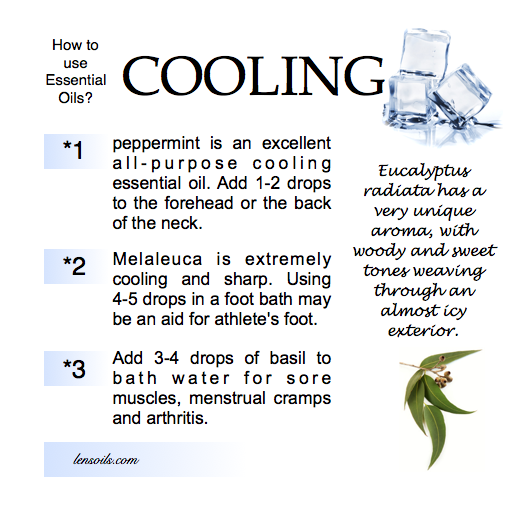
Essential oils can be a wonderful way to cool down and find relief from various discomforts. Peppermint is a versatile, all-purpose cooling essential oil. Applying just 1-2 drops to the forehead or the back of the neck can provide a refreshing, cooling sensation. Eucalyptus radiata is another excellent choice, offering a unique aroma that blends woody and sweet tones with an icy freshness. Its distinct scent not only cools but also invigorates, making it a standout option for those seeking a natural way to refresh and energize.

For targeted cooling and soothing, melaleuca (tea tree oil) is particularly effective. Adding 4-5 drops to a foot bath can aid in relieving discomfort from conditions like athlete’s foot. Basil essential oil is another option for those experiencing sore muscles, menstrual cramps, or arthritis. Adding 3-4 drops of basil oil to bathwater creates a soothing and cooling experience that helps relax the body and ease tension. Explore these oils to enjoy their refreshing and rejuvenating properties.

Health Proverb

The health proverb “Eat well, be active, feel good about yourself” is a modern expression that encapsulates key principles of wellness. It emphasizes the importance of maintaining a balanced diet, engaging in regular physical activity, and nurturing a positive self-image to achieve overall well-being. This simple yet powerful statement highlights the interconnectedness of our physical, mental, and emotional health.

The phrase likely emerged from public health and wellness movements aimed at promoting healthier lifestyles. It reflects the idea that small, consistent habits in eating and exercise can significantly enhance quality of life. Encouraging individuals to feel good about themselves adds a psychological dimension, recognizing the role of self-esteem and emotional health in maintaining a fulfilling and balanced life.

This proverb represents the broader shift in health conversations over recent decades, focusing on prevention and self-care. By integrating these three elements—nutrition, activity, and self-confidence—it offers a holistic approach to achieving and maintaining good health. Its enduring appeal lies in its simplicity and universality, making it a guiding principle for people of all ages and backgrounds.

Essential Oils in the Bible

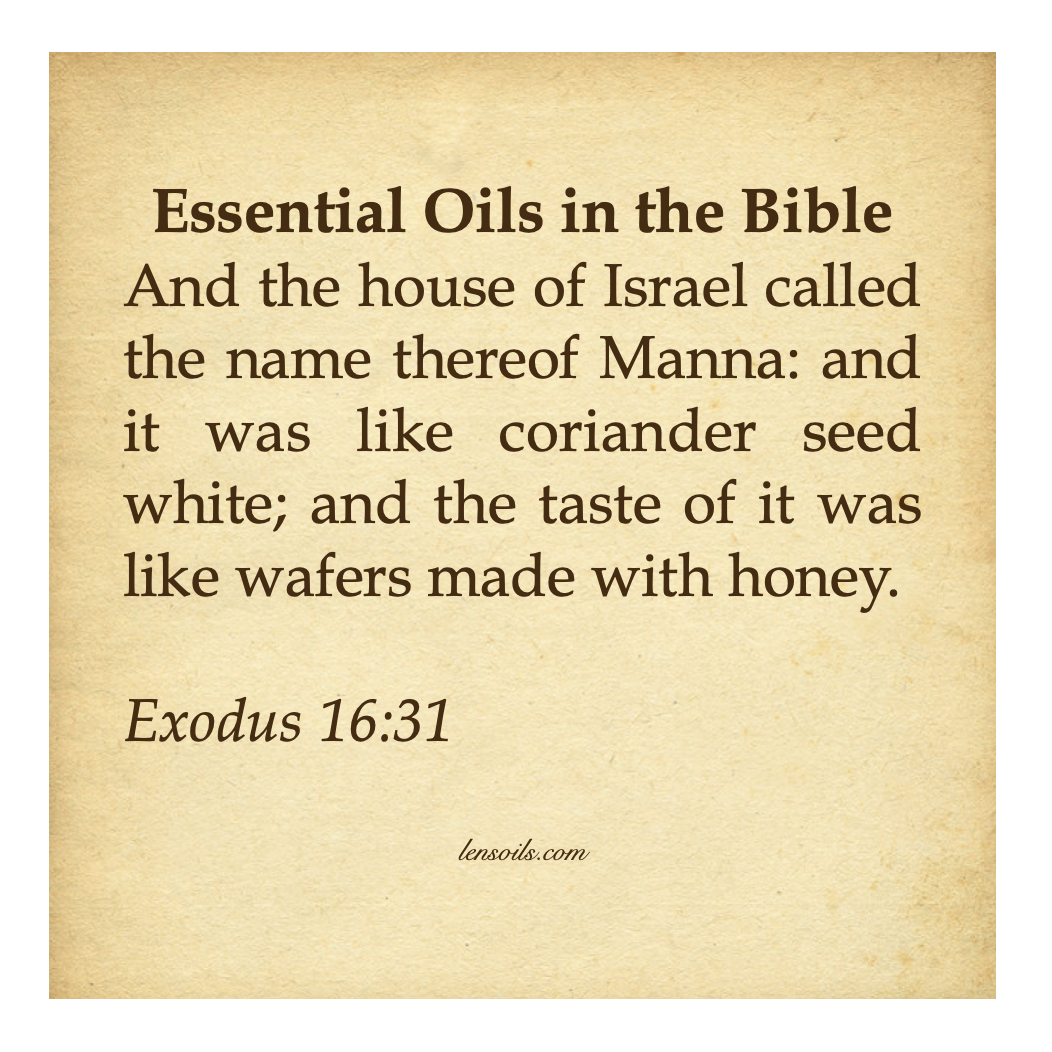
The verse in Exodus 16:31, “And the house of Israel called the name thereof Manna: and it was like coriander seed white; and the taste of it was like wafers made with honey,” recounts a miraculous provision of food from God to the Israelites during their journey through the wilderness after their escape from Egypt. The story of manna is deeply symbolic and reflects themes of trust, divine provision, and sustenance.

After fleeing Egypt and crossing the Red Sea, the Israelites faced hardships, including scarcity of food. They complained to Moses about their hunger, longing for the abundance they remembered in Egypt. In response, God provided manna—a mysterious, edible substance that appeared on the ground each morning like dew. Manna’s description as “like coriander seed, white” and tasting “like wafers made with honey” conveys its nourishing and pleasant qualities, highlighting God’s generosity.

While manna itself isn’t directly connected to essential oils, the Bible often references fragrant plants and resins like frankincense, myrrh, and spikenard, which were used in anointing, worship, and healing practices. Manna shares a similar symbolic role in providing physical and spiritual sustenance. Its sweet taste and miraculous nature reinforced the idea that God would meet the needs of His people, teaching them to rely on Him daily for provision and to obey His commandments.

In broader biblical tradition, manna became a symbol of God’s faithfulness, a lesson in gratitude, and a foreshadowing of spiritual nourishment, as referenced by Jesus in the New Testament when He referred to Himself as the “bread of life” (John 6:35). The connection between natural elements like manna and spiritual truths underscores the Bible’s recurring theme of God’s care through the gifts of creation.

While the verse in Exodus 16:31 doesn’t explicitly mention essential oils, there is a subtle connection to the biblical use of natural substances for physical and spiritual well-being. Manna is described as resembling coriander seed, a plant that is still valued today for its essential oil, known for its warming, energizing, and digestive properties. This description links manna to the natural world and its potential to provide both nourishment and healing.

In biblical times, essential oils and aromatic resins like frankincense, myrrh, and spikenard were widely used not only for anointing and worship but also for their medicinal benefits. Manna, while primarily a miraculous food, fits within this broader biblical theme of God providing sustenance and wellness through nature. The honey-like taste of manna suggests a sweet and wholesome quality, paralleling how essential oils often embody the healing and restorative properties of the plants they are derived from.

This connection can be seen as a reminder of how God’s provision extends beyond immediate needs to include elements of comfort and health. Just as manna sustained the Israelites physically and spiritually in their wilderness journey, essential oils and natural remedies can be seen as part of the divine design for maintaining well-being, echoing the care and nourishment symbolized by manna.

Ode to Basil

Oh, fragrant basil, herb divine,
With spicy notes and touch of thyme,
You calm the storm, you ease the mind,
A tranquil balm for humankind.

In a diffuser, your essence flows,
Promoting focus as knowledge grows.
While studying or reading through the night,
You sharpen thoughts and bring delight.

In kitchens, you take center stage,
A single drop on the culinary page,
Transforming dishes, fresh and bright,
A taste of gardens in every bite.

For weary souls, you’re a tender balm,
With wintergreen, you restore the calm.
A massage of oils, the stress will cease,
Neck to shoulders, you bring sweet peace.

During cycles, you lend your grace,
A soothing touch, a warm embrace.
Internally taken, a drop will do,
To steady and comfort the body anew.

Oh, basil, friend of both heart and plate,
A gift from nature, so simple, so great.
In every drop, a story untold,
Of wellness, flavor, and courage bold.

Funny True Stories

“Ah, the classic newspaper time warp—where Monday crashes Tuesday’s party, and Thursday’s front page might moonlight as Sunday brunch! Just remember, folks: if you don’t like today’s news, just wait until page 6. And kudos to Robin Shetler for showing us how to make a newspaper sound like a choose-your-own-adventure novel. ‘Turn to page 5 to see what might have happened on Tuesday!'”

Health Proverb

The proverb “Symptoms, then, are in reality nothing but a cry from suffering organs” is attributed to Jean-Martin Charcot, a 19th-century French neurologist often regarded as one of the founders of modern neurology. Charcot’s work was groundbreaking in understanding the link between physical symptoms and underlying medical conditions, particularly in the fields of neurology and psychiatry.

Charcot lived during an era when medical science was transitioning from traditional, often superficial treatments to a deeper exploration of the body’s inner workings. He believed that symptoms should not be ignored or merely alleviated—they were the body’s way of signaling distress or dysfunction. This idea was revolutionary at the time, as it encouraged doctors to move beyond treating symptoms to diagnosing and addressing the root causes of diseases.

Charcot’s expertise in neurological disorders, such as multiple sclerosis and Parkinson’s disease, reinforced his belief that symptoms were vital clues. His work emphasized careful observation and listening to the “language” of the body to understand the suffering of its organs. This approach laid the foundation for modern diagnostic techniques, encouraging a more empathetic and scientific method of medical care. The proverb reflects Charcot’s philosophy that every symptom is meaningful, urging physicians and patients alike to view them as essential guides to healing.

How to Use Essential Oils: Bath

To enjoy the benefits of essential oils in your bath, start by adding 3–4 drops of gentle oils like lavender, geranium, or Roman chamomile directly to the bathwater. Alternatively, you can mix 5–10 drops of your favorite essential oil with half an ounce of bath or shower gel for a soothing soak. For an extra touch, combine 5–6 drops of essential oil with ¾ cup of Epsom salts, mix thoroughly, and let the salts dissolve as you fill the tub with warm water.