Category Archives: Better Living

How to Use Essential Oils: Blue Tansy

Blue tansy, also known as Moroccan tansy (Tanacetum annuum), is a Mediterranean plant native to northern Morocco. It produces small yellow flowers, but when distilled into an essential oil, it takes on a deep blue color due to the presence of chamazulene. This compound is responsible for blue tansy’s well-known anti-inflammatory and skin-soothing properties. Traditionally, it has been used in aromatherapy and skincare to promote calmness and relief from irritation. The oil is often diffused to uplift mood and create a relaxing atmosphere, while topical application—diluted in a moisturizer or cleanser—may help reduce the appearance of blemishes and soothe skin irritation.

In modern wellness practices, blue tansy is widely used for relaxation and muscle recovery. Adding 1-2 drops to lotion can create a restoring massage blend, useful for relaxing muscles after a stressful day or intense workout. Due to its natural antioxidant properties, some people also use blue tansy to help protect skin from environmental stressors. However, its role in broader healing processes remains an area requiring more research. While its anti-inflammatory and antioxidant effects may contribute to skin repair, there are limited scientific studies specifically evaluating blue tansy’s ability to aid in wound healing or other physical recovery processes.

Beyond skincare and relaxation, blue tansy is sometimes used for reducing minor discomfort, particularly in muscle and joint care. Its chamazulene content gives it a mild cooling effect, making it a popular choice for soothing soreness. However, while many users report relief from aches and tension, its effectiveness in pain relief beyond topical inflammation has not been extensively studied. As research continues, blue tansy remains a well-regarded essential oil for emotional balance, skincare, and muscle relaxation, though its broader healing properties and pain-relief potential require further scientific exploration.

How to Use Essential Oils:

The Blue Lotus Flower (Nymphaea caerulea) has held deep symbolic and spiritual significance since ancient Egyptian times. Often associated with rebirth and the sun, the flower was depicted in art and religious texts, representing renewal and enlightenment. In Buddhism, the blue lotus symbolizes victory of the spirit over material desires, signifying wisdom and knowledge. Beyond its symbolic meaning, the flower has been valued for its aromatic and therapeutic properties. Today, blue lotus flower essential oil is used in personal care and wellness routines, offering both emotional and physical benefits. The flower contains apomorphine, a natural compound that can act on dopamine receptors, potentially promoting relaxation and mood enhancement. While historical and anecdotal evidence suggests that Blue Lotus has been used to enhance sensuality and intimacy, there is limited modern scientific research confirming its direct aphrodisiac effects.

As an essential oil, blue lotus flower is often diffused for its delicate, floral fragrance, creating a calming and personal aromatic experience. It has also been traditionally used to promote relaxation, with many incorporating it into warm baths before bedtime. Additionally, blue lotus is highly regarded in skincare, as its oil can be blended with fractionated coconut oil or other skin products to help reduce the appearance of imperfections and promote a radiant complexion. The oil’s historical connection to beauty and spirituality makes it a sought-after ingredient in personal wellness rituals, whether for aromatherapy, relaxation, or skin enhancement. While scientific validation for some claims is ongoing, its long-standing use in ancient and modern holistic practices continues to make it a popular choice in essential oil applications.

Among those influencing the modern accessibility of blue lotus flower essential oil, Emily Wright has played a significant role through her work in the essential oil industry. As a co-founder of dōTERRA, Wright has been instrumental in promoting the sourcing and production of high-quality essential oils, ensuring sustainable and ethical practices in the industry. While her direct role in the widespread distribution of Blue Lotus essential oil is not extensively documented, her influence in dōTERRA’s leadership and product development has contributed to making rare, high-quality essential oils more widely available. With its historical roots in ancient healing traditions and its continued relevance in aromatherapy and skincare, blue lotus flower essential oil remains a luxurious and valued addition to modern wellness practices.

One Drop of Oil

Request a free essential oil today


Do you want to expand your health options?
Try using natural essential oils.

Request a a Free Sample.

Please text Free Sample or call me at 801-661-4786
I will be sure to get back to you as soon as possible.
Or
Send me an email at lfish64@yahoo.com
with the heading Free Sample
It will be an honor to help you in any way that I can.
Or
Write me a letter, request a Free Sample


Leonard Fish
5075 Rushton Acres Court
West Valley City, Utah
84120  USA

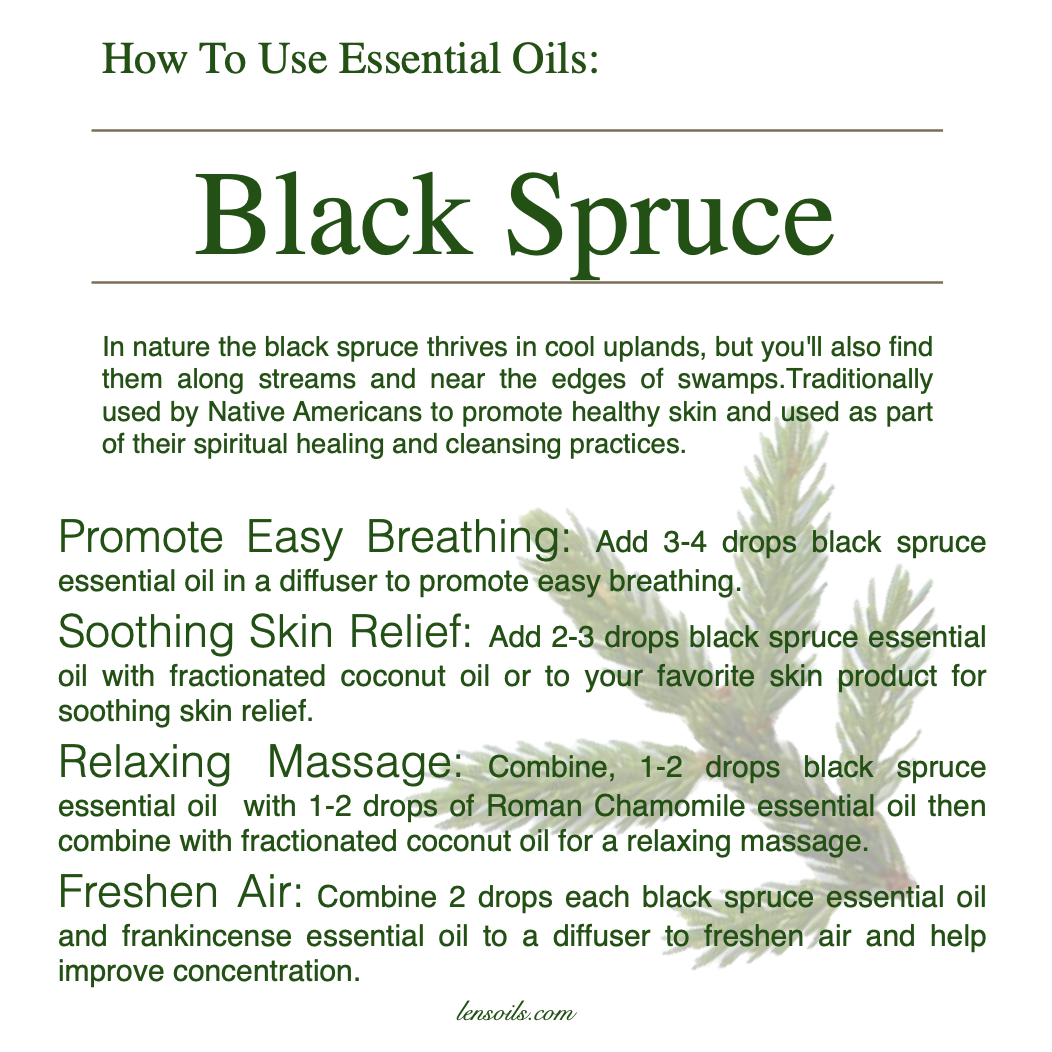
How to Use Essential Oils: Black Spruce

Black spruce is a hardy evergreen that thrives in cool uplands, along streams, and at the edges of swamps. Traditionally, Native Americans used black spruce for its skin-nourishing properties and incorporated it into spiritual healing and cleansing rituals. Its wood and needles were often boiled to create tonics or steam baths, believed to promote overall well-being. The fresh, grounding scent of black spruce essential oil has made it a valuable tool for both physical and emotional healing, with its use continuing in modern herbal and aromatherapy practices.

In modern use, black spruce essential oil is widely recognized for its ability to support respiratory health. Diffusing 3-4 drops can help promote easy breathing, making it useful for seasonal changes or congestion. It is also beneficial for skincare—when blended with fractionated coconut oil or added to a favorite skin product, it provides soothing relief for dryness and irritation. Black spruce is also an excellent oil for relaxation; combining 1-2 drops with Roman Chamomile essential oil and a carrier oil makes for a calming massage blend that can ease tension and promote rest. Additionally, when paired with frankincense in a diffuser, black spruce helps freshen the air and improve concentration, making it a popular choice for both home and workplace environments.

Among these uses, black spruce essential oil is gaining attention for its potential role in supporting adrenal health and reducing stress-related fatigue. The oil contains bornyl acetate, a compound known for its calming effects, which mayhelp reduce feelings of burnout and support the body’s natural stress response. While many aromatherapy practitioners advocate for its benefits in stress relief, scientific studies on black spruce specifically for adrenal support remain limited. However, its grounding properties make it a widely used oil for promoting emotional balance. Whether for skincare, respiratory support, or relaxation, black spruce essential oil remains a versatile and grounding choice in natural wellness, though further research may provide deeper insights into its full range of benefits.

How to Use Essential Oils: Black Pepper

Black pepper essential oil is rich in monoterpenes and sesquiterpenes, powerful compounds known for their antioxidant properties. These compounds help the body combat environmental and seasonal challenges by supporting overall immune function. Beyond its internal benefits, black pepper essential oil is commonly used to promote circulation and soothe sore muscles. Its warming properties make it a popular choice for massage therapy when combined with a carrier oil, helping to relax tense muscles and joints. Historically, black pepper has been valued not only as a prized spice but also for its medicinal benefits in traditional healing practices.

Incorporating black pepper essential oil into a daily routine can offer multiple benefits. Taking 1-2 drops in a veggie cap can provide support during times of seasonal threats, while adding a drop to meals enhances the flavor of meats, soups, and entrées. It is also known for its ability to soothe anxious feelings, as inhaling its warm, spicy aroma can help promote emotional balance. Additionally, black pepper oil can aid digestion when taken internally, helping to stimulate digestive enzymes and improve nutrient absorption. Its ability to support gut health makes it a useful tool for those looking to improve overall digestive function naturally.

Among these uses, black pepper essential oil is also recognized for its potential role in supporting nicotine withdrawal. Research suggests that inhaling black pepper essential oil may help reduce cravings and withdrawal symptoms for those trying to quit smoking. The oil’s stimulating properties can mimic the sensation of inhaling tobacco, which may help curb the urge to smoke. This makes black pepper essential oil a valuable tool not only in cooking and wellness but also in lifestyle changes aimed at promoting better health.

How to Use Essential Oils: Birch

Birch essential oil has a strong, minty aroma that is often mistaken for wintergreen. Though the two are not botanically related, they share nearly identical chemical constituents, particularly methyl salicylate, which gives them their signature scent and pain-relieving properties. Birch has a long history of use, dating back to American Indian tribes and early American settlers who brewed tea from its bark. This tea was valued for its ability to ease discomfort and support overall wellness, making birch a staple in traditional herbal practices.

Today, birch essential oil is commonly used for its respiratory and skincare benefits. Diffusing 3-4 drops can help promote clear breathing, making it useful during seasonal changes or when dealing with congestion. Its astringent properties also make it beneficial for oily skin—mixing a few drops into a favorite lotion may help balance excess oil and improve skin texture. Additionally, birch oil is well known for its ability to soothe sore muscles. When blended with fractionated coconut oil or a sports cream, it provides relief after intense activity, making it a favorite among athletes and those with active lifestyles.

Among these uses, birch essential oil is also valued for its ability to enhance focus and mental clarity. Adding 3-4 drops to a diffuser can help sharpen concentration, making it an excellent oil to use during study sessions or work. Additionally, some research suggests that birch may have antimicrobial properties, which could make it a useful natural addition to home cleaning solutions. With its fresh, crisp aroma and diverse applications, birch essential oil remains a powerful and versatile tool in natural wellness.

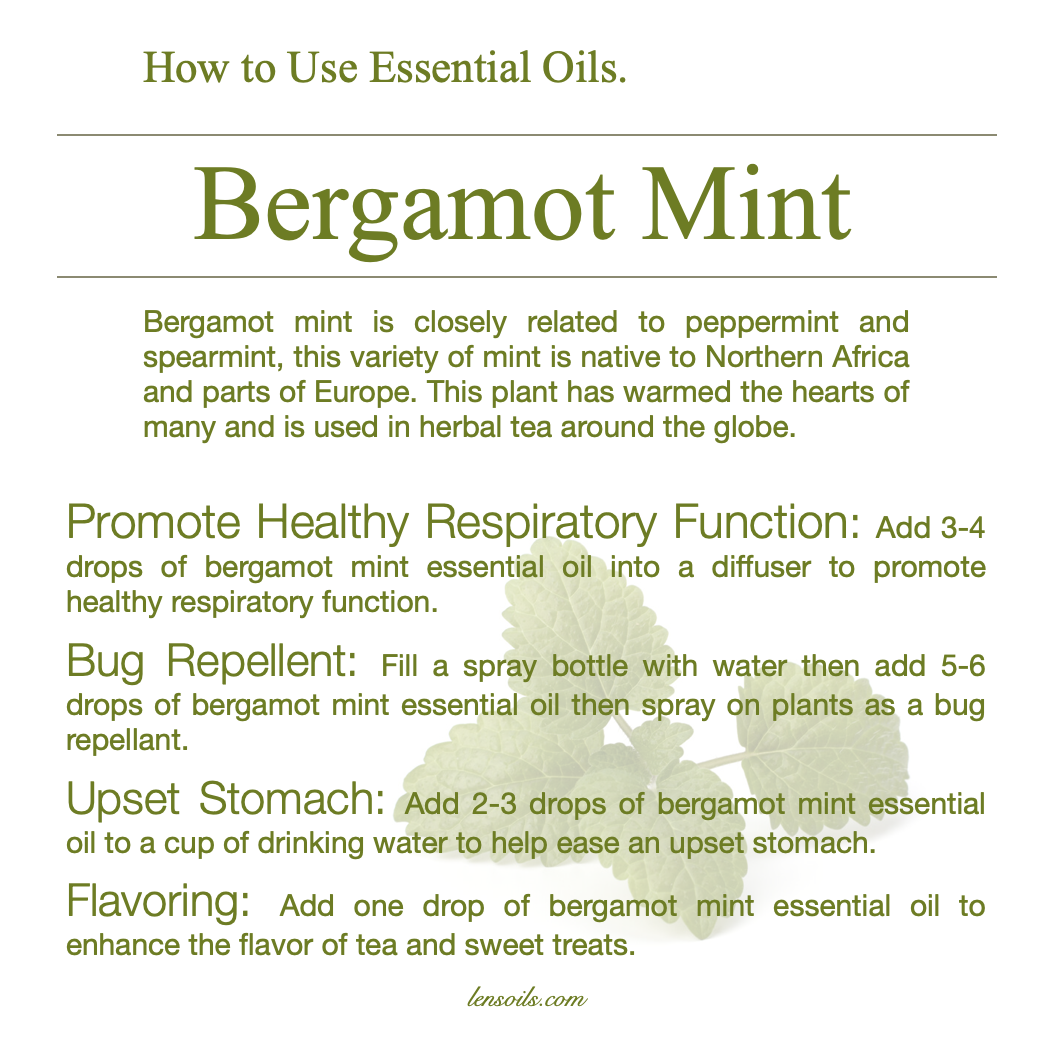
How to Use Essential Oils: Bergamot Mint

Bergamot mint, a close relative of peppermint and spearmint, is native to Northern Africa and parts of Europe. Unlike true bergamot, which comes from citrus, bergamot mint belongs to the mint family and carries a mild, floral aroma with hints of citrus. This plant has been cherished for centuries, commonly used in herbal teas worldwide for its soothing properties. Its gentle scent and refreshing taste make it a favorite in both culinary and wellness applications, providing a natural way to uplift the senses and promote relaxation.

Beyond its pleasant aroma, bergamot mint essential oil offers a range of health benefits. Diffusing 3-4 drops can support healthy respiratory function, helping to clear airways and promote easier breathing. It is also known for its ability to repel insects naturally—adding 5-6 drops to a spray bottle filled with water and misting it on plants can deter pests without the use of harsh chemicals. For digestive support, 2-3 drops in a cup of water can help soothe an upset stomach, making it a useful remedy for occasional discomfort. Additionally, a single drop can enhance the flavor of teas and desserts, bringing a fresh, minty-citrus note to homemade treats.

Among these uses, bergamot mint is also valued for its calming and stress-relieving properties. It contains linalool and linalyl acetate, compounds commonly found in lavender, which contribute to relaxation and emotional balance. This makes bergamot mint an excellent choice for aromatherapy, particularly for those who want the benefits of mint without the intensity of peppermint or spearmint. Whether used to support digestion, freshen the air, or promote relaxation, bergamot mint is a versatile essential oil that blends the best qualities of both citrus and mint.

How to Use Essential Oils: Bergamot

Bergamot is the most delicate of the citrus plants, requiring a unique combination of climate and soil to thrive. Known for its uplifting and calming properties, bergamot has been used by Italians for centuries to help reduce feelings of stress and promote overall well-being. It is a popular choice for aromatherapy, often diffused in classrooms, workplaces, or homes when tension runs high. Just a few drops in a diffuser can create a soothing environment that fosters relaxation and mental clarity.

Beyond its effects on mood, bergamot essential oil is highly valued for its skin-purifying benefits. When applied during a shower, it not only provides a calming aroma but also supports clear, healthy skin. Mixing bergamot oil into a DIY facial cleanser enhances its cleansing properties, helping to refresh and rejuvenate the complexion. It can also be used in a relaxing nighttime routine by applying a few drops to the bottom of the feet or blending it with fractionated coconut oil for a soothing massage before bed.

In addition to its well-known stress-relieving and skincare benefits, bergamot has been studied for its potential impact on digestion and appetite regulation. Some research suggests that bergamot essential oil may help support healthy metabolic function when taken internally in small, appropriate amounts. Its ability to balance emotions, improve skin health, and potentially aid digestion makes bergamot an incredibly versatile essential oil with a long history of use in both traditional and modern wellness practices.

Lessons From Fishing

When I was nine or ten, I went fishing with my dad and older brother. I loved spending time with my dad because he was always busy, and these moments were rare and cherished. We spent the day together by the water, laughing and bonding. I can still remember the excitement of reeling in three or four good-sized fish. I felt so proud of what we’d caught—until the next part.

When it was time to gut the fish, my dad and brother handled the task while I stood off to the side, horrified. Watching them clean the fish was absolutely disgusting to me, and it took away some of the magic of the day. Things didn’t improve when we got home. My mom cooked up the fish, filling the entire house with the smell of fried fish. We sat down as a family to eat, but I struggled to enjoy the meal. No matter how carefully I picked through my portion, I always seemed to miss a bone. The fishy taste and lingering smell made the experience worse. From that day on, I decided: I don’t like catching or eating fish.

This simple rule—”don’t eat the fish”—has stayed with me ever since. It’s a personal rule rooted in a negative experience, but it’s one that works for me. For others, though, it would seem ridiculous. Many people love fishing and enjoy fresh fish, but my rule is shaped by my personal history, just as others’ habits and rules are shaped by theirs.

How often do we follow rules without questioning them? Many of the things we do are based on negative experiences, traditions, or habits passed down from others without us fully understanding why. For instance, I’m reminded of a story about Mary, who was preparing a ham for dinner. One of her children asked, “Why do you cut off the end of the ham before putting it in the pan?” Mary replied, “That’s how my mom always did it.” Curious, Mary called her mother to ask why. Her mom laughed and said, “I only did that because my pans were too small to fit the whole ham.”

This story illustrates how much of what we do is based on what’s been handed down to us. We often follow practices or traditions without stopping to ask if they still make sense or serve us well. When it comes to our health, this is especially true. Many of us, when we get sick, instinctively reach for over-the-counter pain relievers or other medications because that’s what we were taught to do. It’s what we’ve seen and experienced, so we repeat it.

But now we know better. With every man-made drug, there are potential side effects—some minor, others dangerous and harmful to our health. Thankfully, there’s another option. I’ve discovered the power of essential oils, which offer natural, effective solutions without the dangerous side effects of synthetic drugs.

Essential oils have transformed the way I approach my health. These powerful, plant-based remedies have been studied for their healing properties, and I’ve experienced their benefits firsthand. Whether I’m dealing with a headache, a cold, or simply trying to stay well, essential oils are my first line of defense. They’re not just effective—they’re also a reminder that sometimes the best solutions are the simplest and most natural ones.

My fishing story might seem unrelated to essential oils at first, but they’re both about learning from our experiences. That day on the lake taught me a lot—not just about fish, but about how personal experiences shape our choices. Just as I chose not to eat fish based on my childhood, I’ve now chosen essential oils as a healthier alternative for my well-being. It’s a choice rooted in knowledge, growth, and a desire for something better. And like fishing with my dad and brother, it’s a journey I’m grateful for, even if it didn’t start out perfectly.


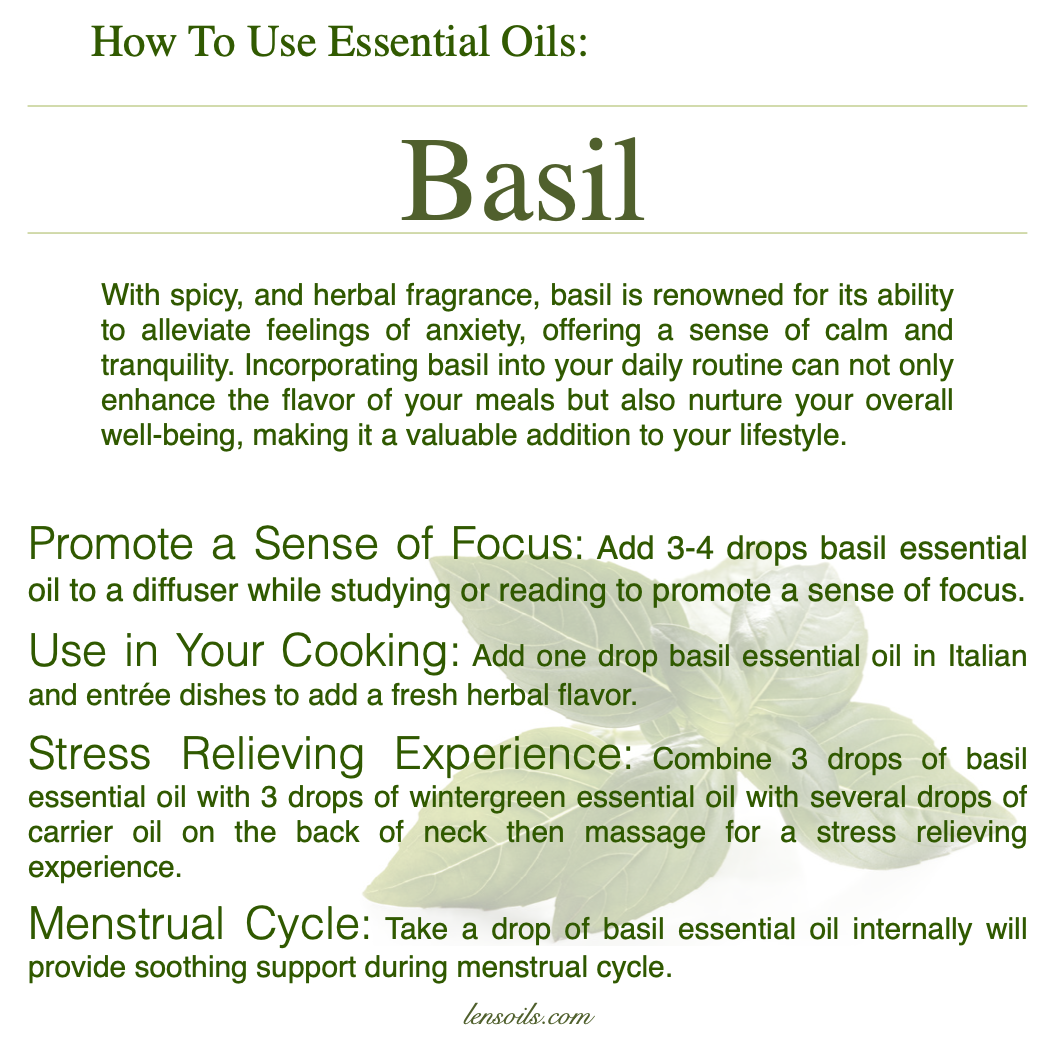
How to Use Essential Oils: Basil

Basil essential oil, with its spicy and herbal fragrance, is well known for its calming properties. It is particularly effective in alleviating feelings of anxiety, promoting a sense of calm and tranquility. Incorporating basil into daily routines can provide both emotional and physical benefits, making it a valuable addition to self-care practices. Whether diffused for relaxation or applied topically for stress relief, basil oil can help enhance overall well-being while also offering its signature fresh scent.

Beyond its calming effects, basil essential oil is widely used to promote focus and mental clarity. Adding 3-4 drops to a diffuser while studying or reading can create a stimulating environment that enhances concentration. In the kitchen, basil essential oil can bring a burst of fresh herbal flavor to Italian dishes, soups, and entrees. For stress relief, combining 3 drops of basil essential oil with 3 drops of wintergreen oil and a carrier oil can create a soothing neck massage blend. Additionally, taking a drop of basil essential oil internally may provide comfort and support during the menstrual cycle, helping to ease occasional discomfort.

Basil essential oil also offers benefits for respiratory health. When inhaled, it can help open airways and promote clearer breathing, making it useful for seasonal changes or congestion. One simple way to use basil oil for respiratory support is to add a few drops to a bowl of steaming water, cover the head with a towel, and inhale deeply. This method can help ease breathing discomfort and provide a refreshing, invigorating experience. With its diverse applications, basil essential oil is a versatile and beneficial oil for both wellness and culinary use.