“I have never yet met a healthy person who worried very much about his health, or a really good person who worried much about his own soul.” —John B. S. Haldane
Or… kind of like how the person who says “I’m not competitive” is usually the one flipping the board game when they lose.
—Meaning: when you’re genuinely well or truly good, you live it naturally — you don’t have to obsess over proving it.
My grandma had a saying she repeated often: “Life is like a train, child. You don’t stay at every stop, and not everyone rides with you until the end.” As a child, I didn’t really understand what she meant, but now, as the years pass and my own hair turns gray, I see the deep truth in her words.
When you’re young, the train is loud, fast, and crowded. Everyone seems to be on board—friends from school, neighbors, coworkers, and family. The compartments are filled with laughter, excitement, and plans that make it feel like the ride will last forever.
As the journey continues, people begin to get off at different stops. Some leave because their path takes them elsewhere, while others are lost suddenly, leaving behind empty seats we can’t bear to look at. With time, the train feels quieter, and we start to understand how precious every shared mile truly was.
That’s when Grandma’s wisdom comes alive inside me. She said the secret wasn’t to mourn every passenger who leaves, but to treasure the ones still sitting beside you. Her voice reminds me to look out the window and notice the scenery that’s always changing.
There are sunrises, fields, cities, mountains, and long stretches of open sky—all part of the same ride. Each moment, like each passenger, has its own season and beauty. The view outside keeps shifting, teaching us to appreciate what’s here before it’s gone.
Now, when I visit her memory in my heart, I can almost hear her voice again. “Don’t be afraid when the train empties out,” she said gently. “Be grateful you had company for as long as you did, and when your stop finally comes, step off with peace.”
Life truly is like a train—filled with comings and goings, goodbyes and reunions. It carries moments of noise and stretches of silence that teach us who we are. By the time we reach the last station, we realize the ride was beautiful not because it was perfect, but because it was ours.
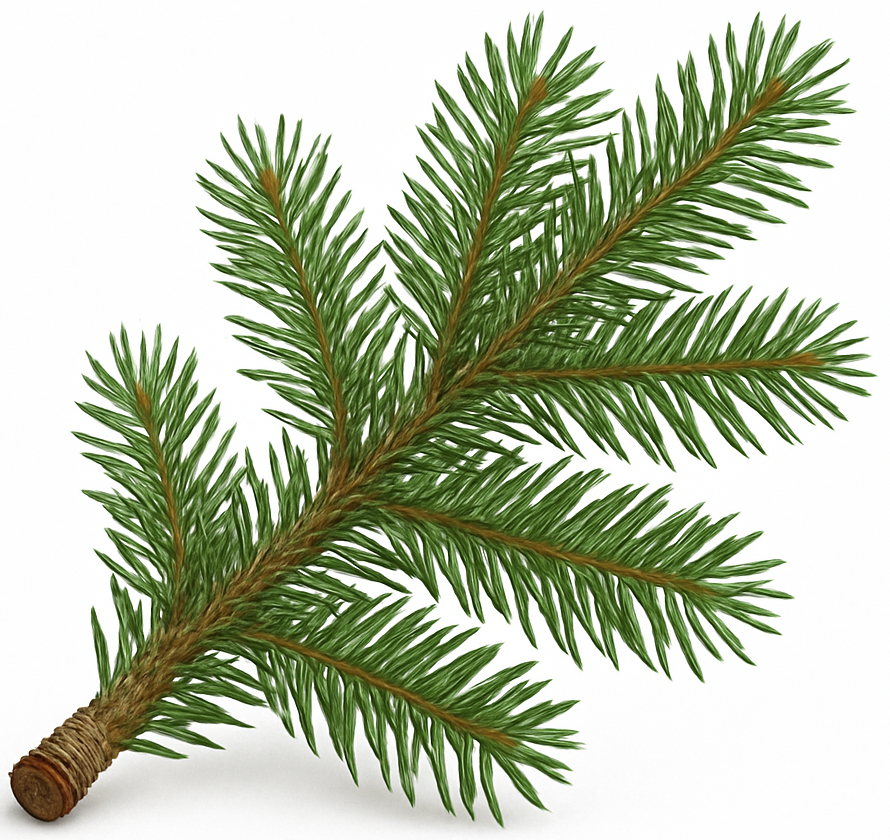
Douglas Fir essential oil, distilled from the needles and branches of the towering Pseudotsuga menziesii tree, has a clean, fresh, and slightly lemony pine aroma. Native to North America, Douglas firs are iconic evergreens that can grow over 300 feet tall and live for centuries. In essential oil form, its bright, woodsy fragrance is often used to purify the air, uplift the mood, and bring the refreshing scent of the forest indoors. Diffused, it creates an environment that feels open, crisp, and revitalizing.
Beyond its invigorating scent, Douglas Fir essential oil is valued for its ability to promote clear breathing and emotional balance. It blends well with citrus oils like lemon or bergamot for an energizing aroma, or with grounding oils such as cedarwood to create a calming, forest-like experience. Many people also enjoy using it in natural cleaning sprays or massage blends for its fresh, cleansing qualities. Its combination of brightness and grounding notes makes it one of the most versatile conifer oils in aromatherapy.
Did You Know? The Douglas fir is not a true fir at all—it belongs to its own genus, Pseudotsuga. Despite this, it is one of the most important timber trees in North America, prized for its strength and resilience. Some Douglas firs are believed to be over 1,000 years old, and their massive trunks and towering height have made them symbols of endurance and vitality. Today, Douglas firs are also a favorite choice for Christmas trees because of their soft needles and uplifting scent.
Or… basically, when you’re sick, your grandma will either stuff you with soup or forbid you from touching the fridge — and somehow both are “doctor’s orders.”
—Meaning: listen to your body. Sometimes it needs fuel, sometimes it needs rest.
It began high in the misty mountains, where towering evergreens pierced the clouds and the air always seemed a little lighter. These trees stood like guardians of the land, their scent riding the breeze long before footsteps touched the trail. Long ago, Indigenous communities in the Pacific Northwest made good use of them. The twigs were added to steam baths. The sap was applied with care. The needles were brewed into tea. And though no one wrote it down at the time, the knowledge passed from hand to hand, heart to heart. They didn’t need proof. They just knew.
Early settlers learned from what they saw and felt. After chopping wood or hunting game, they noticed how the forest seemed to restore something in them. A fresh bundle of needles in the cabin could clear the air. The resin, rubbed into sore muscles, seemed to ease tension. In winter, a hot drink steeped from green needles wasn’t just comforting—it felt necessary. People came to trust the tree, even before they knew its name.
Only in more recent times did anyone stop to measure what had always been felt. Scientists began taking a closer look at what made the scent so uplifting and the forest air feel so restorative. They found natural compounds in the oil that gave it a crisp, clean, slightly citrusy aroma. The same compounds showed promise in lab tests for keeping surfaces clean and lifting the mood during a foggy afternoon. But most people didn’t need the data. They’d already been using it for years.
In forested valleys, the practice continues. Harvesters still clip needles and twigs by hand, often in the early morning when the trees are still damp with mountain dew. Timing matters. So does care. A slight change in season or elevation can alter the character of the oil. That’s why those who value it most partner directly with growers who understand the land. One such company, doTERRA, has made it their mission to work with forest stewards—preserving the integrity of the process, supporting communities, and protecting the wild stands that have given so generously.
The tall tree with soft green needles and a bright, woodsy scent has long helped people breathe easier, feel more grounded, and reconnect with the calm of the forest. And that name? It didn’t come from the people who lived under its shade for centuries. It came later, in 1825, when a young Scottish botanist named David Douglas traveled across North America on behalf of the Royal Horticultural Society. Among many plants he documented, this towering conifer stood out—and so the tree was named in his honor. This tree is Douglas Fir. Now you know the rest of the story
Davana essential oil, distilled from the leaves and flowers of the Artemisia pallens plant, is treasured for its rich, fruity, and slightly woody aroma. Native to southern India, it has been used for centuries in traditional practices, especially in Ayurveda and spiritual ceremonies. Its exotic fragrance makes it a rare and prized addition to perfumery, where it is valued for its ability to bring warmth, depth, and a unique sweetness to blends. Diffused, it creates a calming, uplifting environment that feels both luxurious and comforting.
Beyond its aromatic appeal, davana essential oil is often turned to for supporting emotional balance and easing daily tension. It blends well with bright citrus oils such as orange or bergamot for cheerful diffuser recipes and pairs beautifully with grounding oils like sandalwood or patchouli for meditation or relaxation. Its sweet, almost apricot-like scent makes it a favorite in natural perfumes, lotions, and personal care blends where a touch of richness is desired.
Did You Know? In India, davana flowers are traditionally offered to Lord Shiva as a sign of devotion and purity. One of its most fascinating qualities is that the oil’s aroma changes slightly depending on each person’s chemistry, making it smell different on different individuals. This rare trait has made davana one of the most sought-after oils in luxury perfumery, prized for its ability to create a scent that feels uniquely personal.
“To ensure good health: Eat lightly, breathe deeply, live moderately, cultivate cheerfulness, and maintain an interest in life. —William Londen”
Or, in other words: don’t just count calories, count moments. Laughter is cheaper than medicine, curiosity lasts longer than vitamins, and joy is the best daily workout.
Cypress essential oil, distilled from the branches of the Cupressus sempervirens tree, has a fresh, clean, and slightly woody aroma that reflects its evergreen nature. Native to the Mediterranean, the cypress tree has long been seen as a symbol of strength and resilience, often planted in sacred spaces and near places of remembrance. In essential oil form, its crisp fragrance is valued for promoting vitality and mental clarity. Diffused, it refreshes the air and fosters a sense of balance and calm.
Beyond its aromatic qualities, cypress essential oil is commonly used in massage and wellness practices to support circulation and ease occasional tension. It blends well with citrus oils like lemon or grapefruit for an invigorating atmosphere, or with floral oils like lavender for a more grounding effect. Its purifying aroma also makes it a useful addition to natural deodorants, cleansers, and sprays, where it brings a feeling of freshness and renewal.
Did You Know? Cypress trees are incredibly long-lived, with some species able to thrive for over a thousand years. In ancient cultures, the tree symbolized eternal life, and its durable wood was used to craft statues and sacred objects. Today, tall rows of cypress trees remain an iconic feature of Mediterranean landscapes, serving as both natural windbreaks and enduring reminders of stability through the ages.
If you are ready to look at the world from a different point of view.
Give me a call 801-661-4786 or send me an email lfish64@yahoo.com TEXT FREE SAMPLE if you would like to try an essential oil.
I love sharing essential oils with people for a new way to look at health and wealth.
“Kindness, like grain, increases by sowing… but thankfully, you don’t need a tractor or overalls to spread it around.” —Meaning: small acts of kindness can multiply just as crops do—minus the farm equipment.






 If you are ready to look at the world from a different point of view.
 Len's Oils