All posts by lfish64

Unknown's avatar

About lfish64

I love sharing my knowledge of essential oils, healthy living, and positive thinking with others.

How to Use Essential Oils: Energy Boost

Essential oils can be a natural way to boost energy and increase alertness throughout the day. One of the best ways to start your morning is by adding a few drops of peppermint or eucalyptus oil to the shower floor. As the steam rises, it carries the invigorating aroma of the oils, helping to wake up the senses and provide a refreshing start to the day. This method is especially useful for those who struggle with grogginess in the morning or need an extra push to feel energized.

For a portable energy boost, creating a DIY roll-on blend can be an effective solution. Mixing wild orange, peppermint, and lemon essential oils with a carrier oil in a roller bottle makes it easy to apply to pulse points such as the wrists, neck, or temples. This blend provides an uplifting and revitalizing scent that can be used throughout the day. Another quick method to regain energy is inhalation—simply rub peppermint oil in the palms, cup hands over the nose, and take deep breaths. This technique is particularly useful for afternoon slumps, helping to increase focus and refresh the mind.

Another lesser-known but effective method for boosting energy is using essential oils with a cold compress. Soaking a washcloth in cold water infused with peppermint or rosemary oil, then wringing it out and applying it to the back of the neck, provides a refreshing and cooling effect. This technique can help reduce fatigue, regulate body temperature on hot days, and provide instant invigoration. Incorporating these methods into a daily routine can naturally enhance energy levels and improve overall well-being.

Essential Oil Diffuser Blends: Douglas Fir

Douglas Fir essential oil, with its fresh, clean, and slightly sweet evergreen scent, is a fantastic choice for creating diffuser blends that evoke the outdoors and bring a sense of calm and clarity. This versatile oil pairs beautifully with citrus oils like Lemon, Grapefruit, and Bergamot, adding a bright and uplifting note to its woodsy aroma. For a grounding and earthy vibe, blend Douglas Fir with Cedarwood, Sandalwood, or Vetiver. It also complements other tree oils like Siberian Fir, Black Spruce, and Cypress for a rich, forest-inspired aroma. To create a refreshing and invigorating blend, try pairing it with Peppermint or Eucalyptus. Douglas Fir’s versatility also extends to blending with warm spices like Clove or Cinnamon for a cozy, wintery feel. Whether you’re seeking a grounding, energizing, or soothing experience, Douglas Fir brings a crisp and natural element to any diffuser recipe.

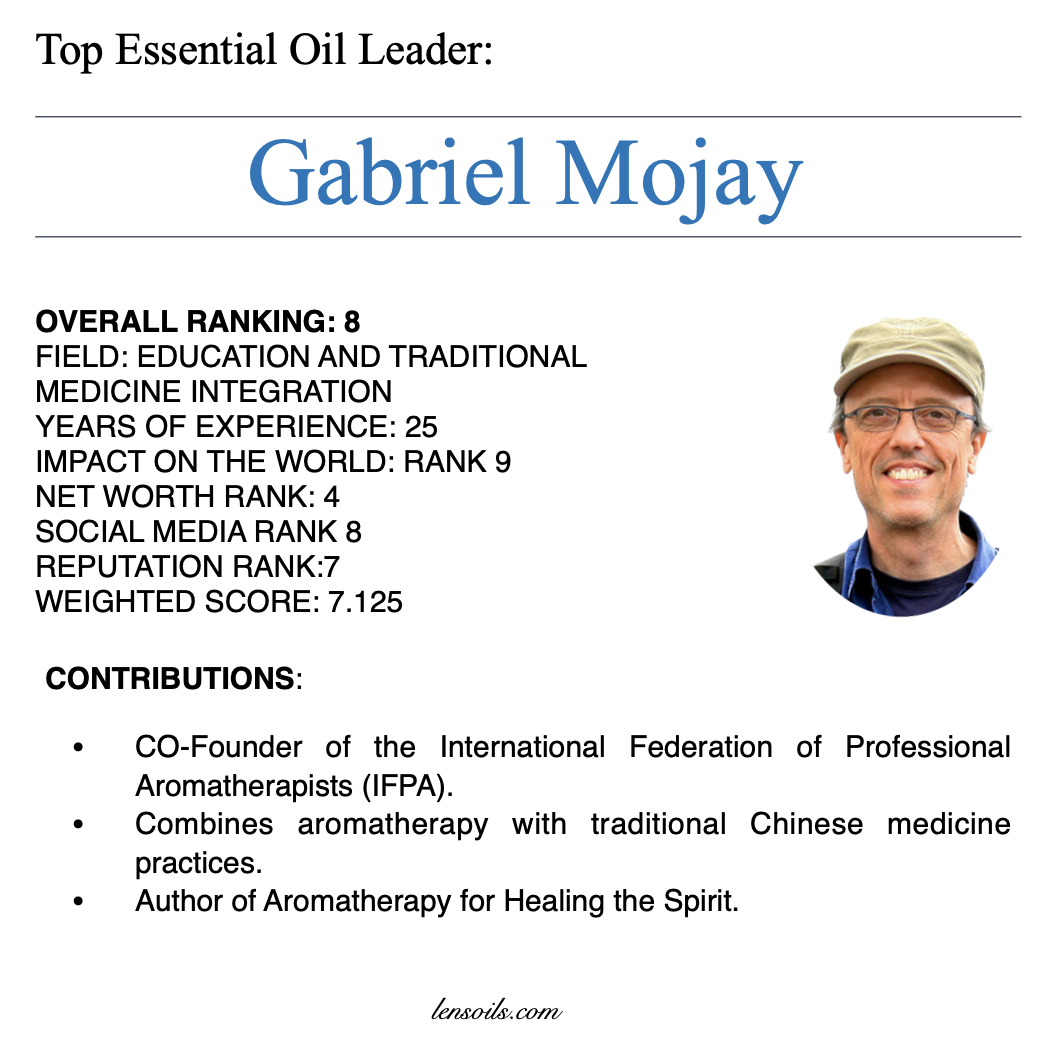
Top Essential Oil Leader: Dr. Daniel Pénoël

Dr. Daniel Pénoël: A Visionary in Essential Oils

Dr. Daniel Pénoël’s journey into the world of essential oils began long before his professional career, rooted in a childhood filled with curiosity about nature and science. Growing up in the picturesque countryside of France, he was surrounded by fragrant lavender fields and the gentle hum of bees. His early years were spent exploring the natural world, collecting wildflowers, and observing the rhythms of the environment. Encouraged by his parents, who valued both education and the beauty of nature, young Daniel developed a fascination with the healing properties of plants. This passion for understanding the natural world laid the foundation for his future as a pioneer in the study and application of essential oils.

As Dr. Pénoël pursued higher education, his academic path led him to medicine, where he excelled in both traditional and holistic approaches to health. He graduated with a medical degree from France’s esteemed Faculty of Medicine in Montpellier, one of the oldest medical schools in the world. His training in conventional medicine gave him a firm understanding of the human body, but he quickly realized there was more to healing than pharmaceuticals. His passion for natural therapies, particularly the use of plant-based remedies, steered him toward aromatherapy and essential oils—a field he would come to revolutionize.

Dr. Pénoël’s research into essential oils began with a desire to bridge the gap between science and nature. He was fascinated by the idea that essential oils, with their complex chemical compositions, could offer profound therapeutic benefits. He devoted years to studying the biochemistry of essential oils, analyzing their components and how they interact with the human body. This scientific rigor set him apart, as he sought to bring evidence-based practices to a field that was often dismissed by the medical establishment.

Through his studies, Dr. Pénoël discovered the wide-ranging applications of essential oils, from supporting emotional well-being to addressing chronic physical conditions. He became particularly interested in the antimicrobial properties of oils like oregano and thyme, as well as the calming effects of lavender. His research demonstrated how essential oils could be used not only to alleviate symptoms but also to address underlying imbalances in the body, offering a truly holistic approach to health.

In addition to his groundbreaking research, Dr. Pénoël was a gifted educator. He traveled the world, sharing his knowledge with healthcare professionals and aromatherapy enthusiasts alike. His lectures combined scientific depth with practical application, making complex topics accessible to diverse audiences. He believed in empowering others with the knowledge to use essential oils safely and effectively, fostering a global community of informed practitioners.

Dr. Pénoël’s work extended beyond academia and lectures; he was also a prolific author. His books, including L’Aromathérapie Exactement (Aromatherapy Exactly), became essential resources for anyone serious about essential oils. These works provided a detailed exploration of the therapeutic potential of essential oils, supported by scientific evidence and real-world case studies. His writing not only educated but also inspired, sparking a deeper appreciation for the synergy between science and nature.

As a clinician, Dr. Pénoël integrated essential oils into his medical practice, using them alongside conventional treatments to address a wide range of health issues. He demonstrated how essential oils could complement traditional medicine, whether in managing infections, reducing inflammation, or promoting emotional resilience. His success in combining these approaches earned him the respect of both his patients and his peers, further cementing his reputation as a pioneer in the field.

One of Dr. Pénoël’s most significant contributions was his role in developing quality standards for essential oils. He worked tirelessly to ensure that the oils used in therapy were pure, unadulterated, and sourced ethically. His advocacy for transparency and accountability in the industry helped raise the bar for essential oil production and usage, ensuring better outcomes for consumers and practitioners alike.

Dr. Pénoël’s holistic philosophy extended beyond essential oils to embrace the interconnectedness of health and the environment. He emphasized the importance of sustainability and ethical sourcing, advocating for practices that respected both the planet and the people involved in producing essential oils. This vision of harmony between human health and environmental stewardship became a cornerstone of his work.

Today, Dr. Daniel Pénoël’s influence can be felt across the world of aromatherapy and natural medicine. His research, education, and advocacy have transformed essential oils from a niche interest into a respected tool for holistic health. Through his dedication and vision, he has inspired countless individuals to explore the power of nature in healing, leaving a legacy that continues to shape the field of aromatherapy.

Bulgarian Folk Tale

A Bulgarian Folk Tale: The Wise Old Man and the Closed Heart

Once upon a time, in a small village nestled in the Bulgarian mountains, there lived a wealthy but bitter man named Petar. He had everything—land, livestock, and a grand house—but he kept to himself, trusting no one and helping no one. His heart was closed to friendship, love, and kindness.

One winter, a wandering old wise man arrived in the village, seeking shelter. The villagers, knowing Petar had the most space, asked him to let the old man stay for the night. Petar scoffed, “Why should I? What do I owe him?” and shut his doors.

A kind young woman named Maria, who had little, offered the old man a small corner of her humble home, sharing her simple meal. Grateful, the wise man thanked her, saying, “Kindness keeps the heart warm, and a warm heart keeps the body strong.”

As the years passed, Maria thrived—her family grew, her home became filled with love, and she lived a long, happy life. Meanwhile, Petar, though still wealthy, grew lonelier and sicker. No one visited him, and his once-strong body became frail.

One day, near the end of his life, Petar recalled the wise man’s words and realized he had shut out not just people but also joy and health. He tried to change, but time had already taken its toll.

When Maria, now an old woman, passed away peacefully, the villagers remembered her warmth and generosity. But when Petar passed, few mourned him, for he had lived with a closed heart.

Moral of the Story:

💛 A heart that is open to love and kindness leads to a life full of warmth and longevity. A closed heart, no matter how rich, leads to loneliness and suffering.

This tale beautifully reflects the meaning of the Bulgarian proverb: “If you would live long, open your heart.”

Secrets of the Silent Giant and the Rest of the Story

High in the mist-covered mountains of Lebanon, King Solomon’s builders labored. They sought wood that would withstand centuries, wood that was resistant to decay and filled the air with an unmistakable aroma. They chose carefully, for this wood would line the halls of the most magnificent temple ever built. It was a tree known for its strength, durability, and fragrance—a tree that had already been revered for generations.

Far to the south, the priests of Egypt knew of this tree as well. It was not merely prized for its timber but for something more—the oil that could be extracted from its heartwood. The Egyptians used this oil to embalm their dead, believing it would preserve not just the body, but the soul. The tombs of Pharaohs bore the scent long after their earthly kings had turned to dust.

Centuries later, the Roman scholar Pliny the Elder wrote of its properties. He documented its resistance to rot and insects, its deep, grounding fragrance, and the way its oil was used to anoint sacred objects. The Romans burned shavings of its wood in temples, letting the aroma drift skyward with their prayers.

In the American colonies, settlers recognized the same properties. They lined their closets with this wood, filling storage chests with its shavings. Why? Because its scent repelled moths and insects, protecting precious linens and heirlooms for generations. Even today, small blocks of this wood are placed in closets for the same reason.

By the 20th century, chemists began to examine the oil more closely. Among them was René-Maurice Gattefossé, the French scientist who pioneered aromatherapy. He recognized this oil’s ability to promote relaxation and soothe the mind. Blended into massage oils or diffused into the air, it provided a sense of calm after a long, weary day.

Meanwhile, outdoorsmen took note of another quality. Hikers and campers began using the oil as a natural insect repellent. A drop on a cotton ball, tucked into a tent or sleeping bag, kept unwanted pests at bay. It was yet another way this tree protected those who sought its benefits.

Modern dermatologists discovered its skincare potential. With astringent properties, it became a trusted ingredient in facial treatments, helping with oily skin. Those who suffered from occasional skin irritation found that just a few drops blended into lotions or carrier oils could provide relief.

And in households around the world, its scent filled the air—not just in wooden furniture, but in diffusers, candles, and soaps. It became a staple in spas, helping people unwind from the pressures of daily life. It was the quiet companion of relaxation, as it had been for thousands of years.

And now, with all the clues before you—the ancient temples, the chests lined with fragrant wood—you might think we’re talking about sandalwood or pine. But no, the unsung hero of this story is Cedarwood. With its grounding aroma and remarkable benefits, it has touched lives for centuries.

And now you know the rest of the story.

How to Use Essential Oils: Warm

Essential oils can create a warming sensation on the skin, but it’s important to remember that everyone experiences this feeling differently. What may feel mildly warm to one person could feel hot or even irritating to another. When using essential oils classified as “warm,” caution should be taken, especially for those with sensitive skin. If an oil accidentally gets into the eyes or mucous membranes, it can cause discomfort or a burning sensation. Always use proper dilution methods to prevent adverse reactions.

The 50/50 rule is a helpful guideline when using warm essential oils. This means mixing equal parts (5 drops) of a warm essential oil with a carrier oil (5 drops) before applying it to the skin. Proper dilution helps reduce the risk of irritation while still allowing the oil’s therapeutic benefits to take effect. Some warm oils, like peppermint, may feel cooling initially but can have a warming after-effect, while others, like black pepper or ginger, provide steady warmth upon application. For internal use, extra caution is needed, as some warm oils may cause discomfort if not properly diluted.

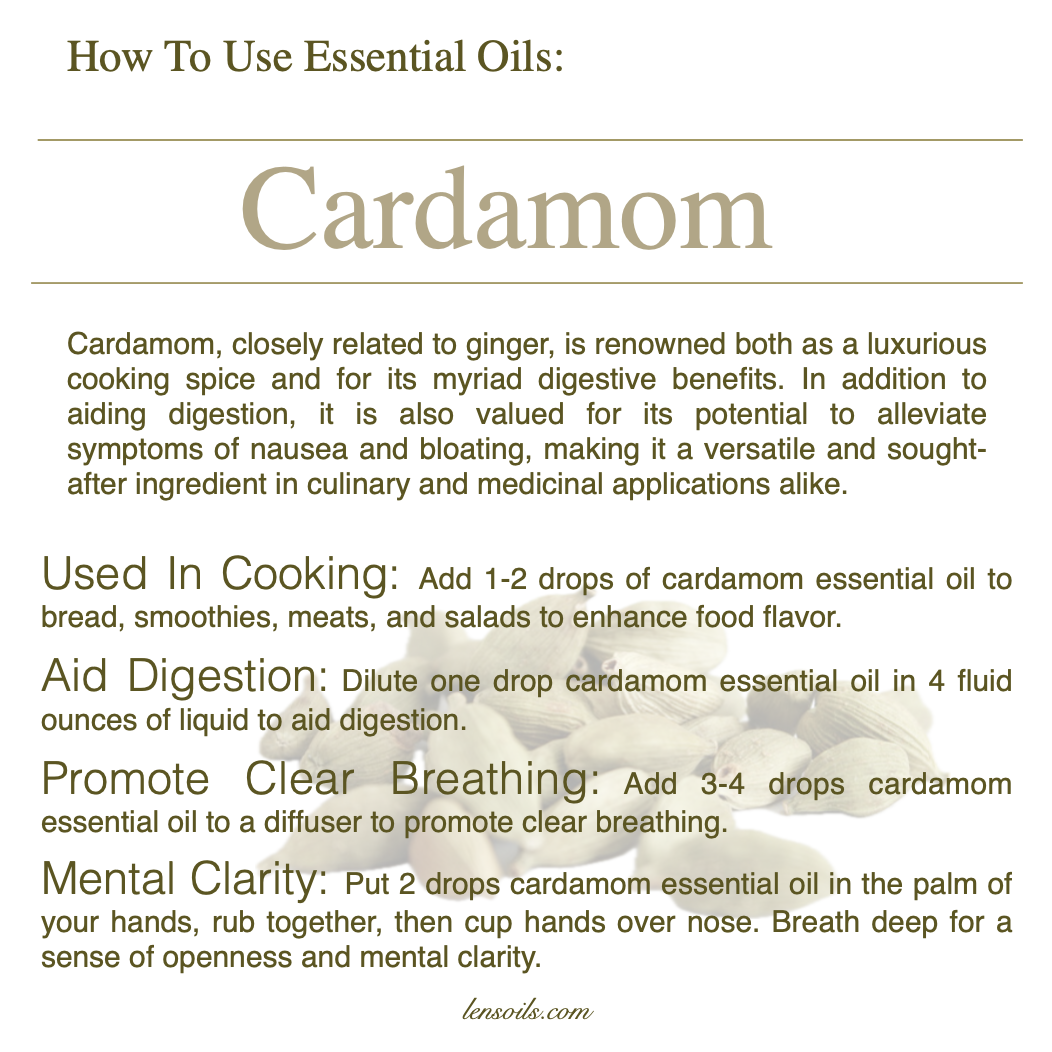
In addition to their warming properties, these essential oils offer a variety of benefits. Oils like basil, cardamom, and clary sage can support digestion, while eucalyptus and rosemary may help open airways for clearer breathing. Other oils such as ginger and wintergreen are commonly used to ease muscle tension and support circulation. Understanding how warm oils interact with the body allows for more effective and comfortable use in aromatherapy, skincare, and wellness routines.

Essential Oils in the Bible

Isaiah 41:19 is a beautiful verse where God promises to transform the wilderness into a flourishing land by planting various trees, including cedar, acacia (shittah tree), myrtle, the oil tree (possibly the olive tree), fir, pine, and box tree. This passage is part of a larger prophecy where God reassures His people that He will provide, restore, and renew even the most barren and lifeless places. In a spiritual sense, this symbolizes God’s ability to bring life, hope, and abundance to those who feel lost or dry in their faith. Just as trees provide shade, shelter, and resources, God provides strength, guidance, and blessings to His people.

This verse also has a strong connection to essential oils, as many of the trees mentioned produce valuable oils used for healing, anointing, and purification. For example, cedarwood oil was used in biblical times for purification and protecting against disease, while myrtle oil was known for its uplifting and cleansing properties. The oil tree likely refers to the olive tree, which produced olive oil—a sacred and essential substance in biblical times, used for anointing, cooking, and healing. These trees not only represent physical blessings but also symbolize spiritual nourishment and restoration that God provides.

For us today, Isaiah 41:19 reminds us that God is capable of bringing life and renewal even in the driest and most desolate places—whether in the land, in our lives, or in our hearts. Just as the trees in this verse provide essential oils and resources for healing, God’s presence in our lives brings spiritual healing, strength, and restoration. This verse is a promise that God can turn struggles into blessings, weakness into strength, and emptiness into abundance when we trust in Him.

A Journey to Reading

When I was a small child, I struggled immensely with my ability to read. I was born with a lazy eye and astigmatism, which meant that for the first four years of my life, I wandered around half-blind. When I finally got glasses, it felt like a whole new world opened up to me. However, while I could now see clearly, I was developmentally behind my peers in many ways, including reading.

In first and second grade, I found myself at the bottom of my class in nearly every subject. Determined to improve, I worked hard to catch up. One year, my efforts paid off when I received an award for reading 1,000 books aloud to my mom and my two oldest siblings, Ramona and Sherry. It was a big accomplishment, especially since the next closest person had read only 400 books. I later learned that my mom secretly wanted to show the other moms how much effort she had put into helping me succeed. Her support made all the difference.

I was fortunate to have many caring and dedicated teachers who helped me along the way. One teacher introduced me to a special reading machine that became both a tool for learning and a source of mischief. The machine worked by sliding a card through it, which triggered a strip of recordable tape to say the word written on the card. It was fascinating to me. But I soon discovered that I could erase the correct word and record the wrong word in its place. While my teacher was not amused by my newfound “skill,” I secretly enjoyed being a little mischievous. That experience, though naughty, also reflected my natural curiosity and desire to learn in my own way.

It’s interesting to reflect on how far I’ve come since those early struggles with reading. Despite my challenges, I eventually overcame them and developed a passion for writing and sharing knowledge. Today, I channel that passion into teaching others about essential oils, something I deeply enjoy. I find it especially fulfilling to share oils that can help children improve their ability to focus—a challenge I faced as a child and continue to manage as an adult.

I feel truly blessed to have discovered an essential oil focus blend that has significantly improved my ability to concentrate. It’s remarkable to think about how my journey has come full circle—from a little girl struggling to read to someone who writes, teaches, and shares tools that can help others. My past struggles have shaped me, and I’m grateful for the lessons they’ve taught me about perseverance, curiosity, and finding joy in the process of learning.

How to Use Essential Oils: Under the Tongue

Using essential oils under the tongue is known as the sublingual route, which allows the oil to enter the bloodstream quickly through the tissues beneath the tongue. This method bypasses the digestive system, enabling faster absorption and more immediate effects. Essential oils taken this way can support various health benefits, including relaxation, immune support, and respiratory relief. However, it is crucial to use only high-quality, food-grade essential oils that are safe for internal use.

When applying essential oils under the tongue, tilt your head back slightly and carefully drip the oil without letting the dropper touch your lips. This prevents contamination and ensures a clean application. Allow the oil to absorb naturally without swallowing or drinking water immediately after, as this helps maximize its effectiveness. Some essential oils, such as peppermint or cinnamon, may feel intense, so dilution with a carrier oil like fractionated coconut oil may be necessary for a more comfortable experience.

Beyond immediate absorption, sublingual use of essential oils may enhance overall wellness by supporting the nervous and immune systems. Lavender (Lavandula angustifolia) is commonly used under the tongue for its calming effects and potential respiratory benefits. It may help soothe occasional throat irritation and promote relaxation. Incorporating this method into a wellness routine can provide fast-acting relief for stress, respiratory concerns, and overall balance.