All posts by lfish64

Unknown's avatar

About lfish64

I love sharing my knowledge of essential oils, healthy living, and positive thinking with others.

Top Essential Oil Leader: Dr. Bruce Berkowsky

Dr. Bruce Berkowsky: A Pioneer in Natural Healing and Essential Oils 

Dr. Bruce Berkowsky is a leading expert in natural healing, essential oils, and holistic wellness. With over 40 years of experience, he has dedicated his career to developing innovative healing systems that integrate various alternative medicine disciplines. His work combines traditional naturopathy, herbal medicine, homeopathy, nutrition, and aromatherapy to help people improve their health naturally. Through his extensive research and teaching, he has influenced the way essential oils and natural healing methods are used.

One of Dr. Berkowsky’s most notable contributions is the Natural Health Science System™ (NHSS), which blends scientific principles with holistic healing techniques. This system is designed to help individuals achieve better health by understanding the deep connections between the body, mind, and nature. NHSS integrates both Eastern and Western medical philosophies, offering a well-rounded approach to natural health.

Another key aspect of Dr. Berkowsky’s work is Spiritual PhytoEssencing™ (SPE), a unique healing method that focuses on using essential oils for emotional and spiritual well-being. This technique combines elements of herbal medicine, psychology, Chinese medicine, and ancient healing traditions. By carefully selecting and blending essential oils, SPE aims to address deep-rooted emotional imbalances and promote overall wellness.

Dr. Berkowsky has an impressive educational background. He holds degrees and certifications in traditional naturopathy (N.M.D., MRN, CTN), herbal medicine (M.H.), nutrition (Ph.D.), and homeopathy (DHM, H.M.C.). He is also nationally certified in massage and bodywork (NCTMB) and has expertise in aromatherapy and constitutional iridology. His vast knowledge allows him to provide a comprehensive approach to healing that combines multiple natural therapies.

As an accomplished author, Dr. Berkowsky has written several books on essential oils and holistic health. Some of his well-known works include “Berkowsky’s Synthesis Materia Medica/Spiritualis of Essential Oils” and “Essential Oils and the Cancer Miasm.” These books serve as valuable resources for those interested in learning more about the healing properties of essential oils and their connection to overall health.

In addition to his books, Dr. Berkowsky has contributed articles to various health magazines, such as Massage and Bodywork, Aromatherapy Today, and Total Health. He has also been a featured guest on multiple radio and television talk shows, where he shares his insights on natural healing and essential oils. His work has helped educate a broad audience about the benefits of holistic health practices.

Dr. Berkowsky is also the president of Joseph Ben Hil-Meyer Research, Inc., a research organization dedicated to studying natural health science. His research focuses on understanding the connection between human health and nature’s rhythms. He believes that by aligning with natural cycles and using plant-based remedies, individuals can achieve better physical and emotional health.

A strong advocate for personalized treatment, Dr. Berkowsky emphasizes the importance of tailoring healing methods to each individual’s unique needs. He believes that no two people are alike, and their healing journeys should be customized accordingly. This philosophy is central to both NHSS and SPE, which focus on selecting therapies that align with an individual’s physical and emotional constitution.

Through his books, courses, and research, Dr. Berkowsky has helped countless people understand the power of essential oils and natural healing. His dedication to blending scientific knowledge with ancient healing traditions has made a lasting impact on the world of alternative medicine. Whether through his teachings or his writing, his work remains a valuable resource for those looking to explore the benefits of natural health and wellness.

Health Proverb: Health and Wealth

A Story of Wealth and Health

John Kensington, a wealthy businessman in 19th-century London, spent decades amassing a fortune. He owned textile mills, invested in railways, and lived in a grand estate. But in his relentless pursuit of wealth, he neglected his well-being—working long hours, surviving on rich but unhealthy meals, and avoiding rest. At 55, he was diagnosed with severe heart disease. His doctor told him, “All your gold cannot buy back your health.” Forced into retirement, John sought cures in European spas, hiring the best physicians, but nothing restored his youth or energy. One day, he visited an old friend, a modest farmer named Samuel, who lived simply but was strong and full of life. As they sat in the countryside, John realized that Samuel, though poor in riches, had something far more valuable—good health. That day, John uttered, “I would trade all my wealth to feel as you do.” But time had run out, proving the truth of the old proverb: good health is above wealth.

The Herb of Two Opinions and the Rest of the Story

For centuries, an unassuming green herb has graced tables across the world, its fragrance as distinct as its flavor. It has been crushed into pastes, steeped into teas, and scattered atop dishes from Mexico to India. Ancient civilizations knew of its powers long before modern science confirmed its worth. Traces of it have been found in the tombs of Egyptian pharaohs, nestled alongside gold and sacred artifacts, hinting at a value that extended far beyond the kitchen. Hippocrates, the father of medicine, spoke of its medicinal properties, while Chinese healers used it to rid the body of toxins.

In the Middle Ages, it was rumored to hold mystical qualities, a belief likely rooted in its ability to purify and restore. Traders carried its seeds along the Silk Road, sharing its secret with distant lands. The Spanish conquistadors ensured its presence in the New World, where it flourished in the warm, fertile soils of the Americas. Today, it is a staple in kitchens worldwide, yet it remains one of the most polarizing ingredients in culinary history—beloved by some and despised by others.

Its scent, bright and citrusy to some, is curiously soapy to others, a perception dictated by genetics. Charles J. Wysocki, a behavioral neuroscientist, uncovered the genetic link that determines whether one will relish its fresh, tangy bite or recoil at its pungency. This divisive reaction is rooted in olfactory receptors, proving that taste, at times, is simply a matter of biology. But beyond its flavor, it harbors an arsenal of benefits that modern science has only begun to unravel.

Dr. Ellen Silbergeld, a toxicologist renowned for her work in environmental health, found that this little leaf could do what few other plants could—it binds to heavy metals in the body, aiding in their safe removal. Its detoxifying properties have made it a subject of research in holistic medicine, where it is lauded for its ability to cleanse the bloodstream and support liver function. Some have even referred to it as nature’s own “chelation therapy.”

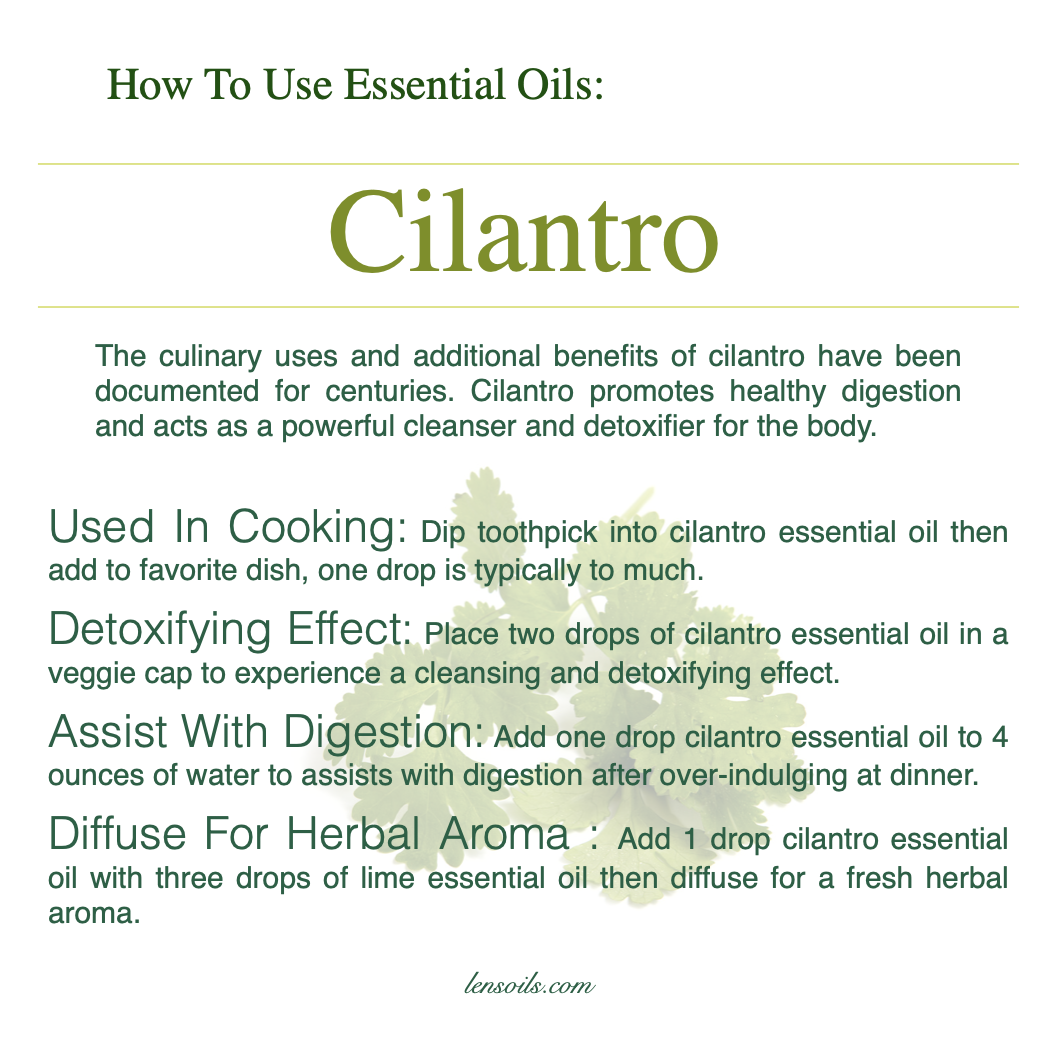
Not just a detoxifier, this herb is a digestive ally. Its essential oils contain compounds that soothe the gut, reducing bloating and discomfort after a heavy meal. A single drop of its concentrated essence, mixed into water, can help the body process rich or indulgent foods. For those who prefer its raw form, adding it to meals not only enhances flavor but also promotes gut health.

Its uses extend beyond digestion and detoxification. Researchers have found that its antioxidant properties may support the body’s defenses against oxidative stress. With a rich profile of vitamins A, C, and K, it contributes to skin health, immune support, and overall well-being. And when paired with lime in a diffuser, its fresh herbal aroma invigorates the senses, bringing a touch of nature indoors.

For all its uses, it remains misunderstood by many. Some associate it with humble street food, while others see it as a refined touch in gourmet cuisine. It has been praised in Ayurvedic medicine for its healing properties, studied by Western scientists for its detoxifying effects, and endlessly debated at dinner tables around the world. Cilantro, with its distinct flavor, divides opinions—fresh and citrusy to some, overwhelmingly soapy to others, a reaction dictated by genetics. Yet, despite the controversy, it continues to thrive in cultures across the globe, enhancing meals, supporting digestion, and purifying the body. A staple in kitchens from Mexico to India, a remedy in holistic medicine, and a topic of scientific curiosity, this humble herb holds a history as rich as its flavor.

And now you know the rest of the story.

How to Use Essential Oils: Bergamot

Bergamot is the most delicate of the citrus plants, requiring a unique combination of climate and soil to thrive. Known for its uplifting and calming properties, bergamot has been used by Italians for centuries to help reduce feelings of stress and promote overall well-being. It is a popular choice for aromatherapy, often diffused in classrooms, workplaces, or homes when tension runs high. Just a few drops in a diffuser can create a soothing environment that fosters relaxation and mental clarity.

Beyond its effects on mood, bergamot essential oil is highly valued for its skin-purifying benefits. When applied during a shower, it not only provides a calming aroma but also supports clear, healthy skin. Mixing bergamot oil into a DIY facial cleanser enhances its cleansing properties, helping to refresh and rejuvenate the complexion. It can also be used in a relaxing nighttime routine by applying a few drops to the bottom of the feet or blending it with fractionated coconut oil for a soothing massage before bed.

In addition to its well-known stress-relieving and skincare benefits, bergamot has been studied for its potential impact on digestion and appetite regulation. Some research suggests that bergamot essential oil may help support healthy metabolic function when taken internally in small, appropriate amounts. Its ability to balance emotions, improve skin health, and potentially aid digestion makes bergamot an incredibly versatile essential oil with a long history of use in both traditional and modern wellness practices.

Essential Oils in the Bible: Song of Solomon 4:13-14

The passage from Song of Solomon 4:13-14 is part of a poetic love song that symbolizes deep affection and devotion. The Song of Solomon, also known as the Song of Songs, is traditionally interpreted as a dialogue between King Solomon and his beloved, often seen as an allegory of God’s love for His people. In these verses, the beloved’s presence is compared to a flourishing garden filled with rich, fragrant plants and valuable spices, highlighting both beauty and abundance. The imagery of pomegranates, spikenard, saffron, cinnamon, frankincense, myrrh, and aloes suggests a place of great delight, luxury, and spiritual significance. These plants were not only treasured for their aromatic qualities but were also used for anointing, purification, and healing in biblical times.

Essential oils and aromatic resins played a profound role in the daily lives and religious practices of ancient Israel. Spikenard, for instance, was a costly and precious oil often associated with worship and anointing, as seen when Mary anointed Jesus’ feet with it (John 12:3). Frankincense and myrrh, famously given to Christ at His birth, were used in sacred rituals, symbolizing prayer, purification, and divine presence. Cinnamon and calamus were key ingredients in the holy anointing oil described in Exodus 30:23-25, used to consecrate priests and sacred objects. These oils were not merely for fragrance—they carried spiritual and medicinal properties, valued for their ability to heal, preserve, and set apart.

The inclusion of these plants and oils in Song of Solomon suggests more than just physical attraction; it speaks to the richness of love and devotion that mirrors divine intimacy. The garden imagery reflects Edenic perfection, symbolizing the restoration of harmony between humanity and God. Just as essential oils were used for anointing and healing, the love described in this passage is one that refreshes, restores, and sustains. This passage, steeped in sensory richness, not only illustrates the deep bond between the lovers but also points to the sacred role of aromatic plants in biblical culture—used for healing, worship, and as an expression of divine blessing.

Lessons From Fishing

When I was nine or ten, I went fishing with my dad and older brother. I loved spending time with my dad because he was always busy, and these moments were rare and cherished. We spent the day together by the water, laughing and bonding. I can still remember the excitement of reeling in three or four good-sized fish. I felt so proud of what we’d caught—until the next part.

When it was time to gut the fish, my dad and brother handled the task while I stood off to the side, horrified. Watching them clean the fish was absolutely disgusting to me, and it took away some of the magic of the day. Things didn’t improve when we got home. My mom cooked up the fish, filling the entire house with the smell of fried fish. We sat down as a family to eat, but I struggled to enjoy the meal. No matter how carefully I picked through my portion, I always seemed to miss a bone. The fishy taste and lingering smell made the experience worse. From that day on, I decided: I don’t like catching or eating fish.

This simple rule—”don’t eat the fish”—has stayed with me ever since. It’s a personal rule rooted in a negative experience, but it’s one that works for me. For others, though, it would seem ridiculous. Many people love fishing and enjoy fresh fish, but my rule is shaped by my personal history, just as others’ habits and rules are shaped by theirs.

How often do we follow rules without questioning them? Many of the things we do are based on negative experiences, traditions, or habits passed down from others without us fully understanding why. For instance, I’m reminded of a story about Mary, who was preparing a ham for dinner. One of her children asked, “Why do you cut off the end of the ham before putting it in the pan?” Mary replied, “That’s how my mom always did it.” Curious, Mary called her mother to ask why. Her mom laughed and said, “I only did that because my pans were too small to fit the whole ham.”

This story illustrates how much of what we do is based on what’s been handed down to us. We often follow practices or traditions without stopping to ask if they still make sense or serve us well. When it comes to our health, this is especially true. Many of us, when we get sick, instinctively reach for over-the-counter pain relievers or other medications because that’s what we were taught to do. It’s what we’ve seen and experienced, so we repeat it.

But now we know better. With every man-made drug, there are potential side effects—some minor, others dangerous and harmful to our health. Thankfully, there’s another option. I’ve discovered the power of essential oils, which offer natural, effective solutions without the dangerous side effects of synthetic drugs.

Essential oils have transformed the way I approach my health. These powerful, plant-based remedies have been studied for their healing properties, and I’ve experienced their benefits firsthand. Whether I’m dealing with a headache, a cold, or simply trying to stay well, essential oils are my first line of defense. They’re not just effective—they’re also a reminder that sometimes the best solutions are the simplest and most natural ones.

My fishing story might seem unrelated to essential oils at first, but they’re both about learning from our experiences. That day on the lake taught me a lot—not just about fish, but about how personal experiences shape our choices. Just as I chose not to eat fish based on my childhood, I’ve now chosen essential oils as a healthier alternative for my well-being. It’s a choice rooted in knowledge, growth, and a desire for something better. And like fishing with my dad and brother, it’s a journey I’m grateful for, even if it didn’t start out perfectly.


How to Use Essential Oils: Basil

Basil essential oil, with its spicy and herbal fragrance, is well known for its calming properties. It is particularly effective in alleviating feelings of anxiety, promoting a sense of calm and tranquility. Incorporating basil into daily routines can provide both emotional and physical benefits, making it a valuable addition to self-care practices. Whether diffused for relaxation or applied topically for stress relief, basil oil can help enhance overall well-being while also offering its signature fresh scent.

Beyond its calming effects, basil essential oil is widely used to promote focus and mental clarity. Adding 3-4 drops to a diffuser while studying or reading can create a stimulating environment that enhances concentration. In the kitchen, basil essential oil can bring a burst of fresh herbal flavor to Italian dishes, soups, and entrees. For stress relief, combining 3 drops of basil essential oil with 3 drops of wintergreen oil and a carrier oil can create a soothing neck massage blend. Additionally, taking a drop of basil essential oil internally may provide comfort and support during the menstrual cycle, helping to ease occasional discomfort.

Basil essential oil also offers benefits for respiratory health. When inhaled, it can help open airways and promote clearer breathing, making it useful for seasonal changes or congestion. One simple way to use basil oil for respiratory support is to add a few drops to a bowl of steaming water, cover the head with a towel, and inhale deeply. This method can help ease breathing discomfort and provide a refreshing, invigorating experience. With its diverse applications, basil essential oil is a versatile and beneficial oil for both wellness and culinary use.

Health Proverb

The phrase “Rest and Be Thankful” is often linked to William Wordsworth, the great Romantic poet, but its roots run deeper in British and Scottish history. It became widely known due to the Rest and Be Thankful Pass in Scotland, a breathtaking spot along the A83 road in Argyll and Bute. In the 18th century, British soldiers built a military road through the rugged Highlands after the Jacobite uprisings, and the climb was so demanding that, upon reaching the summit, weary travelers would pause, rest, and express gratitude. The phrase was even engraved on a stone marker, serving as a timeless reminder that even in life’s most challenging journeys, one should stop, breathe, and appreciate the moment.

Although Wordsworth did not originate the phrase, he deeply embraced its sentiment in his writings and poetry. He found solace and renewal in nature, often encouraging his readers to pause, reflect, and find beauty in the world around them. His poem Tintern Abbey echoes this philosophy, describing how time spent in nature becomes a source of peace, healing, and cherished memories. Wordsworth believed that spiritual rest and gratitude were essential, and his poetry invites us to step away from the busyness of life and immerse ourselves in the stillness and wisdom of the natural world.

Today, “Rest and Be Thankful” remains a powerful call to pause and appreciate life’s journey, whether in moments of joy or hardship. Whether inspired by a Scottish landscape, Wordsworth’s poetic reflections, or the simple need for rest in a fast-paced world, the phrase reminds us to embrace gratitude and find renewal in stillness. It speaks to the universal human need for both physical and spiritual rest, reminding us that even the hardest climbs deserve a moment of reflection and thankfulness at the top.

Excerpt from Tintern Abbey

(Lines 142–159)

“Therefore let the moon
Shine on thee in thy solitary walk;
And let the misty mountain-winds be free
To blow against thee: and, in after years,
When these wild ecstasies shall be matured
Into a sober pleasure; when thy mind
Shall be a mansion for all lovely forms,
Thy memory be as a dwelling-place
For all sweet sounds and harmonies; oh! then,
If solitude, or fear, or pain, or grief
Should be thy portion, with what healing thoughts
Of tender joy wilt thou remember me,
And these my exhortations! Nor, perchance—
If I should be where I no more can hear
Thy voice, nor catch from thy wild eyes these gleams
Of past existence—wilt thou then forget
That on the banks of this delightful stream
We stood together.”

The Spirit of Black Spruce

Where northern winds sing soft and low,
Through mist and moss, the spruces grow.
By rivers wide and swamps so deep,
Their roots in ancient waters keep.

A healer’s touch, a sacred tree,
A gift from earth, wild and free.
For generations, hands have known,
Its soothing touch on skin and bone.

A breath of pine, crisp and bright,
To clear the air, to bring in light.
A drop diffused, the chest expands,
Like forests vast in distant lands.

A quiet strength, a calming balm,
In weary hearts, it whispers calm.
Blended soft with chamomile,
It eases aches and soothes with style.

Its essence lingers, fresh and true,
A cleansing wave, the air renewed.
With frankincense, a sacred pair,
To sharpen focus, scent the air.

Through swamps and hills, it holds its place,
A tree of wisdom, strength, and grace.
From ancient roots to healing hands,
Black spruce endures, where nature stands.

The Slippery Slope

The -Slippery SlopeThe slippery slope of prescription drugs with their harmful side effects can be hard to recover from.

Do you want to take back your health using natural essential oils?
If you would like a Free Sample please do one of the following.

Please text Free Sample or call me at 801-661-4786
I will be sure to get back to you as soon as possible.
Or
Send me an email with the heading Free Sample to lfish64@yahoo.com
It will be an honor to help you in any way that I can.
Or
Write me a letter requesting a Free Sample to
Leonard Fish
5075 Rushton Acres Court
West Valley City, Utah
84120 USA

Leonard Fish
Leonard Fish
Health and Wellness Advisor