Tag Archives: Insect Repellent

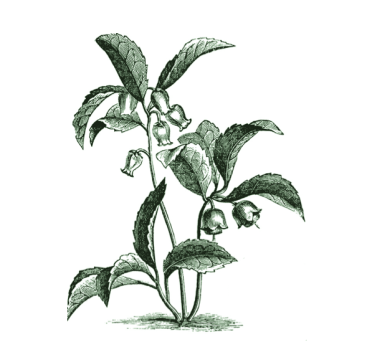
Wintergreen-Did You Know?

Screen shot 2015-01-17 at 4.43.59 PMDid you know Wintergreen is the oil of surrender? It can help the strong-willed person in letting go of the need to be right, and the need to know. Wintergreen reminds a person that they don’t have to do things on their own. There is a constant invitation to abandon one’s burdens to a higher Power.

The wintergreen is a perennial that is native to the eastern portion of North America? North American Indians chewed the leaves of the wintergreen plant for their distinct flavor, used them in the treatment of aches and pains, and to aid in breathing during hard work.

In the past, wintergreen was used internally to treat chronic mucous discharges, regulate hormones, and as a diuretic; due to its toxicity it is no longer used internally for medicinal purposes. Wintergreen is commonly used in very small amounts to adjust the flavor in candies, chewing gum, herbal teas, mouthwashes, toothpastes, and various beverages. It is also found in insect repellents and insecticidal products.

Wintergreen has a warming effect when applied to skin and is excellent to use in a massage to relieve sore muscles. A little goes a long way, so use sparingly and dilute with Fractionated Coconut Oil to minimize any skin sensitivity. For a soothing bath, add 1–2 drops of Wintergreen essential oil to warm bath water. Wintergreen essential oil is not recommended for internal use and should be stored out of reach from children.
 

Lavender-Did You Know?

LavenderDid you know Lavender essential oil is the oil of communication? Lavender helps with verbal expression. It calms the uncertain thoughts that are felt when a person exposes their true feelings. Lavender aids in releasing the tension pressure that comes from the fear of self expression. Lavender encourages emotional honesty by encouraging people to speak their most private thoughts, and desires.

The use of lavender has been recorded for more than 2,500 years. Egyptians, Phoenicians and the people of Arabia used lavender as a perfume, and also for mummification, by wrapping the dead in lavender-dipped shrouds. In ancient Greece, lavender was used as a cure for everything from insomnia, and aching backs to insanity.

By Roman times, lavender had already become a prized commodity. Lavender flowers were sold to ancient Romans for 100 denarii per pound, equivalent to a full month’s wage for a farm laborer, and were used to scent the water in Roman baths. In fact, the baths served as the root of the plant’s current name. “Lavender” is derived from the Latin lavare, meaning, “to wash.” Romans also used lavender as a perfume, insect repellent and flavoring.

The use of lavender was highly revered during the Great Plague of London in the 17th century, when individuals fastened bunches of lavender to each wrist to protect themselves from the Black Death. Thieves who made a living stealing from the graves, and the homes of Plague victims concocted a wash known as “Four Thieves Vinegar,” which contained lavender, to cleanse, and protect themselves after a night’s work. Today, we know the disease was transmitted by fleas, so the use of lavender, which is known to repel these insects, could very well have saved lives, and prevented further spread of the plague.

The Shakers, a strict sect of English Quakers, are credited with commercializing lavender and introducing a variety of lavender-based products to the United States and Canada. The Shakers raised their own herbs, produced medicines, and sold them to neighbors and customers outside their religious sect.

Lavender is frequently used to soothe skin irritations and help skin recover quickly. Applying Lavender to the back of the neck, and temples helps reduce muscle tension. Inhaling Lavender promotes relaxation and a restful night’s sleep, making it an ideal oil to diffuse at bedtime and when stress levels are high. Due to Lavender’s versatility and soothing properties, it is considered the must-have oil to have on hand at all times