In 1967, Dr. Kenneth H. Cooper, a physician in the U.S. Air Force, was on a mission to study how exercise impacts overall health. At the time, many people believed that too much physical activity could wear out the heart. Dr. Cooper, however, had a different theory—he believed that a lack of exercise was actually the biggest threat to long-term health.
As part of his research, Dr. Cooper monitored highly trained athletes and soldiers, tracking their fitness levels over time. One of the most striking findings came when he observed how quickly fitness could deteriorate in just one week without exercise.
During a study with Air Force personnel, Cooper saw that soldiers who stopped exercising for only seven days experienced noticeable declines in endurance, muscle strength, and even mental sharpness. Their heart rates increased during basic tasks, and their bodies struggled more to perform the same exercises they had done effortlessly a week before.
A similar finding came years later when NASA studied astronauts. After only 10 days of weightlessness in space, astronauts experienced muscle loss and cardiovascular weakening—something that usually takes weeks or months on Earth.
Dr. Cooper’s research would later lead to the development of aerobics—a term he coined in his 1968 book Aerobics. His findings became the foundation for modern fitness programs and helped prove that consistent exercise is essential for maintaining strength and endurance.
The Lesson?
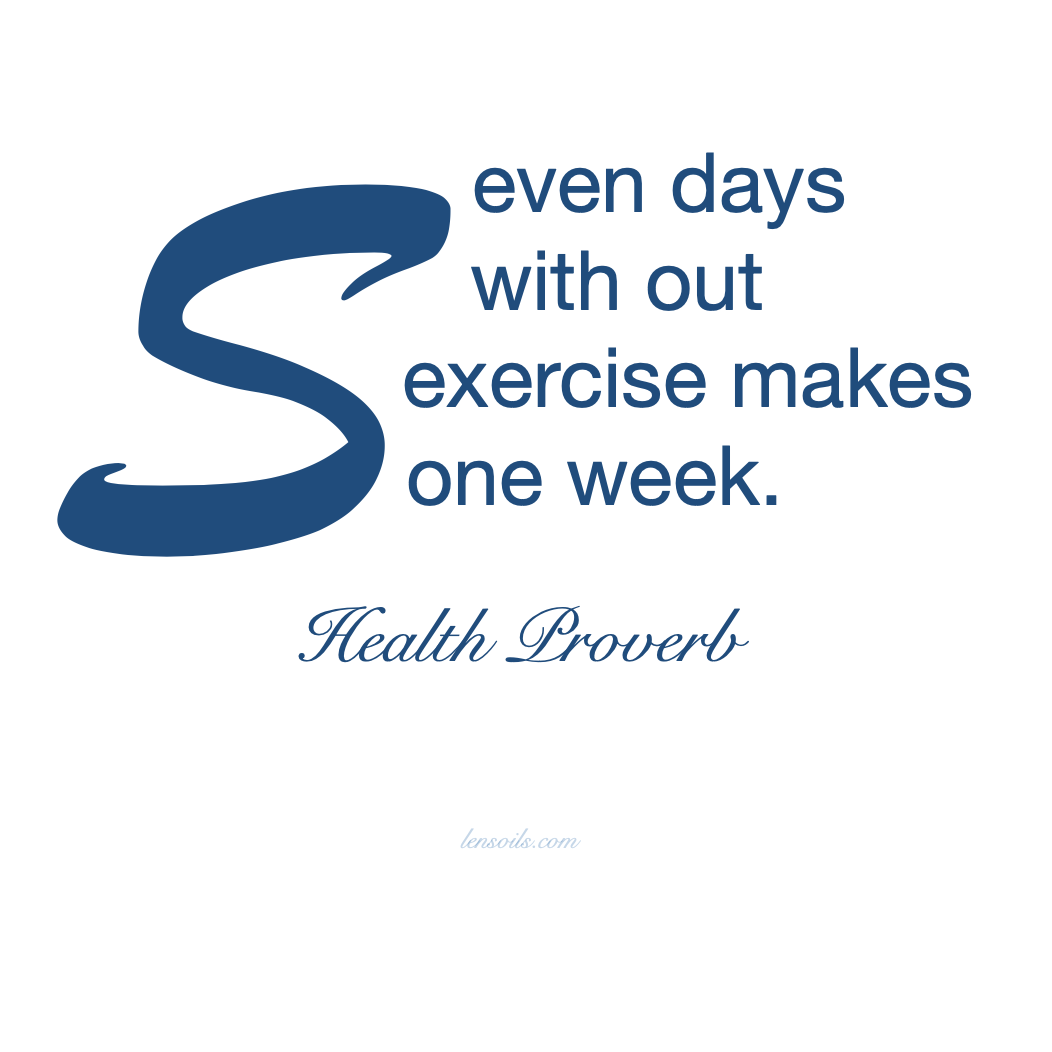
The phrase “Seven days without exercise makes one weak” is not just a catchy saying—it’s backed by science. Even short breaks in physical activity can lead to real losses in strength, endurance, and overall well-being.
Sylla Sheppard-Hanger: A Legacy of Aromatherapy Excellence
Sylla Sheppard-Hanger was born on June 23, 1953, in the United States. Growing up in the vibrant cultural landscape of the 1960s and 1970s, Sylla developed an early interest in holistic health and natural remedies. Her curiosity about nature’s healing power was influenced by her family’s emphasis on natural living and her exposure to herbal medicine. This early foundation laid the groundwork for a lifelong passion for aromatherapy and essential oils.
In 1989, Sylla founded the Atlantic Institute of Aromatherapy in Tampa, Florida, becoming a trailblazer in the field. The institute was one of the first organizations in the United States dedicated to the professional education and certification of aromatherapists. With a comprehensive curriculum blending traditional knowledge and modern research, the Atlantic Institute became a cornerstone for training skilled practitioners.
Sylla emerged as a leading advocate for essential oil safety, emphasizing the importance of understanding chemical properties, proper dilution, and avoiding hazards. Her work in this area was instrumental in establishing widely followed safety guidelines. Her commitment to these principles helped elevate aromatherapy to a credible and respected discipline.
As a passionate educator, Sylla conducted countless workshops, courses, and seminars over her 35-year career. She simplified complex topics such as essential oil chemistry and therapeutic applications, making them accessible to her students. Her engaging teaching style inspired a new generation of aromatherapists who continue to advance the field.
Sylla authored several key publications on essential oil safety and usage, blending practical knowledge with scientific research. These works bridged the gap between traditional practices and modern applications, solidifying her role as an authoritative voice in aromatherapy. Her contributions became foundational resources for professionals worldwide.
Recognizing the need for evidence-based practices, Sylla conducted extensive research into the therapeutic effects of essential oils. She collaborated with scientists to study the chemical composition of oils, their pharmacological effects, and their interactions with the human body. Her findings brought greater credibility to aromatherapy within the healthcare industry.
Sylla also spearheaded the Aromatherapy Global Education Project (AGEP), an initiative aimed at standardizing aromatherapy education worldwide. By establishing consistent training standards, she ensured practitioners received accurate and comprehensive knowledge, setting a high bar for excellence in the field.
Beyond her institutional contributions, Sylla mentored countless students and professionals, creating a collaborative and supportive aromatherapy community. The Atlantic Institute became a hub for individuals passionate about natural healing, fostering a network of experts dedicated to safe and effective practices.
Sylla was also a proponent of integrating essential oils into mainstream healthcare. By working with hospitals, clinics, and wellness centers, she demonstrated the value of aromatherapy as a complementary therapy. Her efforts helped elevate essential oils from a niche practice to a respected component of holistic health.
essential oil leaderThrough her institute, research, and advocacy, Sylla Sheppard-Hanger empowered countless individuals to responsibly harness the therapeutic potential of essential oils. Her dedication to safety and education continues to inspire professionals and enthusiasts alike. Although decades have passed since her journey began, Sylla’s teachings remain highly relevant, ensuring her legacy lives on through the lives she touched and the knowledge she shared.
The phrase “Knowledge is power.” is widely attributed to Sir Francis Bacon, an English philosopher, scientist, and statesman from the late 16th and early 17th centuries. The exact Latin phrase “Scientia potentia est” (meaning “knowledge is power”) is often linked to his works, though the precise wording does not appear in his writings.
Origins and Meaning
Attributed to:Sir Francis Bacon (1561–1626)
Earliest Written Form: The idea is found in Bacon’s 1597 book Meditationes Sacrae (Sacred Meditations), where he writes:
“Ipsa scientia potestas est.” (Knowledge itself is power.)
Context: Bacon emphasized the power of knowledge in advancing human progress, particularly in science and governance.
Other Possible Sources
Thomas Hobbes (1588–1679) – In Leviathan (1651), Hobbes, who was Bacon’s secretary at one point, wrote:
“The Sciences, are small Powers; because not eminent, and therefore not acknowledged in any man; nor are at all, but in a few; and in them, but of few things. But yet, because they are knowledge, they are greater than they seem, because all power is of knowledge…”
This suggests he built upon Bacon’s ideas.
Biblical or Ancient Influence? – Some scholars believe the idea traces back even earlier, such as in Proverbs 24:5:
“A wise man is strong; yea, a man of knowledge increaseth strength.”
Modern Usage and “Health Proverb” Connection
The phrase “knowledge is power” is often used in education, business, and science.
As a health proverb, it likely refers to how having knowledge about health (nutrition, hygiene, disease prevention) empowers people to make better choices for well-being.
This idea aligns with modern public health movements: Educating people about health risks and prevention leads to better outcomes.
“Tarzan has Jane, Batman has Robin, Sherlock has Watson… and Health Advocates? They have Essential Oils—because who needs a sidekick when you’ve got tea tree and lavender fighting your battles?” 🌿
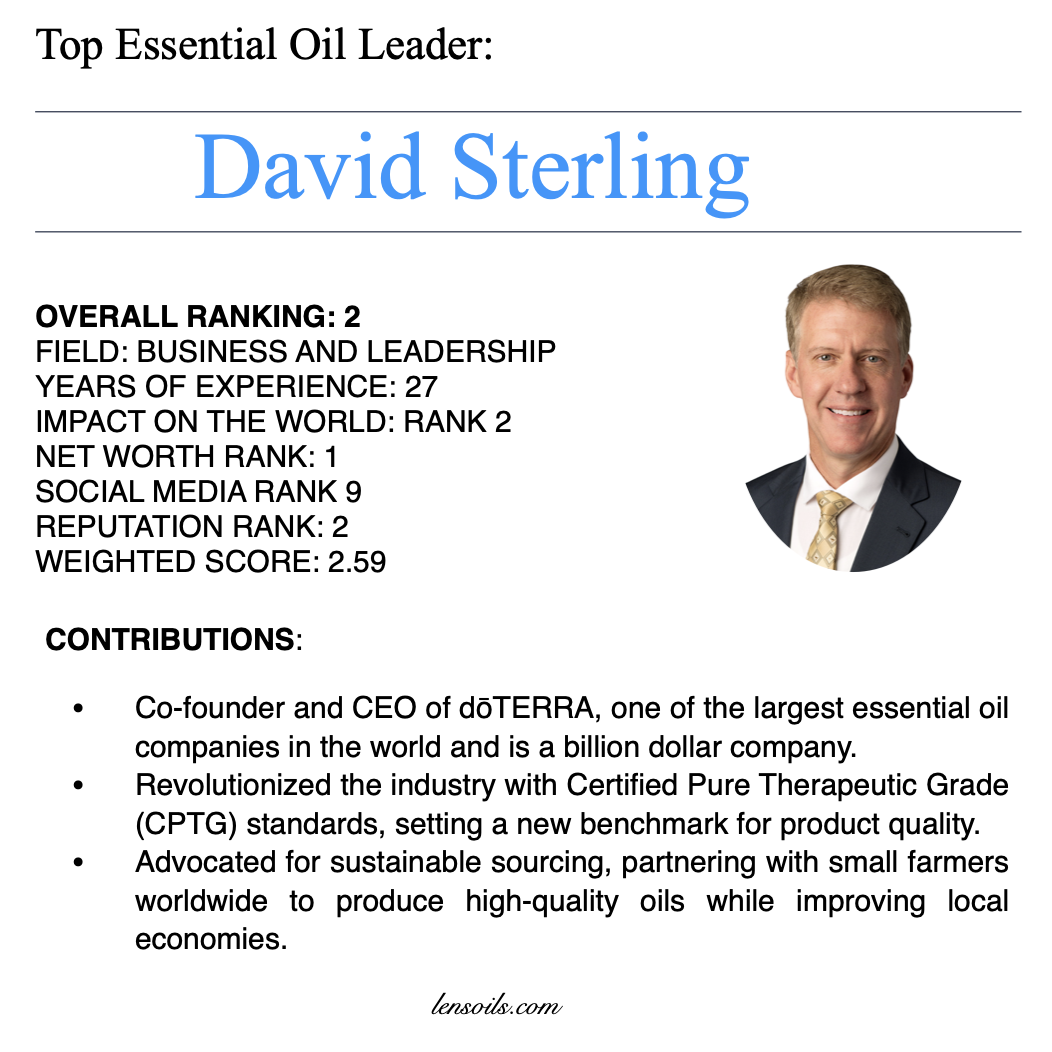
David Stirling, co-founder of dōTERRA is a visionary leader whose work has revolutionized the essential oils industry. Born in 1962, Stirling’s career began in business and product development, where he honed his skills in creating effective systems for quality assurance and sustainable growth. His background in health and wellness industries laid a strong foundation for his later contributions to the essential oils market.
In 2008, Stirling and a group of seven co-founders launched dōTERRA, aiming to create a company that redefined how essential oils were sourced, processed, and marketed. Dissatisfied with the inconsistencies in the industry, they focused on delivering high-quality, therapeutic-grade essential oils to consumers worldwide. The company’s name, derived from the Latin for “Gift of the Earth,” reflects Stirling’s belief in the natural healing power of plants.
Stirling’s key innovation was the introduction of Certified Pure Therapeutic Grade® (CPTG) standards, a rigorous quality assurance process that ensures each bottle of oil is free from contaminants and adulteration. This commitment to purity and potency has set a new benchmark in the essential oils industry, allowing dōTERRA to stand out as a trusted leader in a competitive market.
Under Stirling’s guidance, dōTERRA also pioneered Co-Impact Sourcing®, a program that emphasizes ethical and sustainable sourcing practices. By partnering directly with farmers and distillers in over 45 countries, dōTERRA ensures fair wages, improved working conditions, and long-term community support. This approach not only strengthens the company’s supply chain but also uplifts the lives of those involved, making Stirling a key advocate for corporate social responsibility.
Stirling’s leadership has taken essential oils from niche products to mainstream wellness tools. He has driven widespread consumer education about the benefits of essential oils, integrating them into homes, healthcare systems, and wellness practices worldwide. His focus on research has also contributed to the growing body of scientific evidence supporting the therapeutic uses of essential oils, bridging the gap between natural remedies and modern medicine.
In 2022, Stirling took a step back from his day-to-day responsibilities at dōTERRA to dedicate himself to a deeply personal mission. Together with his wife, Laura, he embarked on a three-year volunteer assignment as a mission president for The Church of Jesus Christ of Latter-day Saints. The Stirlings are serving in Fresno, California, where they oversee and mentor hundreds of young missionaries aged 18 to 25. Their role involves not only spiritual guidance but also providing practical life skills and emotional support to these missionaries as they serve communities and grow in their own journeys of faith.
This time of service reflects Stirling’s lifelong dedication to helping others thrive. The leadership, empathy, and vision he demonstrates in his mission work mirror the qualities that propelled dōTERRA to global success. His ability to inspire and empower the next generation—whether in business or in faith—has been a defining characteristic of his career. While he has stepped back from daily operations, Stirling’s influence is still felt at dōTERRA, as the culture of innovation and integrity he established continues to guide the company.
Even during his time away, Stirling’s legacy with dōTERRA remains vibrant. The company, now a global leader, boasts millions of wellness advocates and customers across the world. Under Stirling’s direction, DoTERRA expanded its offerings to include over 100 essential oils, along with supplements, skincare products, and home care solutions. Annual conventions attract tens of thousands of participants, a testament to the vibrant community he helped create.
David Stirling remains a driving force behind dōTERRA’s enduring mission and values. Though his focus is currently on his church mission, his influence within the essential oils industry remains undeniable. By fostering relationships between dōTERRA and global communities, he ensured the company’s growth was tied to making a positive impact worldwide.
David Stirling’s story is one of vision, faith, and unwavering dedication to service. From revolutionizing an industry to uplifting individuals in business and personal growth, he has left a mark that extends far beyond essential oils. Today, as he serves with his wife in Fresno, he continues to embody the principles of compassion, integrity, and purpose that have defined his life’s work. His ability to lead with vision and heart makes him not only a pioneer in his field but also a source of inspiration for all who seek to make a meaningful impact in the world
The phrase “Common sense is not so common.” is most famously attributed to Voltaire, the French Enlightenment writer, historian, and philosopher. He included a version of this phrase in his 1764 work Dictionnaire Philosophique(Philosophical Dictionary), where he criticized the tendency of people to lack practical reasoning despite its supposed prevalence.
Origins and Meaning
Author: Voltaire (François-Marie Arouet)
Year: 1764
Book:Dictionnaire Philosophique
Context: Voltaire used the phrase to critique the contradiction between what is considered “common sense” and how rarely it is actually applied in real life. He was often critical of dogma, superstition, and societal irrationality.
Modern Usage
This quote is widely used in various fields, from business to psychology, to highlight how people often fail to use practical reasoning in everyday situations.
It aligns with the idea that what seems like obvious knowledge is not always applied in practice.
Regarding the “Health Proverb” Attribution
If you’ve seen this phrase labeled as a “health proverb,” it might be because common sense is essential in making good health choices—such as eating well, exercising, and avoiding harmful behaviors. However, its original intent was much broader and philosophical.
Essential oils can be used in water to support digestion, hydration, and overall well-being. When added to drinking water, essential oils such as lemon, peppermint, or ginger may aid the digestive system by soothing occasional stomach discomfort and supporting nutrient absorption. A drop of peppermint oil in a glass of water can provide a cooling effect on hot days, helping to refresh and energize the body. Additionally, some essential oils, like tea tree or clove, may offer soothing relief when gargled in water, making them a natural option for addressing minor throat irritation.
When using essential oils in water, it’s important to follow safety guidelines to maximize benefits. Always use glass or ceramic containers, as essential oils can degrade plastic and Styrofoam, potentially leaching harmful chemicals into the liquid. Since essential oils are highly concentrated, only a drop or two is needed per glass of water, and they should always be thoroughly mixed before drinking. For a more enjoyable experience, citrus oils like wild orange or grapefruit can be added to enhance the flavor while also providing their cleansing and invigorating properties.
The proverb “Use your health, even to the point of wearing it out” originates from George Bernard Shaw, the Irish playwright, critic, and philosopher known for his sharp wit and thought-provoking insights on society, health, and human nature.
Origins and Meaning
George Bernard Shaw (1856–1950) was a strong advocate for healthy living, physical activity, and maintaining an active mind and body. His philosophy on health was unconventional compared to the cautious approach many take. This quote suggests that one should fully embrace and use their physical vitality rather than overly preserve it in fear of exhaustion or aging. Shaw believed that life should be lived with energy and purpose, even if it meant pushing the body’s limits.
This aligns with his broader views on life and productivity. Shaw saw health as a tool to be used for meaningful pursuits rather than something to be hoarded or preserved through excessive caution. He criticized sedentary lifestyles and believed that a life fully lived—one of action, effort, and engagement—was better than one lived too cautiously.
Connection to Modern Health Perspectives
While modern medicine emphasizes balance and longevity, Shaw’s idea reflects a carpe diem (seize the day) philosophy. In today’s terms, this might mean making the most of one’s physical abilities while still alive—engaging in exercise, adventure, work, and passion projects—rather than leading an overly cautious, inactive life in the name of self-preservation.
Shaw’s perspective remains a powerful reminder that health is a resource meant to be used, not just protected, and that life is best lived with purpose and vigor, rather than fear and hesitation.
Essential oils can be a natural and effective way to soothe sore muscles, reduce tension, and promote relaxation. One popular method is to create a muscle-relieving massage oil by diluting essential oils in a carrier oil, such as coconut, jojoba, or almond oil. Oils like Peppermint, Eucalyptus, and Wintergreen are known for their cooling properties, which can help reduce inflammation and ease discomfort. Simply mix 3–5 drops of your chosen essential oil with a tablespoon of carrier oil and gently massage it into the affected area. For deeper relief, consider adding warming oils like Ginger or Black Pepper, which can stimulate circulation and relax tight muscles.
Another effective way to use essential oils for muscles is through a warm bath or compress. Add 5–10 drops of essential oils like Lavender, Marjoram, or Rosemary to a warm bath, combining them first with a tablespoon of Epsom salt to help the oils disperse evenly in the water. This combination not only soothes sore muscles but also promotes overall relaxation. Alternatively, create a warm compress by soaking a towel in warm water mixed with a few drops of essential oil, wringing it out, and applying it to the affected area. Whether you’re recovering from a tough workout or relieving everyday tension, essential oils provide a natural and holistic approach to muscle care.
Give the gift of health this Valentines Day. Do you want to expand your health options? Try using natural essential oils.
Request a a Free Sample.
Please text Free Sample or call me at 801-661-4786 I will be sure to get back to you as soon as possible. Or Send me an email at lfish64@yahoo.com with the heading Free Sample It will be an honor to help you in any way that I can. Or Write me a letter, request a Free Sample
Leonard Fish
5075 Rushton Acres Court West Valley City, Utah 84120 USA





 Len's Oils